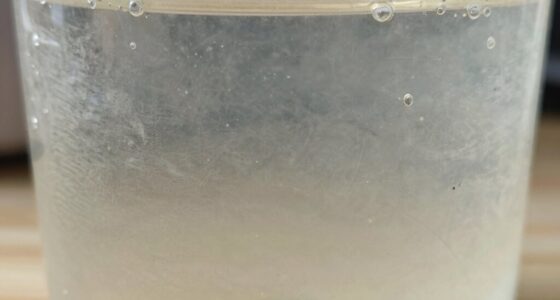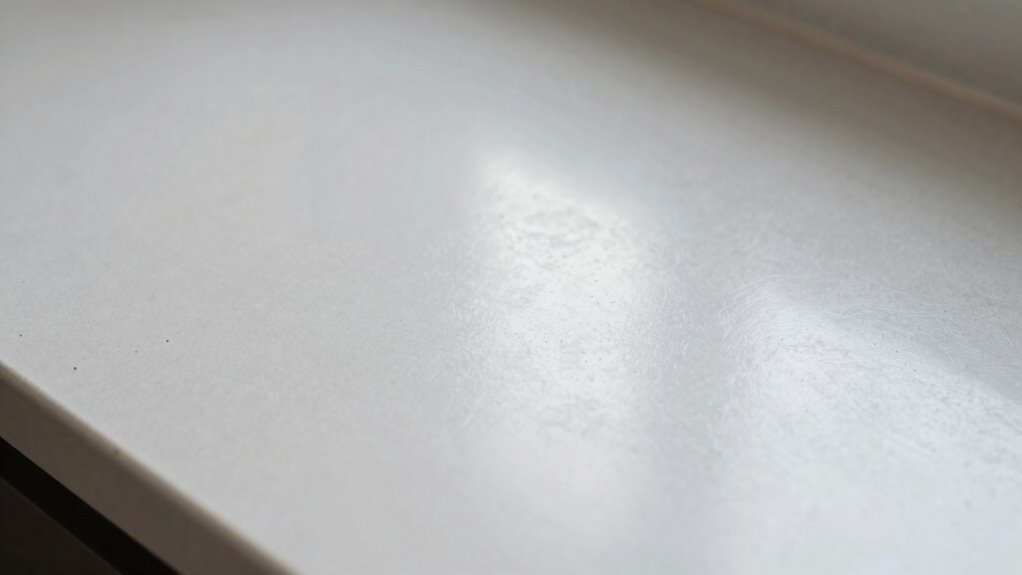

You might think a surface is clean because it looks shiny or free of visible dirt, but microscopic residues can still be trapped, especially in porous materials or tiny crevices. Using improper cleaning methods or harsh chemicals can leave behind thin films or residues that aren’t visible but affect hygiene and appearance over time. Understanding the surface material and proper cleaning techniques helps guarantee you truly remove microscopic dirt. Keep exploring to learn how to achieve a spotless finish every time.

Prime made for students and young adults
- Fast, free delivery for dorm and study essentials
- Prime Video and Amazon Music included
- Member-only deals
Key Takeaways
- Porous surfaces trap dirt and oils deep within, making them appear clean but retaining microscopic residues.
- Improper cleaning techniques, such as using harsh chemicals or rough tools, can leave behind thin film or residues.
- Residues often settle into microscopic crevices, which are difficult to reach with standard cleaning methods.
- Surfaces like glass or stainless steel may look clean but can hold streaks or smudges if not cleaned properly.
- Inadequate rinsing or improper product selection can leave behind residues that affect hygiene and appearance.
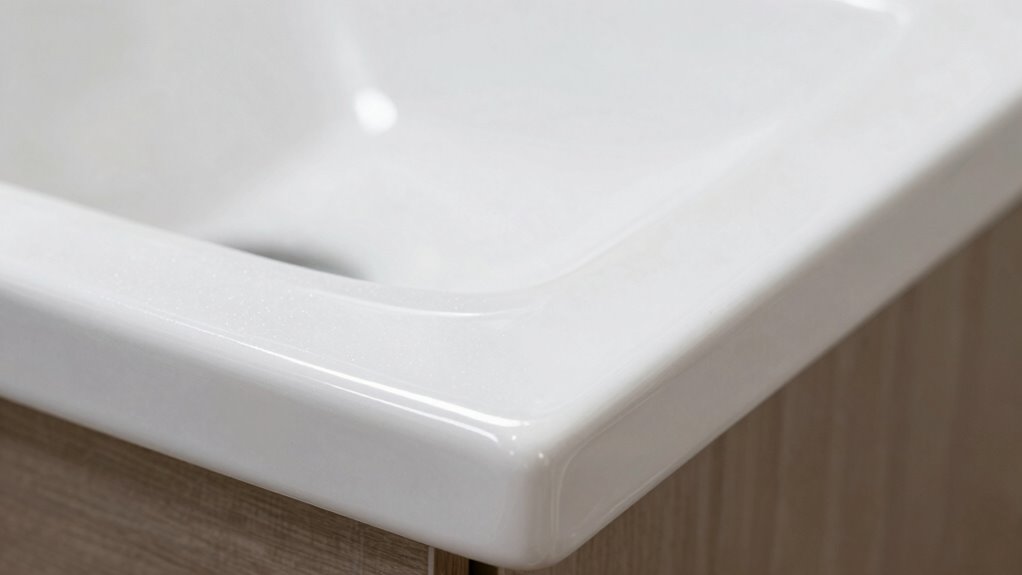
Even when a surface looks spotless, it can still harbor residue that’s invisible to the naked eye. You might think that a quick wipe or a splash of cleaner is enough to make everything sparkle, but surface materials and cleaning techniques play a crucial role in truly removing residues. Different materials—like glass, wood, plastic, or stainless steel—react differently to cleaning agents. For example, some surfaces are porous, which means they trap dirt, oils, and even microscopic particles deep within. Others are non-porous but may develop streaks or smudges if you don’t use the right cleaning techniques. Knowing how to approach each surface material ensures you get rid of the unseen residues that can compromise cleanliness. Additionally, understanding surface porosity helps you choose the most effective cleaning methods, preventing residue build-up over time.
When you clean, you have to consider the specific surface materials involved. Using the wrong cleaning techniques can leave behind residues or even damage the surface. For instance, harsh chemicals might clean glass thoroughly but could dull or stain delicate wood finishes. Conversely, using too mild a cleaner on greasy kitchen counters might leave behind a thin film of residue, making the surface look clean but still harboring grime. You need to match cleaning techniques to the surface material—sometimes requiring gentle wiping, specialized cleaners, or even different tools like microfiber cloths for smooth surfaces. This tailored approach prevents smudges and streaks while ensuring all particles are lifted away. Recognizing the surface porosity of materials can help you select the best cleaning method for each situation. Proper cleaning techniques are essential because they influence how well residues are removed from microscopic crevices.
Furthermore, considering the cleaning frequency can help prevent the buildup of residues that may be more difficult to remove over time.
Another factor is the method of cleaning itself. Rushing through a wipe won’t eliminate residues trapped in microscopic crevices or embedded within the material. Proper cleaning techniques involve thorough wiping, using circular motions, or employing cleaning tools designed for specific surfaces. For example, microfiber cloths are excellent for glass and smooth surfaces because they trap dirt effectively without scratching. In contrast, soft-bristled brushes or sponges might be better suited for textured or porous surfaces, helping dislodge particles that cling stubbornly. Additionally, the choice of cleaning products matters—a cleaner formulated for glass won’t necessarily work well on wood, and vice versa. Always read labels and follow instructions to avoid leaving behind residues or causing damage. cleaning tools play a significant role in ensuring thorough residue removal from various surface types.
In essence, understanding your surfaces and applying the right cleaning techniques makes all the difference. While a surface may look clean at first glance, microscopic residues can lurk, affecting hygiene and appearance. By paying close attention to surface materials and using appropriate cleaning methods, you ensure that your spaces are truly spotless, not just superficially clean. This approach helps you maintain a hygienic environment and keeps your surfaces looking their best for longer. Recognizing the importance of surface materials in cleaning routines can significantly improve the longevity and cleanliness of your home surfaces.
microfiber cleaning cloths for glass and stainless steel
As an affiliate, we earn on qualifying purchases.
As an affiliate, we earn on qualifying purchases.
Frequently Asked Questions
Can Different Cleaning Products Affect Residue Retention?
Yes, different cleaning products can affect residue retention because chemical interactions influence residue adhesion. Some products leave behind chemicals that bond strongly with surfaces, making residue harder to remove. Others contain ingredients that break down residues, reducing adhesion. You should choose cleaners suited to your surface type and avoid harsh chemicals that can increase residue buildup, ensuring surfaces stay truly clean without lingering residues.
Do Surface Materials Influence Residue Buildup?
Of course, surface materials influence residue buildup. You might think a shiny surface is spotless, but porous materials trap more residue, thanks to their surface porosity. Durable materials resist wear, but some are so porous they become residue magnets. So, if you’re aiming for a truly clean look, choose surfaces with low porosity and high durability. Otherwise, you’re just polishing a residue magnet in disguise.
How Does Humidity Impact Residue Visibility?
Humidity effects directly influence residue visibility because high humidity can cause moisture to settle on surfaces, making residues more noticeable. When the air is humid, oils, dirt, and cleaning products leave behind a film that’s easier to see due to the moisture. Conversely, low humidity helps surfaces dry faster, reducing residue visibility. So, understanding humidity’s role helps you better manage and identify residue buildup on various surfaces.
Are Certain Cleaning Techniques More Effective?
Certain cleaning techniques are more effective if you focus on maintaining surface gloss and adjusting cleaning frequency. Using gentle, streak-free cleaners and microfiber cloths helps remove residue without dulling the surface. Regular cleaning prevents buildup, while deep cleaning with appropriate solutions targets stubborn residues. Avoid harsh abrasives that can damage the surface, and make sure you clean often enough to prevent residue from settling, keeping your surfaces looking clean and shiny.
What Role Do Microscopic Particles Play in Residue?
Microscopic particles act like tiny magnets, clinging to surfaces through surface adhesion. These minuscule specks hide in cracks and fibers, making surfaces appear clean while secretly holding residue. As you wipe, larger debris lifts away, but the microscopic particles stay put, stubbornly resisting removal. Their small size allows them to settle into surface textures, creating a false sense of cleanliness, even though residue remains trapped beneath the surface.
porous surface cleaner for wood and plastic
As an affiliate, we earn on qualifying purchases.
As an affiliate, we earn on qualifying purchases.
Conclusion
So, next time a surface appears spotless, remember that its true cleanliness might just be hiding behind a gentle facade. Sometimes, what’s visible isn’t the whole story, and a little extra care can make all the difference. By paying close attention and cleaning thoroughly, you guarantee that what you see is truly what you get—genuine freshness, not just a pretty illusion. After all, a little extra effort can keep things genuinely sparkling, inside and out.
As an affiliate, we earn on qualifying purchases.
gentle cleaning solutions for delicate surfaces
As an affiliate, we earn on qualifying purchases.
As an affiliate, we earn on qualifying purchases.
Fall Picks
fall essentials
As an affiliate, we earn on qualifying purchases.