
Even in a clean home, your indoor air can worsen if you focus only on surface cleanliness. Over-cleaning with harsh chemicals releases VOCs that irritate your respiratory system. Meanwhile, hidden sources like mold, dust, and pet dander can build up behind furniture and inside ducts, recirculating pollutants. Poor HVAC maintenance and inadequate filtration also contribute. To truly improve your air quality, it’s essential to address these unseen issues and adopt a holistic approach—there’s more to uncover.

Get school and study supplies delivered free — and shop member deals
- Fast, free delivery on millions of items
- Access to Prime Big Deal Days deals on October 6–7
- Prime Video, Amazon Music and more included
Key Takeaways
- Over-cleaning with harsh chemicals releases VOCs that can irritate respiratory systems.
- Surface cleaning alone ignores hidden pollutants like mold, dust, and pet dander that degrade air quality.
- Regular HVAC maintenance ensures filters and ducts do not accumulate pollutants and mold spores.
- Using improper or neglected filtration can allow indoor pollutants to recirculate and worsen air quality.
- Lack of monitoring prevents early detection of unseen pollutants, leading to indoor air deterioration.
Maintaining a clean home isn’t just about appearance—it’s also crucial for ensuring good indoor air quality. When you focus on cleaning surfaces and decluttering, you might think you’ve tackled the main issues, but there’s more at play. Indoor pollutant sources, such as dust, pet dander, mold, and volatile organic compounds (VOCs), can linger even in the most spotless spaces. Without proper attention to these sources and regular HVAC maintenance, your efforts might unintentionally contribute to worsening air quality instead of improving it.
One common misconception is that a squeaky-clean home automatically means healthier air. However, over-cleaning with harsh chemicals can release VOCs into the air, which irritate your respiratory system and contribute to poor indoor air quality. Even natural cleaning products, if used excessively or improperly, can be sources of indoor pollutants. Additionally, if you don’t pay attention to indoor pollutant sources like mold growth in damp areas, dust accumulation, or pet dander, you may be inviting airborne irritants to thrive. These pollutants can accumulate in hidden corners, behind furniture, or within HVAC systems, which often act as reservoirs for dust and mold spores.
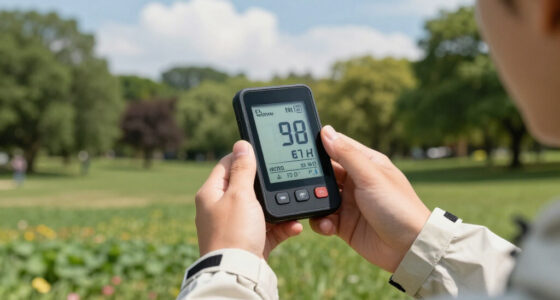
This is where HVAC maintenance becomes essential. Your heating, ventilation, and air conditioning system isn’t just about temperature control; it also plays a critical role in filtering and circulating air. Regularly changing filters, cleaning ducts, and inspecting your system ensures that pollutants aren’t being recirculated throughout your home. Neglecting HVAC upkeep allows contaminants to build up and bypass filters, leading to indoor air that’s more polluted than you realize. Without proper care, your system can become a source of indoor pollution rather than a solution. Furthermore, understanding the importance of proper filtration can significantly improve the effectiveness of your HVAC system in maintaining air quality. Regular inspections and HVAC system maintenance are also vital for preventing the buildup of pollutants. Incorporating air quality monitors can also help you detect unseen pollutants early and take action before they become health hazards. Being aware of hidden pollutant sources can help you target areas that might otherwise go unnoticed in your cleaning routine. Without addressing these sources and maintaining your HVAC system, your efforts to keep a clean home may inadvertently make the air worse. The key is to combine regular cleaning with proactive HVAC maintenance and awareness of indoor pollutant sources. Doing so helps create a truly healthy environment where the air is as clean as your home looks.
As an affiliate, we earn on qualifying purchases.
Frequently Asked Questions
Can Air Purifiers Improve Indoor Air Quality in Clean Homes?
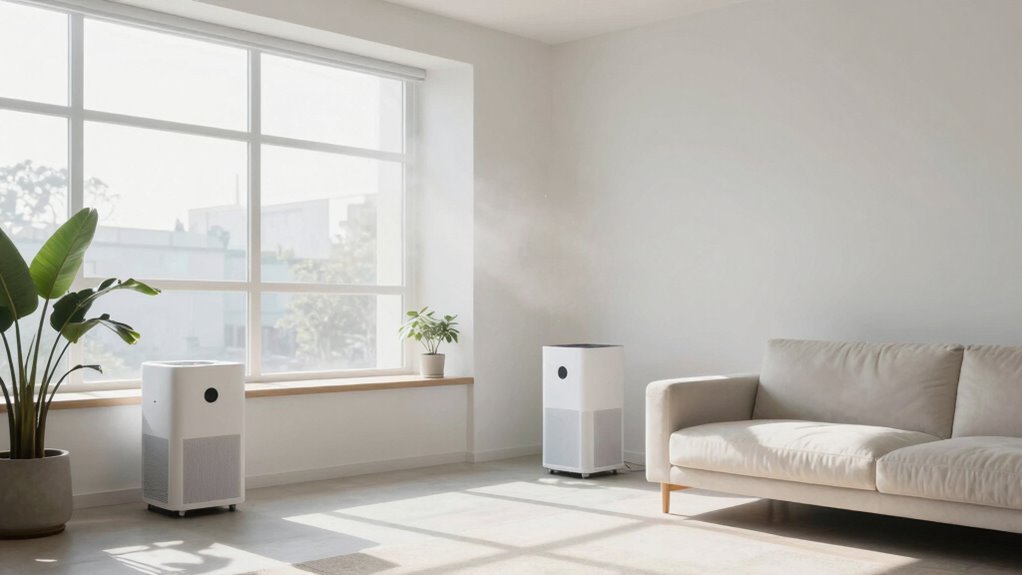
Yes, air purifiers can improve indoor air quality in clean homes. To maximize their benefits, you need to maintain them properly, including regular air purifier maintenance. Make certain the filters are replaced or cleaned as recommended because filter effectiveness decreases over time. This helps remove allergens, dust, and pollutants effectively, keeping your indoor air fresh and healthy even in homes that seem already clean.
How Often Should Indoor Air Filters Be Replaced?
You should replace your indoor air filters every 1 to 3 months, depending on usage and filter type. Regular filter maintenance guarantees ideal air quality and system efficiency. Check manufacturer recommendations for your specific filters, and consider factors like pets or allergies, which may require more frequent replacements. Staying on top of replacement frequency helps keep your indoor air clean and healthy, preventing buildup of dust, allergens, and pollutants.
Do Houseplants Help Reduce Indoor Air Pollutants?
Houseplants are like natural air filters, but they don’t work miracles. They can absorb some plant toxins and improve humidity, but their soil bacteria and leaves may release allergens or mold spores, sometimes worsening indoor air quality. So, while they add beauty and a touch of nature, don’t rely solely on houseplants for clean air. Keep proper ventilation and air purifiers in mind for truly fresher indoor air.
Are There Hidden Sources of Indoor Air Pollution?
Yes, there are hidden sources of indoor air pollution. You might not see hidden allergens like dust mites or pet dander lurking in upholstery or carpets. Chemical emissions from cleaning products, paints, or furniture also contribute to poor air quality. These hidden allergens and chemical emissions can accumulate over time, making your indoor air worse even in a clean home. Regular ventilation and choosing low-emission products can help reduce these unseen pollutants.
How Does Humidity Affect Indoor Air Quality?
Humidity levels directly impact your indoor air quality. When humidity control is off, excess moisture promotes mold growth, which releases spores into the air and worsens air quality. Too low humidity can cause dry skin and respiratory issues. To maintain healthy air, keep indoor humidity between 30-50%, and guarantee proper ventilation. Regularly monitor humidity levels to prevent mold growth and improve overall indoor air freshness.
As an affiliate, we earn on qualifying purchases.
Conclusion
So, next time you obsess over spotless surfaces and spotless air, remember—your pristine home might be turning into a tiny, invisible disaster zone! Without proper ventilation and air circulation, you’re practically trapping a toxic cloud that could make you sick—faster than you can say “clean and fresh.” Don’t let your obsession with cleanliness turn your sanctuary into a sneaky health hazard. Keep the air moving, and breathe easy—your lungs will thank you!
As an affiliate, we earn on qualifying purchases.
As an affiliate, we earn on qualifying purchases.
Halloween Picks
halloween
As an affiliate, we earn on qualifying purchases.