When your car idles in an enclosed garage, harmful fumes like carbon monoxide and nitrogen oxides quickly build up and can seep into your home, risking serious health issues such as headaches, dizziness, and even poisoning. Because these toxins are invisible and odorless, you might not realize the danger until it’s too late. Proper ventilation and avoiding long engine runs inside are essential. If you want to understand how to protect your family, keep exploring these safety tips.
Key Takeaways
- Idling cars produce harmful emissions like carbon monoxide that can infiltrate homes through open doors or windows.
- Garage fumes from idling vehicles can quickly build up indoors, creating dangerous air quality levels.
- These invisible, odorless gases pose health risks such as headaches, dizziness, and long-term poisoning.
- Poor ventilation allows toxic fumes to seep into living spaces, increasing the risk of carbon monoxide poisoning.
- Proper garage ventilation and avoiding engine idling inside protect homes from harmful car emissions.

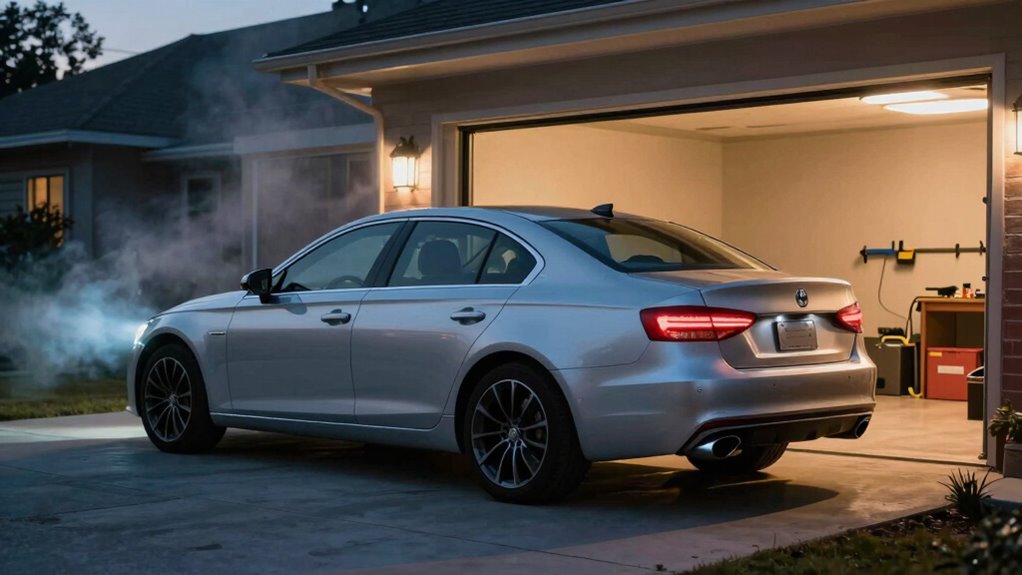
Garage fumes can pose serious health risks if you’re not careful, especially since many people overlook the dangers of lingering exhaust gases in enclosed spaces. When your car runs in the garage, it releases car engine emissions—harmful pollutants like carbon monoxide, nitrogen oxides, and volatile organic compounds—that can quickly accumulate in the confined area. These emissions are invisible and odorless, making it easy to underestimate the danger. If you regularly start your vehicle in the garage, even for a few minutes, you risk exposing yourself and your family to toxic fumes. Over time, this exposure can lead to headaches, dizziness, nausea, or more severe health issues like carbon monoxide poisoning, which can be fatal.
Garage fumes pose serious health risks from invisible, odorless emissions like carbon monoxide, especially with frequent engine runs indoors.
To reduce these risks, you need to adopt effective garage ventilation strategies. Proper ventilation helps disperse the harmful gases outside, preventing dangerous build-up inside your garage. Simple steps include opening doors and windows before starting your car, especially if you’ve been running it for more than a minute. Installing exhaust fans or ventilation systems that draw fumes out can dramatically improve air quality. These systems should be rated for garage use and maintained regularly to verify they’re functioning correctly. If you park your car inside frequently, consider creating a dedicated ventilation plan, such as installing vents that connect to the outside or using a mechanical ventilation system that activates automatically when the garage door opens or the engine runs.
It’s also essential to avoid starting or idling your car in an enclosed space for extended periods. Never leave your vehicle running in the garage while the doors are closed, even if you’re just warming up the engine. This practice leads to dangerous buildup of car engine emissions, which can seep into the home through shared walls or vents. When you need to work on your vehicle or let it idle, do so in a well-ventilated area or outdoors. If you must work inside, ensure that your garage is equipped with reliable ventilation systems, and always keep a carbon monoxide detector nearby to alert you of dangerous fumes. Additionally, understanding the importance of ventilation systems can greatly improve safety and air quality in your garage.
Understanding the importance of garage ventilation strategies is vital for safety. The key is to prevent the accumulation of car engine emissions, which are the primary source of garage fumes. Good ventilation not only protects your health but also preserves the air quality in your home. Make it a priority to keep fumes out of your living space by practicing smart ventilation habits, ensuring your garage remains a safe place rather than a hidden hazard.

iLIVING 12" Wall Mounted Shutter Exhaust Fan, Automatic Shutter, with Thermostat and Variable Speed controller, 0.6A, 960 CFM, 1400 SQF Coverage Area Silver (ILG8SF12V-ST)
- High Airflow Capacity: 960 CFM for large areas
- Automatic Shutter System: Built-in shutters for automatic operation
- Variable Speed Control: Adjust airflow with precision
As an affiliate, we earn on qualifying purchases.
As an affiliate, we earn on qualifying purchases.
Frequently Asked Questions
How Can I Tell if My Home Has Indoor Garage Fumes?
You can tell if your home has indoor garage fumes by noticing signs like a strange odor or persistent headaches. To be sure, consider air quality testing, which detects harmful pollutants from car fumes. Also, pay attention to odor detection—if you notice a chemical or gasoline smell lingering, it’s a sign fumes might be seeping into your living space. Addressing this promptly helps protect your health and indoor air quality.
Are There Any Health Risks for Children and Pets?
Imagine your child’s safety like a delicate glass ornament—fragile and precious. Garage fumes can release harmful chemicals into your home, posing serious health risks for children and pets. Breathing in these toxins may cause respiratory issues, headaches, or worse. Protect your loved ones by ensuring proper ventilation and avoiding idling cars in the garage. Your vigilance safeguards their well-being and keeps your home a safe haven.
What Ventilation Methods Are Most Effective for Garages?
You should install exhaust fans and air purifiers in your garage for effective ventilation. Exhaust fans help immediately remove harmful fumes, while air purifiers with activated carbon filters trap toxins and improve air quality. Make sure to run exhaust fans whenever your car is on, and regularly use air purifiers to reduce lingering fumes. Combining these methods guarantees a safer environment for your family and pets.
Can Garage Fumes Cause Long-Term Health Problems?
A word to the wise: don’t ignore the danger of car exhaust. Chronic exposure to garage fumes can cause long-term health problems, including respiratory issues, headaches, and even more serious conditions. When you’re exposed to car exhaust regularly, harmful chemicals build up in your body over time. Protect yourself by ensuring proper ventilation and minimizing idling cars in your garage, because your health is worth more than a moment’s convenience.
Are There Legal Regulations Regarding Garage Ventilation Standards?
Yes, there are legal regulations regarding garage ventilation standards. You must follow garage safety and adhere to ventilation codes that guarantee proper air exchange and prevent harmful fumes from accumulating. These regulations often specify the size and placement of vents, exhaust fans, and other safety features. Staying compliant not only keeps your home safe but also helps protect your health from dangerous garage fumes caused by idling cars.
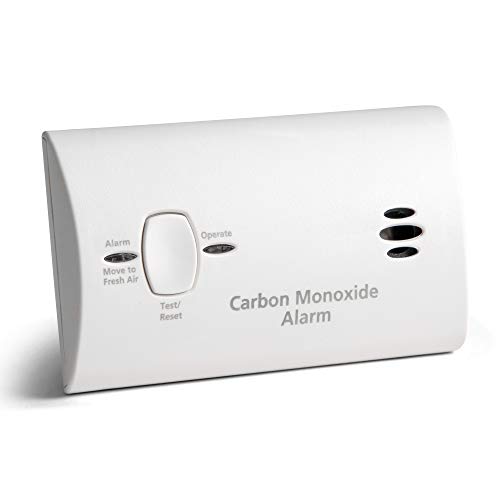
Kidde Carbon Monoxide Detector, AA Battery Powered, Portable for Travel or Home, 85 dB Alarm, LED Status Indicators, 3rd Edition
- Sensor Technology: Electrochemical CO detection
- Easy Installation: No wiring, battery operated
- Power Indicator: Green LED shows power status
As an affiliate, we earn on qualifying purchases.
As an affiliate, we earn on qualifying purchases.
Conclusion
So, next time you leave your car running in the garage, remember—you’re secretly poisoning your home. It’s ironic how a simple act meant to keep your car safe can turn your entire house into a toxic trap. All those fumes, invisible but deadly, quietly seep into your living space. You might think you’re just warming up the engine, but in reality, you’re fueling a dangerous, silent threat that’s right under your nose.
iLIVING 12" Wall Mounted Shutter Exhaust Fan, Automatic Shutter, with Thermostat and Variable Speed controller, 0.6A, 960 CFM, 1400 SQF Coverage Area Silver (ILG8SF12V-ST)
- High Airflow Capacity: 960 CFM for large areas
- Automatic Shutter System: Built-in shutters for automatic operation
- Variable Speed Control: Adjust airflow with precision
As an affiliate, we earn on qualifying purchases.
As an affiliate, we earn on qualifying purchases.

VEVOR 14 inch Exhaust Fan, Wall Mounted Attic Fan with Variable Speed, Temperature & Humidity Controller, 2000 CFM, Automatic Shutter
- High Airflow Capacity: 2000 CFM for rapid venting
- Smart Control System: Adjusts speed based on temperature and humidity
- Multiple Settings: Up to 10 adjustable speeds and modes
As an affiliate, we earn on qualifying purchases.
As an affiliate, we earn on qualifying purchases.