
TL;DR
The Department of Environment and Natural Resources (DENR) reports a slight improvement in air quality in Metro Manila. However, unhealthy air levels are now affecting Visayas and Mindanao, posing health risks. The situation remains dynamic, with ongoing monitoring needed.
The Department of Environment and Natural Resources (DENR) has confirmed that air quality in Metro Manila has experienced a slight improvement, though it remains classified as ‘moderate’ according to recent measurements. However, the agency also reported that ‘unhealthy’ air conditions are now affecting parts of Visayas and Mindanao, raising concerns about public health across the Philippines. This development is significant as it indicates both a temporary positive trend in the capital region and a worsening situation in other parts of the country, highlighting the complex and regional nature of air pollution issues.
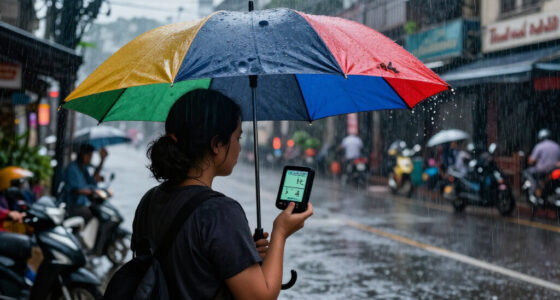
According to the DENR, recent air quality monitoring data shows a marginal reduction in particulate matter levels (PM2.5 and PM10) in Metro Manila, bringing the air quality index (AQI) into the ‘moderate’ category from the previous ‘unhealthy’ level. The agency attributes this improvement to recent weather conditions, including increased rainfall and wind patterns that help disperse pollutants. Despite this, the DENR emphasized that air quality remains a concern, especially during certain times of the day when pollution levels tend to spike.
Simultaneously, the DENR reported that regions in Visayas and Mindanao are now experiencing ‘unhealthy’ air quality levels, with AQI readings exceeding the safe threshold set by the World Health Organization (WHO). Officials stated that this shift is likely due to regional weather patterns, local industrial activities, and ongoing agricultural burning practices, which contribute to elevated particulate matter in the atmosphere. The agency warned residents in these regions to take precautions, especially vulnerable groups such as children, the elderly, and those with respiratory conditions.
Environmental experts note that while the slight improvement in Metro Manila is a positive sign, the overall air quality situation remains fragile and subject to rapid changes depending on weather and human activities. The DENR has pledged to continue monitoring and implementing measures aimed at reducing pollution sources across the country.
Why Regional Air Quality Shifts Matter to Public Health
The reported improvements in Metro Manila’s air quality offer temporary relief but do not eliminate ongoing health risks for residents. The spread of ‘unhealthy’ air conditions to Visayas and Mindanao underscores the regional nature of air pollution in the Philippines, which can have serious health implications, especially for vulnerable populations. Persistent pollution can lead to increased respiratory illnesses, cardiovascular problems, and other health issues, burdening the healthcare system and affecting quality of life. This situation highlights the need for sustained environmental policies and regional cooperation to address the root causes of air pollution effectively.
As an affiliate, we earn on qualifying purchases.
Regional Variability in Air Pollution Levels
Air quality in the Philippines varies significantly across regions, influenced by weather patterns, industrial activity, and agricultural practices. Historically, Metro Manila has been the most affected due to high vehicular emissions, industrial outputs, and urban congestion. In recent years, efforts have been made to improve air quality through stricter vehicle emission standards and pollution control measures. However, regional disparities persist, with some areas experiencing worsening conditions due to localized sources like agricultural burning or industrial emissions. The recent data showing ‘unhealthy’ air in Visayas and Mindanao reflects these ongoing regional challenges.
Environmental authorities have noted that weather patterns, such as winds and rainfall, play a crucial role in dispersing or concentrating pollutants, leading to fluctuations in air quality. The current trend suggests that weather conditions may temporarily favor cleaner air in Metro Manila but are not sufficient to resolve broader regional issues. Experts warn that without comprehensive and sustained interventions, air pollution will continue to pose health risks across the country.
As an affiliate, we earn on qualifying purchases.
Unclear Factors Behind Regional Air Quality Changes
It is not yet confirmed what specific regional activities or weather patterns are primarily responsible for the shift in air quality from moderate to unhealthy levels in Visayas and Mindanao. The exact contribution of agricultural burning, industrial emissions, or meteorological factors remains under investigation. Additionally, the duration and severity of these regional pollution episodes are still uncertain, as ongoing monitoring continues to assess the situation.
As an affiliate, we earn on qualifying purchases.
Next Steps in Monitoring and Pollution Control Efforts
The DENR has committed to intensified air quality monitoring across the country, with plans to deploy additional sensors and conduct regional assessments. Authorities are also expected to reinforce regulations on industrial emissions and agricultural burning practices. Public advisories will likely continue to warn vulnerable groups, and local governments may implement temporary restrictions on activities that contribute to pollution. Further updates are anticipated as the weather and pollution levels evolve over the coming weeks.
As an affiliate, we earn on qualifying purchases.
Key Questions
What caused the recent slight improvement in Metro Manila’s air quality?
The improvement is mainly attributed to weather conditions such as increased rainfall and wind, which help disperse pollutants. Human activity reductions during certain periods may also have contributed.
Why are Visayas and Mindanao experiencing unhealthy air levels now?
Regional weather patterns, agricultural burning, and industrial emissions are believed to be contributing factors, but investigations are ongoing to determine the precise causes.
How does weather affect air pollution levels?
Weather influences how pollutants disperse or concentrate. Rain can wash out particulates, while wind can disperse them, but calm or dry conditions can lead to higher pollution levels.
What health risks are associated with unhealthy air quality?
Exposure to high levels of air pollution can cause respiratory problems, worsen existing health conditions, and increase the risk of cardiovascular diseases, especially among vulnerable groups.
What measures are being taken to improve air quality?
The DENR is implementing stricter emission standards, monitoring pollution sources, and promoting cleaner technologies. Local governments may also impose restrictions on burning and vehicle emissions during high pollution episodes.
Source: local