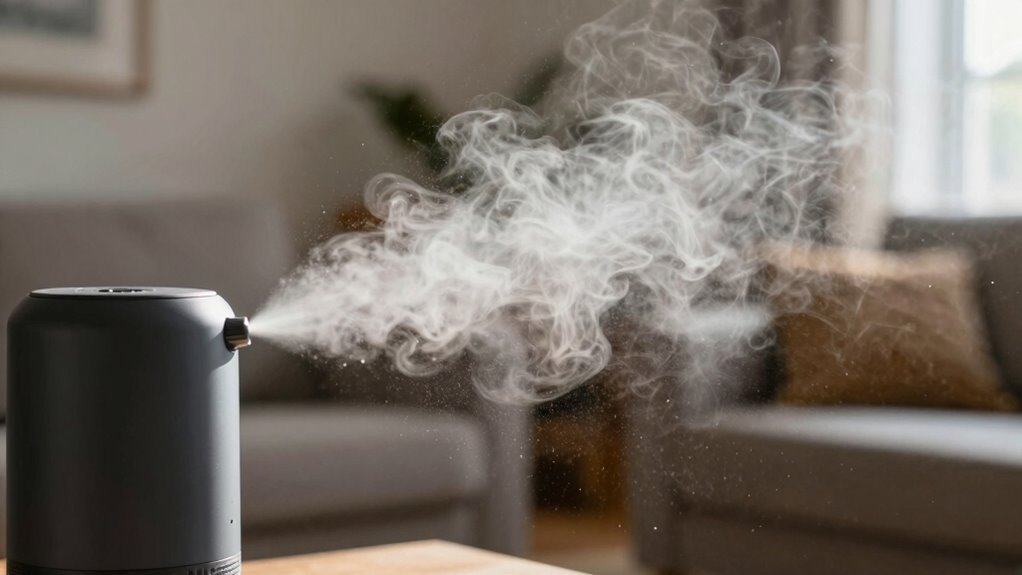

Air fresheners release chemicals and volatile organic compounds that can irritate your airways, making it harder to breathe, especially if you have allergies or asthma. These substances can cause inflammation, trigger allergic reactions, and worsen respiratory symptoms over time. Frequent exposure increases risks and can lead to long-term health issues. If you want to understand safer options and how to protect your lungs, there’s more to discover.
Key Takeaways
- Air fresheners release chemical irritants and VOCs that inflame airways and cause breathing difficulties.
- Synthetic fragrances and undisclosed chemicals can trigger allergies and respiratory reactions.
- Exposure to airborne irritants from air fresheners worsens asthma symptoms and airway inflammation.
- Repeated inhalation of VOCs can weaken lung defenses and lead to chronic respiratory problems.
- Artificial scents may overwhelm sensitive lungs, causing coughing, wheezing, and shortness of breath.
What Are the Main Ingredients in Air Fresheners?
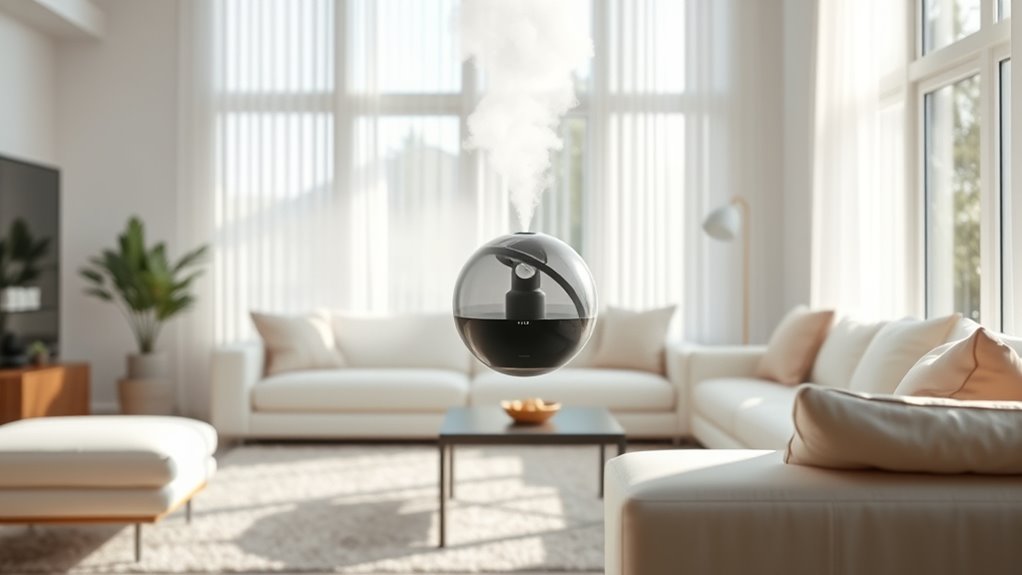
Air fresheners typically contain a mix of chemicals designed to mask odors and create a pleasant scent. These products rely on carefully crafted fragrance formulations that combine various aromatic compounds. You might find synthetic fragrances or natural essential oils, depending on the product. While these scents aim to improve your environment, it’s important to contemplate ingredient safety. Some ingredients in air fresheners can cause allergic reactions or irritate sensitive skin and eyes. Manufacturers often include stabilizers, solvents, and fixatives to enhance scent longevity and consistency. Knowing what’s inside helps you make informed choices. Always check labels for ingredient lists, and opt for products with transparent ingredient safety information. Being aware of these main ingredients can help you reduce potential health risks associated with air fresheners. Additionally, understanding how chemical composition influences both scent and safety can guide you toward healthier options.
How Do Air Fresheners Irritate Your Respiratory System?
When you breathe in air fresheners, chemical irritants can inflame your airways and cause discomfort. These substances may also trigger sensitivities, making your respiratory system react more strongly than usual. Understanding these effects helps you recognize how air fresheners can negatively impact your breathing. Additionally, certain air fresheners may contain competing ingredients that can further aggravate respiratory issues.
Chemical Irritants in Air Fresheners
Ever wonder how the chemicals in air fresheners can affect your breathing? Many products contain fragrance compounds designed to mask odors, but these can also act as chemical irritants. When you breathe in these substances, they may trigger inflammation or cause your airways to tighten, making breathing more difficult. These chemical irritants can irritate the lining of your respiratory system, leading to coughing, wheezing, or shortness of breath, especially if you’re sensitive or have existing conditions. Some fragrances release volatile organic compounds (VOCs), which can linger in the air and continue to irritate your lungs over time. Recognizing that these chemical irritants are common in air fresheners underscores the importance of understanding free floating substances and their health impacts, helping you identify potential risks and avoid products that could compromise your respiratory health.
Airway Sensitivity Triggers
Chemical irritants in air fresheners don’t just linger passively; they actively trigger your airway sensitivity. When you’re exposed, they can cause airway irritation, making breathing feel harder. If you already have scent sensitivity or respiratory issues, these triggers hit even harder. Here’s how they affect you:
- Trigger inflammation in your airways, leading to swelling and discomfort.
- Activate nerve endings, causing coughs or a scratchy throat.
- Increase mucus production, which can clog your airways.
- Sensitize your respiratory system, making you more reactive to other irritants.
- Using essential oils like eucalyptus or peppermint may help soothe irritated airways and support respiratory health. Respiratory health is important to consider when choosing air freshening options.
These triggers amplify airway irritation, making breathing more difficult and uncomfortable, especially if you’re prone to scent sensitivity or allergies. Recognizing these triggers is vital to protecting your respiratory health.
What Do VOCs Do to Your Lungs?
Have you ever wondered how VOCs from air fresheners impact your lungs? When you breathe in VOC exposure, these chemicals can cause your lungs to become inflamed. This inflammation occurs because VOCs irritate the delicate tissues in your respiratory system, leading to swelling and increased mucus production. Over time, repeated exposure can weaken your lung defenses, making it harder to breathe and increasing your risk of respiratory issues. The inflammation isn’t always immediate; it can build up gradually, leading to chronic breathing problems. Understanding what VOCs do to your lungs highlights the importance of reducing exposure, especially if you already have sensitive airways or respiratory conditions. Protecting your lungs means being mindful of the chemicals you bring into your environment, particularly by choosing air purification methods that can help mitigate these pollutants.
Can Air Fresheners Trigger Allergies?
Air fresheners can indeed trigger allergies in sensitive individuals. The fragrance composition and allergenic potential of these products vary widely, often containing chemicals that can provoke reactions. Here are four key points to think about:
- Many fragrances include synthetic compounds linked to allergic responses.
- The allergenic potential depends on the specific chemicals used in the fragrance blend.
- Some ingredients, like formaldehyde-releasing agents, can cause skin and respiratory allergies.
- Fragrance mixes may contain undisclosed chemicals, increasing the risk of allergic reactions.
- Additionally, some air fresheners feature Glycolic Acid, which can irritate sensitive skin and respiratory pathways in some people.
If you’re prone to allergies, exposure to air fresheners might worsen symptoms or trigger new ones, especially if their fragrance composition includes potent or allergenic substances. Always check labels for potential irritants.
Why Are People With Asthma at Risk From Air Fresheners?
People with asthma are more vulnerable to air fresheners because their scents can trigger asthma attacks. These products release airborne irritants and allergens that can worsen breathing difficulties. Understanding these risks helps you protect yourself from potential asthma triggers. Additionally, some air fresheners contain volatile organic compounds that can contribute to respiratory issues and further aggravate asthma symptoms.
Asthma Triggers in Scents
Since many air fresheners contain chemicals that can irritate your respiratory system, those with asthma are especially vulnerable to their effects. Scents from air fresheners often act as asthma triggers through:
- Fragrance masking, which covers odors but introduces irritants that can provoke symptoms.
- Scent masking agents, that may contain volatile organic compounds (VOCs) linked to airway inflammation.
- Synthetic fragrances, that release chemicals known to trigger asthma attacks.
- Added fragrances, which can overwhelm sensitive lungs, causing coughing, wheezing, or shortness of breath.
These scent-related triggers can worsen asthma symptoms, making it indispensable to avoid strong or artificial fragrances. Being aware of scent masking and choosing unscented or natural options can help protect your respiratory health. Additionally, understanding credit card security measures can help consumers safeguard their personal financial information when purchasing air fresheners online.
Airborne Irritants and Allergens
Have you ever wondered why air fresheners can be especially risky for those with asthma? The answer lies in airborne irritants and allergen exposure. Many air fresheners release chemicals that irritate your respiratory system, triggering asthma symptoms or attacks. These airborne irritants can include volatile organic compounds (VOCs), fragrances, and other chemical particles that linger in the air. When you breathe them in, they irritate your airways, making breathing harder. Best Modern Toilet products are designed to prioritize water efficiency and hygiene, but they do not address air quality concerns. For people with asthma, even small amounts of these irritants can worsen symptoms or cause flare-ups. Frequent allergen exposure from air fresheners amplifies this risk, especially in enclosed spaces. Understanding this helps you protect yourself by avoiding products that release these airborne irritants and allergen triggers.
Are There Long-Term Health Risks From Frequent Use?
While air fresheners can make your home smell pleasant, frequent use may pose long-term health risks. Chronic exposure to the chemicals in these products can increase your chances of developing issues like respiratory problems, allergies, or even hormonal disruptions. Consider these potential long-term risks:
- Respiratory illnesses from ongoing irritant exposure
- Increased allergy sensitivity over time
- Hormonal imbalances caused by chemical interference
- Potential links to asthma development
Being aware of these indoor air quality concerns can help you make safer choices. Repeated use amplifies these risks, making it harder for your body to recover from daily irritants. If you use air fresheners regularly, you may unknowingly expose yourself to harmful substances that accumulate and affect your health over the years.
What Are Safe Alternatives to Keep Your Home Smelling Fresh?
To keep your home smelling fresh without risking your health, consider using natural remedies and DIY solutions. Essential oils like lavender, lemon, or eucalyptus can create a pleasant aroma without harmful chemicals. You can make your own air fresheners by mixing water with a few drops of essential oil in a spray bottle. Houseplants, such as spider plants or peace lilies, naturally purify the air while adding a fresh scent. Baking soda is another effective natural remedy; placing bowls of it around your home absorbs odors. Regularly ventilating your space by opening windows helps refresh the air naturally. These safe alternatives are affordable, easy to use, and free from synthetic fragrances, making them ideal for maintaining a fresh-smelling home without compromising your breathing health.
How Can You Reduce Your Exposure to Harmful Chemicals?
Are you aware of how everyday products and household habits can introduce harmful chemicals into your environment? To reduce your exposure, consider these steps:
- Switch to natural remedies like essential oils or homemade air fresheners.
- Use air purifiers with HEPA filters to remove airborne toxins effectively.
- Avoid synthetic air fresheners and cleaning products that contain volatile organic compounds (VOCs).
- Increase ventilation by opening windows and doors regularly.
Frequently Asked Questions
Can Air Fresheners Cause Immediate Breathing Problems?
Yes, air fresheners can cause immediate breathing problems if you have chemical sensitivities or allergies. When you breathe in the strong fragrances and chemicals, your airways may react quickly, leading to coughing, wheezing, or shortness of breath. It’s important to recognize these reactions early and avoid using air fresheners that contain harsh chemicals, especially if you’re prone to allergic reactions or respiratory issues.
Are Natural Air Fresheners Safer Than Synthetic Ones?
Natural air fresheners generally dance more gently on your lungs compared to synthetic ones, making them safer choices. Their chemical compositions often rely on plant-based extracts rather than harsh chemicals, reducing potential health implications. While no option is entirely risk-free, choosing natural scents is like opting for a soft breeze over a storm—less likely to cause irritation or breathing issues. Always check labels to confirm you’re making the safest, healthiest choice.
Do Air Fresheners Affect Children More Than Adults?
Yes, air fresheners can affect children more than adults. Kids with child asthma or scent sensitivity are especially vulnerable because their airways are smaller and still developing. The chemicals in artificial scents can trigger asthma attacks or worsen breathing issues. You should avoid using strong air fresheners around children, especially if they have known sensitivities, to help protect their respiratory health and reduce discomfort.
How Often Should I Replace Air Freshener Products?
You should replace your air freshener products based on their lifespan and replacement frequency instructions, usually every 30 to 60 days. Check the packaging for specific guidance, as some scents or types last longer or shorter. Regularly replacing air fresheners prevents scent stagnation and reduces the buildup of potentially irritating chemicals. Staying attentive to their lifespan helps maintain a fresh scent without compromising your indoor air quality.
Are There Certifications Indicating Safer Air Freshener Options?
Yes, you can look for air fresheners with eco-friendly certifications that guarantee safer ingredients. Check the chemical labels on products for clear, non-toxic ingredients, and seek out certifications like Green Seal or EPA Safer Choice. These labels indicate the product meets strict safety and environmental standards, helping you choose options that are less likely to irritate your respiratory system and are safer for your home environment.
Conclusion
Think of air fresheners as mischievous rain clouds—they may look harmless, but they can release a storm on your breathing. By choosing safer options and reducing exposure, you become the brave captain steering your ship away from toxic storms. Your home can still smell lovely without risking your health. So, take control and navigate toward fresher, cleaner air—your lungs will thank you for steering clear of the hidden dangers.