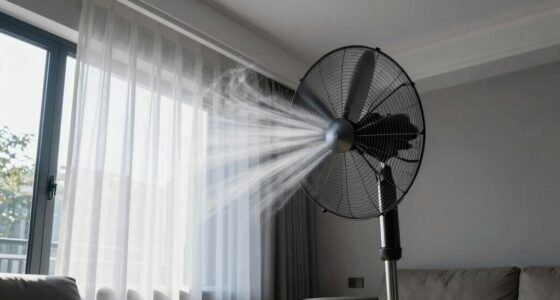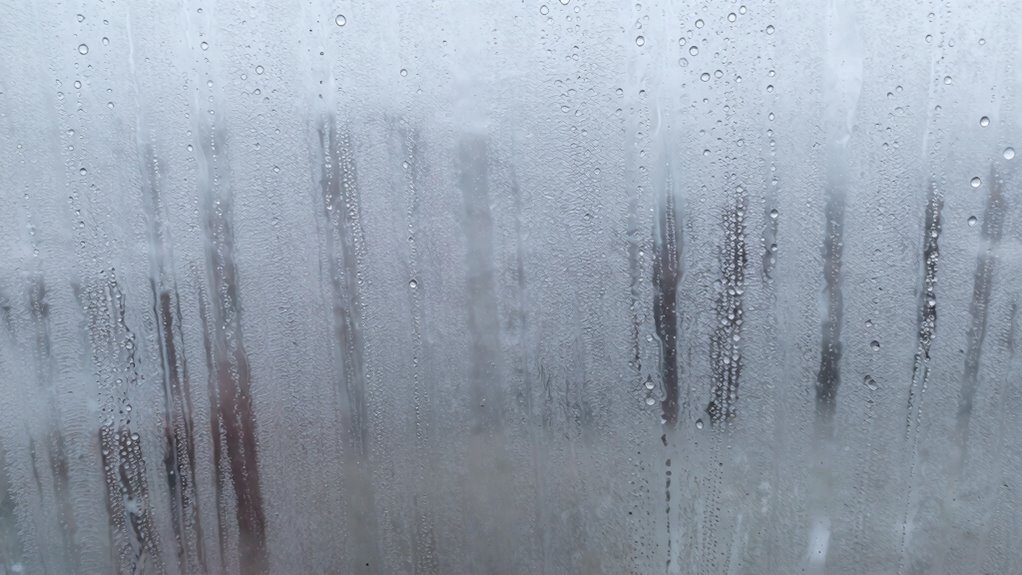

Condensation on windows happens when warm, moist indoor air contacts cooler glass surfaces, causing water droplets to form. Poor ventilation, high humidity levels, and insufficient insulation make things worse. You can fix this by improving airflow, using exhaust fans, lowering indoor humidity, sealing gaps, and upgrading windows. If you’re still experiencing fogging, there are more ways to prevent future issues — keep exploring to find effective solutions.

Get school and study supplies delivered free — and shop member deals
- Fast, free delivery on millions of items
- Access to Prime Big Deal Days deals on October 6–7
- Prime Video, Amazon Music and more included
Key Takeaways
- Warm, moist indoor air contacts cold window surfaces, causing water droplets to form (condensation).
- High indoor humidity from activities like cooking or showering increases condensation risk.
- Poor ventilation traps humid air near windows, promoting moisture buildup and fogging.
- Insufficient window insulation and leaks allow cold air contact, leading to condensation.
- Improving air circulation, sealing gaps, and reducing indoor humidity can effectively prevent window condensation.
As an affiliate, we earn on qualifying purchases.
What Causes Window Condensation?

Window condensation occurs when warm, moist air comes into contact with cooler window surfaces, causing the moisture in the air to change into liquid droplets. This process involves thermal transfer; heat moves from the warm air to the cold window, lowering the air’s capacity to hold moisture. Poor air circulation inside your home allows humid air to stay near windows longer, increasing condensation chances. When air isn’t moving, moisture builds up, especially in areas with high humidity. Improving air circulation helps disperse moisture away from windows, reducing the likelihood of condensation. Additionally, understanding how thermal transfer affects window temperature can guide you in managing indoor humidity levels. Proper ventilation and moving air around your home are key to preventing moisture from settling on your windows. Using high-quality projectors with precise color calibration can also help identify areas with excess moisture by highlighting uneven lighting or surface imperfections.
As an affiliate, we earn on qualifying purchases.
Which Indoor Factors Make Windows Foggy?
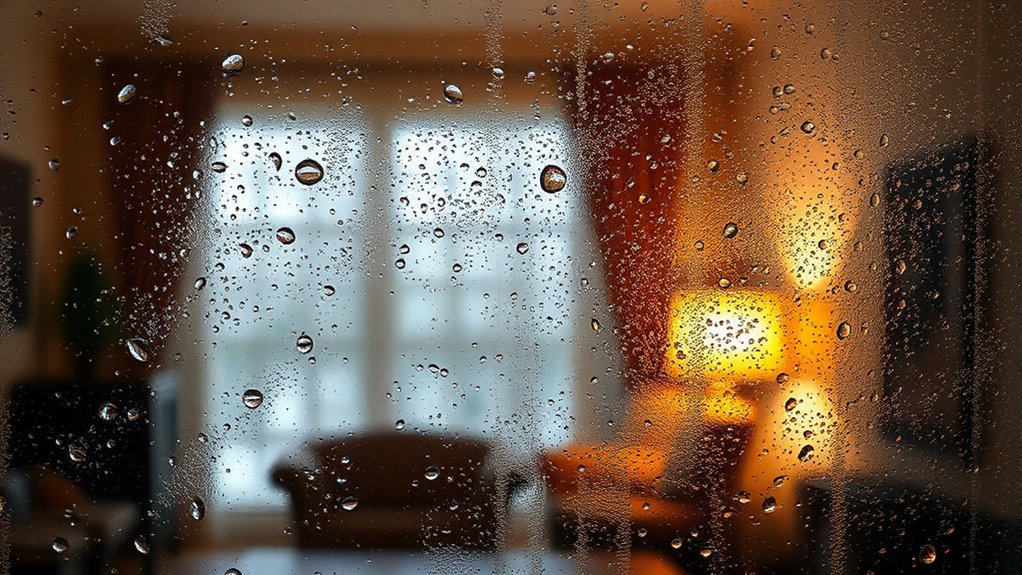
When indoor humidity levels rise, your windows are more likely to fog up. Poor ventilation can trap moist air inside, making condensation worse. Keeping your space well-ventilated helps reduce these foggy windows. Using air purifiers can also help improve indoor air quality and manage humidity levels effectively.
Humidity Levels Rising
As indoor humidity rises, your windows are more likely to fog up. High humidity levels can negatively impact air quality and reduce energy efficiency by making heating or cooling less effective. When moisture levels increase indoors, excess humidity condenses on cooler window surfaces, creating fog. You can reduce this by:
- Using dehumidifiers to control moisture
- Improving insulation to prevent temperature differences
- Managing indoor activities like cooking or showering that release humidity
Monitoring indoor humidity helps maintain a comfortable environment and prevents foggy windows. Keeping it below 50% not only minimizes condensation but also enhances air quality and energy efficiency. Staying aware of these factors allows you to take quick action and avoid the discomfort and potential damage caused by excess indoor moisture.
Poor Ventilation Effects
Poor ventilation allows indoor moisture to accumulate quickly, making it easier for windows to fog up. When ventilation effectiveness is low, moist air becomes trapped inside, increasing humidity levels and reducing indoor air quality. Without proper airflow, moisture from daily activities like cooking, showering, and drying clothes stays indoors longer, raising the likelihood of condensation on windows. Poor ventilation also prevents excess moisture from escaping, creating a humid environment that favors window fogging. To improve this, ensure your ventilation system functions correctly and promotes fresh air exchange. Better airflow helps maintain balanced indoor humidity, reduces moisture buildup, and keeps your indoor air quality high. Addressing ventilation issues directly impacts condensation, keeping windows clear and your home more comfortable. Proper ventilation plays a crucial role in controlling indoor humidity levels and preventing foggy windows.
As an affiliate, we earn on qualifying purchases.
How Does Weather Impact Your Windows?

Weather conditions directly influence whether you’ll experience condensation on your windows. Cold, damp days make it harder to maintain thermal comfort, causing your heating system to work harder and lowering energy efficiency. When outdoor temperatures drop, your windows cool down, increasing the likelihood of moisture condensing on their surfaces. Understanding AI ethics can also help developers create more responsible and transparent smart home systems that manage indoor humidity levels effectively. Consider these factors: – Temperature swings can cause rapid changes in window surface temperature, leading to more condensation. – High humidity levels outdoors increase indoor moisture, raising the chance of window condensation. – Wind and pressure changes can affect how warm or cold your windows feel, impacting condensation formation. Understanding how weather impacts your windows helps you manage indoor comfort and energy use more effectively, reducing moisture problems and maintaining a cozy, efficient home.
As an affiliate, we earn on qualifying purchases.
Why Does Poor Ventilation Lead to Moisture?

When ventilation isn’t sufficient, moisture from everyday activities like cooking, showering, and even breathing can accumulate inside your home. Without proper air circulation, this excess humidity stays trapped, increasing the likelihood of condensation on windows. Poor ventilation prevents moist air from escaping and fresh, dry air from entering, which helps regulate indoor humidity levels. As moisture builds up, it creates an ideal environment for mold to develop, posing health risks and damaging your home. Improving air circulation through vents or exhaust fans helps remove excess moisture, reducing condensation. This not only keeps your windows clear but also plays a key role in mold prevention, protecting your home’s structural integrity and your wellbeing. Proper ventilation is essential for maintaining a dry, healthy indoor environment. Understanding the importance of proper airflow can help homeowners implement effective solutions to reduce indoor moisture.
How Do Insulation and Window Quality Affect Condensation?

Your insulation helps keep warm air inside, reducing the chance of moisture forming on your windows. The quality of your window material determines how well it resists condensation, with some materials better at preventing moisture buildup. Proper sealing guarantees that warm, moist air doesn’t leak and cause issues, making the whole system more effective. Additionally, choosing high-quality windows can significantly improve your home’s resistance to condensation.
Insulation’s Role in Moisture
Insulation plays an essential role in reducing condensation on windows by preventing warm, moist indoor air from coming into direct contact with cold glass surfaces. Proper thermal insulation keeps indoor temperatures stable, minimizing the likelihood of moisture forming on the glass. Additionally, moisture barriers within your insulation help block humid air from reaching cooler areas near the window.
To maximize insulation effectiveness:
- Use high-quality insulation with effective thermal properties
- Ensure moisture barriers are intact and properly sealed
- Improve wall and window frame insulation to reduce heat transfer
These measures help maintain a consistent indoor environment, reducing the chances of condensation forming on your windows. Good insulation not only keeps your home comfortable but also protects against unwanted moisture buildup.
Window Material Efficiency
The quality of your windows considerably impacts how well your home resists condensation, especially when combined with proper insulation. Different window materials, such as vinyl, wood, or aluminum, have varying insulation properties that influence moisture buildup. Vinyl windows typically offer better insulation, reducing temperature differences that cause condensation. Coating technology also plays a vital role; low-emissivity (Low-E) coatings reflect heat back into your home, helping keep window surfaces warmer and less prone to moisture accumulation. High-quality materials and advanced coatings work together to minimize cold surfaces where condensation forms. Investing in well-made windows with effective coating technology not only enhances energy efficiency but also markedly reduces the likelihood of condensation, keeping your home more comfortable and preventing potential damage caused by excess moisture. Additionally, incorporating energy-efficient window designs can further improve insulation and moisture control, contributing to a more sustainable and comfortable living environment.
Impact of Sealing Quality
When window sealing is poor, moisture easily escapes into the surrounding air, increasing the risk of condensation. Poor sealing quality allows warm, moist air to contact colder window surfaces, making condensation more likely. Good sealing improves insulation effectiveness by preventing drafts and reducing heat loss. This not only helps maintain a stable indoor temperature but also minimizes moisture buildup that can lead to mold growth. Consider these points:
- Enhanced sealing quality keeps warm air inside and cold air out.
- Better insulation effectiveness reduces temperature differences that cause condensation.
- Proper window installation ensures no gaps, lowering moisture contact with cold surfaces.
- Proper sealing is especially important in Free Floating designs where natural airflow can influence moisture levels.
Easy Ways to Prevent Window Fogging

To keep your windows clear and fog-free, you can take simple, effective steps that don’t require costly repairs. First, improve your home’s ventilation by opening windows or using exhaust fans, which helps reduce indoor humidity. Using a dehumidifier can also lower moisture levels, boosting energy efficiency and preventing fogging. Keep window treatments like curtains or blinds open during the day to allow moisture to escape. Additionally, make sure your windows are properly sealed; leaks can trap moisture and worsen condensation. Regularly cleaning your windows prevents dirt buildup, which can contribute to fogging. Proper ventilation is especially important because air quality and humidity directly influence condensation levels. These easy measures not only keep your windows clear but also enhance your home’s aesthetic appeal and energy efficiency, creating a more comfortable living environment.
How to Maintain Windows and Avoid Future Problems

Regular maintenance is essential to keep your windows in good condition and prevent future issues. Consistent window cleaning removes dirt, grime, and condensation buildup that can cause damage over time. Seasonal maintenance helps you identify and address problems early, saving money and effort later. To maintain your windows effectively, consider these tips:
- Schedule regular window cleaning to keep glass clear and dry.
- Perform seasonal maintenance to check seals, frames, and caulking for damage.
- Make certain proper ventilation in your home to reduce indoor humidity levels.
- Proper ventilation can also help prevent condensation by controlling indoor moisture.
When Should You Call a Professional for Condensation?

While minor condensation on windows can often be managed with simple cleanup, persistent or excessive moisture indicates a problem that’s best left to professionals. If you notice ongoing moisture despite ventilation efforts, it’s time to contemplate a professional inspection. Persistent condensation might signal underlying issues, such as poor insulation or ventilation problems, which can lead to structural concerns if left unaddressed. You should call a professional if condensation worsens or appears suddenly, especially on multiple windows. A trained inspector can identify hidden issues and determine whether your window frames or walls are at risk. Addressing these problems early with the help of an expert can prevent costly repairs and ensure your home remains safe and well-maintained.
Frequently Asked Questions
Can Window Condensation Cause Mold Growth Inside My Home?
Yes, window condensation can lead to mold growth inside your home. When moisture from condensation increases indoor humidity, it creates a perfect environment for fungus growth on walls, ceilings, and other surfaces. If you don’t address the excess humidity and mold, it can cause health issues and damage your property. To prevent this, maintain proper ventilation and control indoor humidity levels to keep mold and fungus growth at bay.
Are There Specific Window Materials More Prone to Condensation?
You might notice that certain window materials, like single-pane glass, are more prone to condensation. This happens because they lack proper insulation and can’t prevent moisture buildup effectively. Upgrading to double or triple-pane windows with specialized glass coatings or adding window film can substantially reduce condensation. These enhancements create a barrier against moisture, helping you stay comfortable and avoiding the persistent dampness that invites mold and damage.
How Long Does It Typically Take to Fix Window Condensation Issues?
Fixing window condensation typically takes a few hours to a couple of days, depending on the severity. To speed up the process, you should improve ventilation and add window insulation. Increasing airflow helps reduce humidity levels, while insulation prevents cold air from lowering window temperatures, consequently minimizing condensation. Regularly using exhaust fans, opening windows, and installing better insulation can make a significant difference in a shorter timeframe.
Does Adding a Dehumidifier Eliminate All Types of Window Fogging?
Adding a dehumidifier greatly reduces window fogging by improving humidity control, but it doesn’t eliminate all types. Its efficiency depends on factors like room size and dehumidifier capacity. For best results, you should match the unit’s capacity to your space and maintain proper ventilation. While it helps, you might still see some fogging during extreme humidity spikes or rapid temperature changes. Combining it with other fixes guarantees ideal results.
Are There Seasonal Variations in Condensation That I Should Expect?
As winter’s chill bites, you’ll notice more condensation on windows, thanks to seasonal temperature shifts and humidity fluctuation patterns. During colder months, warm indoor air hits cooler glass, creating fog. In warmer seasons, higher humidity levels boost condensation risk. You can expect these variations year-round, so adjusting your ventilation and using dehumidifiers during peak seasons helps keep your windows clear.
Conclusion
Think of your windows like a mirror to your home’s health. When condensation forms, it’s a sign that moisture is escaping where it shouldn’t. Just like a leaky roof warns you of underlying issues, foggy windows remind you to check your ventilation, insulation, or seals. By staying attentive and fixing problems early, you keep your home comfortable and clear—so your view stays bright and unfogged, just like a window that’s been properly cared for.
Halloween Picks
halloween
As an affiliate, we earn on qualifying purchases.