📊 Full opportunity report: Effortless Lego Resale: Using A Value Scanner For Piles Of Bricks on IdeaNavigator AI — validation score, market gap, and execution plan.

Prime made for students and young adults
- Fast, free delivery for dorm and study essentials
- Prime Video and Amazon Music included
- Member-only deals
TL;DR
A novel photo-based value scanner for loose Lego bricks is being tested to help collectors and resellers estimate their pile’s worth quickly. This tool could simplify the resale process and improve pricing accuracy.
A new tool under development aims to help Lego collectors and resellers quickly estimate the value of their loose brick piles by analyzing photographs. This innovation addresses a longstanding challenge in the secondary Lego market, where collectors lack a fast, reliable way to appraise their unsorted bricks, potentially transforming resale practices.
The proposed photo value scanner uses an app to analyze images of loose Lego piles and generate a rough value range, highlighting high-value parts that could be sold individually. The concept is currently in testing, with a focus on manual validation involving fifteen collectors, comparing app estimates with actual sale prices based on BrickLink data.
Developers plan to monetize the tool via subscription or per-scan fees, targeting both casual collectors and professional resellers. The goal is to streamline the valuation process, making it easier for users to decide what to sell and at what price, potentially increasing profits and reducing time spent on manual appraisals.
Potential Impact on Lego Resale Market
If successful, this photo-based valuation tool could significantly reduce the time and effort required for collectors to price their loose bricks. It may also increase transparency and confidence in resale transactions, fostering a more efficient secondary market. This development could attract a broader user base, including casual hobbyists and professional resellers, and influence how Lego parts are valued and traded online.
As an affiliate, we earn on qualifying purchases.
Growing Demand for Resale and Valuation Tools
The secondhand Lego market has seen rapid growth, with dedicated online marketplaces facilitating trade of individual parts and sets. Despite this, no widely available tool currently offers quick, automated valuation of loose bricks based on photos. Collectors often rely on manual estimates or extensive research, which can be time-consuming and inconsistent. The emergence of this app aligns with broader trends toward digital tools that simplify collectibles trading and enhance market efficiency.
“The idea is to provide collectors with a quick, visual estimate of their pile’s value, which could revolutionize how people sell and trade Lego online.”
— an anonymous researcher
As an affiliate, we earn on qualifying purchases.
Unconfirmed Effectiveness and Market Adoption
It remains unclear how accurately the photo scanner will estimate values during large-scale testing, and whether users will adopt the tool widely. The validation process is ongoing, and real-world resale prices may vary from app estimates. Additionally, it is not yet confirmed how the app will handle complex or mixed piles with diverse parts.
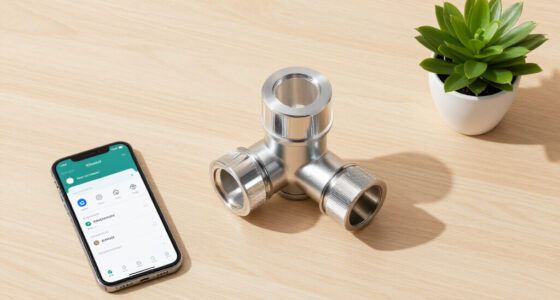
Lego resale price estimation device
As an affiliate, we earn on qualifying purchases.
As an affiliate, we earn on qualifying purchases.
Next Steps for Validation and Launch
Developers plan to complete manual validation with more collectors and refine the algorithm based on test results. If the tool demonstrates reliable accuracy, a beta release for broader testing could follow within the next few months. Further, user feedback will shape features like part identification and price suggestions, aiming for a commercial launch soon after.
As an affiliate, we earn on qualifying purchases.
Key Questions
How accurate is the photo value scanner expected to be?
The accuracy is still being tested; initial validation involves comparing app estimates with actual sale prices. Final reliability will depend on ongoing refinements during testing.
Will the app identify specific Lego parts?
Initial versions focus on estimating overall pile value and highlighting high-value parts, but detailed part identification is a future development goal.
How much will the service cost?
The developers plan to charge via subscription or per-scan fee, but specific pricing has not yet been announced.
When will the app be available to the public?
A broader release is expected after successful validation and refinement, possibly within the next few months.
Could this tool disrupt existing resale platforms?
Yes, by providing quick, automated valuations, it could make selling loose bricks more accessible and efficient, potentially changing how transactions are conducted online.
Source: IdeaNavigator AI
Fall Picks
fall essentials
As an affiliate, we earn on qualifying purchases.
![Douglas Hofstadter: Analogy As The Core Of Cognition [Video]](https://micronomicon.com/wp-content/uploads/2026/09/douglas-hofstadter-analogy-as-the-core-of-cognition-video-featured-560x300.jpg)