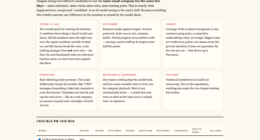

🔍 Read the full analysis: AI And Our Destiny: Twelve Rooms Of Exploration At The Observatory on ThorstenMeyerAI.com

Prime made for students and young adults
- Fast, free delivery for dorm and study essentials
- Prime Video and Amazon Music included
- Member-only deals
TL;DR
The Observatory launches an interactive experience examining twelve crucial questions about AI’s future, including trust, ethics, jobs, and privacy. The event aims to inform public understanding and debate.
The Observatory has launched ‘AI and Our Destiny,’ an interactive online exhibit that explores twelve fundamental questions about artificial intelligence and its future impact on society. The experience is accessible on any device, with no sign-up or tracking, aiming to inform the public and foster informed debate about AI’s role in our lives.
The exhibit, part of the ongoing Inside AI series, presents twelve ‘rooms,’ each dedicated to a specific question about AI, such as trustworthiness of AI-generated content, ethical considerations of AI learning from artists, privacy issues related to facial recognition, and economic impacts on jobs. Users can navigate these rooms in their browser, engaging with evidence, different viewpoints, and interactive tools.
Among the key features is a focus on content credentials, which aim to verify the origin and edits of images and videos, addressing concerns about misinformation and deepfakes. The exhibit also discusses legal disputes over AI training data, such as copyright issues faced by AI art generators, and highlights the limitations and errors of current facial recognition systems, including wrongful arrests and racial biases.
The launch of this exhibit coincides with growing public interest and concern over AI’s societal implications, emphasizing transparency, accountability, and ethical use. The exhibit is designed to be a resource for both general audiences and policymakers, providing evidence-based insights and encouraging critical thinking about AI’s future.
AI and Our Destiny: Twelve Rooms of Exploration
An interactive online exhibit examining twelve fundamental questions about artificial intelligence — trust, ethics, privacy, and livelihoods. Accessible on any device, with no sign-up and no tracking, built to inform the public and foster real debate about AI’s role in our lives.
The Twelve Rooms at a Glance
Can We Trust AI Content?
Scrutinising the trustworthiness of AI-generated text, images and video in everyday information flows.
Content Credentials
Verifying the origin and edits of media to combat misinformation and deepfakes — and their limits.
Learning From Artists
Ethical questions around AI models trained on creative work without consent or compensation.
Copyright in Court
Legal disputes over training data: fair-use defences versus rulings in favour of artists and publishers.
Facial Recognition & Privacy
How surveillance technologies collect and use our faces — and who watches the watchers.
When Faces Fail
Documented wrongful arrests and racial bias in facial recognition error rates and misidentifications.
Jobs & Automation
Economic impacts of AI on work: displacement, productivity gains, and shifting labour markets.
Deepfake Proliferation
How synthetic media spreads, the challenge of watermarks and seals, and how they can be faked.
Transparency & Accountability
Why opaque AI systems erode trust, and what verifiable, explainable practices should look like.
Global Regulation
Strict rules in some regions, permissive approaches in others — a patchwork of AI governance.
Evidence & Viewpoints
Interactive tools that let visitors weigh competing perspectives rather than accept single answers.
Our Shared Destiny
AI’s trajectory remains unpredictable — this room invites reflection on the future we choose.
Why This Exploration Matters
An Accessible Platform for Debate
- Translates complex AI issues — trust, ethics, privacy, economics — into an engaging public format.
- Encourages critical engagement, helping users recognise the limitations and risks of AI.
- Empowers citizens, regulators and developers to participate meaningfully in policy discussions.
AI’s Growing Societal Role
- Rapid advances in image, video and recognition tech have intensified public concern.
- Debates over misinformation, privacy breaches and job displacement continue to grow.
- The Inside AI series previously explored these themes via virtual museums, engineering insights and AI towers.
How the Exhibit Works
Enter Freely
Open in any browser — no registration, no tracking, no barriers to entry.
Explore the Rooms
Navigate twelve themed rooms, each anchored to one crucial question about AI.
Weigh the Evidence
Engage with data, competing viewpoints and interactive verification tools.
Join the Debate
Reflect, give feedback, and carry informed thinking into public discussion.
“Our goal is to empower the public with knowledge and critical tools to navigate AI’s complex landscape, fostering informed debate and responsible use.”
— Thorsten Meyer, Curator of The ObservatoryOpen Questions About AI’s Future
Frequently Asked
What is the purpose of the ‘Twelve Rooms’ exhibit?
To educate the public about twelve key questions on AI’s societal impact, offering evidence, different viewpoints and interactive tools to foster informed understanding and debate.
How does the exhibit address misinformation and deepfakes?
It highlights content credentials that verify the origin and edits of images and videos — while candidly discussing the limits and potential faking of watermarks and seals.
What legal issues surround AI training data?
Disputes involve copyright and fair use: some courts have ruled for artists’ rights while others treat AI training as fair use. The exhibit lays out these cases and ongoing debates.
Can I participate or contribute?
Yes — the exhibit is accessible online without sign-up. Users explore the rooms, reflect on the issues, and are encouraged to share feedback via the platform.
What limitations of current AI systems are highlighted?
Current systems can misidentify faces, spread misinformation, and often lack transparency and accountability — gaps the exhibit aims to make visible and discussable.
What comes next after the launch?
Regular updates with new evidence and legal cases, plus workshops, online discussions and collaborations with AI researchers and artists to deepen public understanding.
Why the Interactive Exploration Matters for Society
This initiative is significant because it provides a comprehensive, accessible platform for the public to understand complex issues surrounding AI, such as trust, ethics, privacy, and economic impact. By engaging users directly, it aims to foster informed debate and responsible policymaking. As AI becomes increasingly integrated into daily life, understanding these questions is essential for citizens, regulators, and developers alike.
Moreover, the exhibit’s emphasis on transparency—like content credentials and legal disputes—addresses urgent concerns about misinformation and accountability, which are critical for maintaining public trust in AI technologies. Its interactive format encourages critical engagement, helping users recognize the limitations and potential risks of AI, and empowering them to participate meaningfully in societal discussions.
As an affiliate, we earn on qualifying purchases.
Background on AI’s Growing Societal Role
Over recent years, AI has advanced rapidly, impacting areas from image and video creation to facial recognition and economic productivity. Public debates have intensified over issues like AI-generated misinformation, privacy breaches, job displacement, and ethical use of data. Regulatory responses vary globally, with some regions implementing strict rules while others adopt a more permissive approach.
The Inside AI series, of which this exhibit is a part, has previously explored related themes through virtual museums, engineering insights, and AI towers. The current launch reflects ongoing efforts to educate and involve the public in understanding AI’s multifaceted impacts, especially as recent developments have heightened concerns about misinformation, privacy, and AI’s economic influence.
Legal disputes over AI training data, such as copyright issues involving artists and publishers, exemplify the complex interplay between innovation and rights. Meanwhile, technical limitations—like facial recognition errors and deepfake proliferation—highlight the need for transparent, verifiable AI practices. The Observatory’s new exhibit aims to synthesize these issues into an accessible, engaging format.
“Our goal is to empower the public with knowledge and critical tools to navigate AI’s complex landscape, fostering informed debate and responsible use.”
— Thorsten Meyer, curator of The Observatory
facial recognition privacy protection
As an affiliate, we earn on qualifying purchases.
As an affiliate, we earn on qualifying purchases.
Unresolved Questions About AI’s Future Impact
While the exhibit provides evidence and viewpoints on many issues, several questions remain open. It is still unclear how effective content verification tools will become at combatting misinformation, or how regulations will evolve globally to address AI training data rights. The long-term societal effects of AI-driven automation and economic shifts are also uncertain, with experts offering differing predictions.
Additionally, the accuracy and fairness of facial recognition systems continue to be debated, with some incidents highlighting persistent biases and errors. The exhibit presents current data and controversies but acknowledges that AI’s trajectory remains unpredictable and subject to future developments.
As an affiliate, we earn on qualifying purchases.
Next Steps for Public Engagement and Policy Development
Following the launch, the Observatory plans to update the exhibit regularly with new evidence, legal cases, and technological developments. It aims to serve as a resource for educators, policymakers, and the public to stay informed about AI’s evolving landscape.
Future initiatives include workshops, online discussions, and collaborations with AI researchers and artists to deepen understanding and address emerging issues. Policymakers are encouraged to use insights from the exhibit to inform regulations, especially concerning transparency, privacy, and ethical AI use.
As AI continues to advance, ongoing public engagement will be crucial to shape responsible development and ensure societal benefits outweigh risks.
As an affiliate, we earn on qualifying purchases.
Key Questions
What is the purpose of the ‘Twelve Rooms’ exhibit at The Observatory?
The exhibit aims to educate the public about twelve key questions concerning AI’s societal impact, offering evidence, different viewpoints, and interactive tools to foster informed understanding and debate.
How does the exhibit address concerns about misinformation and deepfakes?
It highlights the use of content credentials to verify the origin and edits of images and videos, and discusses the limitations and potential for faking or removing watermarks and seals.
What legal issues are associated with AI training data?
Disputes involve copyright and fair use, with some courts ruling in favor of artists’ rights and others considering AI training as fair use. The exhibit presents these cases and ongoing debates.
Can I participate or contribute to the exhibit?
The exhibit is accessible online without sign-up, allowing users to explore the rooms and reflect on the issues. Feedback and further engagement are encouraged via the platform.
What are the limitations of current AI systems highlighted in the exhibit?
Current AI systems can make errors, such as misidentifying faces or spreading misinformation, and often lack transparency and accountability, which the exhibit aims to address.
Source: ThorstenMeyerAI.com
Fall Picks
fall essentials
As an affiliate, we earn on qualifying purchases.