
TL;DR
A magnitude 6.7 earthquake struck the Scotia Sea today, according to USGS. No immediate damage reports have emerged, but scientists are monitoring for potential aftershocks and effects.
A magnitude 6.7 earthquake was registered in the Scotia Sea today, according to the United States Geological Survey (USGS). The event, which occurred at approximately 10:15 UTC, is the largest seismic activity in the Caspian Sea, Oceans (General), Oceans Surges In Global Coverage region in recent years. There are currently no reports of damage, injuries, or casualties, but authorities are monitoring the situation closely.
The earthquake’s epicenter was located roughly 250 kilometers south of the South Georgia Islands, at a depth of approximately 15 kilometers. The USGS has issued a preliminary assessment indicating that the quake was strong enough to be felt in nearby maritime areas, but no tsunami warning has been issued so far. Seismologists emphasize that aftershocks could follow in the coming hours or days, which may pose additional risks, similar to the seismic activity observed in the Caspian Sea region.
Local authorities and scientific agencies are gathering data to determine if there has been any impact on marine ecosystems or nearby islands, especially in areas like the North Sea, Oceans (General), Oceans Surges In Global Coverage. No immediate reports of structural damage or disruptions to maritime activities have been received. The event’s timing and location suggest it is part of the ongoing tectonic activity along the Scotia Plate, a seismically active zone between South America and Antarctica.
Why the Scotia Sea Earthquake Matters
This seismic event underscores the ongoing tectonic activity in the Scotia Sea, a region known for frequent earthquakes. While no damage has been reported, the quake highlights the potential for larger, more damaging events in the future. It also draws attention to the importance of monitoring remote seismic zones that could impact maritime routes, scientific research stations, or nearby islands.
Understanding this earthquake helps scientists refine models of regional seismic risk, which is vital for preparedness and hazard mitigation efforts in the South Atlantic and Southern Ocean areas. The event also serves as a reminder of the dynamic nature of Earth’s crust beneath remote oceanic regions, which are less studied but still pose risks to global stability and local ecosystems.

Ready America 70280 Emergency 2-Person 3-Day Survival Backpack
- Emergency Kit for 2 People: Provides 3-day survival supplies
- Includes 33-Piece First Aid Kit: Treat minor injuries easily
- Food and Water Supplies: 2400-calorie food bars and water pouches
As an affiliate, we earn on qualifying purchases.
As an affiliate, we earn on qualifying purchases.
Seismic Activity in the Scotia Sea Region
The Scotia Sea is part of the complex tectonic boundary between the South American Plate and the Antarctic Plate. It is characterized by frequent seismic activity, including earthquakes and volcanic eruptions, driven by the movement of these plates. Historically, the region has experienced several notable earthquakes, but most have been of moderate magnitude.
The last significant quake in the area occurred in 2019, measuring around magnitude 6.5. The current event, with a magnitude of 6.7, is within the expected range of seismic activity for this tectonic zone. Scientists note that the Scotia Plate’s boundaries are still actively deforming, which sustains the ongoing seismicity.
“This earthquake confirms the persistent tectonic activity along the Scotia Plate, and while it caused no immediate damage, it reminds us of the region’s seismic potential.”
— Dr. Maria Lopez, seismologist at the University of Buenos Aires

Uvex Seismic Black Frame, Clear Lens, Hydroshield Anti-Fog Coating (S0600HS)
- Lens Material: Polycarbonate with anti-fog and scratch coatings
- Comfort Features: Face cushioning, padded temple tips, adjustable headband
- Material Safety: Latex-free subframe, seal, and headband
As an affiliate, we earn on qualifying purchases.
As an affiliate, we earn on qualifying purchases.
Unresolved Questions About Aftershocks and Impact
It is not yet clear whether the earthquake will trigger significant aftershocks or if there has been any impact on marine ecosystems or nearby islands. Assessments are ongoing, and detailed damage reports are pending from local authorities and scientific teams.
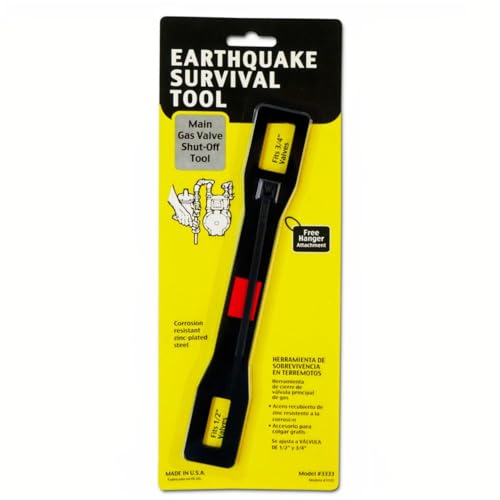
Ready America 3333 Earthquake Survival Tool, Emergency Gas Shut Off Wrench , Black
- Main Gas Shut Off Tool: Emergency gas shut off wrench
- Easy To Use: Simple and user-friendly design
- Manufactured in US: Made in the United States
As an affiliate, we earn on qualifying purchases.
As an affiliate, we earn on qualifying purchases.
Monitoring and Further Data Collection Expected
Scientists will continue to monitor seismic activity in the Scotia Sea, focusing on aftershock sequences and potential impacts. Authorities are expected to issue updated reports as more data becomes available, and maritime agencies will assess any risks to shipping or research operations in the region.
marine seismic monitoring equipment
As an affiliate, we earn on qualifying purchases.
As an affiliate, we earn on qualifying purchases.
Key Questions
Was there any damage caused by the earthquake?
Currently, no damage reports have been received. Authorities are monitoring the situation for any emerging impacts.
Could this earthquake trigger a tsunami?
No tsunami warning has been issued so far. The earthquake’s depth and location make a tsunami unlikely at this stage.
Is this earthquake unusual for the Scotia Sea?
No, seismic activity in this region is common, with similar magnitude earthquakes occurring periodically due to tectonic plate movements.
What should nearby maritime operators do?
Operators should stay updated through official advisories and prepare for possible aftershocks. No immediate danger has been confirmed.
When will more information be available?
Further assessments and detailed reports are expected within the next 24 to 48 hours as scientists analyze seismic data and conduct field evaluations.
Source: hazard