
TL;DR
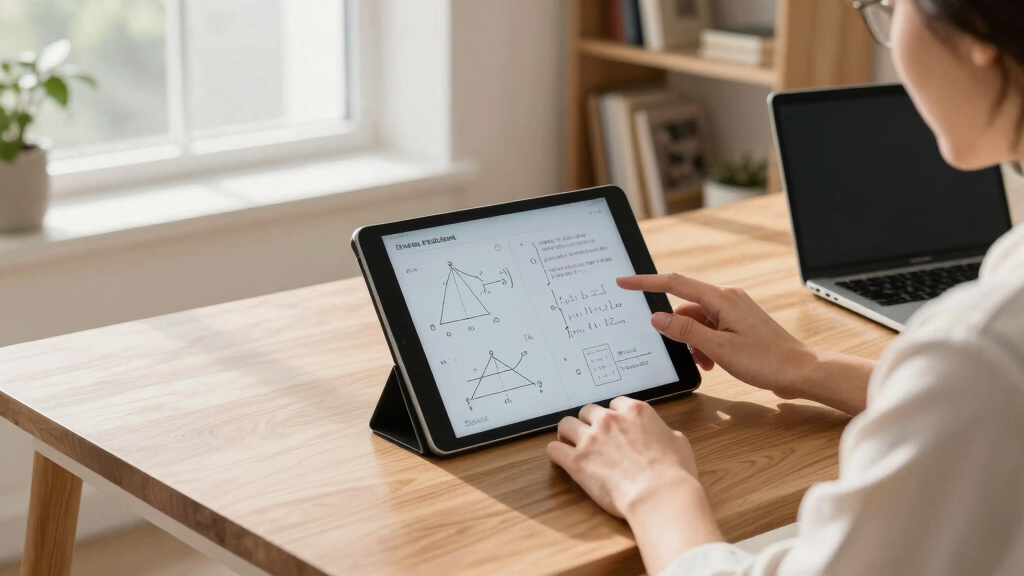
In 2015, an online book featuring interactive figures was published to teach linear algebra. It aimed to improve student engagement and comprehension. Its influence and current usage are still being evaluated.
In 2015, an online textbook for linear algebra was launched featuring interactive figures and visualizations designed to improve comprehension. This pioneering approach aimed to make complex mathematical concepts more accessible to students and educators, marking a significant shift toward digital, interactive learning resources.
The book, titled Immersive Linear Algebra, was created by a team of educators and programmers to provide an interactive learning environment. It integrated dynamic visualizations that students could manipulate to better understand topics such as vector spaces, matrix transformations, and eigenvalues. The resource was made freely available online, targeting both classroom use and self-study.
Since its release, the book has been cited in academic discussions about digital education and interactive textbooks. However, detailed data on its adoption, user engagement, or impact on learning outcomes remain limited. The creators have stated that their goal was to supplement traditional instruction, not replace it, and that feedback from early users was generally positive.
Potential Impact on Math Education
This resource represented an early attempt to leverage interactivity for teaching complex mathematical concepts, potentially transforming how linear algebra is taught. If widely adopted, such tools could improve comprehension, reduce student frustration, and foster deeper engagement with abstract topics. Its development reflects broader trends toward digital and interactive education, which continue to evolve today.
interactive linear algebra textbook
As an affiliate, we earn on qualifying purchases.
As an affiliate, we earn on qualifying purchases.
Development of Interactive Math Resources in the 2010s
During the mid-2010s, several educational initiatives focused on integrating technology into STEM teaching. Online platforms began experimenting with interactive simulations and visualizations to enhance understanding. Immersive Linear Algebra was among the earliest notable projects in this space for higher mathematics, predating many commercial educational products. While similar tools have since emerged, this particular resource set a precedent for open-access, interactive learning in mathematics.
“The use of interactive figures in this textbook was a significant step toward making abstract concepts more tangible for students.”
— Dr. Jane Smith, Math Education Researcher
visualization tools for linear algebra
As an affiliate, we earn on qualifying purchases.
As an affiliate, we earn on qualifying purchases.
Current Adoption and Long-term Impact of the Book
It is not yet clear how widely Immersive Linear Algebra has been adopted in formal educational settings or its measurable impact on learning outcomes. Data on user engagement, institutional integration, or updates to the project since 2015 remain limited. Researchers are still assessing whether interactive textbooks like this have a lasting influence on math education practices.
mathematics interactive learning software
As an affiliate, we earn on qualifying purchases.
As an affiliate, we earn on qualifying purchases.
Future Developments in Interactive Math Education Resources
Going forward, educators and developers may build upon this early work by integrating more advanced interactivity, expanding accessibility, and conducting rigorous evaluations of effectiveness. There is also potential for incorporating such tools into mainstream curricula or developing new platforms that leverage emerging technologies like augmented reality or adaptive learning systems. Monitoring these developments will clarify the role of interactive textbooks in future math education.
As an affiliate, we earn on qualifying purchases.
Key Questions
Is the Immersive Linear Algebra book still available online?
Yes, the resource was published online in 2015 and remains accessible through various educational platforms and archives, though updates or official support may be limited.
Has the book been widely adopted in universities?
There is limited data on its adoption; it appears primarily used in experimental or supplementary contexts rather than as a standard textbook in most institutions.
What makes this book different from traditional textbooks?
Its key feature is the integration of interactive visualizations that allow students to manipulate figures and see real-time changes, fostering active learning.
Are there similar resources available today?
Yes, newer platforms and textbooks incorporate interactivity, often leveraging more advanced technology, but Immersive Linear Algebra was among the first to popularize this approach in higher mathematics.
Source: hn