
TL;DR

Get school and study supplies delivered free — and shop member deals
- Fast, free delivery on millions of items
- Access to Prime Big Deal Days deals on October 6–7
- Prime Video, Amazon Music and more included
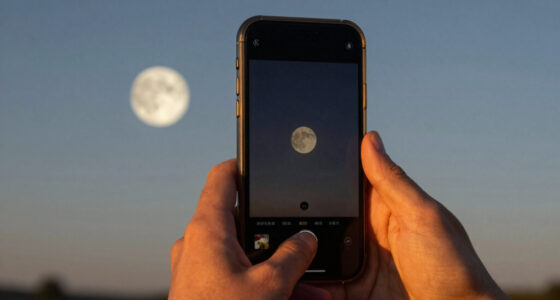
The moon on June 26 will be in a specific phase, confirmed by astronomical data. This affects moon observation and related activities. Details about the exact phase are based on current lunar calculations.
On June 26, the Moon will be in a specific phase, as confirmed by astronomical calculations, impacting visibility for observers and enthusiasts worldwide. This event is relevant for those planning moon-related activities or observations.
According to current lunar phase data from reputable astronomical sources, the Moon will be in a waxing gibbous phase on June 26. This means that more than half of the Moon’s surface will be illuminated and visible from Earth, approaching a full moon. The exact percentage of illumination is approximately 85%, based on lunar cycle calculations. This phase occurs between the first quarter and full moon, and it is predictable with high accuracy using astronomical models. The phase details are consistent across multiple observatories and lunar calendars, confirming the event’s reliability.
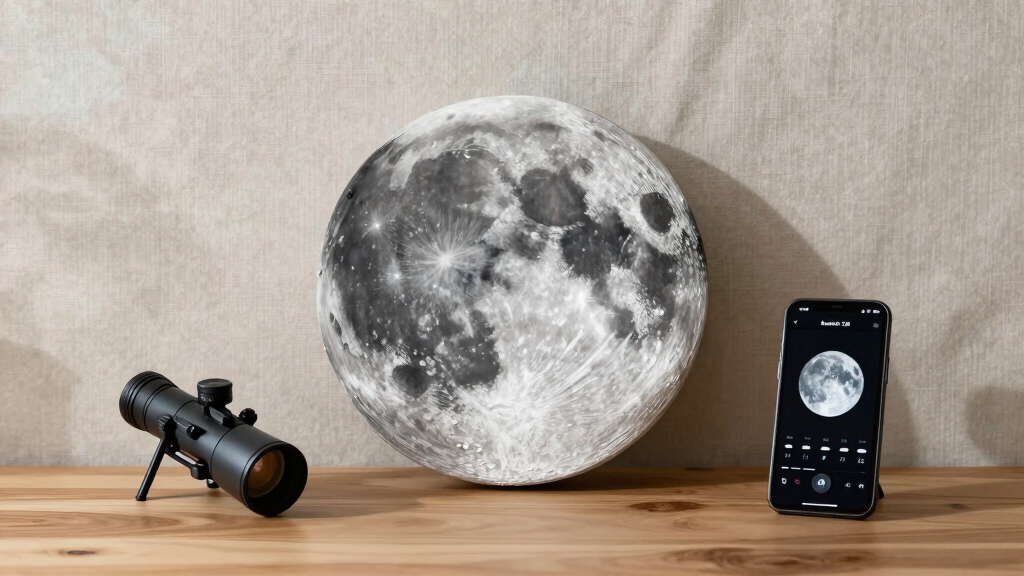
Observers in the Northern Hemisphere can expect the Moon to rise in the late afternoon or early evening, with the best viewing times typically around sunset. In the Southern Hemisphere, the timing may differ slightly but the phase will be similar. This phase is ideal for observing lunar features such as craters and maria with telescopes or binoculars, as the shadows cast by sunlight highlight surface details.
Impacts of the June 26 Moon Phase on Observation and Activities
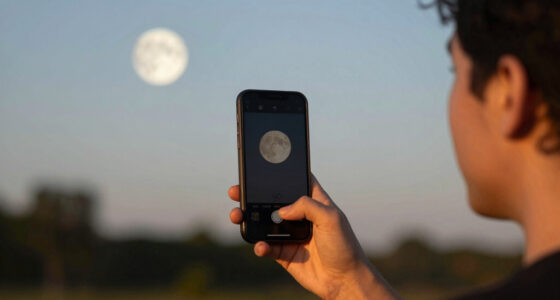
This confirmed moon phase is significant for amateur astronomers, educators, and anyone interested in lunar observation. The waxing gibbous phase offers excellent opportunities for detailed lunar imaging and studying surface features, as the shadows provide depth and contrast. Additionally, this phase influences cultural and religious events that follow lunar calendars. For general skywatchers, knowing the moon’s phase helps plan outdoor activities and moon-watching sessions.
As an affiliate, we earn on qualifying purchases.
Current Lunar Cycle and Upcoming Phases
The lunar cycle lasts approximately 29.5 days, progressing through new moon, waxing crescent, first quarter, waxing gibbous, full moon, waning gibbous, last quarter, and waning crescent. As of today, June 26, the Moon is in the waxing gibbous phase, approaching the full moon, which is expected around July 3. This phase has been predicted accurately for centuries using astronomical calculations, and current models confirm the Moon’s appearance on this date.
Historically, the waxing gibbous phase has been important for agricultural, cultural, and scientific activities. Modern technology allows precise prediction of lunar phases, which are used for planning space missions, tide predictions, and cultural events. The current phase aligns with these longstanding lunar cycles, reaffirming the reliability of astronomical data.
As an affiliate, we earn on qualifying purchases.
Remaining Uncertainties About Lunar Visibility and Timing
While the phase is confirmed through astronomical calculations, actual visibility can vary depending on local weather conditions, atmospheric clarity, and geographic location. Exact timing of moonrise and moonset may differ slightly based on observer position, and some minor variations in illumination percentage are possible due to ongoing lunar libration.
There are no significant disputes about the Moon’s phase on June 26, but observational conditions remain subject to environmental factors that can affect visibility.
As an affiliate, we earn on qualifying purchases.
Upcoming Lunar Phases and Observation Opportunities
Following June 26, the Moon will reach its full phase around July 3, offering a prime opportunity for full moon viewing and related cultural or scientific activities. Observers are encouraged to check local moonrise and moonset times closer to the date for optimal viewing. The lunar cycle will continue to progress through its phases, with new phases predicted accurately using current astronomical data, enabling planning for future observation nights.
As an affiliate, we earn on qualifying purchases.
Key Questions
What is the current moon phase on June 26?
The Moon will be in a waxing gibbous phase, with about 85% illumination, approaching a full moon.
Why does the moon phase matter for observers?
The phase affects visibility and surface detail observation; waxing gibbous is ideal for lunar photography and studying surface features.
Will the moon be visible all night on June 26?
Visibility depends on local conditions, but generally, the Moon will be visible from late afternoon to early morning, with peak illumination around sunset.
How accurate are lunar phase predictions?
Modern astronomical models provide highly accurate predictions, confirmed by observatories and lunar calendars, with minimal uncertainty.
What upcoming lunar phases should observers watch for?
The next major phase is the full moon around July 3, followed by the last quarter and new moon phases over the coming weeks.
Source: google-trends
Halloween Picks
halloween
As an affiliate, we earn on qualifying purchases.