
TL;DR

Prime made for students and young adults
- Fast, free delivery for dorm and study essentials
- Prime Video and Amazon Music included
- Member-only deals
June’s Strawberry Moon will be a rare full moon event with unique brightness and a special astronomical alignment. It is the first such occurrence in several years, drawing interest from skywatchers and astronomers.
The June 2026 Strawberry Moon will be unlike any other full moon in recent memory, featuring an unusually high brightness and a rare alignment of celestial bodies. This event is significant for skywatchers and astronomers, as it marks a rare occurrence that has not been seen in several years.
The June 2026 full moon, commonly called the Strawberry Moon, will appear brighter and more vivid than typical full moons due to a combination of astronomical factors. Experts from NASA and various astronomical observatories confirm that this full moon will coincide with a specific lunar orbit position, enhancing its brightness and visual impact. Additionally, a rare alignment involving the Earth, Moon, and Sun will make this moon appear larger and more striking in the night sky. This event is expected to attract a surge of interest among skywatchers, photographers, and astronomers worldwide.
Scientists explain that the moon’s increased brightness is partly due to its proximity to Earth during this phase, known as perigee, combined with atmospheric conditions that favor clearer views. The alignment, known as a ‘supermoon,’ occurs when the full moon coincides with its closest approach to Earth, amplifying its size and luminosity. The last similar event was in 2016, and the next is not expected until 2030, making this a rare opportunity for observation.
Why This Full Moon Is a Rare Astronomical Event
This event matters because it offers a rare visual spectacle and provides opportunities for scientific observation. The enhanced brightness and size of the moon can improve our understanding of lunar and atmospheric phenomena. For amateur skywatchers, it offers a unique chance to witness a celestial event that occurs infrequently, fostering increased public interest in astronomy. Moreover, the alignment may influence tidal patterns slightly, though no major effects are expected.
As an affiliate, we earn on qualifying purchases.
Historical and Astronomical Context of the Strawberry Moon
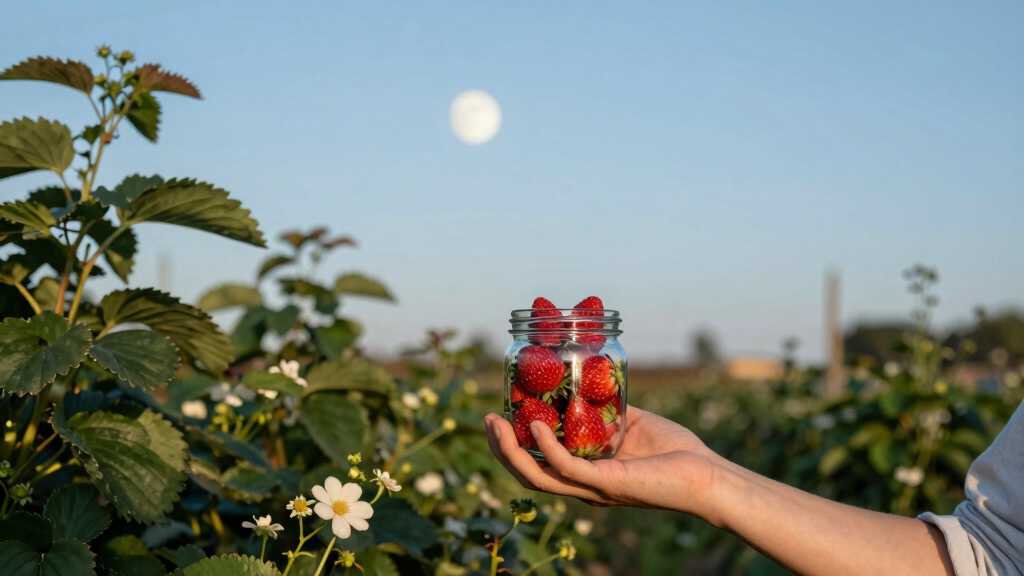
The term ‘Strawberry Moon’ originates from Indigenous and colonial American traditions, referring to the time of harvest for strawberries in June. Astronomically, full moons occur roughly once a month, but only a few are classified as supermoons—when the moon is at perigee and appears larger and brighter. The last notable supermoon was in 2016, and the next is anticipated in 2030. This year’s event is distinguished by its specific orbital alignment and brightness, making it particularly notable among recent full moon occurrences.
Experts note that the combination of the moon’s proximity and atmospheric conditions creates an optimal viewing window, which is why it appears especially prominent this June. The event has been predicted and studied for months, with observatories preparing special viewing advisories.
“I’ve been observing full moons for years, and this one looks exceptionally bright and large. It’s a perfect chance to capture stunning photos.”
— John Ramirez, amateur astronomer
As an affiliate, we earn on qualifying purchases.
Unconfirmed Effects and Future Occurrences
While the brightness and size of the moon are confirmed to be enhanced, it is not yet clear whether this event will have any significant effects on tides or atmospheric conditions. Some claims suggest increased tidal activity, but experts state that any impact will be minimal and within normal variability. Additionally, it is uncertain whether atmospheric conditions will be optimal for viewing in all regions, as weather can vary significantly.
As an affiliate, we earn on qualifying purchases.
Upcoming Opportunities to Observe and Study the Moon
Observers are encouraged to view the moon during its peak appearance in early June, ideally with clear skies. Astronomers and observatories may host special viewing events or provide live streams. Scientists will also analyze data collected during this event to better understand lunar orbit variations and atmospheric effects. The next similar event is expected in 2030, but this year’s occurrence remains a unique chance for observation and study.
astronomy binoculars for stargazing
As an affiliate, we earn on qualifying purchases.
As an affiliate, we earn on qualifying purchases.
Key Questions
When will the June Strawberry Moon be visible?
The full moon will be most prominent in the night sky around early June 2026, with peak brightness expected during the first week of the month.
Why is it called the Strawberry Moon?
The name originates from Indigenous North American traditions, marking the time when strawberries are harvested in June.
Will this moon be significantly larger than usual?
Yes, because it coincides with the moon’s perigee, it will appear larger and brighter, a phenomenon known as a supermoon.
No major safety concerns are linked to this event. Minor effects on tides are expected but are within normal ranges and pose no significant risk.
How can I best view or photograph this moon?
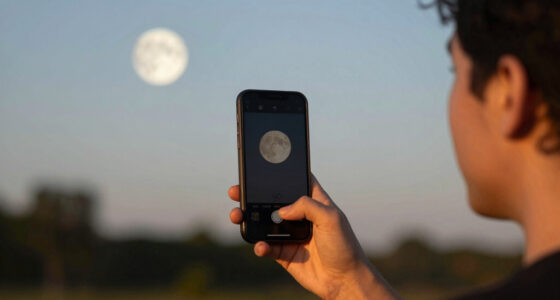
For optimal viewing, find a location with minimal light pollution and clear skies. Use a camera with a zoom lens for best photographs, and check local weather forecasts for the best viewing conditions.
Source: google-trends
Fall Picks
fall essentials
As an affiliate, we earn on qualifying purchases.