
TL;DR
The 2026 summer solstice occurs on June 21, marking the longest daylight period of the year. It’s a significant astronomical event celebrated worldwide, with some aspects still awaiting precise confirmation.
The summer solstice in 2026 will occur on June 21, marking the longest day of the year with the most daylight hours for the Northern Hemisphere. This event is a key astronomical and cultural milestone, celebrated worldwide for its significance and brightness. The exact timing is confirmed, but local variations in sunrise and sunset times mean the experience may differ by location.
According to astronomical sources, the summer solstice in 2026 will take place on June 21, at approximately 11:57 UTC. This date and time are based on Earth’s position relative to the Sun, when the North Pole is tilted most directly toward the Sun. The event signifies the start of summer in the Northern Hemisphere and the longest period of daylight, lasting roughly 15 to 16 hours depending on geographic location. Many cultures historically observe this day with festivals and rituals, emphasizing its importance as a seasonal marker. It is also a popular time for stargazing and outdoor activities, given the extended daylight hours.
Why the 2026 Summer Solstice Matters for People Worldwide
The summer solstice holds cultural, astronomical, and environmental significance. It marks the peak of daylight hours, affecting daily routines and biological rhythms. For many cultures, it is a time of celebration and reflection, with festivals dating back thousands of years. Scientifically, it provides an important reference point for understanding Earth’s axial tilt and orbit. Additionally, in the context of climate change, understanding seasonal shifts like the solstice helps monitor environmental changes and their impact on ecosystems and human activities.

Summer Solstice Festival Retro T-Shirt
- Design: Funny sun for Summer Solstice
- Occasions: Perfect for summer festivals and celebrations
- Gift Idea: Great for astrology and pagan enthusiasts
As an affiliate, we earn on qualifying purchases.
As an affiliate, we earn on qualifying purchases.
Historical and Astronomical Context of the 2026 Solstice
The summer solstice occurs when the Sun reaches its highest point in the sky at noon, directly over the Tropic of Cancer. This event happens twice a year—once in June and once in December—corresponding to the solstices. The 2026 solstice is part of Earth’s regular orbital cycle, which repeats annually but shifts slightly due to leap years and orbital variations. Historically, civilizations such as the ancient Egyptians, Mayans, and Druids celebrated this day with elaborate rituals. Modern observances continue worldwide, often combined with cultural festivals and outdoor gatherings.
“Many cultures have celebrated the solstice for millennia, viewing it as a time of renewal and abundance.”
— Cultural historian Dr. Mark Johnson
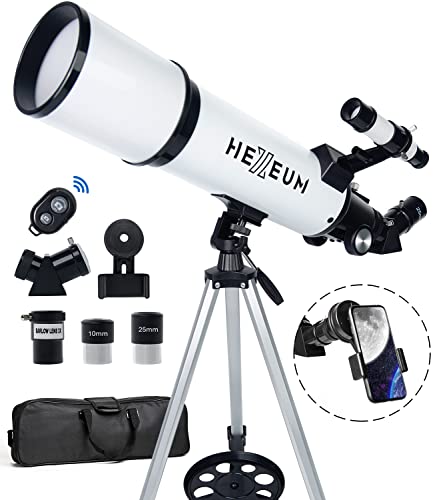
Koolpte 80mm 600mm Telescope for Adults & Beginners, AZ Mount Stargazing
- Magnification Options: 24X, 60X, and up to 180X with Barlow lens
- High-Quality Optics: 80mm aperture with coated lenses for brightness
- Portable Design: Includes phone adapter, tripod, remote, and bag
As an affiliate, we earn on qualifying purchases.
As an affiliate, we earn on qualifying purchases.
Variations and Uncertainties in Local Sunrise and Sunset Times
While the global timing of the solstice is confirmed, local sunrise and sunset times vary based on geographic location and atmospheric conditions. Exact experiences may differ for observers in different regions. Additionally, some sources report slight variations in the precise moment of the solstice due to Earth’s orbital eccentricities, but these are minor and well understood by astronomers.

Tuffenough Solar Outdoor Lights 2500LM 210 LED Security Lights with Remote Control,3 Heads Motion Sensor Lights, IP65 Waterproof,270° Wide Angle Flood Wall Lights with 3 Modes(2 Packs)
- Remote Control & Modes: Three adjustable lighting modes
- Bright LED Illumination: 2500 lumens high brightness output
- Wide Angle & Motion Detection: 270° illumination with 26ft sensing range
As an affiliate, we earn on qualifying purchases.
As an affiliate, we earn on qualifying purchases.
Upcoming Astronomical Events and Observations Post-Solstice
Following the 2026 solstice, the Sun will gradually begin its descent in the sky, leading to shorter days. The next major astronomical event is the July 2026 lunar eclipse, visible from parts of North America and Africa. Scientists and astronomers will continue to monitor Earth’s axial tilt and climate patterns, with many observing the seasonal shifts for environmental research. Public celebrations and educational events are also expected around the solstice date, emphasizing its cultural significance.

Summer Banner Decorations Hello Summer Banner Decorations End of Summer Solstice Party Decorations Schools Out for Summer Theme Decorations Summer Pool Party Decorations Summer Camp Decorations
- Includes One Summer Banner: Hawaiian and beach themed decoration
- Perfect for Tropical Parties: Ideal for luau, summer, and pool parties
- Eye-Catching Design: Features tiki, pineapple, and palm leaf motifs
As an affiliate, we earn on qualifying purchases.
As an affiliate, we earn on qualifying purchases.
Key Questions
When exactly will the 2026 summer solstice occur?
The solstice is expected to occur on June 21, 2026, at approximately 11:57 UTC, based on astronomical calculations.
Why is the summer solstice the longest day of the year?
It happens because Earth’s axial tilt causes the Sun to reach its highest position in the sky at noon, resulting in the maximum daylight hours in the Northern Hemisphere.
How do different regions experience the solstice?
While the date and time are consistent globally, local sunrise and sunset times vary depending on geographic location, affecting how the day is experienced locally.
Are there any cultural celebrations associated with the solstice?
Yes, many cultures celebrate the solstice with festivals, rituals, and gatherings that honor the changing seasons and natural cycles.
What scientific importance does the solstice have today?
The solstice helps scientists understand Earth’s orbit, axial tilt, and climate patterns, serving as a seasonal marker for various environmental and astronomical studies.
Source: google-trends