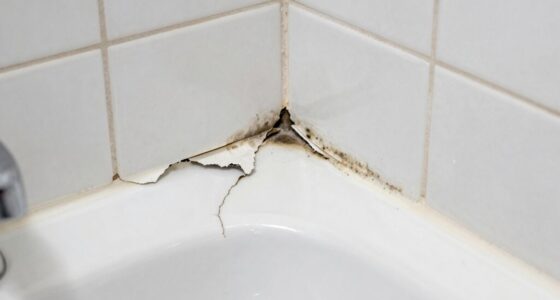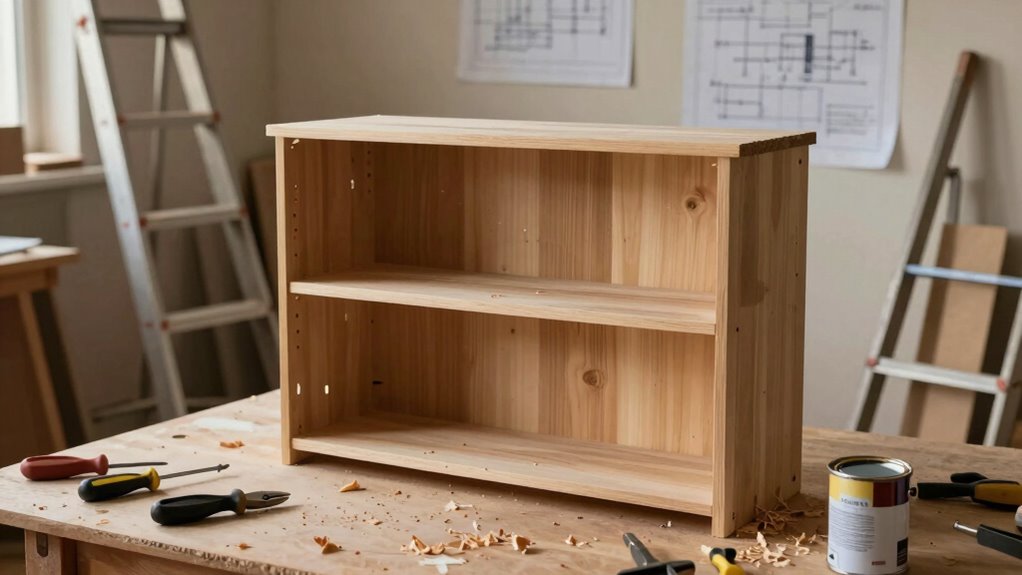

You often struggle at the finish because it requires extra attention to detail, proper material choices, and careful time management. Rushing through sanding, staining, or sealing leads to uneven, unprofessional results, while skipping steps or choosing cheap materials causes issues later on. It’s easy to overlook small but essential tasks that can undo all your hard work. If you keep going, you’ll discover the key tips to make your finishing flawless and truly impressive.
Prime for Young Adults — start your free trial
Fast free delivery, streaming and member deals for eligible 18–24 year olds.
As an affiliate, we earn on qualifying purchases.
Key Takeaways
- Rushing or skipping finishing steps leads to uneven, unprofessional results despite a solid build.
- Poor material choices cause adhesion issues and appearance problems during the final stages.
- Inadequate time management results in rushed finishing, affecting quality and durability.
- Overlooking small details like proper sanding or sealing can undo the effort of the build.
- Neglecting eco-friendly or suitable materials compromises project longevity and aesthetics.
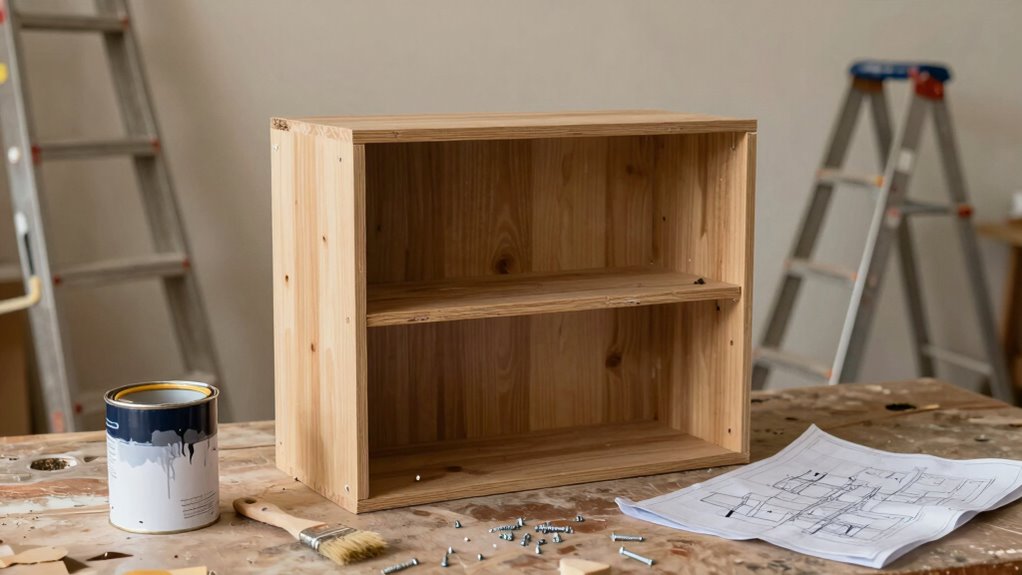
Many DIY enthusiasts find that their projects often stumble at the finishing stage, turning promising efforts into frustrating disappointments. You might spend hours building, shaping, and assembling, only to fall short when it’s time to add those final touches. The main culprits are often overlooked: material selection and poor time management. These small details, if neglected, can undo all your hard work and leave your project incomplete or poorly executed. Additionally, understanding the importance of biodiversity and sustainable materials can help you choose eco-friendly options that are both durable and environmentally responsible. Material selection plays an essential role in how your project turns out in the end. It’s tempting to choose cheap or readily available materials, but that decision can backfire during the finishing phase. For example, using low-quality paint or finishes might result in uneven coverage, drips, or an unprofessional look. Likewise, selecting the wrong type of wood or hardware can cause problems when it comes time to attach or finish parts. When you pick materials without considering their durability, compatibility, or appearance, you risk ending up with a project that looks unfinished or falls apart quickly. Take the time to research and select materials suited for your specific project, especially considering material durability and compatibility. Being aware of environmentally responsible choices can also guide you toward more sustainable options that enhance your project’s longevity. This upfront effort guarantees that the final coat of paint, sealant, or polish will adhere properly, giving your project a polished, professional look.
Time management is another vital factor that trips up many DIYers at the finish line. It’s easy to underestimate how long finishing tasks take, especially when you’re enthusiastic to see the finished product. Rushing through sanding, staining, or drying stages often results in subpar results that require rework or touch-ups. If you try to speed through the final steps, you might end up with smudges, streaks, or uneven finishes that diminish the overall quality. Better time management involves planning for each phase, allowing enough drying, curing, or settling time to achieve a smooth, flawless finish. It also means resisting the temptation to skip steps or push ahead when conditions aren’t ideal, such as painting in humid weather. A well-paced schedule helps you stay patient and attentive, ensuring each layer or coat is properly applied and dried before moving on. Moreover, allocating extra time for unforeseen delays can prevent rushed mistakes that compromise the final appearance.
In the end, finishing your DIY project isn’t just about applying the final coat or adding decorative touches. It’s about thoughtful material selection and disciplined time management. When you give these aspects the attention they deserve, you transform what could be a mediocre effort into a satisfying, professional-looking outcome. Don’t overlook these vital steps, because they’re what separate a project that’s merely functional from one that truly impresses. Pay close attention to your materials and plan your time wisely, and you’ll find that finishing your project becomes a rewarding part of the entire creative process.
As an affiliate, we earn on qualifying purchases.
Frequently Asked Questions
How Can I Prevent Common Finishing Mistakes?
To prevent common finishing mistakes, you should plan carefully and gather the right supplies. Avoid DIY pitfalls by sanding surfaces smoothly, applying primer, and using quality paint or stain. Take your time with each step, and don’t rush the drying process. Always follow manufacturer instructions, and do a small test patch first. These steps help you achieve a professional look and prevent finishing mistakes that often cause projects to fail at the end.
What Tools Are Essential for a Professional Finish?
Did you know that using the right tools boosts finishing success by 80%? To achieve a professional finish, you need quality brushes, sanding blocks, and a good paint sprayer. Focus on proper paint preparation, which guarantees smooth application. Mastering finishing techniques like feathering and glazing helps eliminate brush strokes and streaks. These essential tools and techniques guarantee your project looks polished and durable, elevating your DIY game considerably.
How Long Does a Typical Finish Last?
A typical finish lasts anywhere from a few years to a decade, depending on surface preparation and use. Proper surface prep guarantees the finish bonds well, boosting its durability. Regular maintenance, like cleaning and touch-ups, also prolongs its lifespan. If you take the time to prep surfaces thoroughly and choose quality materials, your DIY project’s finish will stay looking good longer, saving you time and money on repairs.
When Should I Hire a Professional for Finishing?
You should hire a professional for finishing when your finishing timeline is tight or if you’re unsure about achieving a smooth, durable result. Professionals can better estimate costs and guarantee quality, saving you time and money in the long run. If your project requires complex techniques or precise detailing, it’s wise to bring in experts who can handle the job efficiently and deliver a polished finish.
What Are Quick Fixes for a Flawed Finish?
To quickly fix a flawed finish, start with proper surface preparation—sand and clean the area thoroughly. Then, choose the right paint for your surface and project type. Apply a thin, even coat and let it dry completely before evaluating if another layer is needed. These steps can improve your finish efficiently, but if issues persist, consulting a professional might be the best move for a flawless outcome.
As an affiliate, we earn on qualifying purchases.
Conclusion
So, next time your DIY project hits a snag at the finish line, remember it’s often the little things—like patience and prep—that make all the difference. Don’t rush like a squire rushing to joust without a helmet; take your time, follow through, and you’ll end up proud of your work. With a bit more attention and care, you’ll avoid the “failing at the finish” trap and truly enjoy the satisfaction of completing your masterpiece, just like a true Renaissance artisan.
As an affiliate, we earn on qualifying purchases.
As an affiliate, we earn on qualifying purchases.
Fall yard work Picks
leaf blowers
As an affiliate, we earn on qualifying purchases.