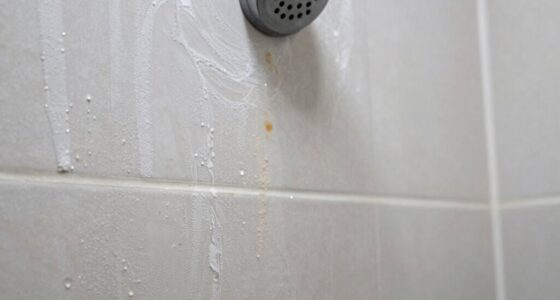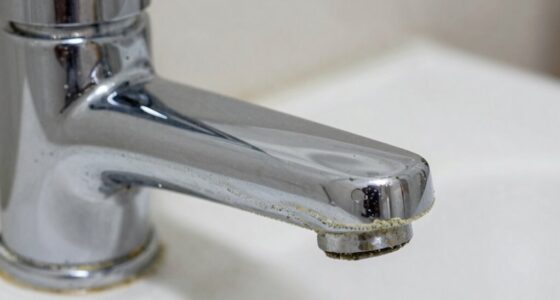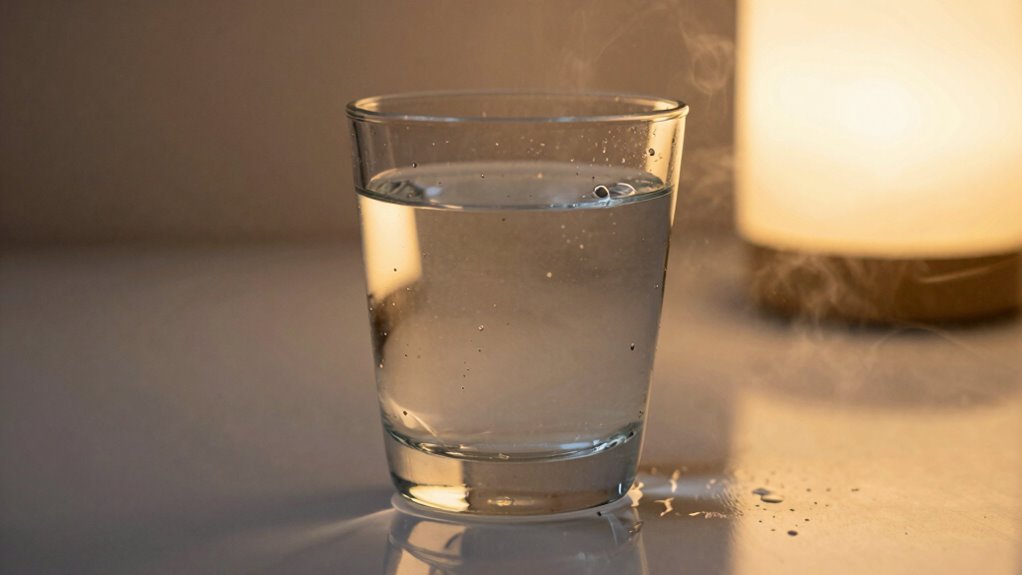

Water odors often change with temperature because warmer water boosts microbial growth and speeds up chemical reactions, which can produce stronger or different smells. At higher temperatures, gases like hydrogen sulfide are released more easily, creating rotten egg odors, while chemical reactions release earthy or metallic smells. Cooler water traps gases and slows microbial activity, reducing odors. If you stay curious, you’ll discover more about how these processes influence water’s smell over time.

Prime made for students and young adults
- Fast, free delivery for dorm and study essentials
- Prime Video and Amazon Music included
- Member-only deals
Key Takeaways
- Warmer water promotes microbial growth, especially sulfur-reducing bacteria, increasing odorous gas production.
- Increased temperature speeds up chemical reactions, such as mineral oxidation, causing earthy or metallic odors.
- Warm water’s lower gas solubility releases trapped gases, intensifying odors perceived by smell.
- Cooler water suppresses microbial activity and retains gases, often resulting in less noticeable odors.
- Temperature fluctuations alter microbial and chemical processes, leading to dynamic changes in water odor profiles.
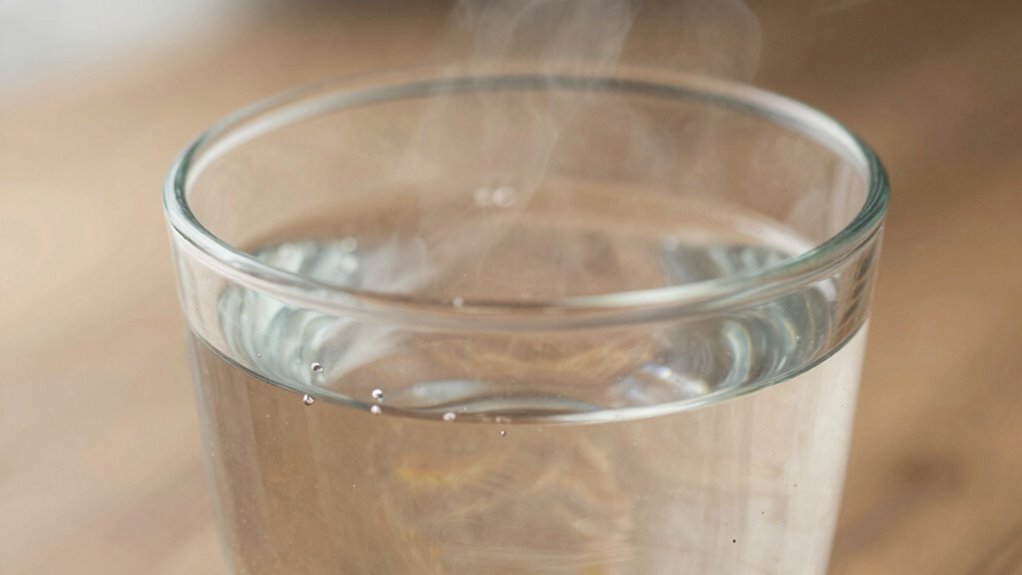
Have you ever noticed strange smells coming from your water or wondered why it feels unusually warm or cold? Water odors can change with temperature, and understanding why involves looking at how microbial growth and chemical reactions behave under different conditions. When water warms up, it creates an environment that encourages certain microbes to flourish. These microbes produce gases and compounds that often lead to unpleasant odors. For instance, bacteria like sulfur-reducing bacteria thrive in warmer water, releasing hydrogen sulfide—a gas known for its rotten egg smell. As the temperature drops, these bacteria become less active, and the odors they produce tend to fade or disappear altogether. Conversely, if water cools down, some microbial activity slows, but other types of bacteria or fungi may still grow, especially if the water is stagnant or contains organic matter. This dynamic microbial activity explains why odors can intensify or change with temperature shifts. Additionally, microbial activity is highly sensitive to environmental changes, further influencing water odors as temperatures fluctuate. Temperature also impacts the solubility of gases, which can alter how odors are perceived. Chemical reactions also play a significant role in how water smells at different temperatures. When water heats up, certain chemical reactions accelerate. For example, minerals like iron or manganese may oxidize more quickly when water is warm, leading to metallic or earthy odors. These reactions can also cause dissolved gases to be released from the water, intensifying smells. Interestingly, the type of water source can influence how these processes unfold, depending on its original composition. Moreover, temperature fluctuations can influence the pH levels of water, further affecting microbial growth and chemical reactions. On the other hand, cold water tends to slow down these chemical processes, which is why some odors diminish or become less noticeable when water is chilled. Additionally, temperature influences the solubility of gases in water. Warm water holds less dissolved oxygen and other gases, which can cause certain odors to be more pungent as gases escape. Cold water, with higher gas solubility, can trap odors temporarily, making them less perceptible until the water warms again or agitation releases the gases.
In essence, temperature acts as a catalyst for both microbial activity and chemical reactions in water. Warmer temperatures tend to boost microbial growth, producing more odorous compounds, while also speeding up chemical reactions that release or create odorous gases. Cooler temperatures slow down these processes, often resulting in less noticeable smells. That’s why your water might smell different depending on whether it’s cold from the tap or warmed in your glass or kettle. Recognizing this relationship helps you understand that water odors are not static—they change as the environment around the water shifts. So, next time you notice a change in your water’s smell, consider the temperature and what it might be doing to the microbial and chemical makeup of your water supply.
As an affiliate, we earn on qualifying purchases.
Frequently Asked Questions
Can Water Odors Indicate a Serious Health Risk?
Yes, water odors can indicate health implications, especially if the smell is strong or persistent. Odor detection is your key tool; a foul or unusual odor may signal contamination or the presence of bacteria. While some odors are harmless and change with temperature, others could pose health risks. If you notice persistent or strong odors, it’s wise to test your water and consult with authorities to guarantee safety.
Do Different Water Sources Have Distinct Odor Changes?
Yes, different water sources exhibit distinct odor changes due to source variability. You’ll notice that well water, surface water, and municipal supplies each have unique odor profiles that may change with temperature shifts. These variations affect odor consistency over time, making it easier to identify potential issues. Understanding these patterns helps you monitor water quality and determine if odors signal contamination or natural changes in your water source.
How Quickly Do Water Odors Change With Temperature?
Water odors can change almost instantly as temperature shifts, like a chameleon changing colors in a blink. Your sense of temperature sensitivity impacts how quickly odors alter, with hotter water often releasing more volatile compounds, making odors more intense or different. Odor stability decreases with rising temperatures, meaning even small temperature changes can cause noticeable scent shifts. In just minutes, you might notice a completely different smell, highlighting how dynamic water odors can be.
Are Certain Contaminants More Volatile at Specific Temperatures?
Yes, certain contaminants are more volatile at specific temperatures due to their temperature sensitivity. Volatile compounds, like certain organic chemicals and sulfur compounds, tend to evaporate more quickly as temperatures rise, making odors more intense. When water heats up, these compounds become easier to release into the air, which is why you notice stronger smells at higher temperatures. Conversely, cooler water keeps these volatile substances less active, reducing odor intensity.
Can Household Water Treatment Affect Odor Fluctuations?
They say, “An ounce of prevention is worth a pound of cure,” and that’s true for household water treatment. Your system can impact odor fluctuations, but its effectiveness depends on filtration efficiency and temperature sensitivity. Some filters better remove volatile compounds, reducing odor changes caused by temperature shifts. Keep in mind, maintaining your system and choosing the right filtration method helps stabilize water odor, regardless of temperature fluctuations.
As an affiliate, we earn on qualifying purchases.
Conclusion
As the temperature shifts, water odors dance like chameleons, changing their tune and revealing hidden secrets beneath the surface. By understanding this delicate interplay, you gain the power to decode what your water is trying to tell you, turning a simple scent into a map of its story. So, next time your water smells different, remember—it’s not just a smell, but a whisper from the depths, inviting you to listen closer.
As an affiliate, we earn on qualifying purchases.
water purification filter for smell
As an affiliate, we earn on qualifying purchases.
As an affiliate, we earn on qualifying purchases.
Evergreen bestsellers Picks
bestsellers
As an affiliate, we earn on qualifying purchases.