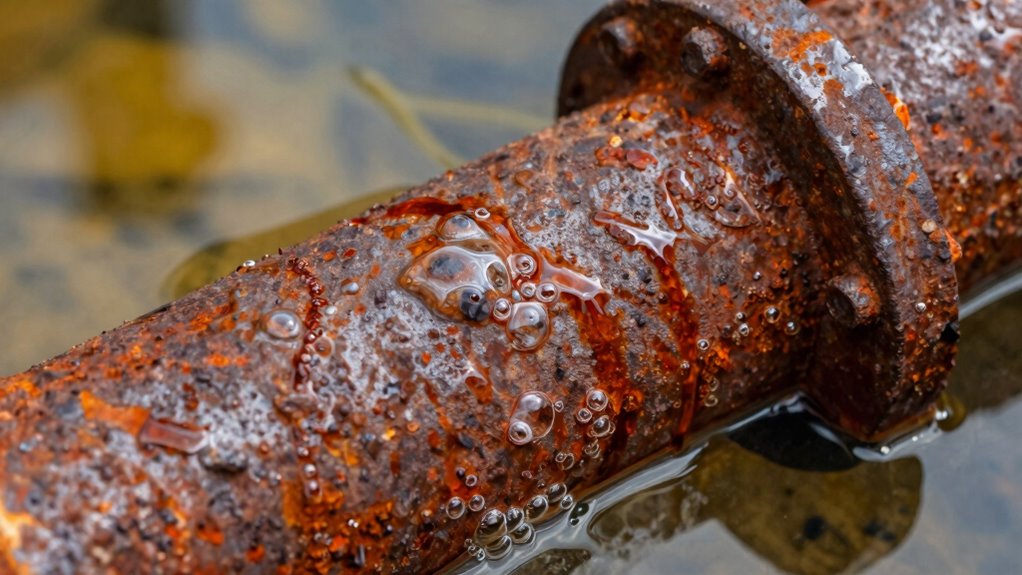

If your well water has a reddish stain or a rotten egg smell, iron and sulfur are likely the culprits. Iron causes rust-colored stains and metallic tastes, while sulfur produces the unpleasant odor. These elements naturally dissolve from mineral deposits in the ground, affecting water quality and appliances. Luckily, effective treatment options like filters and aeration can remove these contaminants. Keep exploring to discover how you can restore your water’s clarity, smell, and safety efficiently.
Open a free Amazon Business account
Business pricing, bulk buying and tax-exempt orders.
As an affiliate, we earn on qualifying purchases.
Key Takeaways
- Iron causes rust-colored stains and metallic taste; sulfur produces rotten egg odors in well water.
- Natural mineral deposits dissolve into groundwater, introducing iron and sulfur.
- Water treatment options include media filters for iron and aeration systems for sulfur removal.
- Regular maintenance of filtration and aeration systems ensures continued water quality.
- Consulting water treatment professionals helps select the best solutions for specific iron and sulfur issues.
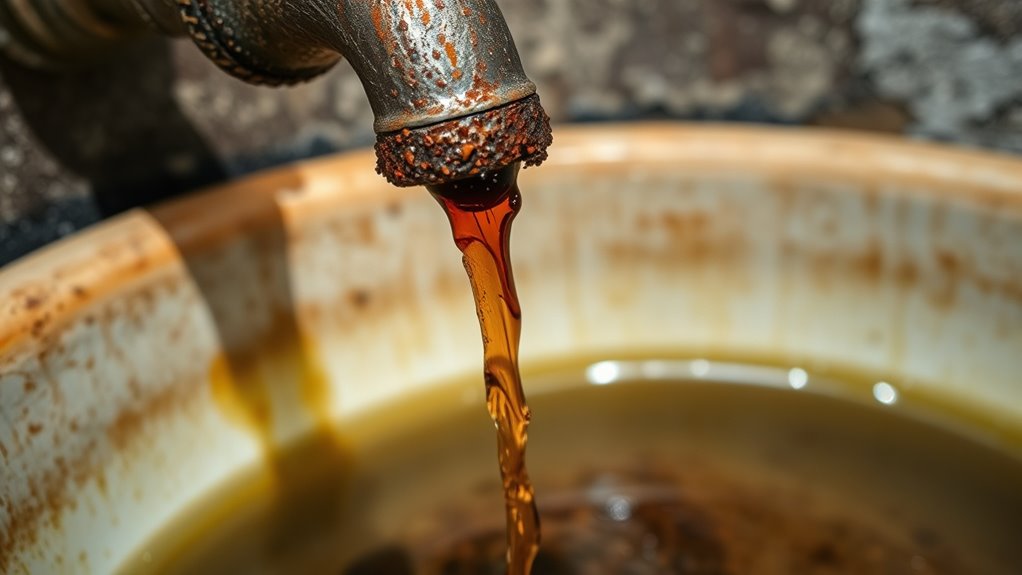
Have you ever noticed a reddish or yellowish tint in your well water? If so, you’re likely dealing with iron or sulfur, two common contaminants that can affect your water’s appearance, smell, and overall quality. These elements often cause staining on sinks, fixtures, and laundry, and they can produce unpleasant odors that make everyday chores less tolerable. Fortunately, there are effective water treatment options designed specifically to target these issues, helping you eliminate odors and improve your water’s clarity. Understanding the natural mineral deposits that cause these problems can help you better choose the right treatment methods.
Noticing stains or odors? Iron and sulfur may be the cause—discover treatment options to improve your well water quality.
Iron in well water typically results from natural mineral deposits dissolving into the groundwater. When iron levels are high, your water may take on a rusty hue and leave stubborn stains on porcelain, clothing, and fixtures. The presence of iron can also lead to a metallic taste and a reddish-brown residue that’s hard to clean. Sulfur, on the other hand, is responsible for that notorious rotten egg smell that often worsens when water is heated or agitated. This odor isn’t just unpleasant; it can also cause discomfort and concern about potential health risks, even though sulfur itself isn’t usually harmful in small amounts.
To tackle these problems, effective water treatment is essential. For iron removal, you might consider installing a media filter, such as a catalytic carbon filter or a specialty iron filter, which can oxidize and trap the iron particles before they reach your tap. These systems are designed for continuous operation and can considerably reduce staining and metallic tastes. When it comes to sulfur, aeration systems are often the most practical solution. They work by exposing the water to air, converting dissolved hydrogen sulfide into a gas that can be vented away. Alternatively, chlorination followed by filtration can also eliminate sulfur odors, especially in cases where sulfur levels are high.
Odor elimination is a key part of maintaining water quality and ensuring your home’s comfort. Properly treating iron and sulfur not only removes stains and odors but also prevents long-term damage to plumbing and appliances. Regular maintenance of your water treatment system is vital; filters need to be checked and replaced periodically to keep them functioning effectively. If you’re unsure about which treatment method suits your specific water quality, consulting a water specialist can help you choose the right solution. Taking these steps will restore the natural clarity and freshness of your well water, making everyday use safer and more enjoyable.
As an affiliate, we earn on qualifying purchases.
Frequently Asked Questions
How Can I Prevent Iron and Sulfur Buildup in My Well System?
To prevent iron and sulfur buildup, you should install effective filtration systems designed for these minerals. Regular maintenance guarantees they work efficiently. Additionally, consider chemical treatments like oxidizers or sequestrants to keep iron and sulfur levels in check. Keep an eye on water quality and have your well tested periodically to catch issues early. Combining filtration and chemical solutions gives you the best defense against buildup, stains, and odors.
Are There Natural Remedies to Reduce Iron and Sulfur in Well Water?
You can try natural remedies like using filtration systems with activated carbon or sand, which promote natural filtration and help absorb minerals. Installing a bio-filtration system encourages mineral absorption, reducing iron and sulfur levels. Additionally, adding beneficial bacteria can naturally break down sulfur compounds. These eco-friendly approaches can effectively diminish iron and sulfur in your well water without harsh chemicals, making your water smell better and preventing stains.
Can Iron and Sulfur Cause Health Issues With Long-Term Exposure?
Long-term exposure to iron and sulfur in your well water can pose health risks, especially if levels are high. You might experience issues like stomach upset or skin irritation, and prolonged intake could impact your overall health. It is crucial to regularly test your water and consider filtration systems to reduce these contaminants. Staying informed and taking preventive measures helps protect you from potential health problems caused by long-term exposure.
What Are the Environmental Impacts of Treating Well Water for Iron and Sulfur?
Treating well water for iron and sulfur can lead to environmental impacts like aquifer contamination if chemicals like chlorine or oxidizers are overused. You might also see chemical runoff into nearby soil and waterways, harming plants and aquatic life. To minimize these effects, consider eco-friendly treatment options, monitor chemical levels carefully, and guarantee proper disposal of treatment byproducts. This way, you protect both your water supply and the environment.
How Often Should I Test My Well Water for Iron and Sulfur Levels?
Ever wonder how often you should test your well water for iron and sulfur? You should check your water’s quality at least once a year, but if you notice a change in smell, taste, or staining, testing more frequently is prudent. Regular testing ensures you catch issues early and maintain safe, clean water. Don’t wait for problems—stay proactive with your testing frequency to protect your health and home.
sulfur odor water treatment system
As an affiliate, we earn on qualifying purchases.
As an affiliate, we earn on qualifying purchases.
Conclusion
Dealing with iron and sulfur in your well water can feel like fighting a never-ending battle—like trying to tame a wild river. I remember a homeowner who thought the stains and smell were just nuisances until her favorite white shirt turned orange and her kitchen smelled like rotten eggs. But with the right treatment, you can reclaim your water and restore peace to your home. Don’t give up—solutions are out there, and you deserve clean, fresh water every day.
well water iron and sulfur filter
As an affiliate, we earn on qualifying purchases.
As an affiliate, we earn on qualifying purchases.
air injection sulfur removal system
As an affiliate, we earn on qualifying purchases.
As an affiliate, we earn on qualifying purchases.
Flea & tick season Picks
flea and tick prevention
As an affiliate, we earn on qualifying purchases.