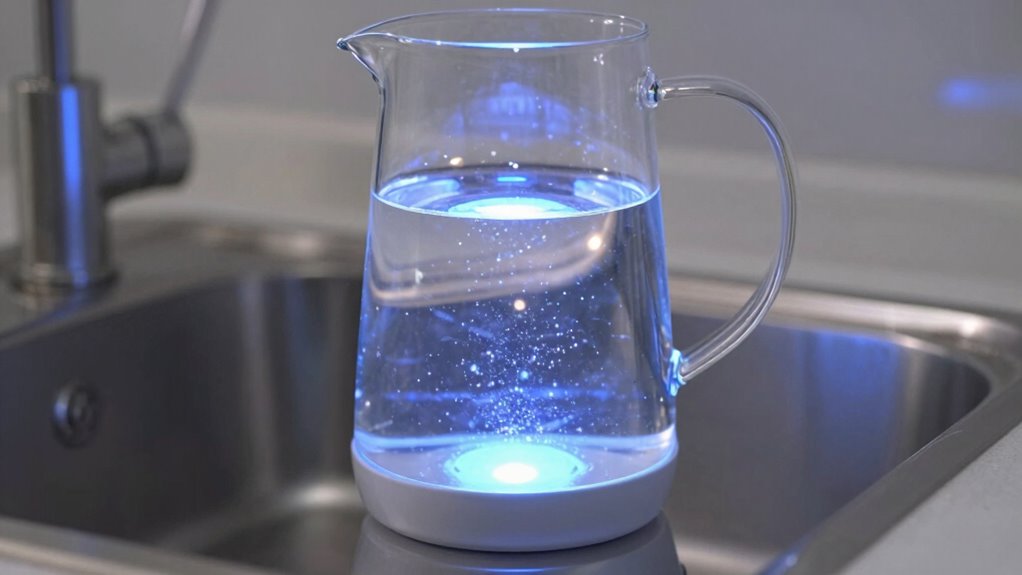
UV water treatment can effectively kill bacteria, viruses, and protozoa, making your water safer by damaging their DNA or RNA. However, it won’t remove dirt, sediments, chemicals, or heavy metals, so you’ll need additional filtration methods. Proper pre-treatment and regular maintenance are essential for peak performance. To learn more about how UV enhances water quality and what other steps to take, explore further—there’s more you should know to protect your water supply.
Open a free Amazon Business account
Business pricing, bulk buying and tax-exempt orders.
As an affiliate, we earn on qualifying purchases.
Key Takeaways
- UV water treatment effectively inactivates bacteria, viruses, and protozoa by damaging their DNA or RNA.
- It does not remove physical contaminants like dirt, sediment, or turbidity from water.
- UV systems cannot eliminate chemical pollutants, heavy metals, or pesticides present in water.
- Proper pre-filtration and regular maintenance are essential for optimal UV disinfection performance.
- Combining UV with filtration or chemical treatments enhances overall water safety and contaminant removal.
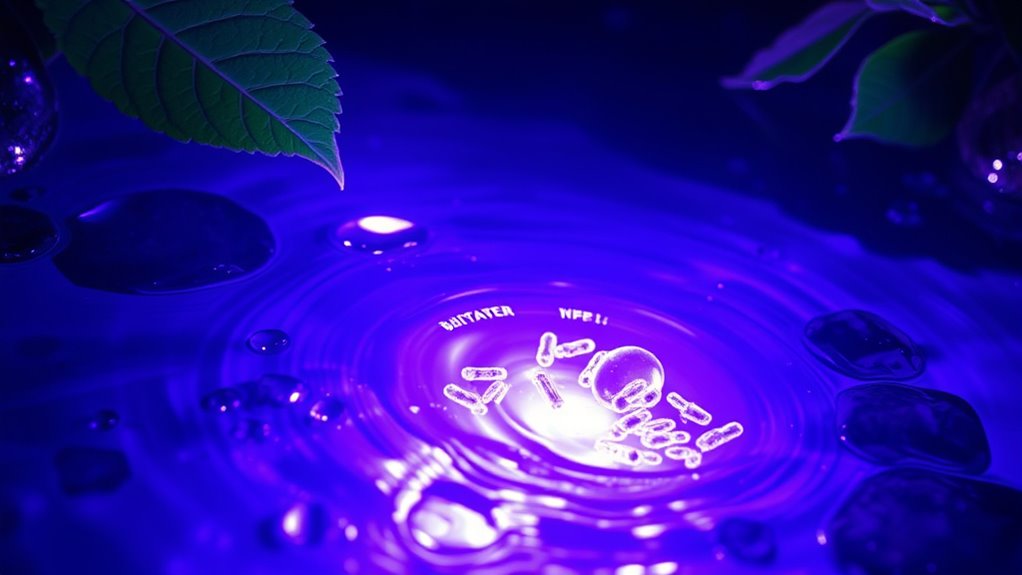
UV water treatment is highly effective against bacteria, viruses, and protozoa. It works by damaging their DNA or RNA, rendering these microorganisms incapable of reproduction and infection. This makes UV treatment an excellent choice for disinfecting well water or municipal supplies that might contain pathogens. However, it’s crucial to remember that UV light doesn’t remove physical contaminants like dirt, sediment, or chemical pollutants. If your water contains these impurities, you’ll need a pre-filtration or chemical treatment step before UV disinfection to guarantee the water is truly safe and tastes good. Additionally, water quality plays a significant role in the effectiveness of UV systems, as clarity and cleanliness are essential for optimal performance. Another limitation is that UV systems don’t remove dissolved chemicals, heavy metals, or pesticides. If your water source has such pollutants, UV treatment alone isn’t enough. You may need additional filtration methods like activated carbon filters or reverse osmosis systems to address these issues thoroughly. Also, UV systems require clear water for best performance because particles and sediments can shield microorganisms from ultraviolet rays, reducing disinfection efficiency. Regular maintenance, including cleaning the quartz sleeve that houses the UV bulb, is essential for maintaining effectiveness.
As an affiliate, we earn on qualifying purchases.
Frequently Asked Questions
Does UV Treatment Affect Water Taste or Odor?
UV treatment generally doesn’t affect water taste or odor, so you won’t notice taste alteration or odor elimination directly. It’s designed to disinfect by killing bacteria and viruses without adding chemicals or changing the water’s flavor. However, if your water has a strong smell or taste from other contaminants, UV alone won’t remove those. For odor elimination and taste improvement, consider combining UV with activated carbon filters.
How Often Should UV Lamps Be Replaced?
Think of your UV lamp like a bright lighthouse guiding ships safely; over time, its light dims. You should replace your UV lamp every 9 to 12 months based on the recommended replacement schedule. UV lamp lifespan decreases with use, so marking your calendar helps guarantee peak water safety. Regular replacement maintains effective disinfection, preventing bacteria from slipping through as the lamp’s intensity wanes.
Can UV Systems Remove Chemical Contaminants?
UV systems can’t remove chemical contaminants because their primary function is chemical removal, which requires activated carbon or other filtration methods. UV light effectively kills bacteria and viruses but has limitations with chemicals, heavy metals, and pesticides. If you’re concerned about chemical contaminants, you should combine UV treatment with other filtration options, like activated carbon filters, to guarantee thorough water purification and address UV limitations.
Is UV Water Treatment Effective Against All Bacteria?
Imagine a powerful spotlight piercing through murky water, targeting every bacterial resistance. UV water treatment is highly effective against most bacteria, inactivating pathogens with a focused dose of UV light. However, some bacteria may resist or shield themselves, making complete pathogen inactivation challenging. While it’s a strong defense, UV isn’t foolproof against all bacteria, especially if water isn’t properly exposed or if pathogens are hidden behind sediments.
What Maintenance Is Required for UV Water Systems?
You need to regularly maintain your UV water system to guarantee its effectiveness. Check the system component, especially the UV bulb, at least once a year and replace it every 12 months or as recommended by the manufacturer. Follow a maintenance schedule that includes cleaning the quartz sleeve and inspecting electrical connections. Proper upkeep keeps your system running efficiently, providing safe, germ-free water.
As an affiliate, we earn on qualifying purchases.
Conclusion
So, you’ve now met UV water treatment—your shiny, germ-zapping hero. It kills most bacteria, viruses, and pesky pathogens, making your water safer to sip. But don’t get cocky; it can’t handle heavy metals, chemicals, or sediments. So, enjoy your crystal-clear, pathogen-free water—but remember, UV’s a hero with limits. Don’t rely on it alone—because even superheroes have their kryptonite. Cheers to smarter water choices, sprinkled with a little reality!
As an affiliate, we earn on qualifying purchases.
UV water disinfection lamp replacement
As an affiliate, we earn on qualifying purchases.
As an affiliate, we earn on qualifying purchases.
Flea & tick season Picks
flea and tick prevention
As an affiliate, we earn on qualifying purchases.