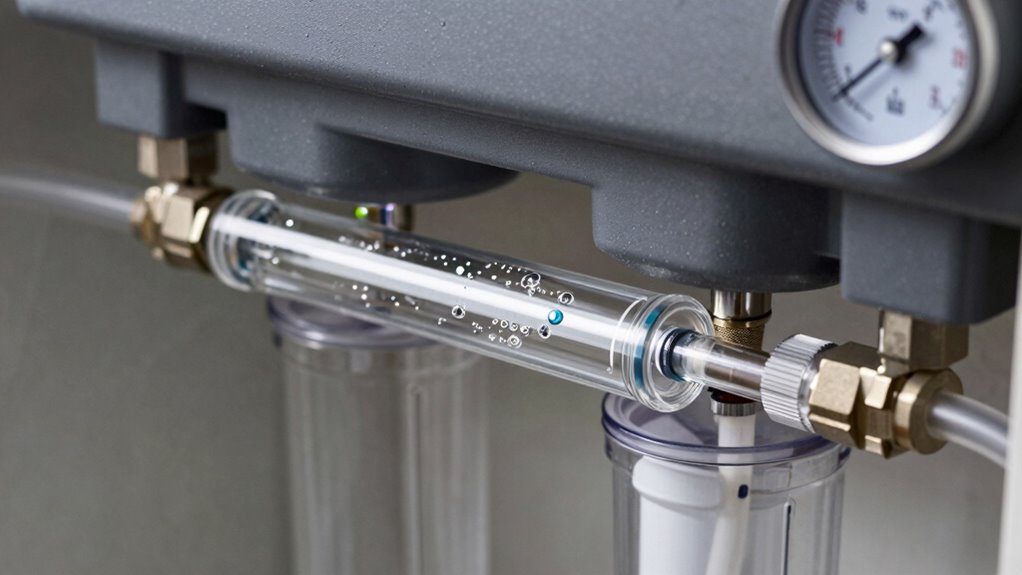
When you use an under-sink filter, the flow rate depends on the pressure drop you’ll feel in the faucet. A higher pressure drop means water comes out faster, while a lower drop indicates slower flow, often caused by blockages or filter age. Proper installation and maintenance help keep pressure consistent. If you notice a reduced flow, it may be time to service or replace your filter—continue exploring to learn how to optimize your system.
Key Takeaways
- Higher pressure drops typically result in reduced flow rate and slower water delivery.
- Proper installation ensures optimal pressure and minimizes noticeable flow resistance.
- Clogged or dirty filters increase pressure drop, decreasing flow rate and causing slower dispensing.
- Regular maintenance and timely filter replacement help maintain consistent flow and reduce pressure drop.
- System design features, such as filter size and material, influence the pressure drop and resulting flow rate.
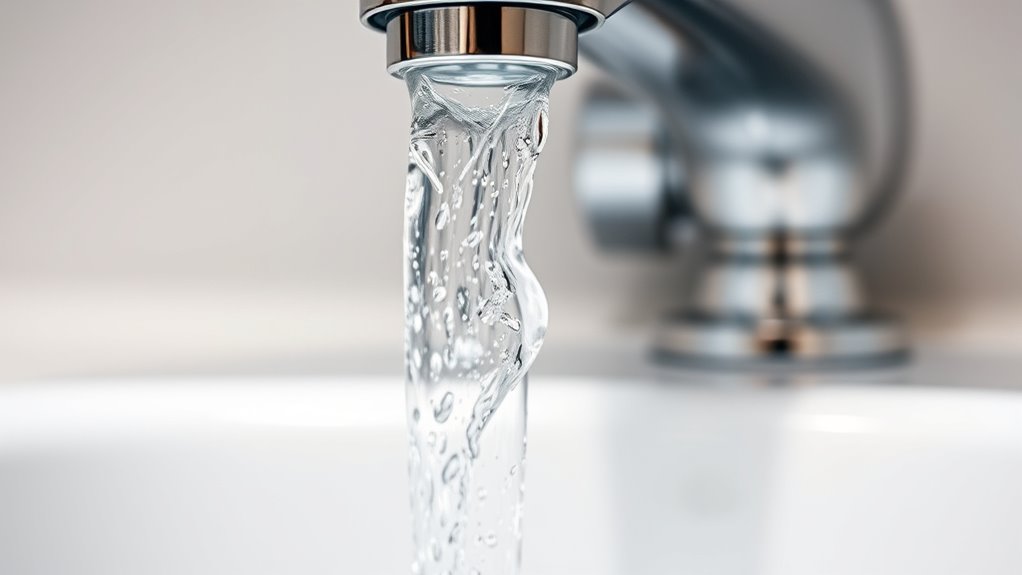
Ever wondered how quickly your under-sink filter delivers clean water? The flow rate of your filter plays a significant role in your daily water consumption and overall satisfaction. If the flow is too slow, you might feel frustrated waiting for water to come out, while a faster flow can make your experience more seamless. Understanding the factors that influence flow rate helps you make informed choices and guarantees your system works efficiently. Proper installation and regular maintenance are crucial for preserving optimal filter performance**** and ensuring consistent flow.

Waterdrop RF10 Replacement Filter Cartridge for 10UA/10UB Under Sink Water Filter, Reduces PFAS, PFOA/PFOS, Lead, Chlorine, Bad Taste & Odor, NSF/ANSI 42 Certified, 11K Gallons High Capacity
【Compatible model】Compatible Replacement Filter for Waterdrop 10UA under sink water filter system (ASIN B083NPW1DN), 10UB under sink water…
As an affiliate, we earn on qualifying purchases.
As an affiliate, we earn on qualifying purchases.
Frequently Asked Questions
How Does Flow Rate Affect Filter Lifespan?
A higher flow rate can lead to faster filter clogging, reducing its lifespan. When water flows too quickly, debris accumulates more quickly, forcing you to replace the filter sooner. Conversely, a balanced flow rate ensures better filtration and extends filter life. Maintaining an ideal flow keeps the system efficient, boosting user satisfaction by providing consistent water quality without frequent replacements. Adjusting flow rate helps you enjoy cleaner water longer.
Can a Low Flow Rate Improve Water Quality?
A low flow rate can improve water quality by allowing better flow regulation and contact time with the filter media, reducing water contamination. When water moves slower, the filter has more time to trap impurities, enhancing purification. This also minimizes pressure drops, making filtration more effective. So, if you want cleaner water, maintaining a lower flow rate can be beneficial, as it helps guarantee thorough filtration and reduces contaminants.
What Is the Optimal Flow Rate for Under-Sink Filters?
The ideal flow rate for under-sink filters is typically between 0.5 to 1.5 gallons per minute. To guarantee proper installation, check the filter’s compatibility with your existing plumbing and follow manufacturer tips. A flow rate within this range balances effective filtration and reasonable water pressure, preventing excessive pressure drops. Remember, too high a flow rate might reduce contact time for filtration, while too low can hinder water delivery.
How Do Pressure Drops Influence Filter Performance?
Did you know that a pressure drop as small as 10 psi can reduce filter efficiency by up to 20%? Pressure fluctuations directly impact your filter’s performance, causing inconsistent flow rates and potentially allowing contaminants to bypass the system. To maintain ideal performance, you should monitor pressure drops regularly, ensuring they stay within recommended ranges. This helps you avoid efficiency loss and keeps your filtered water clean and safe.
Can Increasing Flow Rate Damage the Filter?
Yes, increasing the flow rate can damage your filter. When you push too much water through, it can cause filter clogging and strain the system. To prevent this, use flow regulation features if available, and avoid setting the flow rate too high. Doing so guarantees the filter lasts longer, maintains ideal performance, and reduces the risk of damage caused by excessive pressure or clogging.
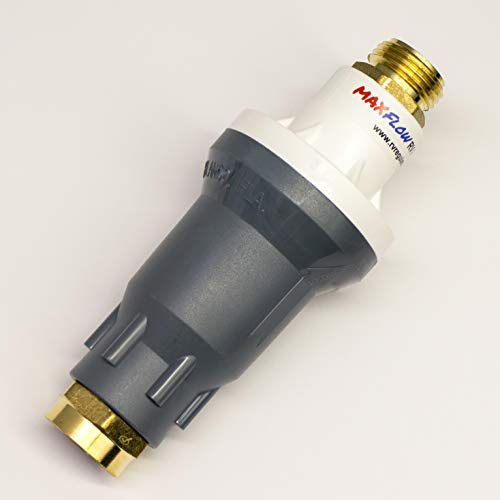
MAX FLOW High-Flow RV Water Pressure Regulator/Reducer – Safe Pressure Without Restricting Flow Rate
💧 MaxFlow: A "One Of A Kind" Regulator
As an affiliate, we earn on qualifying purchases.
As an affiliate, we earn on qualifying purchases.
Conclusion
Understanding the flow rate and pressure drop of your under-sink filter is like tuning a delicate instrument—you want harmony, not chaos. When you find the perfect balance, every sip feels like a revitalizing breeze, invigorating your day. Don’t let sluggish flow or stubborn pressure dampen your experience; instead, embrace the power of knowledge to keep your water pure and your spirits high. With the right filter, every drop becomes a small victory in your daily life.

AetralYB Pool Filter Pressure Gauge – 304 Stainless Steel Case, IP67 Waterproof, 0-60 PSI, for Swimming Pool Pump, Spa & Aquarium Filter System, Clean Filter Indicator, 2" Dial, 1/4" NPT Bottom Mount
【DESIGNED FOR POOL & SPA SYSTEMS】 – This 0–60 PSI pool pressure gauge is purpose-built for swimming pool…
As an affiliate, we earn on qualifying purchases.
As an affiliate, we earn on qualifying purchases.

Waterdrop 10UA Under Sink Water Filter System, Reduces PFAS, PFOA/PFOS, Lead, Chlorine, Bad Taste & Odor, Under Counter Water Filter Direct Connect to Kitchen Faucet, NSF/ANSI 42 Certified, 1 Year
Less than $25.99 per replacement filter WD-RF10(Search " B085G66JTZ "on Amazon), save over 50% of cost on subsequent…
As an affiliate, we earn on qualifying purchases.
As an affiliate, we earn on qualifying purchases.