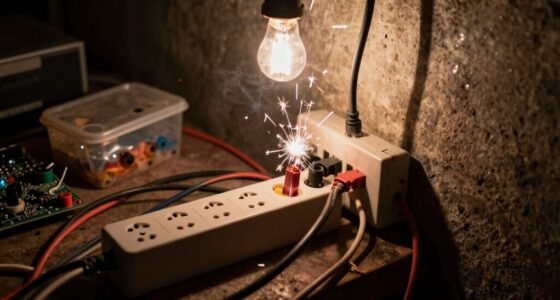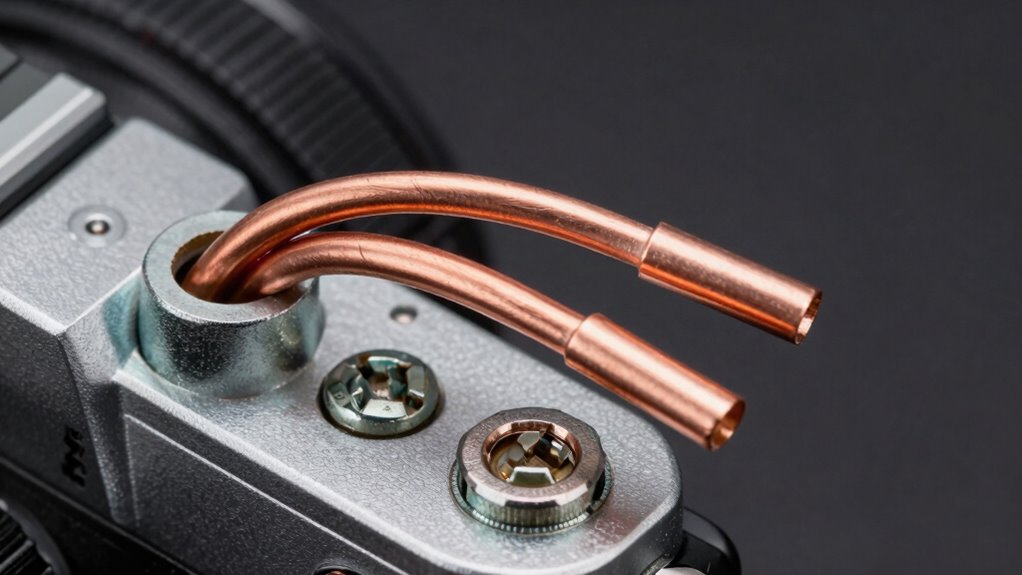

Grounding is a crucial safety feature in modern wiring that gives excess electrical energy a safe path into the earth, protecting you from shocks, fires, and equipment damage. It helps keep voltage levels stable, prevents surges, and guarantees appliances operate correctly. Proper grounding is fundamental for safe, reliable electrical systems and can prevent costly damage. If you want to understand how grounding works and how it keeps you safe, there’s more to discover that can help you stay protected.

Prime made for students and young adults
- Fast, free delivery for dorm and study essentials
- Prime Video and Amazon Music included
- Member-only deals
Key Takeaways
- Grounding provides a safe path for excess electrical energy to prevent shocks and equipment damage.
- It directs stray current during faults to trigger safety devices like circuit breakers.
- Proper grounding maintains stable voltage levels and reduces electrical noise for reliable system operation.
- It acts as the safety backbone, ensuring electrical systems function correctly and safely.
- Correct grounding practices are essential for safe, efficient, and long-lasting electrical wiring systems.
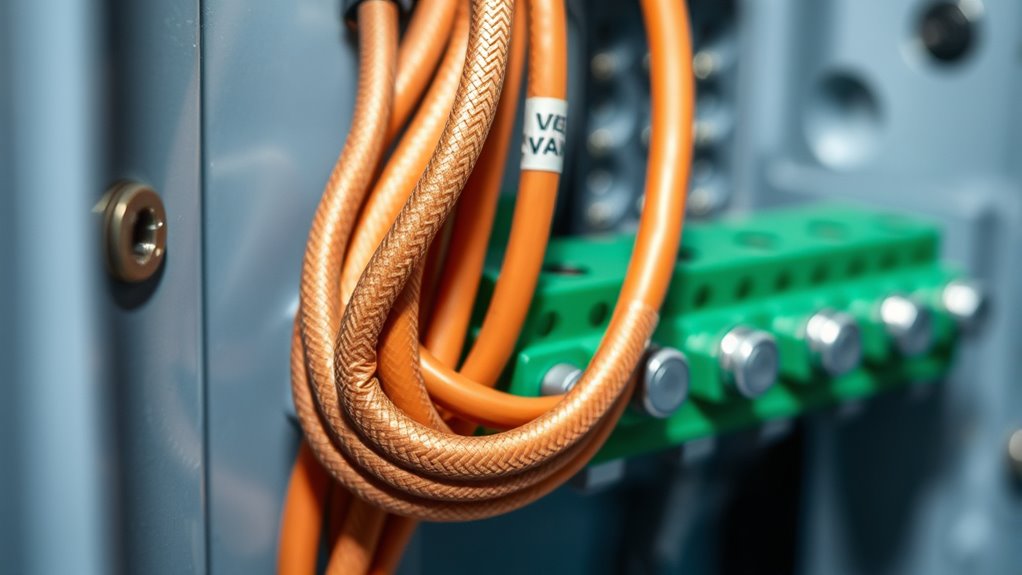
Have you ever wondered what grounding really means and why it’s so essential? Grounding is a fundamental part of modern electrical systems that helps keep you safe and your appliances functioning correctly. When you understand grounding, you realize it acts as a safety net, preventing electrical hazards and ensuring your wiring works reliably. At its core, grounding provides a path for excess electrical energy to safely escape into the earth, which is critical for circuit protection and electrical stability. Without proper grounding, there’s a risk of electrical shock, equipment damage, or even fires caused by unbalanced or overvoltage conditions.
Grounding plays a vital role in protecting both people and devices. When a fault occurs—say, a live wire touches a metal casing—the grounding system directs the stray current away from you and into the earth. This quick redirection triggers safety devices like circuit breakers or fuses to shut off power, minimizing the risk of shock or fire. In this way, grounding ensures circuit protection is always active, acting as a safeguard against unexpected electrical problems. It’s not just about safety; grounding also supports the overall electrical stability of your system. By providing a common reference point, grounding helps maintain consistent voltage levels throughout your wiring, which keeps your appliances running smoothly and prevents surges or fluctuations that could damage sensitive electronics.
You should think of grounding as the backbone of a reliable electrical system. When your system is properly grounded, it maintains a stable voltage environment, reducing risks of electrical noise or interference that can disrupt operation or cause equipment to malfunction. It also helps balance electrical loads, ensuring that no part of your system becomes overloaded and that current flows where it’s supposed to go. Proper grounding isn’t just a technical detail; it’s a key component that ensures your entire electrical setup functions safely and efficiently. Whether you’re installing new wiring or maintaining existing systems, paying attention to grounding is essential. It’s a simple step that offers significant protection, preventing costly damage and keeping everyone safe. Mastering Deep-Sky Imaging can serve as a reminder that precise and reliable systems—whether in astronomy or electrical wiring—depend on fundamental principles like proper grounding.
grounding wire for electrical panels
As an affiliate, we earn on qualifying purchases.
As an affiliate, we earn on qualifying purchases.
Frequently Asked Questions
How Often Should Grounding Systems Be Inspected or Tested?
You should inspect your grounding system at least once every three to five years. Regular inspection schedule guarantees everything functions properly and prevents safety hazards. Use testing methods like ground resistance testers or clamp meters to verify the system’s integrity. If you notice any signs of damage or corrosion, perform inspections more frequently. Staying proactive with testing and inspections keeps your wiring safe and compliant with electrical codes.
What Are Common Signs of Grounding System Failure?
Imagine your grounding system as the shield of a knight, protecting you from electrical chaos. Signs of failure include frequent tripping of circuit breakers, unexplained shocks, or visible corrosion on grounding rods. Leakage detection issues might cause subtle electrical surges, while corrosion prevention failure leads to weakened connections. If you notice these signs, it’s time to inspect your system, ensuring your grounding stays strong and safe.
Can Grounding Issues Cause Electrical Fires?
Yes, grounding issues can cause electrical fires by creating grounding hazards that allow excess current to build up and ignite nearby materials. Poor grounding can also compromise lightning protection, increasing the risk of sparks or surges that spark fires. Ensuring your grounding system is properly maintained helps prevent these dangers, safeguarding your home from potential electrical fires caused by faulty grounding or lightning strikes.
Are Grounding Systems Different for Residential and Commercial Buildings?
Did you know that nearly 60% of electrical accidents could be prevented with proper grounding? When it comes to grounding system types, residential and commercial buildings often follow different electrical safety standards. Residential systems typically use a ground rod or wire, while commercial setups might incorporate more complex grounding techniques. You should verify your grounding system aligns with local standards to maximize safety and prevent electrical hazards effectively.
What Are the Latest Advancements in Grounding Technology?
You’ll find that the latest advancements in grounding technology involve improved grounding materials like conductive polymer composites and enhanced grounding rods that offer better conductivity and corrosion resistance. Modern grounding codes now emphasize the use of these advanced materials and stricter installation standards to guarantee safety and reliability. These innovations help protect electrical systems from surges, improve overall safety, and meet evolving safety regulations effectively.
As an affiliate, we earn on qualifying purchases.
Conclusion
Think of grounding as the safety net beneath a tightrope walker—essential and reliable. By understanding its basics, you guarantee your wiring system keeps you safe from electrical shocks and damage. Just like that net catches you if you fall, proper grounding protects your home and loved ones. So, don’t overlook this vital system; it’s the silent protector working behind the scenes, keeping everything balanced and secure, just like a steady hand guiding you safely across.
grounding tester for electrical systems
As an affiliate, we earn on qualifying purchases.
As an affiliate, we earn on qualifying purchases.
As an affiliate, we earn on qualifying purchases.
Fall Picks
fall essentials
As an affiliate, we earn on qualifying purchases.