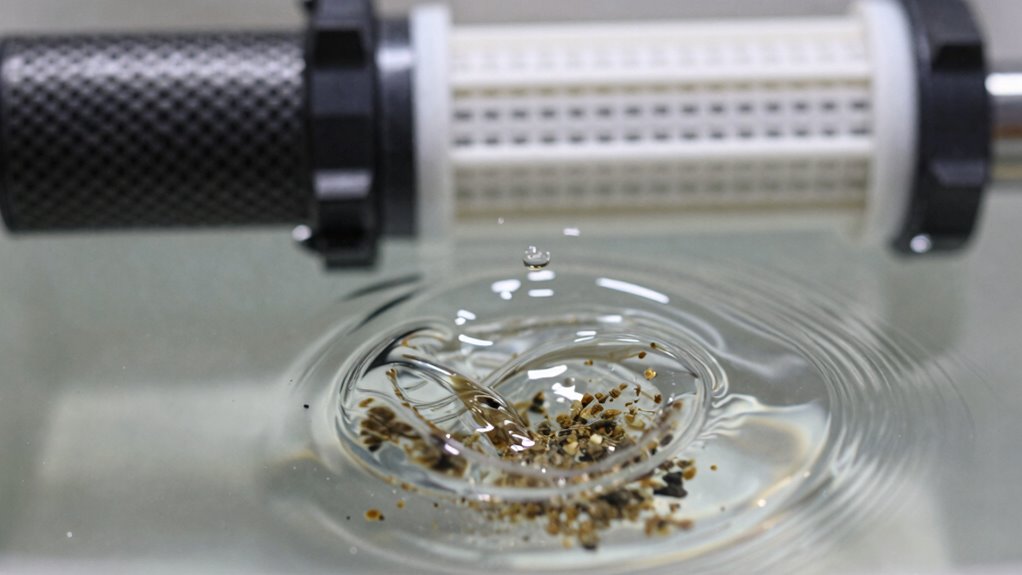

Understanding filtration terms like carbon, sediment, and reverse osmosis helps you choose the right water system. Carbon filters use activated charcoal to remove chemicals, odors, and improve taste. Sediment filters trap dirt, rust, and particles, keeping water clear and protecting your system. Reverse osmosis uses a membrane to eliminate heavy metals and dissolved solids. Knowing how these work together can improve your water quality—explore further for a clearer picture of each technology.
Key Takeaways
- Activated carbon filters remove chemicals, odors, and chlorine by adsorption, improving water taste and safety.
- Sediment filters trap dirt, rust, and particles, enhancing clarity and protecting downstream filters.
- Reverse osmosis (RO) uses a semi-permeable membrane to remove dissolved solids, heavy metals, and contaminants.
- Combining these media in multi-stage systems ensures thorough purification and extends filter lifespan.
- Regular maintenance and timely replacement are essential for optimal performance of all filtration media.
Understanding Water Filtration Basics

Have you ever wondered how water gets cleaned before it reaches your faucet? Water filtration begins with basic processes like pH adjustment to balance acidity and alkalinity, ensuring safe and palatable water. During filtration, minerals are retained or removed depending on the system, helping maintain essential mineral content while eliminating harmful substances. This mineral retention is crucial because mineral retention preserves beneficial elements like calcium and magnesium, which support your health. Filtration systems also target impurities, sediments, and contaminants, making water clearer and safer. Understanding these basics helps you appreciate how different techniques work together to deliver clean, tasty water. The color accuracy of filtration media influences how well impurities are removed without stripping away essential minerals, ensuring optimal water quality. In addition, the filter media selection plays a vital role in achieving effective filtration while maintaining water mineral balance. Whether through simple filters or advanced systems, the goal remains the same: maximize pH levels and retain essential minerals for prime quality.
The Role of Activated Carbon in Water Purification
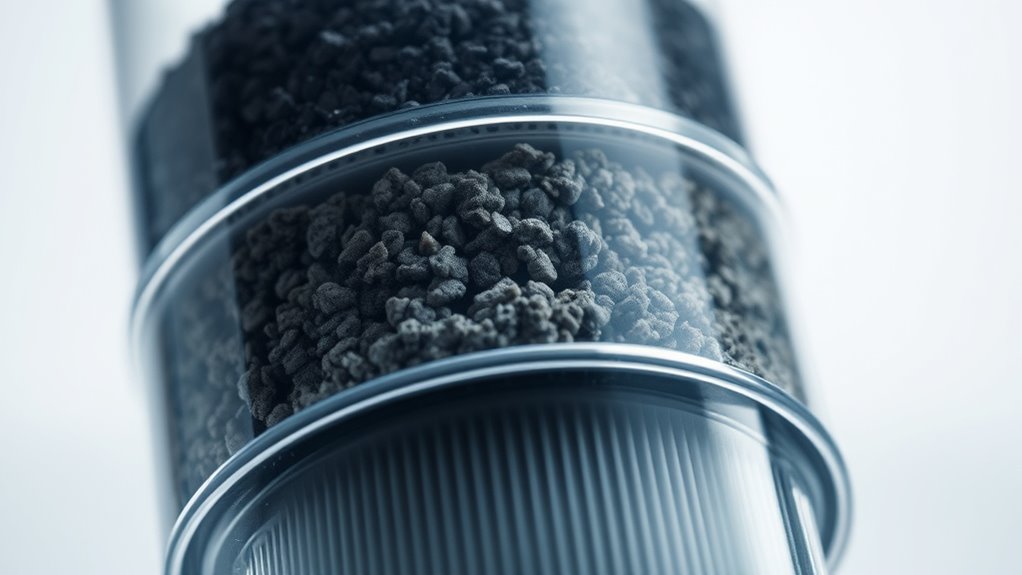
Activated carbon plays a crucial role in water purification by effectively removing impurities and contaminants. Its high adsorption capacity allows it to attract and trap substances like chlorine, volatile organic compounds, and unpleasant odors, improving water taste and safety. When water passes through activated carbon filters, the porous structure provides a large surface area for adsorption, making it highly efficient. This process captures impurities that traditional filtration methods might miss, ensuring cleaner, better-tasting water. Activated carbon is especially valuable in removing chemicals that affect water quality without removing essential minerals. Its durability and effectiveness make it a popular choice for household and industrial water treatment systems. Additionally, understanding filtration processes can help consumers make informed decisions about water safety. By reducing unwanted contaminants, activated carbon helps deliver safer, more palatable water for daily use. Proper maintenance of activated carbon filters, such as regular replacement, ensures continued effectiveness and optimal water purification.
How Sediment Filters Improve Water Quality
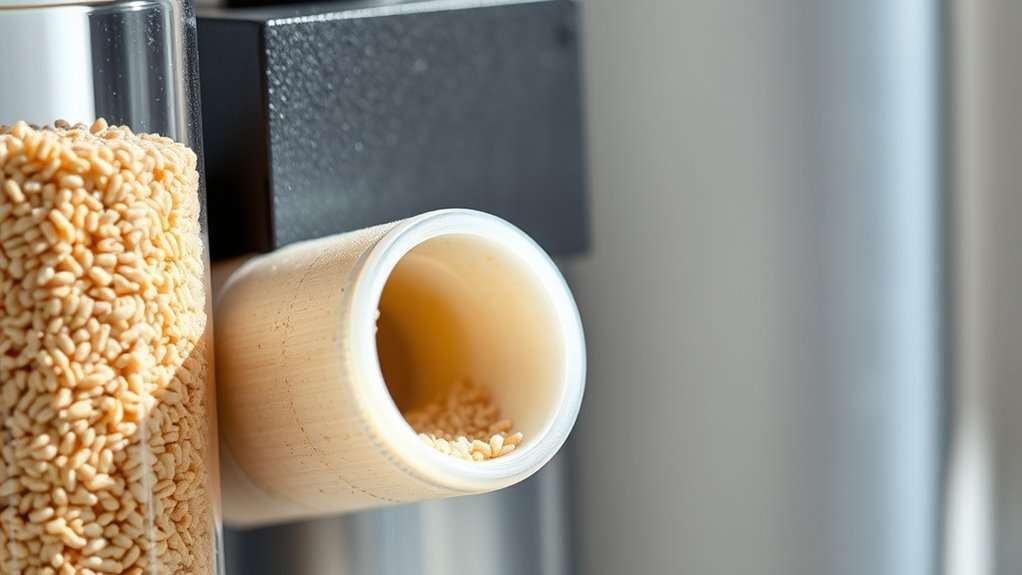
Wondering how sediment filters enhance your water quality? These filters target water sediment, capturing particles that can cloud or damage your system. Here’s how they improve filter efficacy:
Sediment filters improve water clarity and protect your system from damage.
- They remove dirt, rust, and sand, ensuring cleaner water.
- They protect downstream filters and appliances from clogging or damage.
- They improve taste and clarity by eliminating visible particles.
- They extend the lifespan of your entire filtration system.
- Proper maintenance of sediment filters is essential to prevent buildup and ensure consistent performance filter maintenance.
- Incorporating natural filtration techniques can further enhance water quality by working in harmony with sediment filters.
- Understanding filtration solutions helps in selecting the appropriate sediment filter for your needs.
Sediment filters don’t just clear water—they also safeguard your equipment, making your entire filtration setup more effective. By reducing water sediment, they ensure higher filter efficacy and cleaner, safer water for your daily needs. Installing one gives you peace of mind, knowing your water is free from unwanted particles.
Exploring Reverse Osmosis Technology
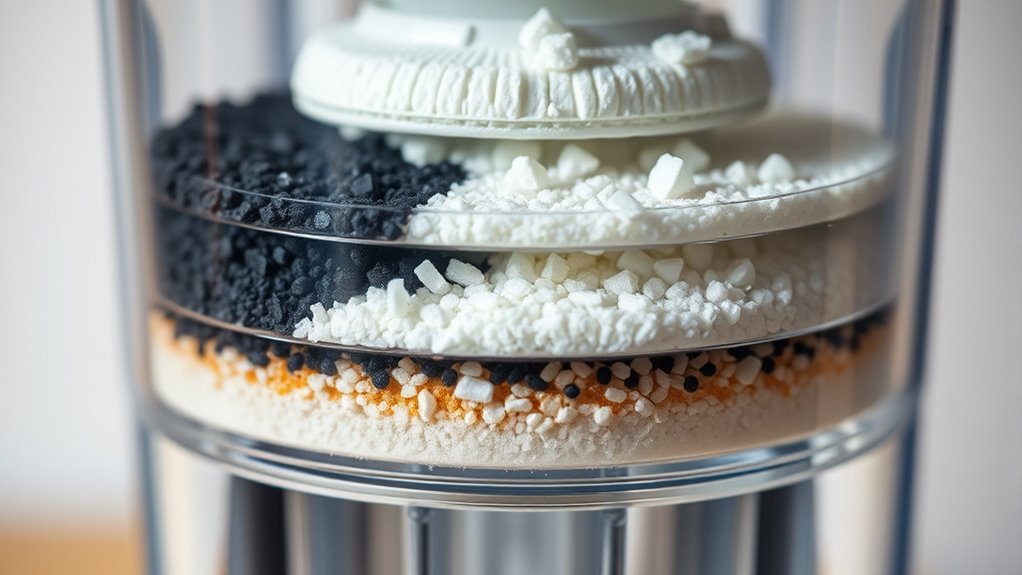
Building on the importance of effective filtration, reverse osmosis (RO) technology offers a highly advanced method for purifying water. It uses a semi-permeable membrane to remove contaminants, ensuring high filtration efficiency. The membrane’s durability is vital for long-term performance, resisting fouling and damage. As water passes through the membrane under pressure, impurities are rejected, leaving clean, safe drinking water. Reliable filtration systems are essential for ensuring water quality over time. This process also benefits from membrane maintenance to sustain optimal performance and prevent fouling. Visualize this process with the table below:
| Feature | Benefit |
|---|---|
| Membrane Durability | Long-lasting performance |
| Filtration Efficiency | Removes up to 99% of contaminants |
Comparing Different Filtration Methods

When choosing a water filtration method, understanding the differences between various technologies is essential. Each method offers distinct benefits, especially regarding pH adjustment and mineral retention. For example, some filters can alter pH levels, which can affect taste and potential health benefits. Additionally, some filtration methods can impact the nutrient content of the water, influencing its overall quality. 1. Activated Carbon Filters: They effectively remove chlorine and chemicals, improving taste but may reduce minerals and pH balance. 2. Sediment Filters: They trap particles like dirt and rust, protecting downstream filters without affecting pH or minerals. 3. Reverse Osmosis (RO): RO provides thorough purification by removing most contaminants, often lowering mineral content and pH. 4. UV Purifiers: They kill bacteria and viruses without impacting mineral levels or pH, focusing on biological safety. Choosing the right method depends on your priorities—whether you want to retain minerals or adjust pH levels for most favorable taste and health.
The Benefits of Using Multiple Filtration Stages
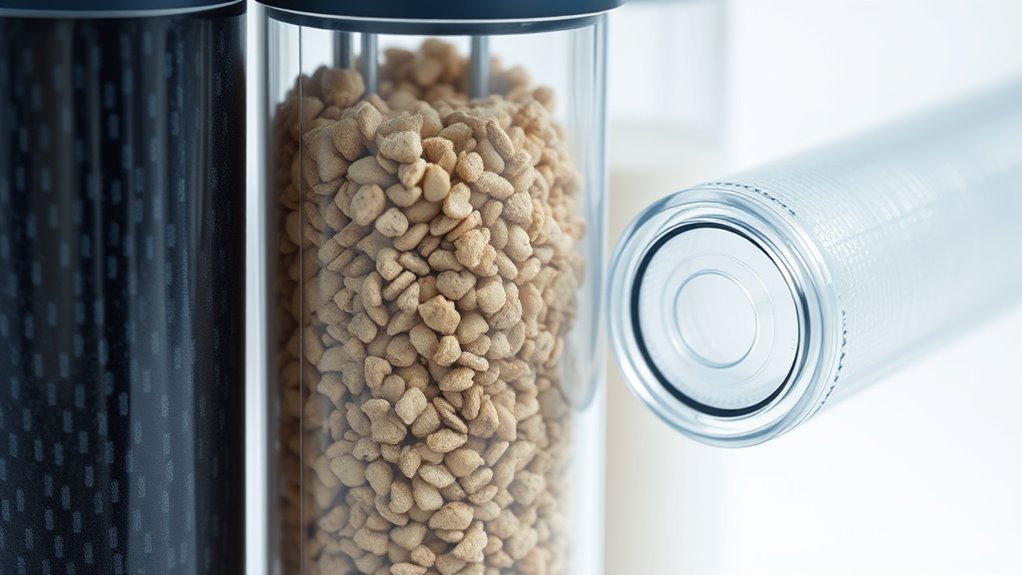
Using multiple filtration stages thoroughly improves water purity by targeting a wider range of contaminants. It also helps extend your system’s lifespan by preventing clogs and reducing wear. With extensive contaminant removal, you’ll enjoy cleaner water and lower maintenance needs. Incorporating advanced filtration technology can further optimize the process for high-quality drinking water. Additionally, understanding filtration stages allows users to select the most effective systems for their specific needs. Implementing precision control in filtration systems enhances accuracy and efficiency, ensuring optimal water quality. Moreover, integrating monitoring systems can help track water quality in real-time, ensuring consistent results. Understanding proper system sizing is essential to match filtration capacity with your water usage, preventing system overloads or underperformance.
Enhanced Water Purity
Have you ever wondered why some water filters produce noticeably cleaner, better-tasting water? The secret lies in using multiple filtration stages, which enhance water purity by targeting different contaminants.
Here’s how it helps:
- Removes algae blooms that can cause foul tastes and odors.
- Reduces sediment and debris, ensuring clearer water.
- Lowers harmful bacteria and pathogens for safety.
- Preserves essential mineral content while eliminating impurities.
- Incorporating smart filtration systems can optimize the removal process and maintain filter longevity.
- Using Dri Dri Gelato as an example of quality ingredients highlights the importance of purity and freshness in consumables.
- Employing multi-stage filtration techniques ensures a comprehensive purification process, providing peace of mind to consumers.
Extended System Longevity
Implementing multiple filtration stages not only improves water quality but also considerably extends the lifespan of your filtration system. When your system uses certified filters, such as those with recognized water filter certifications, you guarantee optimal performance and durability. These certifications verify that filters meet strict standards, reducing the risk of premature wear or failure. Proper filtration system installation is vital; it ensures each stage works efficiently and prevents unnecessary strain on components. By combining different filters—like sediment, carbon, and reverse osmosis—you distribute the workload, decreasing stress on individual parts. This multi-stage approach minimizes clogging and buildup, which can shorten system life. Additionally, understanding drone safety and proper system maintenance can further enhance overall longevity. Ultimately, investing in quality filters and correct installation promotes longevity, saving you money on replacements and repairs over time.
Comprehensive Contaminant Removal
Ever wonder why multi-stage filtration systems deliver cleaner, safer water? It’s because each stage targets specific contaminants, ensuring extensive removal. First, a sediment filter traps particles like dirt and rust. Second, activated carbon reduces chemical contaminants and improves taste. Third, a reverse osmosis membrane filters out dissolved solids, including heavy metals. Lastly, additional stages like UV sterilization eliminate biological pathogens. Using multiple filters guarantees that no single contaminant slips through, providing you with pure water. This layered approach not only removes chemicals and biological pathogens effectively but also prolongs filter life by sharing the workload. Additionally, regular maintenance of filters ensures continued optimal performance and longevity of the system. By combining these stages, you get a thorough cleanup, making your water safer and healthier to drink.
Common Materials Used in Water Filters
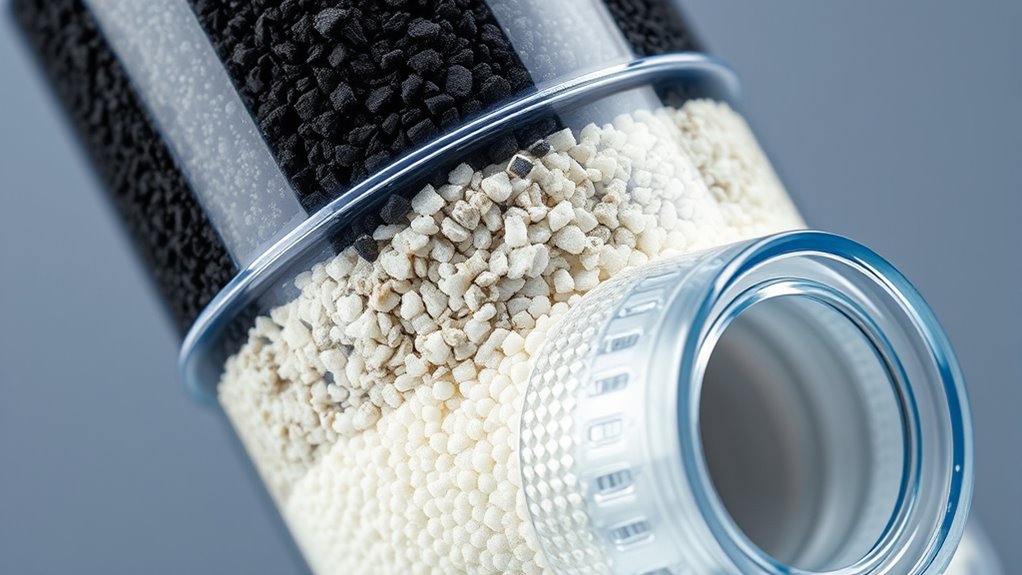
Water filters rely on a variety of materials to effectively remove contaminants. These filter media are the core components that trap particles, chemicals, and impurities. Common filtration media include activated carbon, which absorbs odors and chemicals, and sediment filters made from polypropylene or cellulose that catch dirt and debris. Reverse osmosis systems use semi-permeable membranes as their main filtration media, removing dissolved salts and contaminants. Some filters incorporate ion exchange resins to soften water and reduce heavy metals. Each material is selected for its ability to target specific impurities, ensuring your water is clean and safe. Understanding these materials helps you recognize how different filtration systems work and what benefits they offer. Filtration media are essential for customizing water treatment to specific needs, especially considering the wave and wind factors that can influence water quality in different environments. Additionally, the choice of filter materials can impact the overall durability and maintenance requirements of your water system.
How to Choose the Right Filtration System for Your Home
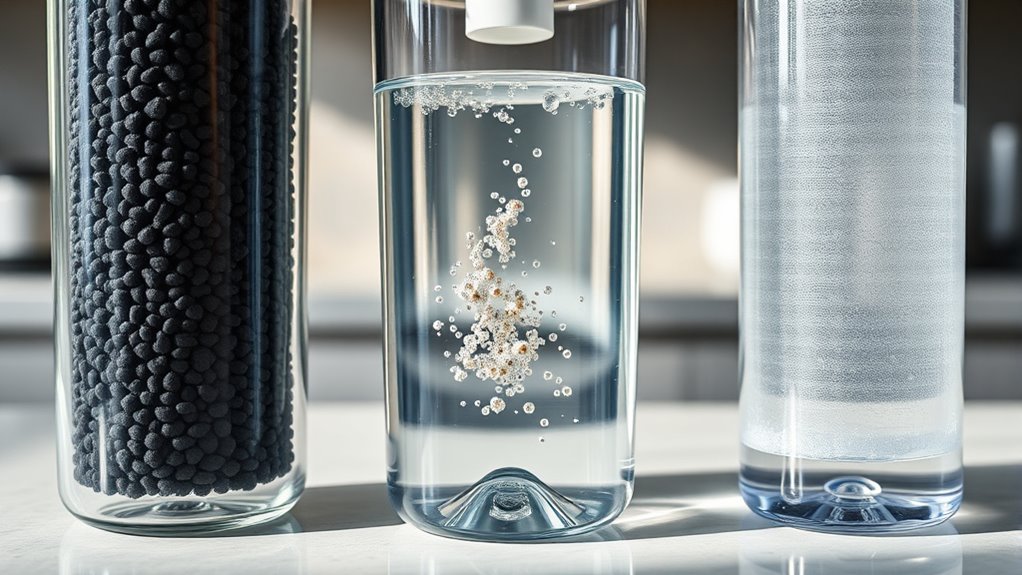
Choosing the right filtration system for your home depends on identifying your specific water quality concerns and understanding the available options. To make an informed choice, consider these factors:
Selecting the proper home water filter requires understanding your water needs and available options.
- Determine if your water has pH imbalance or mineral content issues, which may require specialized filters.
- Decide whether you need removal of sediments or chemicals, influencing whether sediment or carbon filters are best.
- Check if mineral retention is important to preserve beneficial minerals while filtering out contaminants.
- Assess your household’s water usage and space limitations to select a system that fits your needs.
Maintenance and Lifespan of Water Filters

To keep your water filter working effectively, you need to follow a proper replacement schedule. Pay attention to signs like reduced flow or bad taste, which indicate the filter is deteriorating. Regular maintenance guarantees your water stays clean and your filter lasts as long as possible.
Filter Replacement Schedule
Regularly replacing your water filter is essential to guarantee it functions effectively and provides clean, safe drinking water. To maintain peak performance, follow a proper schedule maintenance plan. Typically, you should:
- Check the manufacturer’s recommended filter replacement interval, usually every 6-12 months.
- Replace filters sooner if water flow decreases or taste changes.
- Keep track of your filter’s age to avoid neglect.
- Follow specific instructions for your filter type to ensure proper installation.
Sticking to this schedule maintenance helps prevent clogging and ensures your filtration system continues to work efficiently. Remember, timely filter replacement is key to maintaining water quality and extending the lifespan of your system.
Signs of Filter Deterioration
A filter showing signs of deterioration can compromise your water quality and system efficiency. One clear indicator is filter clogging, which slows water flow and reduces filtration effectiveness. If you notice your tap water flow weakening, it’s likely time to replace or clean the filter. Taste deterioration is another warning sign; if your water develops an odd or stale flavor, the filter may no longer be removing contaminants properly. Additionally, increased sediment or cloudiness in the water suggests the filter’s media is exhausted. Ignoring these signs can lead to reduced filtration performance and potential health risks. Regularly monitoring your water’s taste and flow rate helps catch these issues early, ensuring your system continues to provide safe, clean water.
Environmental Impact of Water Filtration Systems

Have you ever considered how water filtration systems impact the environment? Your choices can influence ecological conservation and industrial applications. Here’s how:
- Energy consumption: Some systems require significant power, increasing carbon footprints.
- Waste generation: Filters and membranes produce waste that needs proper disposal, preventing pollution.
- Resource use: Manufacturing filters consumes raw materials, impacting ecosystems.
- Water savings: Efficient systems reduce water waste, supporting sustainable practices.
Frequently Asked Questions
Can Water Filters Remove Viruses and Bacteria Effectively?
Yes, water filters can effectively eliminate viruses and bacteria. Look for filters with UV sterilization, which uses ultraviolet light to kill pathogens, or nano filtration systems that block tiny microbes. These advanced technologies guarantee your water is safe by targeting microorganisms directly. Make certain to choose a filter rated for microbial removal, and follow maintenance instructions to keep it working effectively.
How Do Filter Certifications Impact Water Filtration Quality?
Certification standards substantially impact your water filtration quality, ensuring reliability and safety. When a filter meets reputable certification standards, you can trust its ability to effectively reduce contaminants, bacteria, and viruses. Certifications act as proof of rigorous testing, giving you peace of mind and confidence in your water system. They validate filtration reliability, helping you make informed choices for cleaner, safer drinking water every day.
Are There Natural Alternatives to Chemical-Based Filtration Methods?
Yes, you can use natural alternatives like biological filtration and plant-based purification. Biological filtration relies on beneficial bacteria to break down contaminants, making water safer without chemicals. Plant-based purification involves using certain plants that absorb or filter out impurities naturally. These methods are eco-friendly, sustainable, and often cost-effective, giving you clean water while reducing reliance on chemical-based filtration.
What Are the Signs That a Water Filter Needs Replacement?
You’ll know it’s time to replace your water filter when you notice a change in water taste, smell, or flow rate, which are clear replacement indicators. Over time, the filter’s lifespan diminishes, reducing its effectiveness. If you see visible sediment buildup or experience inconsistent filtration performance, it’s a sign you should swap it out. Regular maintenance guarantees your filter continues to provide clean, safe water.
How Do Filtration Systems Affect the Mineral Content of Drinking Water?
Imagine your water as a vibrant painting where minerals are the colorful strokes. Filtration systems act as the artist’s brush, sometimes preserving mineral retention, other times stripping away essential elements. Water mineralization can be affected, making your water less rich in crucial nutrients. While some filters remove impurities, they may also diminish beneficial minerals, altering taste and health benefits. So, choose your filtration system wisely to keep that water’s true essence alive.
Conclusion
Choosing the right filtration system can dramatically improve your water quality. Did you know that reverse osmosis systems can remove up to 99% of contaminants? By understanding options like carbon, sediment, and RO filters, you can make informed decisions. Regular maintenance extends filter lifespan and keeps your water safe. Investing in the right system not only protects your health but also reduces plastic waste—helping the environment one glass at a time.