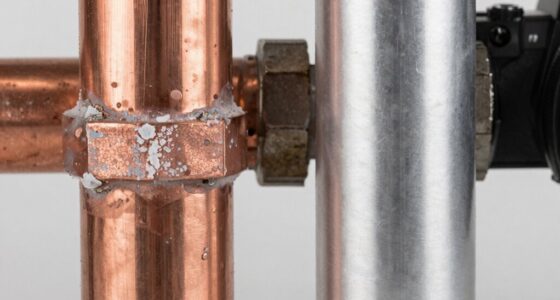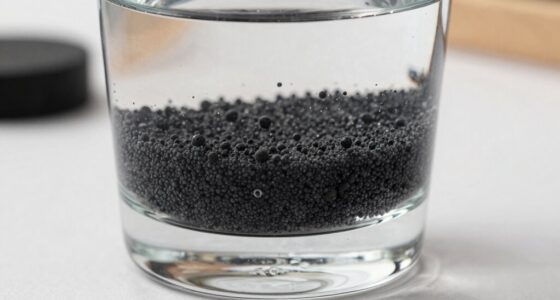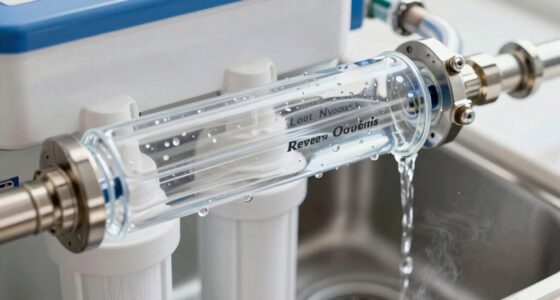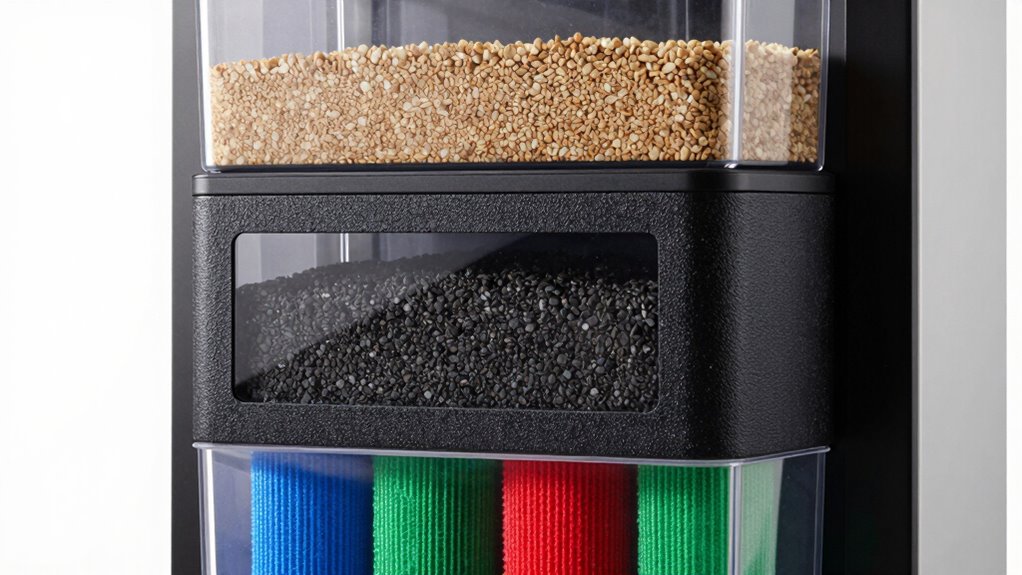

A whole-house filtration system typically starts with a sediment filter to remove dirt, sand, and rust, protecting the rest of your system. Next, an activated carbon filter targets chlorine, odors, and chemicals to improve water taste and safety. Some setups include specialty filters like UV sterilizers or reverse osmosis units to eliminate bacteria, viruses, and dissolved solids. Each stage works together to provide clean, safe water for your home—learn more about how each component works overall.
Key Takeaways
- The sediment filter removes large particles, protecting downstream filters and plumbing systems.
- The activated carbon filter targets chlorine, VOCs, odors, and improves water taste.
- Specialty systems like UV sterilizers or reverse osmosis address bacteria, viruses, and dissolved solids.
- Proper installation and maintenance of each stage ensure optimal filtration efficiency and system longevity.
- Sequential placement from sediment to specialty filters maximizes water quality and system performance.

If you’re considering whole-house filtration, understanding its different stages is vital for guaranteeing clean and safe water throughout your home. Knowing how each stage works helps you appreciate the importance of proper installation and ongoing maintenance. The first stage typically involves sediment filtration, which is designed to remove larger particles like dirt, sand, rust, and silt. This initial barrier protects the downstream filters and plumbing, ensuring that finer contaminants don’t clog or damage the subsequent stages. When installing a sediment filter, you’ll want to guarantee it’s positioned correctly, usually near the main water inlet, to maximize efficiency. Regular maintenance tips for this stage include inspecting the filter periodically, replacing or cleaning it as recommended by the manufacturer—often every three to six months—to prevent buildup that could reduce water flow and filtration effectiveness.
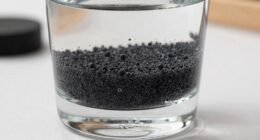
Following sediment removal, the next stage involves activated carbon filtration. This stage targets chlorine, volatile organic compounds (VOCs), bad odors, and tastes, considerably improving water quality. Carbon filters are highly effective at adsorbing chemicals and impurities that affect water’s clarity and safety. During the installation process, guarantee the carbon filter is properly seated and connected, avoiding leaks and ensuring optimal contact with the water. Since carbon filters can become saturated over time, maintenance tips include replacing the filter as advised—usually every six to twelve months—based on water usage and quality. Regularly checking for signs of clogging or a decline in water flow helps you stay ahead of potential issues.
The final stages often involve specialty filters tailored to your specific water concerns. These can include UV sterilizers to eliminate bacteria and viruses, or reverse osmosis units for removing dissolved solids. When installing these advanced systems, it’s vital to follow the manufacturer’s instructions carefully, ensuring proper placement and secure connections. Maintenance for specialty filters often involves more specific procedures—such as replacing UV bulbs annually or flushing reverse osmosis membranes periodically—to keep them functioning at peak performance. Staying vigilant with maintenance tips, like monitoring water taste and flow rate, will help you maintain the highest water quality. Additionally, understanding the different filter media and their cost-of-ownership can help you plan for long-term maintenance expenses and system upgrades.
Frequently Asked Questions
How Often Should I Replace Each Filter Stage?
You should replace your filters based on their filter lifespan and recommended replacement frequency. Typically, sediment filters last 3-6 months, carbon filters need changing every 6-12 months, and specialty filters vary—check the manufacturer’s guidance. Regularly inspect your filters for signs of clogging or reduced flow, and follow the suggested schedule to guarantee peak water quality and system efficiency. Staying diligent with replacements keeps your whole-house filtration system working effectively.
Can I Upgrade Filters Without Replacing the Entire System?
They say, “Don’t fix what isn’t broken,” but upgrading filters is often possible if you check filter compatibility. You can explore upgrade options to enhance your system’s performance without replacing the entire setup. First, verify that new filters fit your current system, then consult your manufacturer or a professional to guarantee compatibility. This way, you improve filtration efficiency while saving time and money.
What Are Common Signs of Filter System Failure?
You’ll notice warning signs like reduced water pressure, strange tastes or odors, and discolored water, indicating your filter system might be failing. Pay attention to the filter lifespan; once it’s reached or if maintenance is overdue, performance drops. Regularly check for these signs to prevent system failure. Replacing filters promptly ensures your water stays clean and safe, avoiding costly repairs and maintaining ideal filtration efficiency.
Are There Filters Suitable for Well Water Systems?
Imagine clear, fresh water flowing smoothly from your tap, even in a well water system. Yes, there are filters designed specifically for well water treatment, ensuring filtration compatibility with your unique water quality. These filters tackle sediment, iron, manganese, and other contaminants common in well water. You should select systems rated for well use, providing reliable purification and peace of mind, so your water stays clean and safe every day.
How Does Filter Maintenance Impact Water Quality?
Filter maintenance directly impacts your water quality by ensuring the system functions properly. When you regularly replace filters, you extend their lifespan and prevent buildup of contaminants, maintaining clean, safe water. Neglecting maintenance can lead to clogged filters, increased maintenance costs, and reduced filtration effectiveness. By staying on top of filter changes, you keep your water pure and avoid costly repairs, making maintenance a worthwhile investment in your home’s water quality.
Conclusion
Think of your whole-house filtration system as a mighty shield, defending your home’s water from lurking impurities. Each stage—sediment, carbon, and specialty filters—acts like a vigilant guardian, sweeping away dirt, odors, and unwanted chemicals. Together, they form a powerful fortress that guarantees your water flows pure and clear, like a pristine mountain stream. Trust this layered protection to keep your family safe and your water shining bright, crystal clear as a gem.