
A lower micron rating, like 5 microns, doesn’t automatically mean a filter is better because effectiveness relies on more than particle size. It depends on the filter’s design, manufacturing quality, and how it performs in real-world conditions. Sometimes, a higher-rated filter from a trusted brand can outlast or outperform a lower-rated one. To really understand what works best, you’ll want to take into account other factors—there’s more than just the micron number involved.
Key Takeaways
- Micron rating indicates particle size filtering capability but doesn’t guarantee overall filter effectiveness or durability.
- A lower micron number doesn’t automatically mean better filtration; design and manufacturing quality are crucial.
- High-quality filters with higher micron ratings can outperform poorly made lower-rated filters in real-world use.
- Filtration performance depends on efficiency, lifespan, and maintenance, not just the micron rating alone.
- Choosing the right filter involves considering specific particle removal needs and trusted brand standards over micron size.

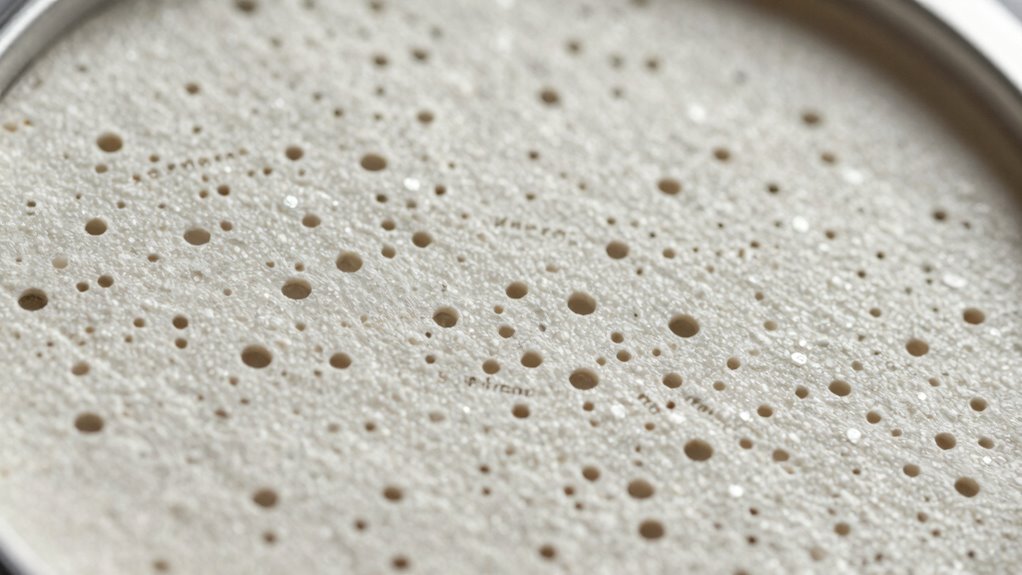
Have you ever wondered what micron ratings really mean when it comes to filters and screens? Many people assume that a lower micron number automatically translates to better filtration, but that’s not always the case. The truth is, micron ratings are just one part of understanding a filter’s overall performance. Filtration efficiency, which measures how well a filter captures particles of specific sizes, varies depending on the design and manufacturing standards behind each product. Just because a filter claims to be “5 microns” doesn’t mean it’s inherently superior to one rated at “10 microns.” Instead, it’s essential to look at how effectively the filter performs in real-world conditions, not just its micron rating.
Micron ratings alone don’t determine filter effectiveness; design and manufacturing standards matter more.
Manufacturing standards play a significant role in determining a filter’s quality. High-quality filters are produced following strict manufacturing standards that ensure consistency, durability, and reliable filtration. Some manufacturers might cut corners, leading to discrepancies between the stated micron rating and actual performance. For example, a poorly manufactured 5-micron filter might let more particles slip through than a well-made 10-micron filter that adheres to rigorous standards. So, the micron rating alone doesn’t tell the full story. It’s equally important to contemplate how well the filter maintains its filtration efficiency over time and whether it’s built to withstand the operating conditions of your specific application.
Additionally, understanding the filtration standard used during manufacturing can help you better evaluate a filter’s true performance and reliability.
Another factor to keep in mind is that filters with lower micron ratings often require more frequent replacement, which can be costly and inconvenient. They might trap smaller particles more effectively initially, but if their filtration efficiency decreases quickly due to subpar manufacturing quality, they won’t necessarily provide better long-term value. Conversely, a filter with a higher micron rating, designed with superior manufacturing standards, might effectively remove the particles you care about most while lasting longer and performing more reliably.
Ultimately, choosing the right filter isn’t about chasing the lowest micron rating. It’s about understanding what particles you need to remove and selecting a filter designed to meet those needs through high filtration efficiency and solid manufacturing standards. Don’t be fooled into thinking that “smaller is always better.” Instead, look for trusted brands, check specifications carefully, and consider how the filter performs in practice. That way, you’ll make an informed choice that balances filtration effectiveness, durability, and value, rather than just focusing on a number that doesn’t tell the whole story.
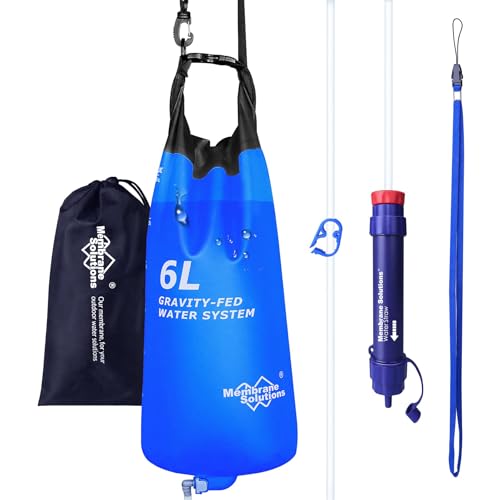
Membrane Solutions Gravity Water Filter Pro 6L, NSF/ANSI 42&372&401 Certified, 0.1 μm Versatile Water Purifier Camping with Adjustable Tree Strap Storage Bag, Survival Gear for Emergency Preparedness
Extra-Large Capacity: After the survey, 6L capacity is the most appropriate solution for group water needs. Our water...
As an affiliate, we earn on qualifying purchases.
Frequently Asked Questions
How Does Micron Rating Affect Filtration System Lifespan?
The micron rating impacts your filtration system’s lifespan by determining how quickly the filter material clogging occurs. A lower micron rating filters out smaller particles, which can reduce flow rate and cause the filter to clog faster, decreasing its lifespan. Conversely, a higher micron rating allows a better flow rate but may let larger particles through, potentially leading to more frequent replacements. Choose your micron rating based on your filtration needs to optimize lifespan.
Can a Lower Micron Rating Increase Filter Clogging?
Did you know that filters with lower micron ratings can clog up to 50% faster? A lower micron rating means the filter traps smaller particles, which increases the risk of filter clogging and flow restriction. This can reduce your system’s efficiency, requiring more frequent replacements. So, while finer filters catch more debris, they also demand more maintenance, making it essential to balance filtration needs with practical lifespan considerations.
Are Higher Micron Ratings Suitable for All Water Types?
Higher micron ratings aren’t suitable for all water types, especially if you deal with water hardness or pH imbalance. If your water is hard or has fluctuating pH levels, larger particles might pass through, reducing filtration effectiveness. You need a filter with a micron rating that matches your water quality. For soft water with stable pH, higher micron ratings can work, but always consider your specific water conditions.
How Do Micron Ratings Compare Across Different Filter Brands?
You’ll find that micron ratings vary across filter brands because of differences in filter material and pore size. Some brands use higher quality materials, resulting in more precise pore sizes, while others might claim the same micron rating but have larger pores due to different manufacturing standards. Always compare the filter material and pore size specifications directly, rather than just relying on micron ratings, to guarantee you get the level of filtration you need.
What Maintenance Is Needed for Filters With Specific Micron Ratings?
You should follow the manufacturer’s recommended maintenance schedule for your filters with specific micron ratings. Regular filter replacement is essential to maintain peak performance and prevent clogging or damage. Check your filters periodically—usually every few months—and replace them when they show signs of wear or after the suggested interval. Proper maintenance ensures your system stays efficient, protects your equipment, and keeps water or air quality at its best.

Katadyn Hiker Pro Hand Pump Water Filter for Backpacking, Camping, Emergency Survival
CAMPING, BACKPACKING & SURVIVAL WATER FILTER: AntiClogTM, 0.2-micron glass fiber filter reliably removes 99.9999% of bacteria, 99.9% of...
As an affiliate, we earn on qualifying purchases.
Conclusion
So, next time you see a filter labeled “5 micron,” don’t assume it’s better. Micron ratings only tell part of the story—they don’t guarantee superior filtration or longer life. Instead, focus on the filter’s actual performance, materials, and intended use. Remember, a lower micron number isn’t always the best choice. Always do your research, question the labels, and choose based on what’s truly effective for your needs.
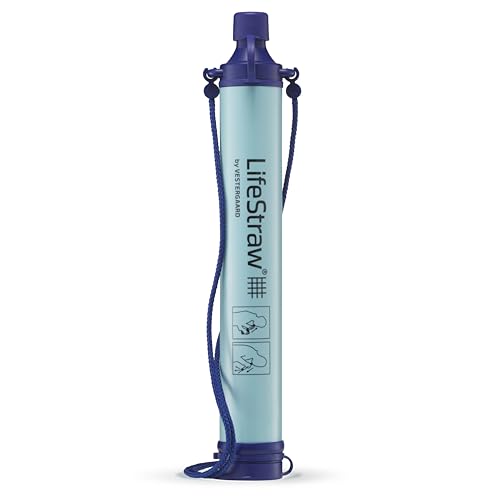
LifeStraw Personal Water Purifier for Hiking, Camping, Travel, and Emergency Preparedness
Removes Bacteria & Parasites: The Microfiltration Membrane Removes 99.999999% of Waterborne Bacteria (Including E. Coli and Salmonella), and...
As an affiliate, we earn on qualifying purchases.

Yuclet Gravity Water Filter System w/ 2-Gal Bag & 0.1-Micron Water Filter Straw, Gravity-Fed Water Filtration System Water Purifier Survival for Camping, Backpacking, Hiking & Emergency Preparedness
Simply fill the 2 gallons dirty reservoir with dirty water, hang the bag up and let gravity do...
As an affiliate, we earn on qualifying purchases.