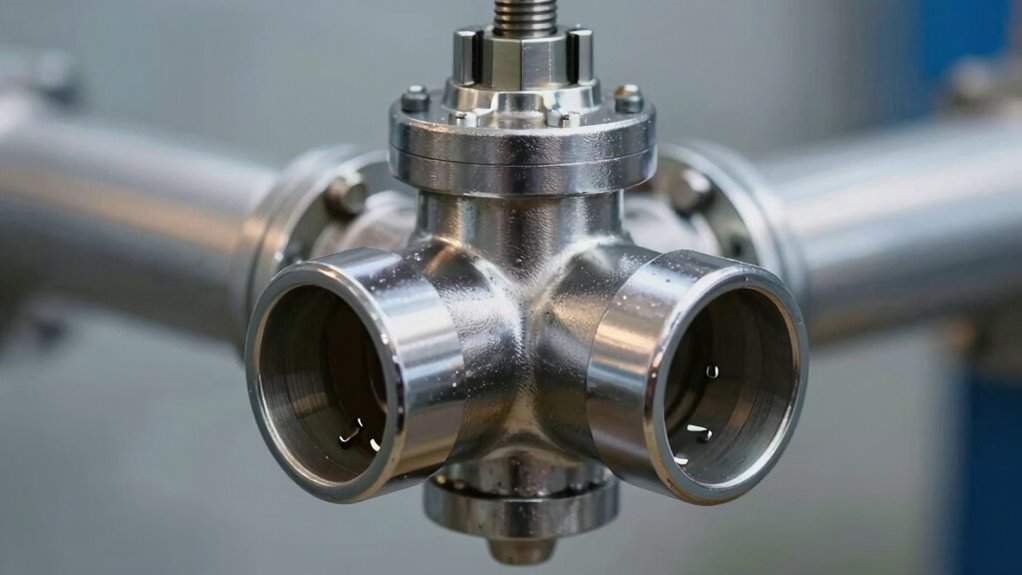
Check valves are simple yet crucial components that prevent backflow and protect your piping system from damage. They work automatically, allowing flow in one direction while stopping reverse flow. Proper installation and regular maintenance ensure a check valve functions correctly and lasts longer. By understanding how these valves operate and caring for them, you can keep your system safe and efficient. Keep exploring to discover tips on installing and maintaining these essential devices effectively.
Key Takeaways
- Check valves allow fluid flow in one direction, preventing backflow and protecting systems from reverse flow damage.
- Proper installation ensures check valves function effectively, avoiding leaks and pressure issues.
- Regular maintenance and inspection help identify wear or debris that could impair backflow prevention.
- Selecting the right type and size of check valve ensures reliable operation and system compatibility.
- Proper placement away from high-pressure sources and vibrations enhances check valve performance and longevity.
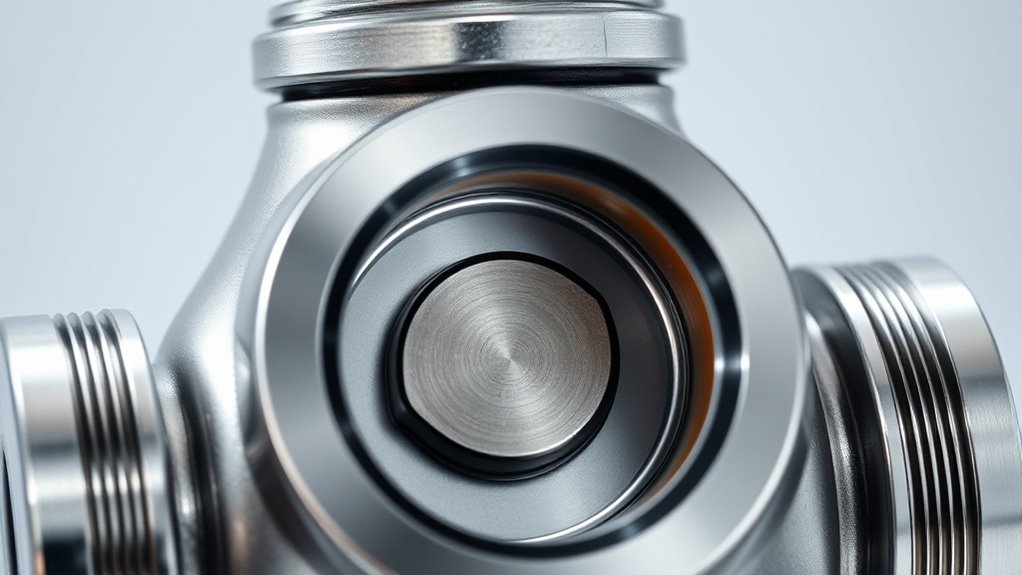
Check valves are essential components in many piping systems, designed to allow fluid flow in one direction while preventing backflow. When you’re installing a check valve, understanding proper installation techniques is crucial. First, ensure the valve is oriented correctly, with the flow direction arrow aligned with the piping. You should also consider the pipe size and pressure ratings to match the valve specifications, preventing leaks or damage. Tighten connections securely but avoid over-tightening, which could deform the valve or piping. Position the valve in a way that minimizes stress on the connection points, and if the system involves vibrations or movement, use supports or flexible connectors to reduce strain. Installing a check valve too close to pumps or other equipment can cause water hammer or pressure surges, so maintain recommended distances as specified by the manufacturer.
Once installed, your focus shifts to maintenance procedures that keep the check valve functioning efficiently. Regular inspection is key. Look for signs of wear, corrosion, or debris buildup that can hinder the valve’s operation. In many cases, you may need to disassemble the valve to perform a thorough cleaning. Before doing so, shut off the system and depressurize the piping to avoid accidents. When disassembling, check the valve’s internal components, such as the disc or ball, for damage or excessive wear. Replace any damaged parts promptly to prevent system failures. Lubricate moving parts as recommended by the manufacturer, typically with compatible lubricants, to ensure smooth operation. It’s also wise to check for leaks around the connections or the valve body itself and tighten or reseal as necessary. Incorporating proper materials and installation techniques can significantly extend the lifespan and reliability of your check valve.
Performing routine maintenance ensures your check valve continues to do its job effectively, preventing backflow and protecting your entire system. Keep a maintenance schedule based on the system’s usage and the environment it operates in. If you notice unusual noises, sluggish movement, or backflow issues, don’t delay troubleshooting. Sometimes, cleaning or minor repairs suffice, but in other cases, replacing the entire valve may be necessary. By adhering to proper installation techniques and maintenance procedures, you extend the lifespan of your check valve and avoid costly repairs or system failures down the line. Remember, a well-maintained check valve is a simple yet vital safeguard that keeps your piping system running smoothly and efficiently.
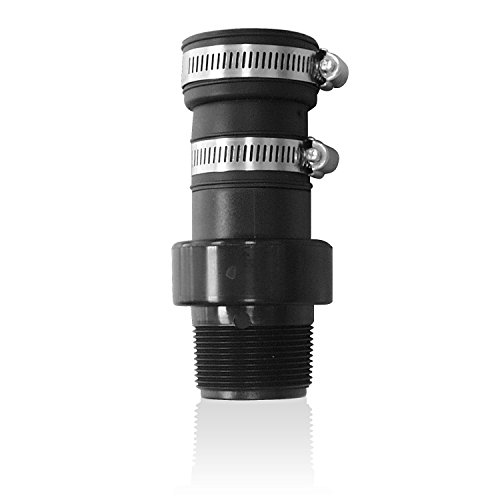
Wayne 1-1/2" Check Valve Kit
For Wayne Sump/Sewage Pumps
As an affiliate, we earn on qualifying purchases.
As an affiliate, we earn on qualifying purchases.
Frequently Asked Questions
How Long Do Check Valves Typically Last?
Check valves typically last between 5 to 10 years, depending on their design and usage. Your valve’s lifetime expectancy can be prolonged with proper maintenance, and choosing one with corrosion resistance is essential for durability. Regular inspections help identify wear early, preventing failures. By selecting high-quality, corrosion-resistant check valves and maintaining them properly, you can guarantee they perform effectively for as long as possible.
Can Check Valves Be Repaired or Only Replaced?
You can often repair check valves instead of replacing them, saving time and money. Start by inspecting installation considerations and troubleshooting tips, such as checking for debris or wear. If the valve’s internal parts are damaged, a simple repair might suffice. However, if the damage is extensive, substitution is the best option. Always follow manufacturer guidelines to ensure proper function and longevity.
Are There Specific Maintenance Routines for Check Valves?
You should perform regular maintenance on check valves, including inspecting for wear and debris, and guaranteeing proper lubrication requirements are met if applicable. Follow installation tips to ensure correct positioning and sealing. Keep the check valve clean, and replace it if it shows signs of damage or persistent issues. Regular checks help prevent backflow problems, prolong the valve’s lifespan, and maintain system efficiency.
What Materials Are Check Valves Commonly Made From?
They say, “You get what you pay for,” and when it comes to check valves, choosing the right material matters. Commonly, you’ll find check valves made from stainless steel, bronze, or plastic. These materials offer excellent durability and corrosion resistance, ensuring long-lasting performance. Select materials suited to your application’s environment, especially if exposure to moisture or chemicals is a concern, to keep your system running smoothly.
How Do I Choose the Right Check Valve for My System?
To choose the right check valve, consider your system’s flow rate and installation space. You want a valve that matches your flow rate to avoid pressure drops or backflow issues. Pay attention to installation considerations like orientation and connection type, ensuring compatibility with your piping. Selecting the correct size and material also helps maintain efficiency and longevity, preventing flow rate impact and ensuring reliable backflow prevention.

DIGITEN 1/4" Automatic Shut-Off Valve with Quick-Connect Fittings For RO Reverse Osmosis(Pack of 2)
1/4" Quick and easy connect fitting.
As an affiliate, we earn on qualifying purchases.
As an affiliate, we earn on qualifying purchases.
Conclusion
Now that you understand how check valves keep things flowing smoothly, imagine what could happen if they fail. A tiny malfunction might lead to backflow, causing costly damage or dangerous situations. Will you catch the signs early and prevent disaster? Don’t underestimate this simple part—its quiet presence holds the power to protect your system. Stay vigilant, because sometimes, it’s the smallest components that make the biggest difference when it counts most.

Fuel-Tool Check Valve Repair Tools MC-400
Provides for fast and easy professional installation of check valve O-ring or rebuild kit without having to remove…
As an affiliate, we earn on qualifying purchases.
As an affiliate, we earn on qualifying purchases.

599065 Replacement Check Valve Compatible with Little Giant CV-10 Check Valve, 1/4-inch MNPT x 3/8-inch Barbed – for VCC, CCM, VCMA, VCL-14/24
Wide Compatibility: Compatible with Little Giant CV-10 check valve, ensuring a perfect fit and function in compatible systems…
As an affiliate, we earn on qualifying purchases.
As an affiliate, we earn on qualifying purchases.