With salt-based systems, your pipes stay clearer because minerals like calcium and magnesium are exchanged for sodium, preventing buildup and reducing scale inside them. Salt-free conditioners alter mineral behavior without removing them, so they help prevent new deposits but may not remove existing scale. If you want truly soft water and maximum scale prevention, a salt-based system is best. Curious about how each option affects your plumbing? Keep exploring to find out more.
Key Takeaways
- Salt-based systems replace calcium and magnesium with sodium, preventing mineral deposits inside pipes and appliances.
- Salt-free conditioners alter mineral behavior, reducing scale formation without removing minerals from the water.
- Salt-based softeners are more effective at eliminating existing scale and preventing buildup in very hard water areas.
- Salt-free options maintain plumbing cleanliness and are environmentally friendly but may not remove existing scale.
- The choice impacts water taste, health considerations, and maintenance, with salt-based systems offering softer water and salt-free focusing on scale prevention.
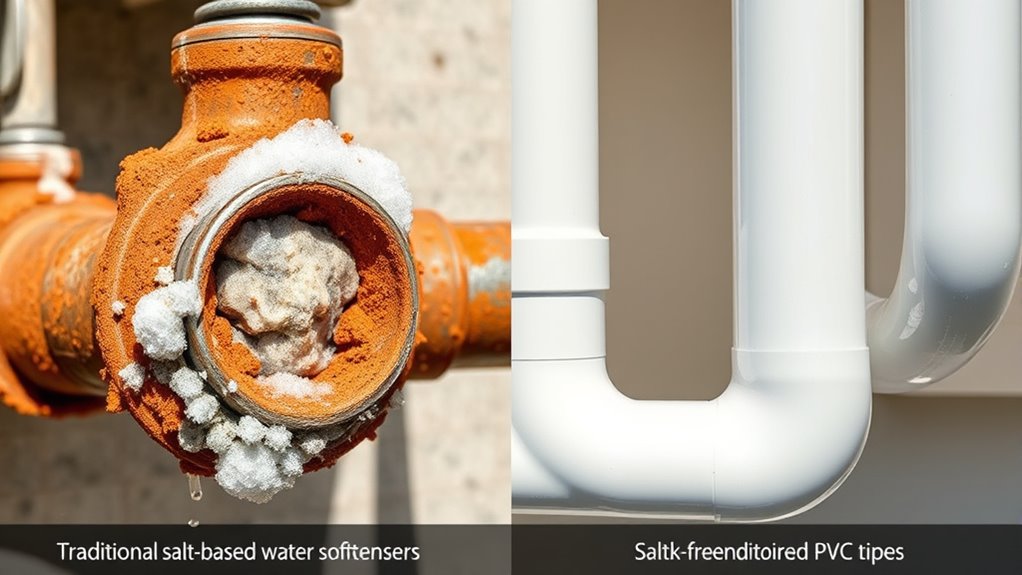
When choosing water softening systems, understanding the differences between salt-based and salt-free conditioners is crucial. Both options aim to improve water quality, but they work in very different ways and have distinct impacts on your plumbing and appliances. If you’re concerned about mineral buildup, knowing how each system affects this issue can help you make an informed decision.
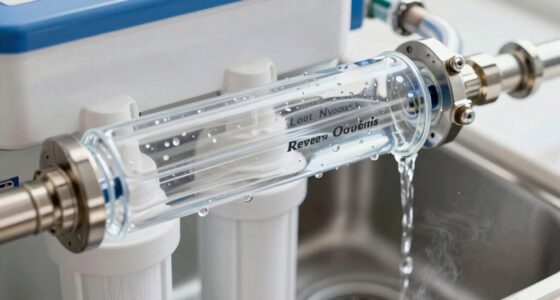
Salt-based water softening systems operate through a process called ion exchange. As hard water passes through the system, calcium and magnesium ions—responsible for mineral buildup—are replaced with sodium ions. This process effectively softens the water and prevents mineral deposits from accumulating inside pipes, water heaters, and appliances. By reducing mineral buildup, salt-based systems can extend the lifespan of your plumbing and improve the efficiency of your water-using appliances. However, they do add a small amount of sodium to your water, which might be a concern for those on sodium-restricted diets.
Salt-based systems use ion exchange to replace calcium and magnesium with sodium, softening water and preventing mineral buildup.
On the other hand, salt-free conditioners don’t actually remove minerals but instead alter their behavior. These systems use a process called template-assisted crystallization (TAC) or other similar methods to change calcium and magnesium into microscopic crystals that don’t adhere to pipes or form scale. Basically, they prevent mineral buildup from forming in the first place, keeping your plumbing cleaner over time. Salt-free options are often praised for their low maintenance and environmental friendliness since they don’t require salt or regenerant cycles. They’re also a good choice if you want to avoid adding sodium to your water.
However, it’s important to recognize that salt-free conditioners may not be as effective at softening water for certain applications, especially in areas with extremely hard water. They tend to work best when your primary goal is to prevent mineral buildup rather than achieve truly soft water. If you’re looking to eliminate scale in your pipes and appliances, salt-based systems generally deliver more noticeable results.
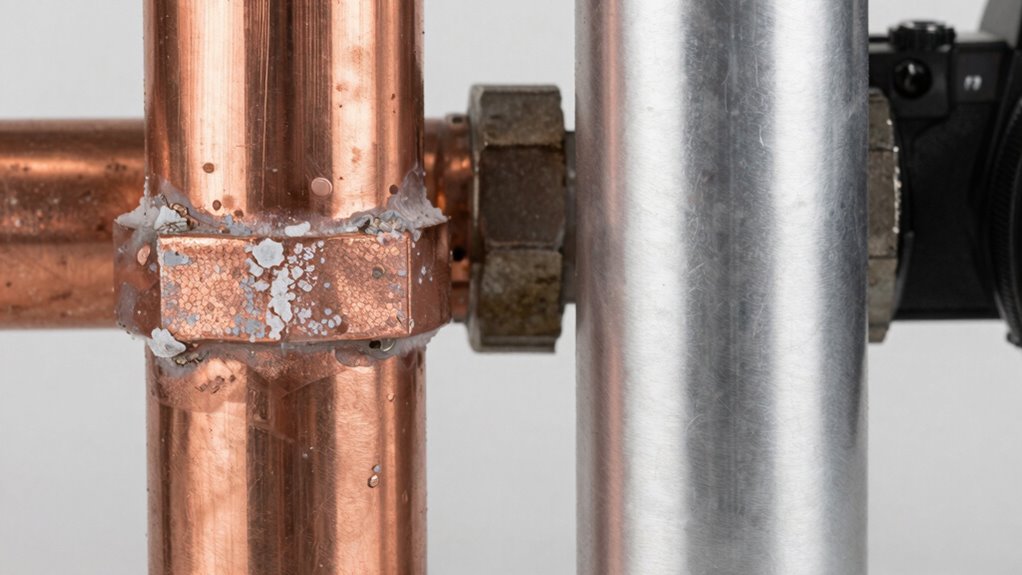
In terms of impact on your pipes, a salt-based water softener can considerably reduce mineral buildup, helping to keep your pipes clear and functioning efficiently. Salt-free conditioners may not completely eliminate mineral deposits but will help prevent new buildup from forming, which could still prolong the life of your plumbing. Your choice depends on your priorities—whether you prefer the thorough softening and scale prevention of a salt-based system or the lower maintenance, environmentally friendly approach of a salt-free conditioner.
Ultimately, understanding how each system interacts with your water’s mineral content will help you choose the right solution. If mineral buildup is a major concern, a salt-based softener might be your best bet. But if you want a maintenance-friendly, chemical-free option that reduces scale formation without adding salt, then a salt-free conditioner could be ideal.
Frequently Asked Questions
How Often Should I Replace Salt in a Salt-Based Water Softener?
You should replace the salt in your salt-based water softener about every 4 to 6 weeks, depending on your water usage and the hardness level. Keep an eye on the salt level and perform regular salt replenishment as part of your maintenance schedule. By doing so, you guarantee your softener operates efficiently, preventing mineral buildup and maintaining the quality of your water supply.
Can Salt-Free Systems Remove Existing Scale Buildup?
Sure, salt-free systems can’t magically remove existing scale buildup or mineral deposits. They work by preventing future buildup, so if your pipes already have scale, you’ll need a professional cleaning or descaling process. Ironically, while salt-free systems are great for maintenance, they don’t undo the damage already done. To truly address scale removal, consider a thorough descaling treatment alongside your salt-free system to keep your pipes clear.
Are There Health Concerns Associated With Salt-Based Water Softeners?
Yes, salt-based water softeners can raise health concerns because of the added sodium, which might impact people on low-sodium diets. They also have environmental impacts due to salt discharge, which can harm local ecosystems. If you’re worried about health implications or environmental impact, you might prefer salt-free systems. These options provide softer water without introducing extra sodium or contributing to salt pollution, making them a healthier, eco-friendlier choice.
Do Salt-Free Conditioners Require Regular Maintenance?
Think of your salt-free conditioner as a loyal guardian. It needs minimal upkeep, so you won’t spend much time on maintenance frequency. Usually, you just check the media every year or so. This simple routine helps guarantee system durability, letting your guardian stand strong over time. Unlike salt-based systems, it’s designed to last longer with less fuss, keeping your pipes protected without constant attention.
What Is the Typical Lifespan of Each System Type?
You’ll find that salt-based systems generally last around 10 to 15 years, offering good durability with proper maintenance, while salt-free systems tend to have a slightly shorter lifespan of about 8 to 12 years. Replacement frequency depends on system quality and usage, so regular inspections help you catch early signs of wear. Investing in high-quality systems can extend their durability, reducing how often you need to replace them.
Conclusion
Choosing between salt-based and salt-free water conditioning depends on your needs. If you’re worried about salt buildup or environmental impact, salt-free systems might be your best bet. Imagine your pipes flowing freely, free from harsh chemicals and residue, as if they’re gliding through a smooth tunnel. No more worries about salt corrosion or slippery deposits. With the right system, your plumbing stays healthier, and your water stays clean—making everyday life easier and more worry-free.