
Hard water has high levels of calcium and magnesium minerals that react with soap, forming insoluble soap scum residue. This mineral buildup clings to surfaces, clogs pipes, and makes appliances work harder, costing you more energy and money. The chemical reaction reduces soap’s cleaning power, leaving your home with stubborn films and deposits. Understanding this mineral math reveals why hard water causes issues—keep exploring to discover effective ways to tackle it.
Key Takeaways
- Hard water contains high levels of calcium and magnesium minerals that react with soap to form insoluble soap scum.
- The mineral content reduces soap’s ability to lather, making cleaning less effective and increasing residue buildup.
- Calcium and magnesium ions combine with soap molecules, creating chalky, water-insoluble deposits on surfaces and in pipes.
- Mineral deposits cause household issues like soap scum, clogged pipes, and decreased appliance efficiency.
- Using water softeners or specialized cleaning products helps manage mineral levels and prevent soap scum formation.
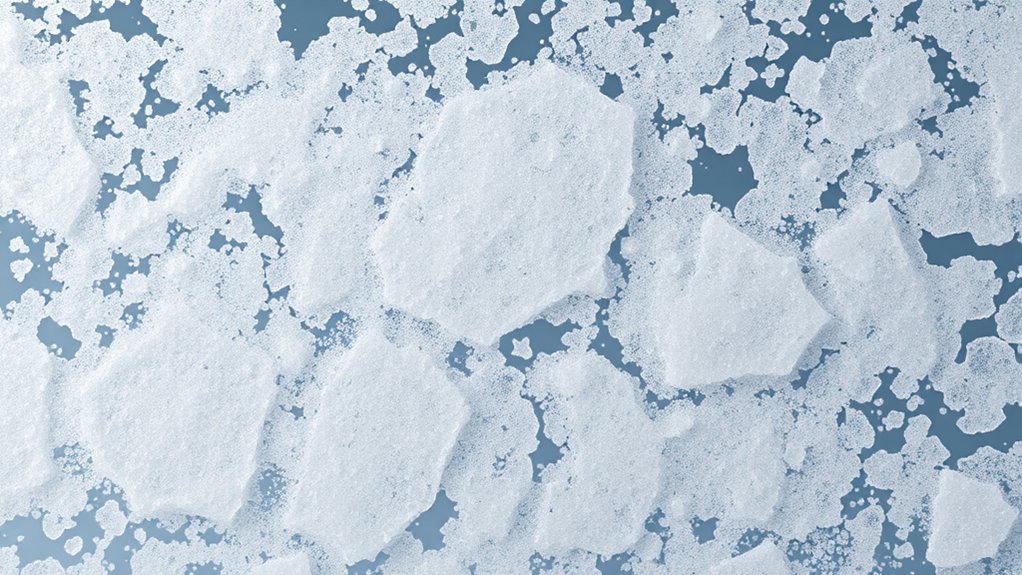
Hard water is water that contains high levels of dissolved minerals, primarily calcium and magnesium. When this mineral-rich water flows through your pipes and fixtures, it leaves behind tiny particles called mineral deposits. These deposits are responsible for many common household issues, like soap scum and dull-looking dishes. Understanding how these minerals interact with soap can help you grasp why hard water creates problems and how to address them effectively.
Hard water leaves mineral deposits that cause soap scum and dull dishes.
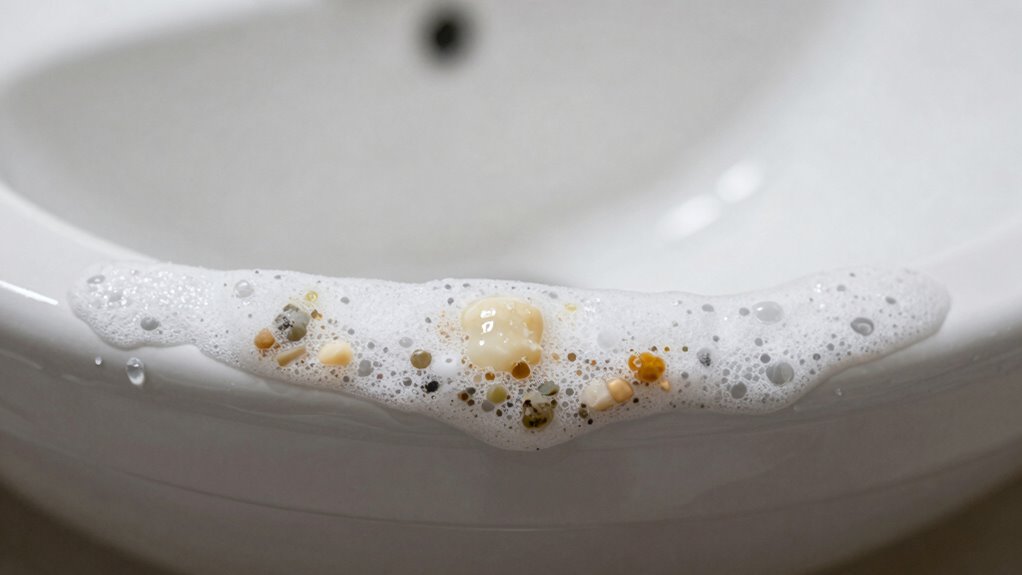
When you wash with hard water, soap doesn’t lather as easily as it does with soft water. This is because of a simple chemical reaction known as the soap reaction. Normally, soap molecules surround dirt and oils, forming bubbles that wash away grime. But in hard water, calcium and magnesium ions react with soap to form insoluble compounds called soap scum. These compounds are what you see as that filmy, often chalky residue on your bathtub, sink, or laundry. They cling stubbornly to surfaces because they’re not water-soluble, making cleaning more difficult and requiring more soap to achieve the same results.
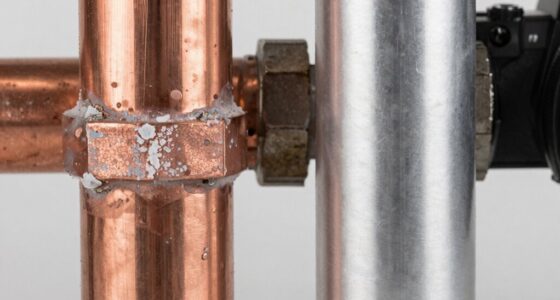
This soap reaction not only diminishes your soap’s cleaning power but also contributes to mineral deposits building up on your fixtures and appliances. Over time, these deposits accumulate in pipes, reducing water flow and increasing the risk of blockages. The mineral deposits can also cause appliances like water heaters and washing machines to work harder, decreasing their lifespan and efficiency. That’s why, with hard water, you tend to use more soap, detergent, and cleaning products, yet still struggle with residue and film. It’s a persistent cycle where the minerals interfere with cleaning efforts, creating a need for extra effort and expense.
You might notice that soap scum is especially stubborn in areas with prolonged exposure to hard water, like bathroom tiles or in your laundry. The more mineral deposits build up, the more pronounced these issues become. To combat this, many people install water softeners or use specialized cleaning products designed to break down mineral deposits and prevent soap scum formation. Regular cleaning with vinegar or commercial descalers can also help dissolve existing deposits and reduce soap reaction effects. Additionally, understanding the benefits of curiosity can encourage exploring new cleaning techniques or products that might better tackle mineral buildup.
Understanding the mineral math behind soap scum helps you see why hard water causes these problems. It’s not just about minerals making water “hard,” but about how those minerals react with soap, forming insoluble compounds that leave deposits behind. By managing mineral levels or choosing the right cleaning tools, you can minimize these effects and keep your home cleaner and more efficient.
Frequently Asked Questions
Can Hard Water Damage Plumbing Over Time?
Yes, hard water can damage your plumbing over time. The mineral buildup from calcium and magnesium creates deposits inside pipes, reducing water flow and increasing pressure. Over time, this buildup can lead to pipe corrosion, causing leaks or blockages. To protect your plumbing, consider installing water softeners or regular maintenance to reduce mineral deposits and extend the lifespan of your pipes.
Are There Health Benefits to Drinking Hard Water?
Surprisingly, drinking hard water can offer health benefits, though you might not expect it. It provides essential minerals like calcium and magnesium that aid in mineral absorption, supporting bone health and cardiovascular functions. While some see it as an inconvenience, hard water naturally boosts your mineral intake, making it a beneficial, if overlooked, part of your hydration routine. So, enjoy that glass—it’s doing more for you than you might realize.
How Does Hard Water Affect Appliance Longevity?
Hard water shortens your appliance lifespan by causing mineral buildup inside them. Over time, minerals like calcium and magnesium accumulate, leading to clogged pipes, reduced efficiency, and increased energy consumption. This buildup can also cause appliance corrosion, damaging components and causing breakdowns. To protect your appliances, consider installing water softeners or regular maintenance to reduce mineral deposits and extend their longevity.
What Are the Most Effective Water Softening Methods?
Think of water softening techniques as your secret weapon against mineral buildup. You can use ion exchange systems, which swap calcium and magnesium ions for sodium, or install reverse osmosis filters for thorough mineral removal. Salt-based water softeners are also popular, using resin beads to trap minerals. These methods effectively reduce soap scum and extend appliance life, making your home more efficient and your water gentler on your skin.
Does Hard Water Impact Skin and Hair Health?
Yes, hard water can impact your skin and hair health. It often causes skin irritation, making your skin feel dry and itchy after showers. For your hair, hard water leads to dryness and dullness, stripping away natural oils. You may notice increased scalp dryness or trouble with hair manageability. Using a water softener or chelating shampoos can help reduce these effects, leaving your skin and hair healthier and more comfortable.
Conclusion
Now that you understand how minerals like calcium and magnesium cause soap scum, you can take control. Imagine a homeowner struggling with stubborn spots on their shower door; after installing a water softener, those issues vanish. By knowing the mineral math behind hard water, you can choose solutions that work best for your home. With a little knowledge and action, you’ll enjoy cleaner, clearer water and less hassle every day.