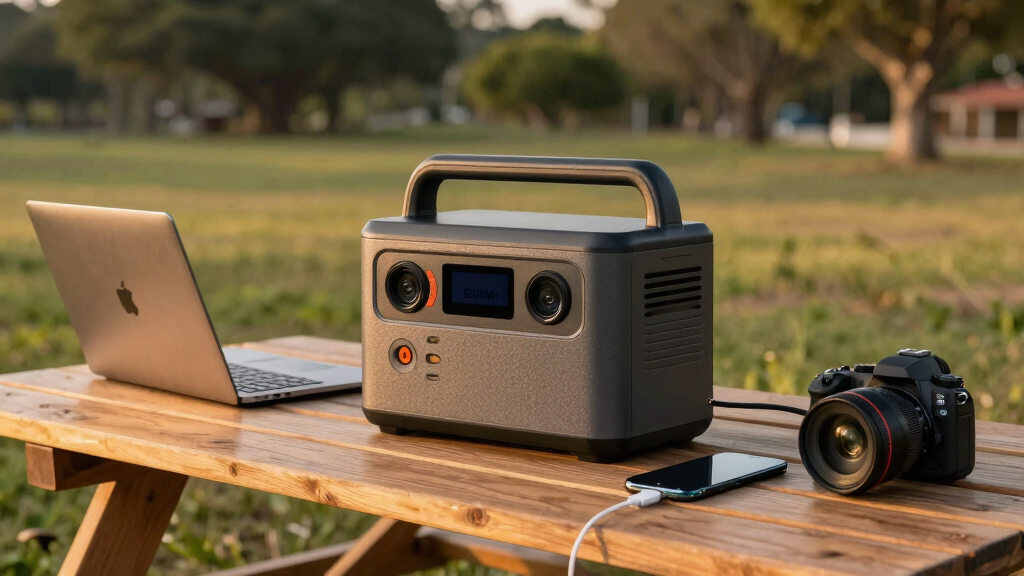

When searching for the best portable power station 3000W, the key considerations are power output, battery capacity, and versatility. The EF ECOFLOW DELTA 3 Ultra Plus stands out as the overall best for its impressive capacity and rapid recharging, making it ideal for both home backup and outdoor use. The Jackery HomePower 3600 Plus offers a similar wattage but with a focus on ease of use and portability. A common challenge is balancing high power with portability, as larger units tend to be heavier and less convenient to carry. Keep reading for a detailed comparison of nine top options and insights on choosing the right power station for your needs.
Complete the kit


Key Takeaways
- The top picks balance high power output with manageable weight and size, ensuring portability without sacrificing performance.
- Battery chemistry matters: LiFePO4 models like PECRON offer longer lifespan and safety compared to traditional lithium-ion options.
- Fast recharging options, such as AC wall or solar, are common among the best models, reducing downtime and increasing flexibility.
- Versatility in port selection and AC outlets is crucial for supporting a wide range of devices simultaneously.
- Price varies significantly, but investing in a slightly more expensive model often yields better build quality, longer lifespan, and more features.


| portable power station 3000w | Capacity | Dimensions | Weight |
|---|---|---|---|
| EF ECOFLOW DELTA 3 Ultra Plus | — | — | — |
| Jackery HomePower 3600 Plus Po | 3584Wh | 34% smaller and lighter than comparable models | Lightweight, specific weight not provided |
| EF ECOFLOW Portable Power Stat | — | — | — |
| DABBSSON Portable Power Statio | — | — | — |
| Jackery HomePower 3000 Portabl | 3072Wh | — | Lightweight and compact (exact weight not specified) |
| Anker SOLIX S2000 Portable Pow | 2010Wh | 8.2 x 11.1 x 12.7 inches | 35.7 lbs |
| Anker SOLIX F3000 Portable Pow | — | 25.6"L x 11.8"W x 14.8"H | — |
| Anker SOLIX F3000 Portable Pow | 3072Wh | 25.6"L x 11.8"W x 14.8"H | 91.5 pounds |
| PECRON Portable Power Station | 3072Wh | Similar to other large units | Approximately 35-40 kg |
More Details on Our Top Picks
EF ECOFLOW DELTA 3 Ultra Plus 3072Wh Portable Power Station, 3600W Output
This model stands out for its impressive expandable capacity, ranging from 3kWh to 11kWh, making it highly adaptable for both short-term and long-term off-grid needs. Compared with the Jackery HomePower 3600 Plus, the EcoFlow offers faster charging via X-Stream technology, reducing downtime significantly. Its quiet operation at just 25dB means it can be used indoors without disturbance, a key advantage over bulkier options. However, the 74-pound weight can make frequent transport challenging, and the limited outlets (just 2) may require multiple units for larger setups, adding to the overall cost. Its support for solar, car, and generator charging makes it flexible, but the higher initial investment and weight could deter casual users.
Pros:- Expandable capacity from 3kWh to 11kWh for versatile use
- Fast charging in under an hour with X-Stream technology
- Quiet operation at just 25dB, suitable for indoor and outdoor use
- Supports multiple charging options including solar, car, and generators
Cons:- Heavy at 74 pounds, making transport difficult
- Limited number of outlets (2), possibly requiring additional units
Best for: Campers and remote property owners needing expandable capacity with quiet operation.
Not ideal for: Frequent travelers or those with limited space, due to its weight and size.
- Wattage:3600 watts
- Fuel Type:Solar Powered
- Power Source:Solar Powered
- Output Wattage:3600 watts
- Additional Features:Portable, Fast Charging, Supports Multiple Charging Methods
- Item Weight:74 pounds
Our verdict“This is best suited for users seeking flexible, expandable power with quick charging and quiet operation, despite its weight.”
Jackery HomePower 3600 Plus Power Station, 3584Wh, 3600W AC Output
The Jackery HomePower 3600 Plus offers a solid 3584Wh capacity with a lightweight, portable design featuring wheels and a telescopic handle, making it easier to move around than larger models like the EF ECOFLOW DELTA Pro. Its high safety standards and multiple charging options, including solar, AC, and gas generator, make it suitable for emergency home backup and outdoor activities. While it doesn’t match the ultra-rapid recharge times of the EcoFlow or ECOFLOW DELTA Pro, its portability and safety features make it a convenient choice for those who need reliable power without the bulk. The slightly lower capacity and limited outlet count compared to the ECOFLOW DELTA Pro mean it’s less suited for very high-demand setups, though it remains a practical middle ground.
Pros:- High capacity with expandable options for household needs
- Lightweight design with wheels and telescopic handle for easy transport
- Multiple charging methods including solar, AC, and gas generator
- High safety standards for reliable home use
Cons:- Requires multiple units for higher total capacity
- Potentially more expensive due to safety and portability features
Best for: Homeowners needing a portable backup power solution with easy mobility and safety features.
Not ideal for: Heavy-duty off-grid users requiring maximum capacity or expansion, due to its smaller size and limited outlets.
- Capacity:3584Wh
- AC Output:3600W
- Parallel Output:7200W
- Dimensions:34% smaller and lighter than comparable models
- Lifespan:6,000 cycles
- Weight:Lightweight, specific weight not provided
Our verdict“This pick makes the most sense for users who prioritize portability and safety for home backup and outdoor use, accepting some capacity limitations.”
EF ECOFLOW Portable Power Station 3600Wh DELTA Pro, 120V 3600W AC Output
The EF ECOFLOW DELTA Pro offers a massive 3600Wh battery that can be expanded up to 25kWh with additional batteries or generators, making it ideal for long-term off-grid living or large-scale backup. Its fast recharge times via multiple methods, including X-STREAM, mean less downtime. The array of 15 output ports, along with smart app control, provides versatile device management. Compared with the Jackery HomePower, the DELTA Pro’s expandable capacity makes it more appealing for users planning for future growth or larger power needs. The primary tradeoff is its weight at 99 pounds, which limits portability, and its high price may be prohibitive for casual users. Setup complexity increases with expansion options, making it more suitable for experienced users.
Pros:- Large expandable capacity up to 25kWh
- Fast recharge with multiple charging options
- Multiple output ports and smart app control
- Suitable for long-term off-grid or emergency use
Cons:- Heavy at 99 pounds, difficult for frequent movement
- High cost and setup complexity for expansion
Best for: Preppers, contractors, or large households seeking a scalable, high-capacity power station.
Not ideal for: Casual campers or those needing lightweight, portable power for short trips due to its weight and complexity.
- Wattage:3600 watt-hours
- Fuel Type:Non-gasoline
- Output Wattage:4500
- Additional Features:APP Control, Expandable, Fast Charging
- Item Weight:99 pounds
Our verdict“This is best for users who need scalable, high-capacity power solutions and are comfortable with a higher price and setup complexity.”
DABBSSON Portable Power Station 3000L, 3072Wh, 3000W AC Output, Solar Generator for Home Backup, Camping & RVs
The DABBSSON 3000L balances capacity and affordability, offering 3072Wh with a 3000W AC output and a boost up to 3600W, making it suitable for backup power during outages, camping, and RV trips. Its multiple charging options, including solar and vehicle, add to its flexibility, and the mobile app simplifies management. Compared with the Jackery HomePower 3600 Plus, the DABBSSON provides a similar capacity at a lower price point, though the runtime for high-power devices may be limited, and it weighs nearly 60 pounds, which is less portable but still manageable for many users. It’s less suited for those needing continuous high-demand power or extensive expansion, but it offers solid value for common backup needs.
Pros:- High capacity of 3072Wh for reliable backup
- Supports appliances up to 3600W with Power Boost
- Multiple recharging options including solar and vehicle
- Mobile app for monitoring and control
Cons:- Heavy at nearly 60 pounds, less portable
- Requires separate solar panels for full solar recharging
Best for: Budget-conscious campers and RV owners needing reliable backup power with flexible recharge options.
Not ideal for: Heavy-duty off-grid or long-term power needs, due to limited runtime and weight.
- Wattage:3000 watts
- Fuel Type:Electric
- Voltage:120 volts
- Solar Input:12-60V
- Total Power Outlets:6
- Item Weight:59.5 pounds
Our verdict“This model offers good capacity and versatility at a more affordable price, ideal for casual backup and outdoor use, with some tradeoffs in runtime.”
Jackery HomePower 3000 Portable Power Station, 3072Wh, 3600W AC Output
The Jackery HomePower 3000 offers a dependable 3072Wh capacity with a high 3600W output, making it suitable for home backup and outdoor activities. Its quick recharging in under 2 hours via hybrid AC/DC or AC alone provides a practical advantage over slower models. The inclusion of multiple ports, including USB-C, USB-A, and RV outlets, supports a wide range of devices. While it is relatively heavy for portability, its long battery cycle life of 4,000 cycles ensures durability. Compared with the ECOFLOW DELTA 3 Ultra Plus, it may lack the same level of expansion, but it compensates with a more straightforward design and long-term reliability. Its higher price reflects the advanced battery technology and fast charging capability.
Pros:- High capacity of 3072Wh for reliable backup
- Fast recharge time under 2 hours
- Multiple ports for versatile device support
- LiFePO4 batteries with 4,000 cycles for longevity
Cons:- Relatively heavy for portable use
- Higher price point reflecting advanced features
Best for: Homeowners and outdoor enthusiasts needing fast, reliable backup with long-lasting batteries.
Not ideal for: Frequent travelers or those who need ultra-lightweight solutions, due to its weight and size.
- Capacity:3072Wh
- AC Output:3600W
- Surge Power:7200W
- Charge Time:1.7 hours via hybrid AC/DC
- Battery Type:LiFePO4
- Weight:Lightweight and compact (exact weight not specified)
Our verdict“This is best for users prioritizing fast recharge and long-lasting performance in a reliable, home-ready power station.”
Anker SOLIX S2000 Portable Power Station, 2010Wh, 3000W Peak, Home Backup
The Anker SOLIX S2000 stands out as the best all-around choice by balancing capacity, portability, and versatility. Its 2010Wh battery offers substantial backup power, and with a continuous 1500W output, it handles most appliances effectively. Compared to larger units like the PECRON F3000LFP, it’s lighter and easier to move, making it suitable for both home and outdoor use. However, its lack of a 12V DC port limits some device options, and with only 8 outlets, it might fall short for complex setups. Ideal for homeowners seeking reliable backup that doesn’t sacrifice portability, it’s less suited for large-scale industrial needs or users requiring more outlets.
Pros:- High-capacity 2010Wh battery with long cycle life
- Compact and lightweight for its capacity at 35.7 lbs
- Supports multiple charging methods including solar and AC
- Powerful 1500W continuous output suitable for most appliances
Cons:- No 12V DC port available, limiting some device connections
- Limited to 8 outlets which may not suit all setups
Best for: Homeowners needing a dependable backup with moderate portability
Not ideal for: Heavy-duty professionals with extensive power needs or large RVs requiring more outlets
- Capacity:2010Wh
- Peak Power:3000W
- Continuous Power:1500W
- Battery Type:LiFePO4 (LFP)
- Battery Cycle Life:10,000 cycles
- Dimensions:8.2 x 11.1 x 12.7 inches
- Weight:35.7 lbs
- Solar Input:up to 400W
Our verdict“This pick is best for users who want a balance of capacity, portability, and versatility for home or outdoor backup needs.”
Anker SOLIX F3000 Portable Power Station, 3,072Wh, 6,000W, Solar Generator
The Anker SOLIX F3000 offers exceptional capacity and power output, making it ideal for emergency backup, camping, and RV use. Its 3,072Wh capacity and 6,000W peak output surpass many competitors like the DABBSSON Portable Power Station 3000L, providing enough juice for high-demand appliances. While this unit supports fast recharging via solar and fuel generators, its weight of 91.5 pounds makes it less portable for frequent moves. The setup process can be complex due to multiple cables and accessories, and its higher price tag might be prohibitive for budget-conscious buyers. Still, its expansive ports and long runtime justify the investment for serious outdoor and emergency scenarios.
Pros:- Massive 3,072Wh capacity with expandable options
- Supports fast recharging via solar and fuel generators
- High wattage output of 6,000W for demanding appliances
- Multiple outlets and versatile for various applications
Cons:- Heavy weight at 91.5 pounds limits portability
- Complex setup with multiple cables
Best for: Emergency preparedness, large RV setups, and outdoor enthusiasts who prioritize power capacity
Not ideal for: Casual users or those needing a lightweight, portable solution for everyday use
- Wattage:3600 watts
- Fuel Type:solar
- Power Source:Battery Powered
- Recommended Uses:Power Outages, Camping, RVs, Emergencies
- Voltage:120 volts
- Runtime:42 hours
- Item Weight:91.5 pounds
- Dimensions:25.6″L x 11.8″W x 14.8″H
Our verdict“This model is best suited for users who need serious power and capacity for emergencies or large outdoor setups and are willing to handle its weight and complexity.”
Anker SOLIX F3000 Portable Power Station with Alternator Charger, 3,072Wh, 6,000W Recharging, Solar Compatible, for Home, Camping, RVs, Emergencies
The Anker SOLIX F3000 with Alternator Charger emphasizes smart features, fast recharging, and broad application. Its 3,072Wh capacity and 6,000W peak make it suitable for powering multiple devices during extended camping or home backup scenarios. Supported by solar and fuel generators, it can recharge quickly within 2 hours, a real advantage over models like the PECRON F3000LFP. The inclusion of app control and UPS backup enhances usability, especially for tech-savvy users. However, its weight of 91.5 pounds and need for a cascade cable for additional batteries can limit portability and complicate setup. It’s a strong choice for those who value connectivity and smart management over simplicity.
Pros:- Fast recharge in just 2 hours with multiple options
- Supports smart app control and UPS backup feature
- High capacity at 3,072Wh for extended power needs
- Versatile outputs including AC, USB-C, and DC
Cons:- Heavy and bulky at 91.5 pounds
- Requires a special cascade cable for additional batteries
Best for: Tech-savvy users seeking smart control and rapid recharging during camping or emergency backup
Not ideal for: Light travelers or users seeking a straightforward, lightweight power station
- Capacity:3072Wh
- Power Output:3600W
- Charging Time:2 hours
- Input Power:1800W max
- Solar Compatibility:1600W max, 25-120V
- Ports:6 AC outlets, 2 USB-C, 2 USB-A, 1 carport, 2 DC 5525
- Weight:91.5 pounds
- Dimensions:25.6″L x 11.8″W x 14.8″H
Our verdict“This option is best for users who desire fast, smart, and flexible recharging with extensive device support, accepting its weight and setup complexity.”
PECRON Portable Power Station F3000LFP, 3072Wh Solar Generator, 3600W LiFePO4 Battery, Home Backup & Camping
The PECRON F3000LFP offers a balanced combination of capacity, fast charging, and smart features. Its 3072Wh LiFePO4 battery ensures extended backup times, while a quick 2-hour recharge makes it competitive with other high-capacity models. Its 3600W pure sine wave output supports a wide range of appliances simultaneously. Compared to the Anker SOLIX F3000, its smart app control and UPS feature add convenience, though it requires a special cascade cable to connect additional batteries, which could complicate setup. Its weight and bulk make it less portable, but for stationary backup or extended camping, it performs admirably.
Pros:- High capacity with a 3072Wh LiFePO4 battery for long runtime
- Fast recharge in 2 hours via multiple sources
- Supports multiple devices with six AC outlets and varied ports
- Smart control with app monitoring
Cons:- Requires a special cascade cable for additional batteries
- Heavy and less portable for frequent movement
Best for: Home users needing reliable, long-lasting backup with fast charging capabilities
Not ideal for: Travelers seeking lightweight, portable power or users without space for bulky equipment
- Capacity:3072Wh
- Power Output:3600W
- Charging Time:2 hours
- Input Power:1800W max
- Solar Compatibility:1600W max, 25-120V
- Ports:6 AC outlets, 2 USB-C, 2 USB-A, 1 carport, 2 DC
- Weight:Approximately 35-40 kg
- Dimensions:Similar to other large units
Our verdict“This model suits users needing dependable, quick-charging backup power with smart features, accepting its heavier build for stationary applications.”

How We Picked
My evaluation focused on performance, build quality, and usability. I prioritized models with a continuous output of 3000W or more, as this is essential for powering larger appliances or multiple devices simultaneously. Battery capacity and recharge options, including solar compatibility, were key factors because they determine how long and how flexibly the station can operate. I also considered portability, weighing the unit’s weight and form factor against its power capabilities. Finally, I looked at user reviews and reliability to ensure these products are durable and worth the investment, leading to a ranking that balances power, practicality, and value.Factors to Consider When Choosing Best Portable Power Station 3000w
Choosing the best portable power station 3000W involves assessing several critical factors that impact usability, longevity, and value. Understanding these elements helps avoid common pitfalls like underestimating power needs or overpaying for features you won’t use. Consider your primary use case—whether for home backup, camping, or emergencies—to determine which features are most important. This guide highlights key considerations to help you make an informed purchase that meets your specific needs.Power Output and Performance
Ensure the station provides a continuous 3000W or higher output, which is crucial for running larger appliances like refrigerators or power tools. Peak wattage matters for startup surges, so look for models with at least 6000W peak power. Keep in mind that higher wattage units tend to be heavier, so weigh your portability needs against your power requirements. Choosing a model with reliable inverter technology ensures stable power delivery, which protects sensitive devices from surges or fluctuations.
Battery Chemistry and Capacity
The type of battery impacts lifespan, safety, and maintenance. LiFePO4 batteries, found in models like PECRON, last longer—often 3,000+ charge cycles—and are safer due to improved thermal stability. Battery capacity, measured in watt-hours, determines how long your devices can run. For extended use, aim for at least 3000Wh, which balances weight and runtime. Be mindful that larger capacities generally add to the size and weight, so consider your transport needs.
Recharging Options and Speed
Fast recharging is vital for minimizing downtime. Many top models support AC wall charging, solar input, or both. Solar compatibility offers off-grid flexibility, especially for camping or emergencies, but check the input wattage to ensure quick recharging. Some units include fast-charging features that can refill batteries in a few hours—an essential feature if you rely on your power station regularly. Always verify the maximum solar input to match your solar panel setup for optimal performance.
Port Selection and Usability
Evaluate the variety and number of ports—AC outlets, USB-C, USB-A, and DC outputs—based on your device needs. A well-designed station offers multiple AC outlets to support several appliances simultaneously. Consider ease of use elements like LCD screens showing real-time stats, simple controls, and portability features such as handles or wheels. Don’t overlook the importance of robust build quality, especially if you plan to carry or move the station frequently.
Price and Overall Value
High wattage and advanced features come at a premium, but they can translate into better durability and performance. Be cautious of overly cheap models that may compromise safety or battery lifespan. Investing a bit more in a reputable brand with good customer support can save money and hassle in the long run. Consider your budget against the critical features you need—sometimes, paying extra for a model with LiFePO4 batteries or faster recharging capabilities yields better overall value.
Frequently Asked Questions
Will a 3000W portable power station run my refrigerator?
Most 3000W power stations can handle typical household refrigerators, especially if they have a surge capacity of around 6000W or more. It’s important to check the startup surge of your refrigerator, as some models draw significantly more power briefly when starting. A station with a stable inverter and sufficient surge capacity ensures your fridge runs smoothly without tripping the system. Always verify the appliance’s wattage and surge requirements before use.
Can I recharge my 3000W power station with solar panels?
Yes, most high-capacity models support solar recharging, which adds flexibility for off-grid use. However, the recharge time depends on the solar input wattage—higher wattage panels will speed up the process. Check if the station supports MPPT charge controllers, which optimize solar input. Keep in mind that cloudy days or partial shading can reduce recharging efficiency, so pairing your station with appropriately rated solar panels is essential for best results.
Is a LiFePO4 battery worth the extra cost in a portable power station?
LiFePO4 batteries generally offer longer lifespan, improved thermal stability, and better safety compared to traditional lithium-ion batteries. While they tend to be more expensive upfront, their durability—often over 3,000 charge cycles—means you will replace or upgrade your station less frequently. This makes them a smart investment if you plan to use your power station regularly or for long-term backup. However, they may add weight and size, so consider your portability needs.
How important is the weight of a 3000W portable power station?
Weight is a significant factor because high-capacity power stations with large batteries tend to be heavy—often exceeding 50 pounds. If you need a unit for frequent transport, choose one with wheels or handles to ease moving it around. For stationary use, weight may be less of a concern, and you can prioritize capacity and features. Balancing portability with performance is key; overly heavy models can limit where and how you use them.
What features should I look for in a power station for emergency backup?
For emergencies, reliability, battery capacity, and recharging options are critical. Look for a model with at least 3000Wh capacity to run essential devices for extended periods. Fast recharging via AC or solar ensures you can keep the station ready. Multiple outlets and device compatibility are helpful to handle different appliances. Additionally, safety features like over-current protection and thermal management are vital to ensure secure operation during critical moments.
Conclusion
The best overall choice for most users is the EF ECOFLOW DELTA 3 Ultra Plus, thanks to its combination of high capacity, fast recharge, and reliable performance. For those seeking the best value, the Jackery HomePower 3600 Plus offers a solid balance of features at a reasonable price. If budget isn’t a concern and maximum longevity is desired, the PECRON Portable Power Station F3000LFP with LiFePO4 batteries stands out. Beginners or casual users should consider simpler models with straightforward controls, while professionals or those with serious backup needs should prioritize units with higher surge capacity and multiple outputs. Each buyer should match the model to their specific power demands and portability preferences.