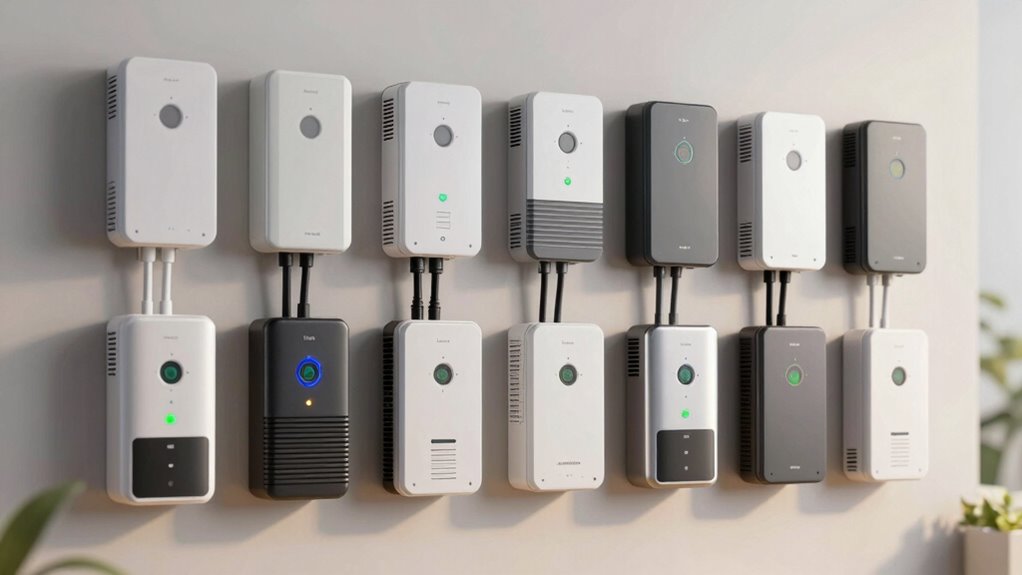

When searching for a whole house surge protector, the goal is to find a reliable device that shields your entire electrical system from power surges caused by storms, grid issues, or electrical faults. The FHSPD108S stands out as the best overall choice thanks to its high 108,000-amp capacity and versatile indoor/outdoor design. For those seeking affordability without sacrificing performance, the FHSPD36S offers solid protection at a lower price point. Meanwhile, the Square D HEPD80 provides a premium option with increased surge handling and robust build quality. The main tradeoffs involve balancing capacity, ease of installation, and cost—higher-capacity units tend to be pricier and bulkier, but offer better protection. Continue reading for a detailed breakdown of each option to find the best fit for your home.
Key Takeaways
- Higher surge capacity generally correlates with better protection, but also increases cost and size.
- Indoor/outdoor models provide greater versatility for different installation sites, yet may come at a premium.
- Brands like Square D and Eaton offer proven durability and reliable surge handling, favored by professionals.
- The most important specs to consider are surge current rating (kA) and clamping voltage, which determine protection level.
- Ease of installation and compatibility with your home’s electrical system can influence your choice as much as specs.




| whole house surge protector | Voltage |
|---|---|
| FHSPD108S Whole House Surge Pr | 120/240V |
| FHSPD36S Whole House Surge Pro | 120/240V |
| Square D Homeline Whole House | 120/240V |
| Square D by Schneider Electric | 120/240V |
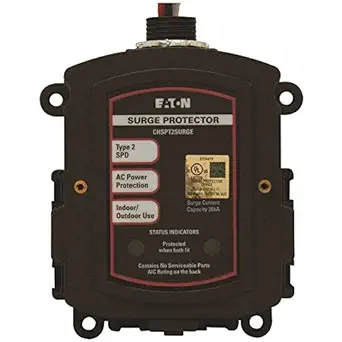
| Eaton CHSPT2SURGE SPD Type 2 W | 120/240V |
| Eaton Surge Protection Device | 120/240V |
| Siemens Boltshield FSPD036 Lev | 120/240V |
| Square D HEPD80 Universal Whol | 120/240V |
| Siemens Boltshield FSPD140 Lev | 120/240V |
| HSPD Square Whole Home Surge P | 120/240VAC |
More Details on Our Top Picks
FHSPD108S Whole House Surge Protector for 108,000 Amps, Indoor/Outdoor Use
The FHSPD108S stands out for its impressive surge capacity of 108,000 Amps, making it suitable for homes with extensive electrical loads or in areas prone to severe thunderstorms. Compared with the FHSPD36S, it offers nearly three times the surge handling, providing a significant safety margin for critical appliances and electronics. Its compact, space-saving design helps it fit seamlessly into various load centers, and the LED indicators offer straightforward monitoring. However, this model requires professional installation and proper grounding, which can add to the initial cost and complexity. The high capacity and outdoor-ready enclosure make it the ideal choice for those wanting maximum protection, especially in high-risk environments.
Pros:- High surge capacity of 108,000 Amps for maximum protection
- Compact and space-efficient design
- LED indicators for easy status checks
- Indoor/outdoor rated for versatile installation
Cons:- Requires professional installation and grounding
- Potential startup issues if installed improperly
Best for: Homeowners needing robust, high-capacity surge protection for entire properties, especially in storm-prone areas
Not ideal for: DIYers or those with limited electrical knowledge, as installation demands professional expertise
- Capacity:108,000 Amps
- Voltage:120/240V
- Frequency:60Hz
- Enclosure:Commercial-grade, indoor/outdoor
Our verdict“This model is best for larger homes or environments needing top-tier surge capacity and outdoor durability.”
FHSPD36S Whole House Surge Protector for 36,000 Amps, Indoor/Outdoor Use
The FHSPD36S offers a solid balance of capacity and affordability, boasting a 36,000 Amp surge handling capability suitable for most residential needs. Unlike the FHSPD108S, it provides ample protection for typical homes without overinvesting in capacity, making it a practical choice for budget-conscious buyers. Its compact design and outdoor compatibility make installation straightforward in various settings. Like the higher-capacity model, it requires professional installation and grounding, which adds to setup costs. This surge protector makes the most sense for homeowners who want reliable protection without the expense of ultra-high capacity units.
Pros:- Adequate 36,000 Amps surge capacity for most homes
- Space-saving and compatible with indoor and outdoor use
- Universal compatibility with load centers and breakers
- Cost-effective option for typical residential needs
Cons:- Still requires professional installation and grounding
- Limited capacity compared to larger units like the FHSPD108S
Best for: Homeowners seeking dependable surge protection at a reasonable price, especially in moderate-risk areas
Not ideal for: Homes with very high electrical loads or those in frequent severe storm zones needing maximum capacity
- Capacity:36,000 Amps
- Voltage:120/240V
- Frequency:60Hz
- Enclosure:Commercial-grade
Our verdict“This pick makes the most sense for average-sized homes wanting reliable protection without overspending.”
Square D Homeline Whole House Surge Protection Device, 50kA, 120/240V, Plug-On Neutral
The Square D Homeline Surge Protector offers a straightforward, plug-on installation that appeals to those already using Homeline load centers post-2014. Its 50,000 amp surge capacity is suitable for typical household surges, but it may fall short in extremely stormy environments compared to higher-capacity models like the FHSPD108S. The simplicity of no-wiring installation simplifies setup, yet this limits customization and may not suit non-Homeline panels. It’s an excellent choice for homeowners with compatible load centers seeking an easy upgrade, but it’s less flexible for those with older or different brands of load centers.
Pros:- Easy plug-on installation, no wiring needed
- High surge capacity of 50,000 Amps
- LED status indicator for quick checks
- Designed specifically for post-2014 Homeline panels
Cons:- Limited to Homeline load centers post-2014
- No wiring options for customization
- Capacity may be insufficient for extreme conditions
Best for: Homeowners with Square D Homeline load centers after 2014 looking for an easy, plug-in surge protector
Not ideal for: Owners of older or non-Homeline panels, or those seeking higher surge capacity for critical electronics
- Maximum Surge Current:50,000 Amps
- Voltage:120/240V
- Phase:1-Phase
- Wiring:No wiring required
Our verdict“Ideal for Homeline panel owners seeking quick, hassle-free surge protection with adequate capacity for typical home use.”
Square D by Schneider Electric HEPD50 Universal Whole House Surge Protection Device, 1-Phase, 3-Wire + Ground for 120/240V, 50kA
The HEPD50 provides a versatile solution rated for both indoor and outdoor installations, with a 50,000A surge capacity. Its easy-to-connect design makes it suitable for most residential load centers, and the LED indicator simplifies status checks. Compared with the Eaton CHSPT2SURGE, it offers a similar surge capacity but with added outdoor durability thanks to its NEMA 4X rating. That said, it doesn’t include advanced features like remote monitoring, which some higher-end units offer. This device makes sense for homeowners wanting a straightforward, reliable surge protector that can handle outdoor exposure and varying load center types.
Pros:- Easy to connect to residential load centers
- Suitable for indoor and outdoor use with NEMA 4X rating
- LED status indicator for quick diagnostics
- Rated for outdoor weather conditions
Cons:- Limited to 50kA surge capacity, may be insufficient in extreme storms
- No remote monitoring features
- Basic protection without advanced diagnostics
Best for: Homeowners needing a reliable, outdoor-rated surge protector compatible with multiple load centers
Not ideal for: Those seeking detailed monitoring features or higher surge capacity beyond 50kA
- Voltage:120/240V
- Phase:1-Phase
- Wires:3-Wire + Ground
- Surge Current Rating:50,000A
- Certifications:CSA, UL 1449 3rd Edition Type 1
Our verdict“This surge protector is well-suited for outdoor installations in residential settings needing dependable, straightforward protection.”
Eaton CHSPT2SURGE SPD Type 2 Whole Home Surge Protector, NEMA 4, Single Phase, 120/240 Volts
The Eaton CHSPT2SURGE offers universal compatibility with a broad range of load centers thanks to its quick connect design, simplifying installation. Its Type 2 rating ensures it’s suitable for whole-home protection against typical surges, and the NEMA 4 rating makes it suitable for outdoor use. Compared to the Square D HEPD50, it provides a similar level of surge capacity but with a more flexible mounting approach. The lack of detailed specifications and absence of remote diagnostics may be a downside for those wanting advanced features, but for straightforward, reliable protection, it’s a sensible choice.
Pros:- Universal compatibility with various load centers
- Quick connect mounting for easy installation
- Weather-rated NEMA 4 enclosure for outdoor use
- Effective surge protection for typical residential needs
Cons:- Limited detailed technical specs available
- No remote monitoring or advanced diagnostics
- Requires professional installation for safety
Best for: Homeowners seeking an easy-to-install, versatile surge protector compatible with multiple load centers
Not ideal for: Homes requiring higher surge capacities or advanced monitoring capabilities
- Type:Type 2 Surge Protector
- NEMA Rating:NEMA 4
- Phase:Single Phase
- Voltage:120/240V
Our verdict“Ideal for homeowners wanting a hassle-free, outdoor-capable surge protector with broad compatibility and simple mounting.”
Eaton Surge Protection Device, 1 Phase, 120/240V, 2 Poles, 2 Wires
This Eaton device offers a simple solution for 1-phase electrical setups, making it ideal for small homes or basic load centers. Compared with larger, more robust options like the Siemens Boltshield FSPD140, it provides less surge current capacity but still reliably protects standard household circuits. Its universal compatibility and straightforward installation make it accessible for DIY enthusiasts, though it’s limited to single-phase systems and lacks detailed technical specs. Its high-quality construction and ease of setup are key advantages, but it doesn’t include advanced features like LED status indicators or outdoor-rated enclosures.
Pros:- Universal compatibility with load centers
- Easy to install for DIYers
- Built with high-quality materials
Cons:- Limited to 1-phase systems, restricting use in larger setups
- Lacks detailed specifications and advanced features
Best for: Homeowners with simple, single-phase electrical systems seeking a reliable, no-frills surge protector.
Not ideal for: Larger residences or homes with complex electrical needs, where higher surge capacity and more features are required.
- Model Number:CHSPT2ULTRA
- Voltage:120/240V
- Phases:1
- Poles:2
- Wires:2
Our verdict“This pick suits small homes or basic systems where straightforward surge protection suffices, but it falls short for more demanding or complex applications.”
Siemens Boltshield FSPD036 Level 2 Whole House Surge Protection Device 36,000 Amps, 120/240V
The Siemens Boltshield FSPD036 stands out for homes needing outdoor-rated surge protection with a solid 36,000-amp surge current capacity. Unlike the Eaton device, which is more suited for indoor load centers, this model’s Type 4 outdoor enclosure makes it ideal for installations next to electrical gear exposed to the elements. Its LED indicators provide quick status checks, but it requires external mounting and offers limited info on system compatibility, making it less user-friendly for DIYers. This level 2 surge protector is well-suited for those seeking outdoor durability, although its installation complexity and lack of detailed specifications may be drawbacks.
Pros:- High surge current protection for the whole house
- LED status indicators for easy monitoring
- Outdoor-rated Type 4 enclosure suitable for various settings
Cons:- Requires external mounting next to electrical gear
- Limited details on system compatibility
Best for: Homeowners wanting outdoor surge protection with easy monitoring for systems exposed to weather.
Not ideal for: Homeowners with indoor-only systems or those who prefer plug-in options, as this requires external mounting and professional installation.
- Protection Rating:36,000 Amps
- Voltage:120/240V
- Enclosure:Type 4 outdoor
Our verdict“Ideal for outdoor installations needing dependable surge protection, but less suited for DIY installations or indoor-only setups.”
Square D HEPD80 Universal Whole House Surge Protection Device, 1-Phase, 3-Wire for 120/240V, 80kA
The Square D HEPD80 delivers a high level of surge protection, with an 80,000-amp surge current rating that outperforms many basic models like Eaton’s. Its certification by CSA and UL ensures compliance with safety standards, making it a dependable choice for those prioritizing safety and durability. The LED indicator simplifies operation, and its suitability for both indoor and outdoor use broadens installation options. However, it requires professional setup, and its warranty is limited to genuine Schneider Electric products, which could be a concern for cost-conscious buyers. This device is perfect for homeowners seeking certified reliability but not ideal for those comfortable with DIY installation or on a tight budget.
Pros:- High surge capacity with 80,000 amps
- Certified for safety (CSA, UL)
- Suitable for outdoor and indoor use
Cons:- Requires professional installation
- Warranty limited to authentic Schneider Electric products
Best for: Homeowners wanting a certified, high-capacity surge protector with professional installation options.
Not ideal for: DIYers seeking plug-in units or budget shoppers, as installation may require professional help and the warranty depends on authentic parts.
- Voltage:120/240V
- Phase:1-Phase
- Wires:3-Wire
- Surge Current Rating:80,000 amps
- SCCR:25,000 amps
- Rating:NEMA 4X
Our verdict“Best suited for those seeking proven safety certifications and high surge capacity, but less accessible for DIY installation.”
Siemens Boltshield FSPD140 Level 2 Whole House Surge Protection Device, 140,000 Amps, 120/240V
The Siemens Boltshield FSPD140 offers exceptional surge capacity at 140,000 amps, making it suitable for large homes with high electrical demands. It features visual and audible alerts, similar to the FSPD036 but with significantly more protection power, comparable to the premium options like the HSPD Square. Its outdoor-rated enclosure ensures durability, but the installation process is complex and typically requires professional expertise. Periodic replacement of MOV components might be necessary to maintain protection levels. Compared to the FSPD036, this model provides a substantial upgrade in surge capacity, though at a higher cost and complexity.
Pros:- Exceptional surge capacity at 140,000 amps
- Visual and audible alerts for easy maintenance
- Heavy-duty outdoor-rated enclosure
Cons:- Requires professional installation
- Periodic MOV replacements needed
Best for: Large residences or properties with critical electrical loads needing maximum surge capacity and maintenance alerts.
Not ideal for: Small homes or users seeking simple plug-in solutions, as installation and upkeep are more involved and costly.
- Surge Current Rating:140,000 Amps
- Voltage:120/240V
- Enclosure Rating:Type 4 outdoor
Our verdict“Designed for large or high-demand homes, this device offers maximum surge protection but demands professional setup and upkeep.”
HSPD Square Whole Home Surge Protective Device, Type 1 SPD, 120/240VAC
The HSPD Square offers broad compatibility with various circuit breakers and a high surge capacity—up to 80kA—making it suitable for comprehensive home protection. Its core technology absorbs voltage spikes effectively, which helps extend device lifespan and lower repair costs. Its Type 1 SPD rating means it’s suitable for main panel installation, whether indoors or outdoors, comparable to the Square D HEPD80 but with a more versatile tech approach. However, the lack of detailed installation instructions and a potentially higher price point may deter DIYers or budget-conscious buyers. This unit excels for homes that require durable, high-capacity surge protection but might be overkill for smaller or less complex systems.
Pros:- Provides comprehensive surge protection
- High surge capacity with 25/50/80kA options
- Durable, suitable for indoor and outdoor use
Cons:- No detailed installation instructions provided
- Potentially higher cost compared to smaller protectors
Best for: Homeowners needing a versatile, high-capacity surge protector compatible with various circuit breakers.
Not ideal for: DIY homeowners seeking plug-and-play options or those on a tight budget due to potentially higher installation costs.
- Model:HSPD-25
- Brand:Gloyatin
- UPC:718027469044
- Part Number:HSPD
- Surge Capacity:25/50/80kA
- Voltage:120/240VAC
Our verdict“Ideal for those seeking versatile, high-capacity surge protection with broad compatibility and durable design, but less suited for DIY installation without expert help.”
How We Picked
We evaluated these surge protectors based on their surge current capacity, which indicates how much energy they can handle before failure. Build quality and durability were key, especially for outdoor models exposed to the elements. Ease of installation was considered, favoring units with straightforward plug-on or easy wiring options. Value was assessed by comparing protection features relative to price, aiming to identify units that offer reliable protection without excessive cost. Lastly, brand reputation and user feedback helped us prioritize products with proven performance and durability, leading to a ranking that balances performance, longevity, and affordability.Factors to Consider When Choosing Whole House Surge Protector
Choosing the right whole house surge protector involves understanding several key factors that impact performance, longevity, and overall value. While high surge current ratings are appealing, they must match your home’s electrical needs. Installation complexity varies, especially if your electrical panel requires specific wiring or connectors. Compatibility with your home’s voltage and system type is essential to ensure proper operation. Additionally, consider the device’s durability, especially if installing outdoors. Finally, investing in a reputable brand can provide peace of mind through better support and proven reliability.Surge Current Capacity (kA)
The surge current rating indicates how much energy the device can handle during a power surge. Higher ratings, such as 80kA or 140kA, mean greater protection, especially during severe storms or lightning strikes. However, a very high capacity isn’t always necessary for smaller homes or less exposed areas, where lower ratings may suffice and save money. Matching your home’s electrical load and typical surge risk will help determine the appropriate capacity. Overspending on capacity when it’s not needed can lead to unnecessary expense, but under-specifying may compromise your home’s protection.
Ease of Installation and Compatibility
Some surge protectors are designed for plug-in installation directly into your electrical panel, making them more straightforward for DIY enthusiasts. Others require wiring and professional installation, which can add to the cost but may offer a more secure fit. Compatibility with your existing electrical system, including voltage and wiring configuration, is critical. Installing the wrong type can reduce protection effectiveness or cause safety issues. Consider whether your home requires a Type 1, Type 2, or Type 3 device, as this impacts where and how the surge protector should be installed.
Durability and Weather Resistance
Outdoor units need to withstand weather conditions like rain, snow, and temperature fluctuations. Look for surge protectors with weatherproof enclosures or ratings such as NEMA 4, which indicates resistance to dust and water. Indoor models, while less exposed, should still be robust enough to last over years of operation. Investing in a durable, weather-resistant device can prevent costly replacements and ensure continuous protection. Remember, outdoor units are often more expensive due to their rugged design, but they provide necessary protection in exposed locations.
Protection Features and Certifications
Beyond surge current ratings, pay attention to additional features like clamping voltage, response time, and whether the device is UL listed or certified by other reliable standards. Lower clamping voltages generally mean the device activates sooner, offering better protection for your electronics. Certifications ensure the device has met safety and performance benchmarks, reducing the risk of failure. Sometimes, higher-end models include diagnostic indicators or self-test features, which help confirm the device’s ongoing effectiveness. These extras can add to the cost but provide added peace of mind.
Cost and Value
While it’s tempting to choose the most expensive unit, it’s essential to balance cost with features and capacity. Premium models offer higher surge ratings, durable enclosures, and advanced features, suitable for high-value or sensitive electronics. Budget options may suffice for basic protection in less exposed locations but could fall short during severe surges. Consider your home’s size, electrical system complexity, and the value of protected appliances when evaluating price. Investing appropriately in quality can prevent costly damage and replacements in the future.
Frequently Asked Questions
How do I determine the right surge current rating for my home?
The appropriate surge current rating depends on your local environment and the value of your home’s electrical system. For most homes, a unit rated around 50kA to 80kA provides sufficient protection against common surges. If your area experiences frequent thunderstorms or lightning activity, opting for a higher rating, such as 100kA or more, can offer additional safety. Consider the total load and sensitivity of your electronics, as higher ratings generally provide better protection but at a higher cost. Consulting an electrician can help assess your specific needs based on your location and home size.
Can I install a whole house surge protector myself?
Basic plug-in models designed for straightforward installation may be suitable for DIY installation, especially if you have electrical experience. However, many units require wiring directly into your main electrical panel, which involves working with high-voltage components. For safety and compliance reasons, most homeowners will benefit from hiring a licensed electrician. Proper installation ensures the device functions correctly and maintains safety standards, reducing the risk of electrical faults or failure. Investing in professional installation is often worth the added expense for peace of mind and reliable protection.
How often should I replace my whole house surge protector?
Most surge protectors have a lifespan of 5 to 10 years, depending on the number and severity of surges they absorb. Many units include diagnostic indicators that alert you when they need replacing, which is highly recommended to maintain optimal protection. Over time, the components inside can degrade, reducing effectiveness. Regular visual inspections and following the manufacturer’s recommendations can prevent unnoticed failures. Replacing your surge protector before it fails ensures continuous safeguarding of your home’s electrical system and connected devices.
Is a higher amp rating always better for my home?
Not necessarily. While higher amp ratings mean your surge protector can handle larger surges, they also tend to be more expensive and larger in size. For most residential applications, a 50kA to 80kA unit provides adequate protection against typical surges. Larger homes with extensive electronic systems or those in lightning-prone areas might benefit from higher ratings, but overspending on capacity can be unnecessary if your environment doesn’t demand it. Matching the surge capacity to your specific risk profile and home size will give you the best value and protection.
What is the difference between Type 1, Type 2, and Type 3 surge protectors?
These classifications refer to the placement and role of surge protection devices within your electrical system. Type 1 devices are installed on the main service entrance and provide primary protection from external surges, like lightning strikes directly hitting your power lines. Type 2 units are installed on the main panel and protect against residual surges that enter the home after the initial external event. Type 3 devices are point-of-use protectors, such as outlet surge strips, designed for sensitive electronics. For comprehensive protection, combining Type 1 or 2 units with Type 3 devices offers the best coverage, especially in areas with high surge risk.
Conclusion
For most homeowners seeking reliable protection, the FHSPD108S stands out as the best overall choice due to its high capacity and outdoor versatility. Those on a budget or with simpler needs may find the FHSPD36S sufficient, offering solid protection at a lower cost. For premium protection, the Square D HEPD80 provides advanced features and durability, ideal for high-value electronics. Beginners or DIY enthusiasts should consider models with straightforward installation, while those in storm-prone areas or with extensive electrical systems should prioritize higher surge ratings and weather-resistant features. By matching your protection needs with these options, you can safeguard your home effectively and efficiently.