If you’re looking for the best manual espresso lever machines for 2026, I’ve found some excellent options. From portable models like Flair GO and WACACO Minipresso to high-precision machines like Flair PRO 3 and Bincoo, there’s something for everyone. These machines offer great control, durability, and portability. If you want to find one that fits your style and needs, keep exploring—there’s a lot more to discover about these top picks.
Key Takeaways
- Focus on machines with high pressure control, durability, and ease of maintenance for optimal espresso brewing.
- Prioritize portable, travel-friendly models with lightweight design and included carrying cases.
- Look for machines offering customizable pressure and brewing parameters for personalized extraction.
- Consider reputable brands with strong warranties and proven performance for long-term reliability.
- Evaluate build materials like stainless steel and cast aluminum for durability and resistance to wear.
| Flair PRO 3 Manual Espresso Maker with Gauge | 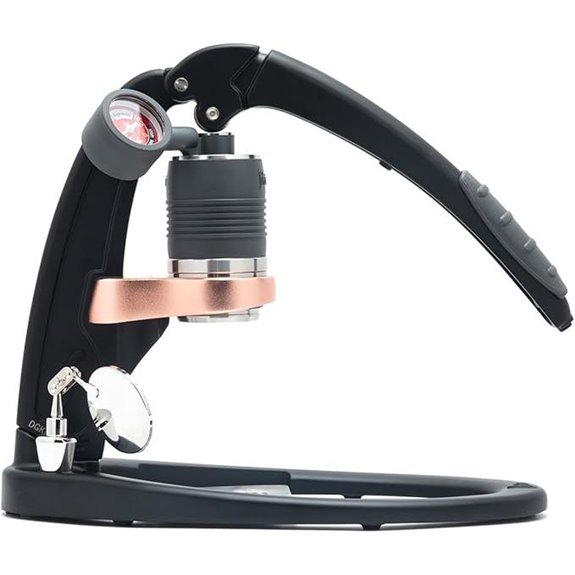 | Best Overall | Material: Cast aluminum, stainless steel | Portafilter Size: Not specified (compatible with grounds) | Pressure Range: 6-9 BAR | VIEW LATEST PRICE | See Our Full Breakdown |
| Flair Espresso Maker Classic with Pressure Gauge | 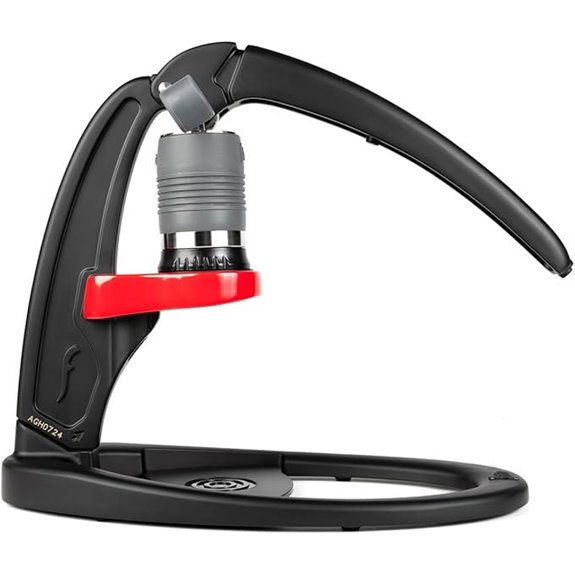 | Top Beginner-Friendly | Material: Cast aluminum, stainless steel | Portafilter Size: 58mm | Pressure Range: Not specified (manual control) | VIEW LATEST PRICE | See Our Full Breakdown |
| Bincoo Manual Espresso Maker Set with Dual-Lever Pressure | 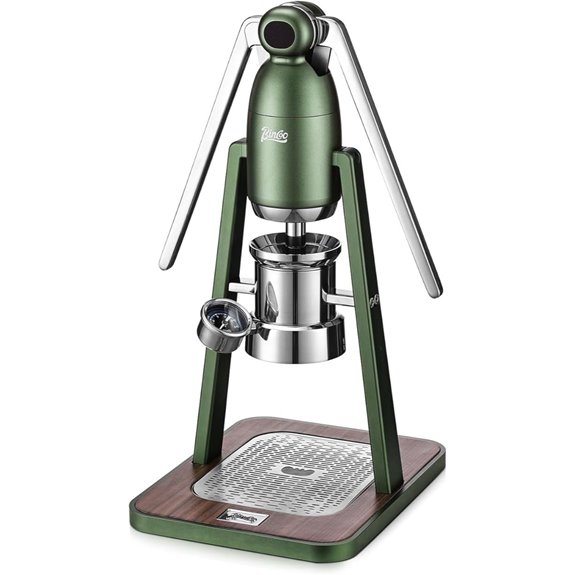 | Customization Leader | Material: Stainless steel, brass | Portafilter Size: 58mm | Pressure Range: 3-12 BAR | VIEW LATEST PRICE | See Our Full Breakdown |
| Neo Flex Manual Espresso Maker with Carrying Case | 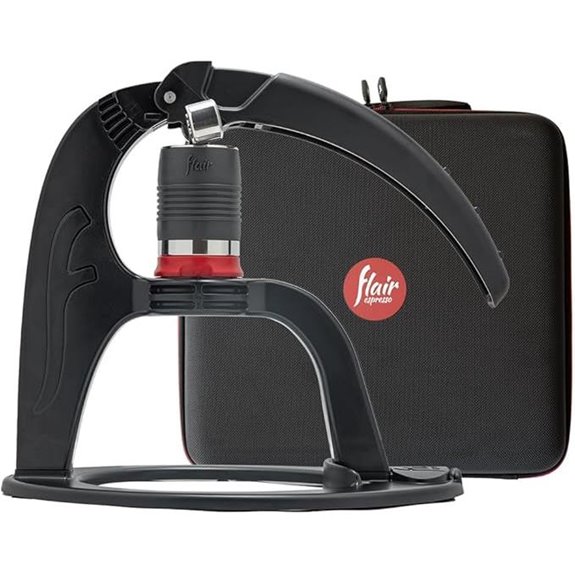 | Travel-Ready Choice | Material: Poly frame, stainless steel | Portafilter Size: Standard size (compatible with grounds) | Pressure Range: 6-9 BAR | VIEW LATEST PRICE | See Our Full Breakdown |
| Flair UPDATED PRO 3 Manual Espresso Maker | 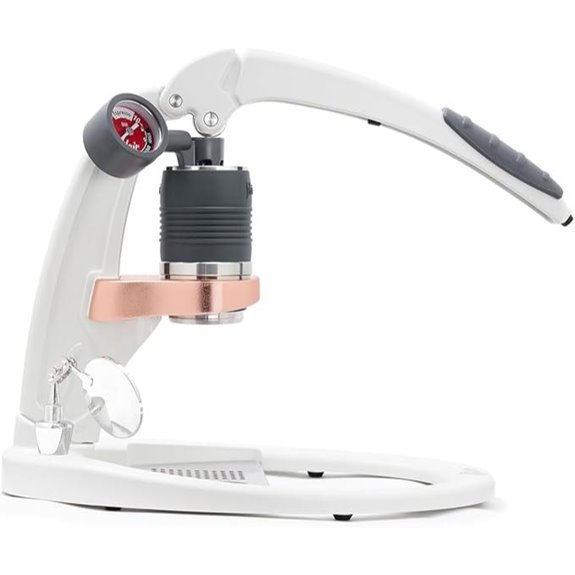 | Upgraded Performance | Material: Cast aluminum, stainless steel | Portafilter Size: 58mm | Pressure Range: 6-9 BAR (with upgrades) | VIEW LATEST PRICE | See Our Full Breakdown |
| Flair GO Portable Collapsible Lever Espresso Machine | 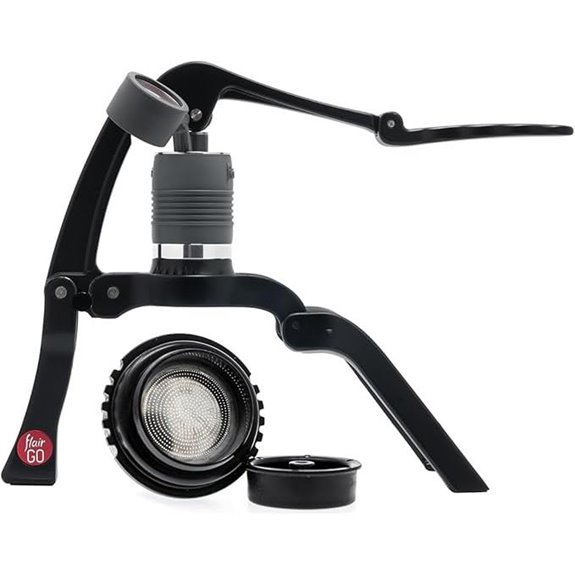 | Most Portable | Material: Aircraft-grade aluminum, stainless steel | Portafilter Size: 58mm | Pressure Range: 6-9 BAR | VIEW LATEST PRICE | See Our Full Breakdown |
| WACACO Minipresso GR Portable Hand Espresso Maker | 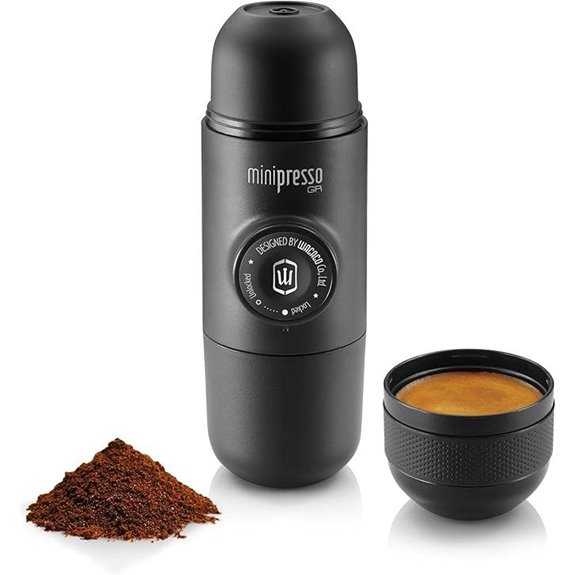 | Best for Travel | Material: Stainless steel, silicone | Portafilter Size: Standard size (compatible with grounds) | Pressure Range: 15-20 BAR (hydraulic) | VIEW LATEST PRICE | See Our Full Breakdown |
| SUPERKOP Manual Espresso & Coffee Maker Black | 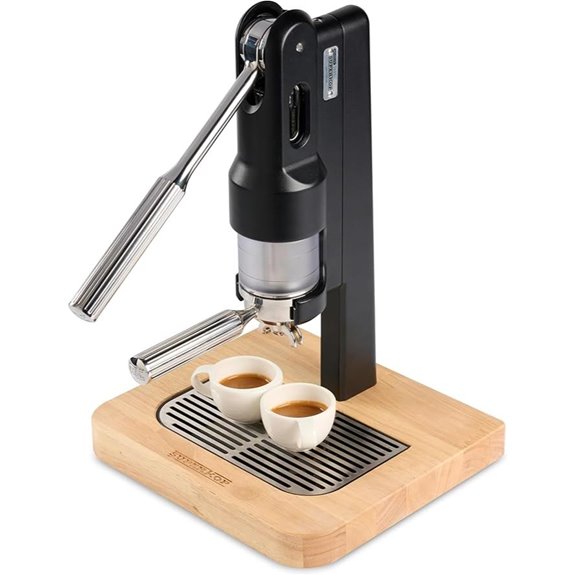 | User-Friendly Design | Material: Aluminum, steel | Portafilter Size: Standard size (compatible with grounds) | Pressure Range: 5-20 BAR (manual pump) | VIEW LATEST PRICE | See Our Full Breakdown |
| La Pavoni EPC-8 Espresso Machine Chrome & Silver | 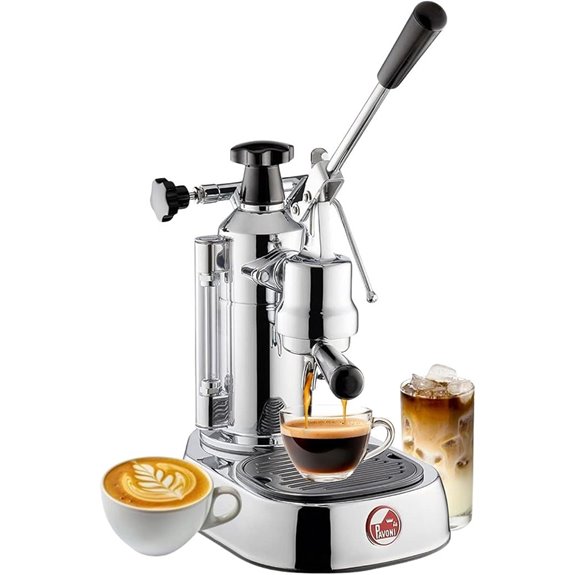 | Classic Elegance | Material: Chrome, brass | Portafilter Size: Not specified | Pressure Range: Not specified | VIEW LATEST PRICE | See Our Full Breakdown |
| Bincoo Manual Espresso Maker Set with Dual-Lever Pressure | 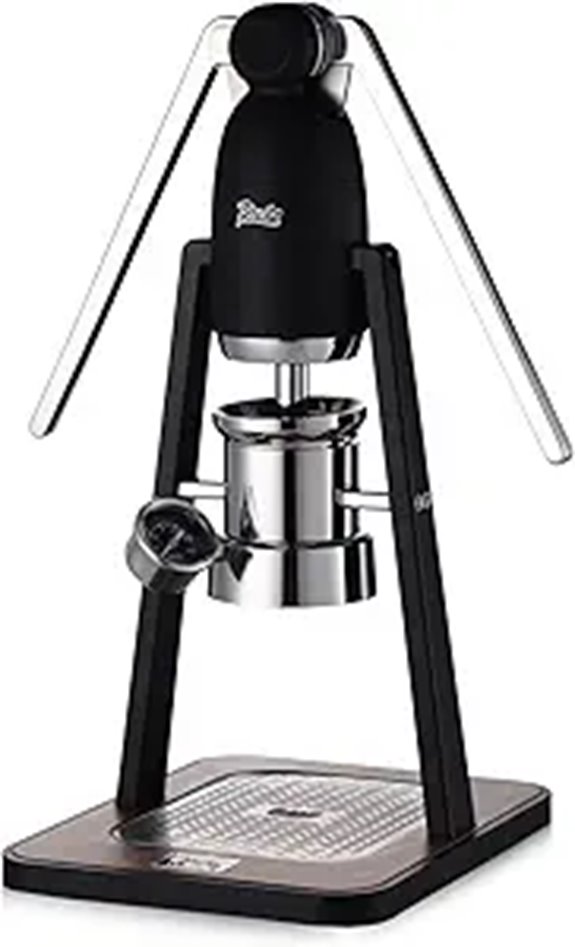 | Professional Control | Material: Steel, brass, copper | Portafilter Size: 58mm | Pressure Range: 15-20 BAR | VIEW LATEST PRICE | See Our Full Breakdown |
| Leverpresso V4 Portable Manual Espresso Maker | 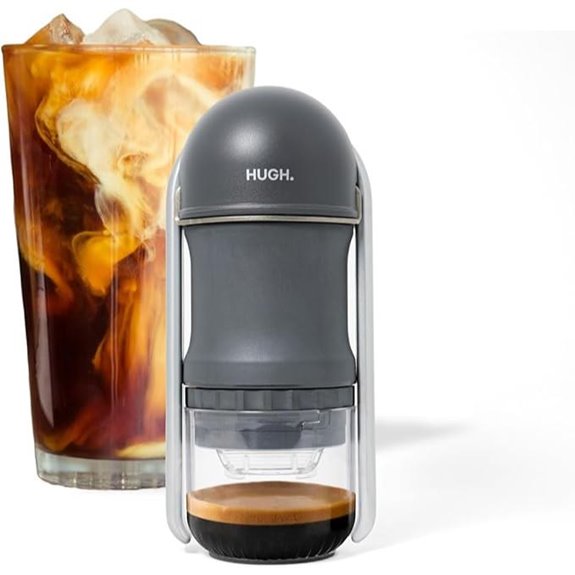 | Ultra Compact | Material: BPA-free plastic, stainless steel, aluminum | Portafilter Size: 51mm | Pressure Range: 9 BAR (manual lever) | VIEW LATEST PRICE | See Our Full Breakdown |
| La Pavoni Professional 16-Cup Espresso Machine | 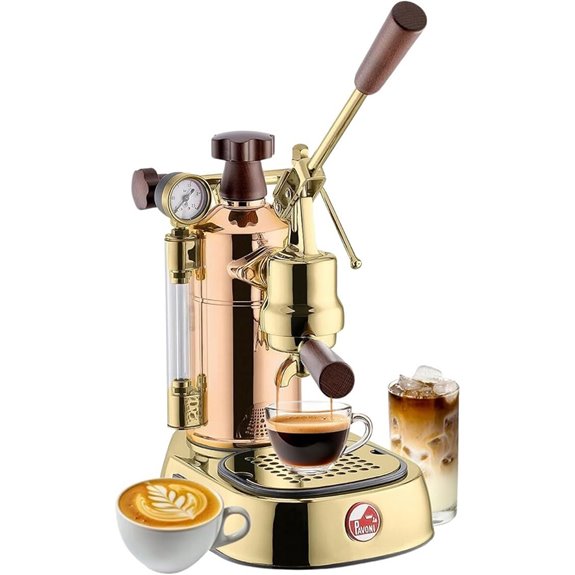 | Vintage Charm | Material: Copper, brass, wood | Portafilter Size: 51mm | Pressure Range: 15-20 BAR | VIEW LATEST PRICE | See Our Full Breakdown |
| STARESSO Plus SP300 Portable Espresso Machine | 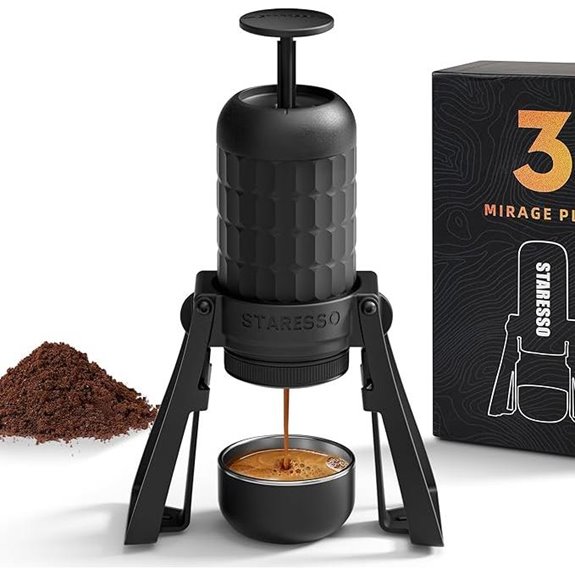 | Travel Essential | Material: Stainless steel, silicone | Portafilter Size: Not specified | Pressure Range: 15-20 BAR | VIEW LATEST PRICE | See Our Full Breakdown |
| Leverpresso V4 Portable Manual Espresso Maker | | Heavy-Duty Build | Material: Plastic, stainless steel, aluminum | Portafilter Size: 51mm | Pressure Range: 9 BAR (manual) | VIEW LATEST PRICE | See Our Full Breakdown |
| Compact Manual Espresso Coffee Maker for Camping | 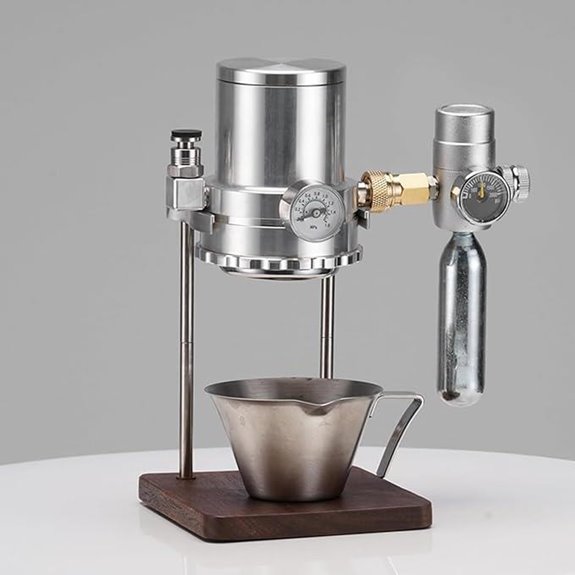 | Innovative Technology | Material: Aluminum, stainless steel, plastic | Portafilter Size: 51mm | Pressure Range: 9 BAR | VIEW LATEST PRICE | See Our Full Breakdown |

More Details on Our Top Picks
-
B06X916JM8
Amazon Product B06X916JM8
As an affiliate, we earn on qualifying purchases.
Flair PRO 3 Manual Espresso Maker with Gauge
If you’re serious about crafting professional-quality espresso at home or on the go, the Flair PRO 3 Manual Espresso Maker with Gauge is an excellent choice. Made from durable cast aluminum and stainless steel, it’s built to last and portable enough to pack into a custom carrying case. The machine features a pressure gauge for real-time feedback, giving you full control over extraction. With support for up to 24 grams of coffee and customizable brew ratios, it produces rich, crema-topped shots. Its fully detachable head makes cleaning straightforward, while its ergonomic lever ensures a smooth, manual brewing experience. This machine combines precision, durability, and portability for dedicated coffee enthusiasts.
- Material:Cast aluminum, stainless steel
- Portafilter Size:Not specified (compatible with grounds)
- Pressure Range:6-9 BAR
- Detachable Components:Yes (brewing head, tank)
- Portability:Portable with case
- Cleaning Method:Rinse parts under cool water
- Additional Feature:Fully detachable brewing head
- Additional Feature:Portable carrying case included
- Additional Feature:Custom pressure gauge (6-9 BAR)
-
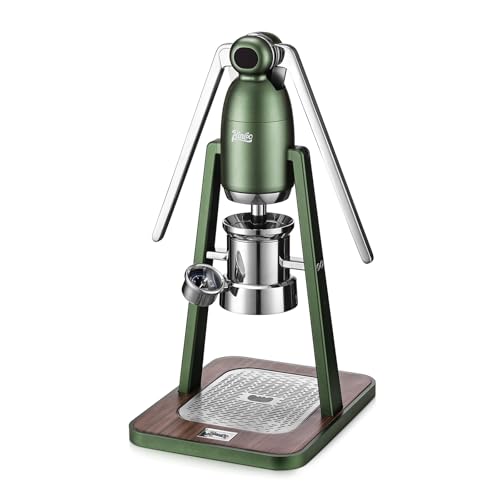
Bincoo Manual Espresso Maker Set - Hand Press Espresso Machine – 12Bar Pressure Profiling, Dual-Lever Manual Coffee Maker with Pre-Infusion, Portable for Custom Espresso Shots, Stainless Steel
Precision 3-12Bar Pressure Control: The industrial dual-lever system with micro-adjustable pressure springs and pressure gauge lets you professionally...
As an affiliate, we earn on qualifying purchases.
Flair Espresso Maker Classic with Pressure Gauge
The Flair Espresso Maker Classic with Pressure Gauge stands out as a top choice for home baristas who want precise control over their espresso extraction. This fully manual lever machine requires no electricity, giving me full control over the brewing process. It produces around 40 ml of rich espresso with a beautiful crema, perfect for both beginners and seasoned enthusiasts. The durable cast aluminum and stainless steel construction ensures longevity, backed by a 3-year warranty. Its minimalist, plug-free design looks great in any kitchen. Plus, the fully detachable brewing head makes cleaning straightforward, keeping maintenance simple and hassle-free.
- Material:Cast aluminum, stainless steel
- Portafilter Size:58mm
- Pressure Range:Not specified (manual control)
- Detachable Components:Yes
- Portability:Portable, no case specified
- Cleaning Method:Rinse detachable head
- Additional Feature:Fully manual, no power
- Additional Feature:Two portafilters included
- Additional Feature:Aesthetic minimalist design
-

Flair The NEO Flex with Carrying Case: UPDATED Direct Lever Manual Espresso Maker for Beginners and Travel - Pressure Gauge for 9 BAR Brewing Included
HANDCRAFT ESPRESSO AT HOME - The Flair NEO Flex is a 100% human-powered, manual espresso press. With the...
As an affiliate, we earn on qualifying purchases.
Bincoo Manual Espresso Maker Set with Dual-Lever Pressure
For coffee enthusiasts who demand precise control over their espresso shots, the Bincoo Manual Espresso Maker Set with Dual-Lever Pressure offers an exceptional experience. Its micro-adjustable springs and 360° pressure gauge let you fine-tune pressure from 3 to 12Bar, enabling professional shot profiling. You can customize pre-infusion time, water temperature, and pressure curves for tailored flavors. Constructed from durable stainless steel and brass, it’s built to last for decades of daily use. The thick thermal chamber ensures temperature stability, while the 58mm portafilter produces perfect crema. With its hand press, dual-lever design, and high-quality components, it’s ideal for those seeking full control and café-quality results at home.
- Material:Stainless steel, brass
- Portafilter Size:58mm
- Pressure Range:3-12 BAR
- Detachable Components:Yes (brewing chamber, portafilter)
- Portability:Handheld, portable
- Cleaning Method:Rinse, disassemble
- Additional Feature:Micro-adjustable pressure springs
- Additional Feature:Commercial-grade heavy-duty build
- Additional Feature:Adjustable pre-infusion & temperature
Neo Flex Manual Espresso Maker with Carrying Case
Designed for portability and ease of use, the Neo Flex Manual Espresso Maker with Carrying Case is perfect for home baristas, travelers, and beginners who want professional-quality espresso anywhere. This human-powered machine produces 9 BAR espresso with rich crema from 18 grams of grounds and 60ml of boiled water, resulting in a perfect 40ml shot. Its lightweight poly frame guarantees durability and effortless transport. The lever-based design includes an integrated pressure gauge for real-time feedback and a no-preheat, thin brewing cylinder. The included padded case keeps everything protected during travel, making it an ideal choice for those seeking convenience without sacrificing quality.
- Material:Poly frame, stainless steel
- Portafilter Size:Standard size (compatible with grounds)
- Pressure Range:6-9 BAR
- Detachable Components:Yes
- Portability:Travel case included
- Cleaning Method:Remove and rinse parts
- Additional Feature:Integrated pressure gauge
- Additional Feature:No-preheat thin cylinder
- Additional Feature:Removable brewing head
Flair UPDATED PRO 3 Manual Espresso Maker
If you’re serious about crafting professional-quality espresso at home or on the go, the Flair UPDATED PRO 3 Manual Espresso Maker stands out with its precise pressure control and durable construction. Made from cast aluminum and stainless steel, it offers a compact, portable design that’s easy to clean thanks to its detachable brew head. With a built-in pressure gauge, you can monitor extraction between 6-9 BAR, ensuring perfect shots every time. It supports various brew ratios and features upgrades like a No-Preheat cylinder, shot mirror, and preheat funnel. Backed by a 5-year warranty, it’s a reliable choice for espresso enthusiasts seeking versatility and consistency.
- Material:Cast aluminum, stainless steel
- Portafilter Size:58mm
- Pressure Range:6-9 BAR (with upgrades)
- Detachable Components:Yes
- Portability:Compact, portable
- Cleaning Method:Rinse, disassemble
- Additional Feature:Upgraded preheat funnel
- Additional Feature:Integrated shot mirror
- Additional Feature:Portable precision case
Flair GO Portable Collapsible Lever Espresso Machine
The Flair GO Portable Collapsible Lever Espresso Machine stands out as an excellent choice for travelers and outdoor enthusiasts who want café-quality espresso on the go. Weighing under four pounds and fitting into a compact case, it’s designed for portability without sacrificing performance. Its fully collapsible frame with six pivot points folds down to palm size, making it perfect for packing. Made from durable aircraft-grade aluminum, it features a stainless steel brew cylinder and high-quality components built to last. With a lever producing 6-9 BAR pressure and an integrated pressure gauge, you get real-time control, delivering rich, personalized espresso anywhere.
- Material:Aircraft-grade aluminum, stainless steel
- Portafilter Size:58mm
- Pressure Range:6-9 BAR
- Detachable Components:Yes
- Portability:Compact, travel-friendly
- Cleaning Method:Rinse, quick cleanup
- Additional Feature:Fully collapsible frame
- Additional Feature:Compact, travel-ready size
- Additional Feature:Lever system rivals machines
WACACO Minipresso GR Portable Hand Espresso Maker
Looking for an espresso maker that’s perfect for travel and outdoor adventures? The WACACO Minipresso GR is a compact, lightweight, manual device that requires no power, making it ideal for on-the-go use. It works with ground coffee and offers up to 50 ml of authentic espresso per shot. Just add boiling water—no heating needed—and enjoy rich coffee anywhere. Cleaning is simple: rinse the cup and coffee adapter, then dry the water tank. Plus, accessories are available to extend capacity and protect the device. It’s a versatile, portable solution for camping, travel, or quick coffee breaks wherever you are.
- Material:Stainless steel, silicone
- Portafilter Size:Standard size (compatible with grounds)
- Pressure Range:15-20 BAR (hydraulic)
- Detachable Components:Yes
- Portability:Very portable, handheld
- Cleaning Method:Rinse components
- Additional Feature:No electricity needed
- Additional Feature:Compact and lightweight
- Additional Feature:Accessories sold separately
SUPERKOP Manual Espresso & Coffee Maker Black
For anyone seeking a portable, high-quality espresso maker that combines classic design with reliable performance, the SUPERKOP Manual Espresso & Coffee Maker in black stands out. Its retro style is complemented by durable materials like a powder-coated aluminum shell and steel inner parts, ensuring longevity. The polished stainless steel lever and 58mm portafilter give it a professional look. Perfect for travel or outdoor use, it’s easy to operate and requires no power or complex maintenance. With a 1:40 displacement mechanism, it brews rich espresso in about 25-30 seconds, maintaining consistent pressure through safety features. It’s a compact, reliable choice for coffee lovers on the go.
- Material:Aluminum, steel
- Portafilter Size:Standard size (compatible with grounds)
- Pressure Range:5-20 BAR (manual pump)
- Detachable Components:Yes
- Portability:Portable, travel-ready
- Cleaning Method:Rinse, no backflushing
- Additional Feature:Retro stylish design
- Additional Feature:Maintenance-free operation
- Additional Feature:Pneumatic spring mechanism
La Pavoni EPC-8 Espresso Machine Chrome & Silver
If you appreciate hands-on control and classic Italian style, the La Pavoni EPC-8 Espresso Machine in chrome and silver stands out as an excellent choice. Its polished finish and timeless design add a touch of elegance to any home or small office. The manual lever system gives you full artisan control over each shot, making every extraction personalized and satisfying. With a 0.8-liter water capacity, it’s perfect for one or two cups. Built from durable materials and featuring a removable drip tray, it’s easy to clean and maintain. Designed for consistent performance, it delivers balanced, full-bodied espresso every time.
- Material:Chrome, brass
- Portafilter Size:Not specified
- Pressure Range:Not specified
- Detachable Components:Yes
- Portability:Handheld, travel-friendly
- Cleaning Method:Rinse, simple maintenance
- Additional Feature:Manual lever control
- Additional Feature:Classic Italian aesthetic
- Additional Feature:Suitable for 1-2 cups
Bincoo Manual Espresso Maker Set with Dual-Lever Pressure
The Bincoo Manual Espresso Maker Set stands out for enthusiasts who demand precise control over every shot. Made from durable 4mm stainless steel with brass reinforcements, it’s built to last. Its dual-lever system and micro-adjustable springs let you fine-tune pressure from 3 to 12 bars, giving you professional-level customization. The 360° pressure gauge helps monitor your extraction, while the thick thermal chamber ensures stable temperature. Compact and portable at just 17 pounds, it includes a commercial 58mm portafilter and food-grade components. If you’re serious about espresso, this set delivers consistent, high-quality results, with full control at your fingertips.
- Material:Steel, brass, copper
- Portafilter Size:58mm
- Pressure Range:15-20 BAR
- Detachable Components:Yes
- Portability:Compact, portable
- Cleaning Method:Disassemble and rinse
- Additional Feature:Overbuilt steel components
- Additional Feature:Precise pressure control
- Additional Feature:Vibration-free stability
Leverpresso V4 Portable Manual Espresso Maker
Are you seeking a portable espresso solution that delivers professional-quality coffee anywhere? The Leverpresso V4 is a lightweight, under-2-pound manual lever machine designed for on-the-go espresso brewing. Its dual-lever system generates 9 bars of pressure without electricity, giving you full control over the extraction process. Made from BPA-free plastic, stainless steel, and aluminum, it’s durable and eco-friendly. With a 51mm portafilter, it produces up to 120ml of rich espresso—perfect for camping, traveling, or office use. Easy to disassemble and clean, the V4 combines portability with high performance, earning a solid customer rating of 4.4 stars.
- Material:BPA-free plastic, stainless steel, aluminum
- Portafilter Size:51mm
- Pressure Range:9 BAR (manual lever)
- Detachable Components:Yes
- Portability:Very portable, lightweight
- Cleaning Method:Rinse and dry
- Additional Feature:Double shot capability
- Additional Feature:Eco-conscious materials
- Additional Feature:Disassembly for cleaning
La Pavoni Professional 16-Cup Espresso Machine
Crafted for enthusiasts who value craftsmanship and control, the La Pavoni Professional 16-Cup Espresso Machine showcases a timeless copper and brass design that combines durability with elegance. Its polished copper boiler, solid brass base, and wooden accents give it a classic, handcrafted look that’s built to last. With a 38 oz. boiler, it can brew up to 16 shots per fill, perfect for home use or entertaining. The manual lever system offers full control over extraction, allowing you to pre-infuse and extract at your pace. A built-in pressure gauge and thermostat guarantee consistent results, making this machine a reliable choice for espresso lovers who appreciate precision.
- Material:Copper, brass, wood
- Portafilter Size:51mm
- Pressure Range:15-20 BAR
- Detachable Components:Yes
- Portability:Compact, travel-capable
- Cleaning Method:Disassemble, wash with water
- Additional Feature:Polished copper finish
- Additional Feature:Handcrafted, durable build
- Additional Feature:Large 38 oz. boiler
STARESSO Plus SP300 Portable Espresso Machine
If you’re looking for a portable espresso machine that combines professional-quality extraction with easy, on-the-go use, the STARESSO Plus SP300 is an excellent choice. It achieves a 20% flavor extraction rate using segmented hydraulic extraction at 15-20 bars of pressure, producing rich, fat-visible espresso. Made from food-grade stainless steel and aerospace-grade coatings, it’s built to last. Its compact, foldable design allows for effortless cleaning and storage, making it perfect for travel, camping, or office use. Holding up to 24 grams of coffee, it’s simple to operate and delivers great-tasting espresso anywhere, without electricity.
- Material:Stainless steel, silicone
- Portafilter Size:Not specified
- Pressure Range:15-20 BAR
- Detachable Components:Yes
- Portability:Foldable, travel-ready
- Cleaning Method:Rinse components
- Additional Feature:Foldable, portable design
- Additional Feature:Whole-body water washing
- Additional Feature:Stable silicone base
Leverpresso V4 Portable Manual Espresso Maker
The Leverpresso V4 Portable Manual Espresso Maker stands out for its lightweight and compact design, making it perfect for travelers, outdoor enthusiasts, and busy professionals who want quality espresso on the go. Weighing under 1.5 pounds, it easily fits into bags, ideal for camping, hiking, road trips, or office use. Its dual-lever system generates a steady 9 bars of pressure without electricity or batteries, giving full control over each shot. Crafted from durable, eco-friendly materials like BPA-free plastic, stainless steel, and aluminum, it’s built to last. With quick disassembly and simple cleaning, it’s a convenient, reliable choice for espresso lovers seeking portability and performance.
- Material:Plastic, stainless steel, aluminum
- Portafilter Size:51mm
- Pressure Range:9 BAR (manual)
- Detachable Components:Yes
- Portability:Compact, portable
- Cleaning Method:Rinse, easy cleanup
- Additional Feature:Purer extraction basket
- Additional Feature:Manual, no power
- Additional Feature:Supports fresh-ground beans
Compact Manual Espresso Coffee Maker for Camping
For outdoor enthusiasts who want professional-quality espresso on the go, the Compact Manual Espresso Coffee Maker for Camping stands out with its lightweight design and durable construction. Its mini metal housing with a wooden base combines aesthetics with sturdiness, making it perfect for camping trips. The extensive set includes accessories like a case, tripod rod, mahogany foot, extraction bowl, and pressure control features, ensuring easy, precise brewing. Equipped with an intelligent air pump and nitrogen pressure technology, it regulates pressure for ideal flavor. Whether you crave espresso, latte, or cold brew, this machine delivers consistent, high-quality results anytime, anywhere, all in a portable package.
- Material:Aluminum, stainless steel, plastic
- Portafilter Size:51mm
- Pressure Range:9 BAR
- Detachable Components:Yes
- Portability:Small, suitable for travel
- Cleaning Method:Disassemble, rinse parts
- Additional Feature:Professional pneumatic technology
- Additional Feature:Nitrogen pressure tech
- Additional Feature:Complete accessories set
Factors to Consider When Choosing a Manual Espresso Lever Machine
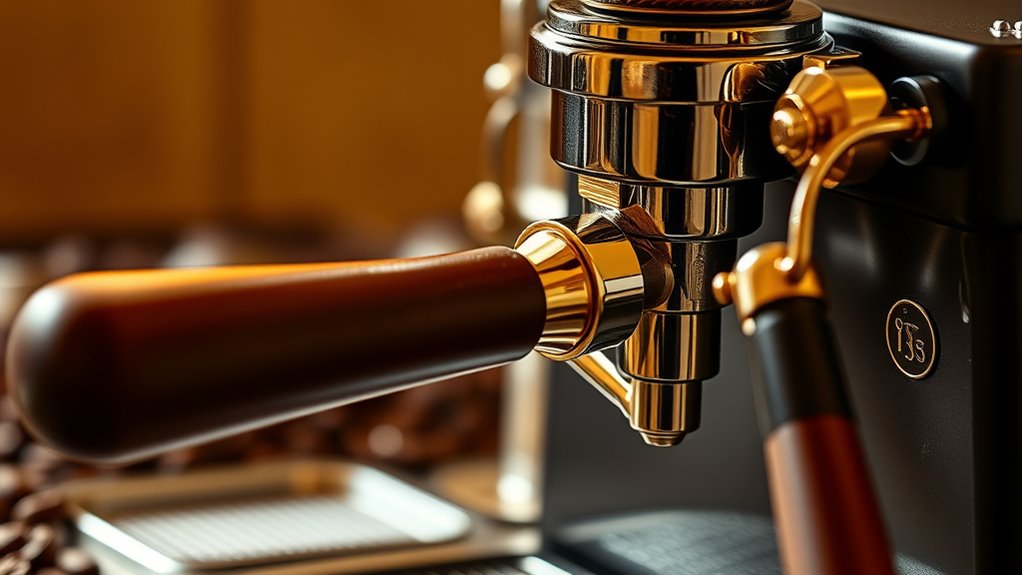
When choosing a manual espresso lever machine, I consider factors like brewing control options and portafilter compatibility to make sure I get the right shot every time. I also look at build materials for durability and portability, especially if I plan to move it around. Finally, features like pressure regulation help me maintain consistent results with less hassle.
Brewing Control Options
Choosing a manual espresso lever machine means considering how much control you want over the brewing process. Some machines are fully manual, requiring skill to manage pressure and timing precisely, offering maximum control. Others include semi-automatic features like pressure gauges, allowing you to monitor and adjust pressure between 6-9 BAR for ideal extraction. Adjustable pre-infusion settings give you precise control over water flow and pressure buildup, impacting flavor and aroma. Some models even support customizable brew ratios, such as 1:1, 2:1, or 3:1, letting you tailor espresso strength and volume. Your choice depends on your experience and how involved you want to be in each shot. Whether you prefer hands-on control or simplified features, understanding these options helps you select a machine that matches your skill level and brewing style.
Portafilter Compatibility
Selecting the right portafilter for your manual espresso lever machine can greatly influence your brewing experience. I recommend choosing a machine compatible with standard 58mm portafilters, as they’re common in professional setups and ensure versatility. Check whether the machine supports both pressurized and non-pressurized portafilters; this allows you to experiment with different coffee styles and skill levels. Ease of attachment and removal is key—quick changes save time and keep cleaning simple. Make sure the portafilter works with accessories like bottomless or flow control filters if you want customization options. Finally, opt for durable materials like stainless steel or brass. These materials help maintain consistent extraction, resist wear, and ensure your investment lasts, giving you reliable performance over time.
Build Material Durability
Durable build materials are vital for guaranteeing your manual espresso lever machine delivers consistent performance over time. Materials like stainless steel and cast aluminum provide excellent resistance to corrosion, which is essential for longevity. High-quality metals can withstand frequent use and temperature fluctuations without cracking or warping, maintaining the machine’s integrity. Solid construction with brass reinforcements adds stability and helps reduce vibrations during extraction, resulting in better espresso quality. Premium components, such as stainless steel brew heads and reinforced levers, prevent wear and keep pressure consistent. Choosing materials with a corrosion-resistant finish further extends your machine’s lifespan, especially if you plan to use it in humid or outdoor environments. Overall, investing in durable materials ensures your machine remains reliable and efficient for years to come.
Portability and Size
When considering a manual espresso lever machine, it’s important to think about how portable and compact it is for your lifestyle. I look at the overall dimensions to guarantee it fits my storage space or travel bag easily. Lightweight models, usually under 4 pounds, make outdoor brewing or commuting more convenient. If possible, I choose machines with collapsible or foldable designs to maximize space when not in use. An included carrying case or travel bag adds extra protection and makes transporting the machine simpler. Most importantly, I guarantee the size allows for comfortable manual operation without sacrificing control or ease of use. Balancing size, weight, and functionality helps me find a machine that suits both my home setup and on-the-go needs.
Pressure Regulation Features
Achieving the perfect espresso shot depends heavily on precise pressure regulation, which is why I pay close attention to this feature when choosing a manual lever machine. Accurate pressure control, typically between 6-9 BAR, ensures ideal extraction, flavor, and crema. Features like micro-adjustable springs and built-in pressure gauges give me the ability to fine-tune pressure during brewing, preventing channeling and promoting uniform water flow. I also value machines that allow manual adjustment of pressure curves, so I can customize extraction based on different beans and roast levels. Reliable components such as sealed pistons and calibrated springs are essential for maintaining consistent pressure over multiple shots. Good pressure regulation elevates the overall espresso quality and makes manual brewing both precise and enjoyable.
Ease of Cleaning
Choosing a manual espresso lever machine that’s easy to clean can make a big difference in maintenance and long-term performance. I look for models with a detachable brewing head, which simplifies cleaning and allows for quick maintenance. Materials matter, so I prefer machines made from high-quality, corrosion-resistant substances like stainless steel and cast aluminum—these prevent buildup and are easy to rinse. I also favor machines with minimal internal parts and smooth surfaces, reducing crevices where coffee oils and residue can hide. Ease of disassembly is a big plus, as it allows me to rinse components under cool water without tools. I stay away from complex mechanisms or non-detachable parts, which can trap grounds and require extensive cleaning, making routine maintenance more manageable.
Price and Warranty
Price and warranty are key factors that can greatly influence your overall satisfaction with a manual espresso lever machine. I recommend comparing prices carefully, considering the features and build quality to guarantee you’re getting good value. Higher-priced models often include advanced controls, better materials, or increased durability, which can justify the investment. On the other hand, cheaper machines might come with limited warranties or shorter coverage, potentially leading to higher maintenance costs down the line. Always check the warranty details—know what parts and damages are covered—to avoid surprises later. A longer warranty, like 3 to 5 years, signals confidence from the manufacturer and offers peace of mind. Balancing cost with warranty coverage helps you choose a machine that’s both reliable and worth your money.
Frequently Asked Questions
How Do Manual Lever Machines Compare to Automatic Espresso Machines?
Manual lever machines offer a more hands-on experience, giving me full control over pressure and extraction, which often results in richer, more personalized espresso. In contrast, automatic machines are easier and faster, ideal for convenience. I find manual levers more rewarding but require skill and patience. If you enjoy crafting your coffee and appreciate precision, a manual lever machine is the way to go.
What Maintenance Is Required for Manual Espresso Lever Machines?
You might wonder what it takes to keep a manual espresso lever machine running smoothly. I’ll tell you—it requires regular cleaning of the brew group and portafilter, descaling to prevent mineral buildup, and occasional lubrication of moving parts. Keep an eye on seals and gaskets for signs of wear. With consistent maintenance, your machine will deliver exceptional espresso, maintaining its charm and performance for years to come.
Can Beginners Easily Operate Manual Lever Espresso Machines?
Yes, I believe beginners can operate manual lever espresso machines easily with a bit of practice. They require some learning to master the pull and pressure, but once you get the hang of it, making espresso becomes intuitive and rewarding. I recommend starting with simple models and watching tutorials. Patience is key, and soon you’ll enjoy crafting rich, cafe-quality espresso right at home.
What Is the Typical Brewing Time for Manual Lever Espresso Machines?
I find that the typical brewing time for manual lever espresso machines ranges from about 25 to 35 seconds. It really depends on how much pressure you apply and your technique. I recommend starting with a 25-second shot and adjusting based on taste and extraction. It’s a bit of a learning curve, but once you get the hang of it, you’ll enjoy crafting perfect espresso shots tailored to your preferences.
Are Manual Lever Machines Suitable for High-Volume Coffee Shops?
Manual lever machines aren’t ideal for high-volume coffee shops because they require more time and skill to operate efficiently. I’ve found that their craftsmanship excels in small settings or for enthusiasts who value control and quality over speed. If you’re running a busy shop, I’d recommend automatic or semi-automatic machines instead, as they can handle larger quantities quickly while maintaining consistency.
Conclusion
Choosing the right manual espresso lever machine can truly elevate your brewing game. Did you know that 70% of home baristas prefer manual machines for their control and flavor? Whether you’re a beginner or a seasoned coffee lover, these top picks offer something for everyone. Invest in one that fits your style, and you’ll enjoy rich, barista-quality espresso right at home. Your perfect cup is just a lever pull away!