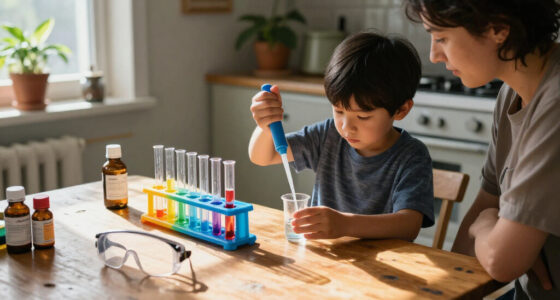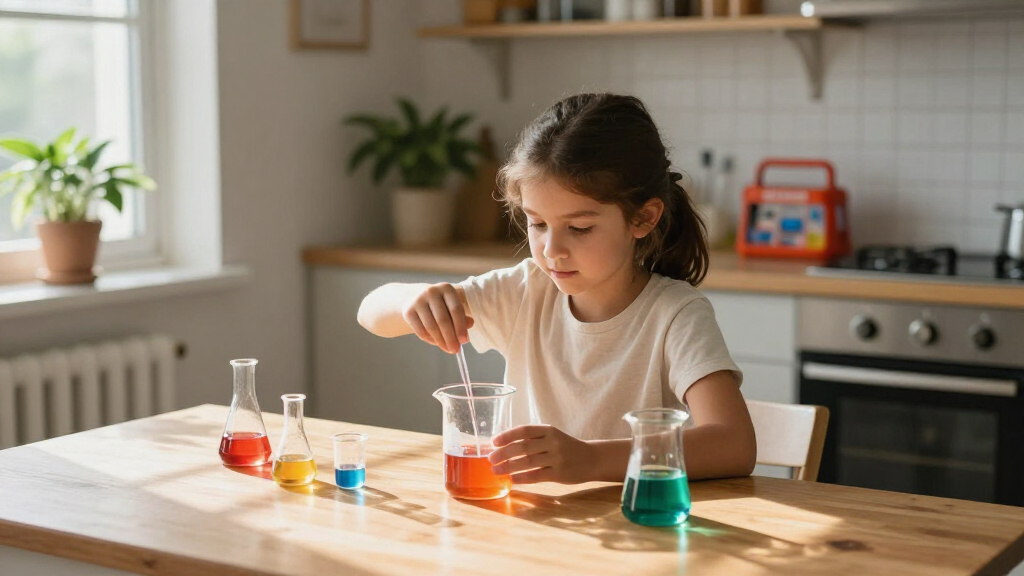

Choosing among interactive science lab kits comes down to three questions: how many experiments you actually get, how well the instructions guide a child through them, and whether the kit holds interest after the first weekend. My top pick is the National Geographic Amazing Chemistry Set with 100+ Experiments, which balances experiment variety, real chemical reactions, and National Geographic’s reliably clear manuals better than anything else in this lineup. If budget is the priority, the UNGLINGA 70 Lab Experiments Kit delivers genuine hands-on chemistry at a fraction of the price, while Bill Nye’s VR Science Kit wins on sheer engagement for screen-motivated kids, though its virtual component divides families. The main tradeoff you’ll face is experiment quantity versus guided quality — some kits inflate their counts with near-duplicate variations. Keep reading for the full ranked breakdown.

Prime made for students and young adults
- Fast, free delivery for dorm and study essentials
- Prime Video and Amazon Music included
- Member-only deals
Key Takeaways
- National Geographic dominates the middle and top of this comparison: its 100+, 75, and 50-experiment kits consistently offered the best-written manuals and safest chemical selections, which is why three of its five entries landed in the upper half.
- Experiment counts are frequently inflated — the UNGLINGA 300+ kit counts digging, crystal growing, and repeat variations of the same reaction as separate experiments, so its real variety is closer to a 100-experiment kit.
- VR-enhanced kits (both Bill Nye options) cost meaningfully more per experiment than manual-only rivals, and they require a compatible smartphone, which adds a failure point that purely physical kits avoid.
- The Thames & Kosmos Ooze Labs Chemistry Station is the only kit here built around a dedicated workstation design, trading experiment quantity (just 20) for a more authentic lab feel that kept kids engaged longer per session.
- Role-play kits (the 80 and 120-experiment scientist costume sets) suit younger children ages 4-7 best; for kids 8+, their simplified experiments will feel babyish compared with National Geographic or Doctor Jupiter chemistry sets.
| Bill Nye’s VR Science Kit – Kids STEM Set, Gift for Ages 8-12 |  | Best Digital-Hybrid Pick | Pieces: 50 reusable pieces | VR Goggles: Included | Compatible Devices: iOS and Android smartphones | VIEW LATEST PRICE | See Our Full Breakdown |
| 26PCS Science Lab Kit Plastic Lab Science Experiments and Test Tubes Set |  | Best Budget Lab Ware Starter | Number of Pieces: 26 | Included Tools: Droppers, test tubes, test tube rack, conical flask, pipettes, pen-washing cups | Material: Plastic | VIEW LATEST PRICE | See Our Full Breakdown |
| National Geographic Junior Chemistry Set with 50 Experiments for Kids |  | Best for Preschool Scientists | Number of Experiments: 50 | Age Range: 4 and up | Tools Included: 20+ kid-safe lab tools | VIEW LATEST PRICE | See Our Full Breakdown |
| National Geographic Mega Science Lab with 75 Experiments for Kids 8-12 |  | Best Overall | Number of Experiments: 75 | Age Range: 8 years and up | Included Kits: Earth Science Kit, Chemistry Kit, Science Magic Kit | VIEW LATEST PRICE | See Our Full Breakdown |
| National Geographic Amazing Chemistry Set with 100+ Experiments for Ages 8-12 |  | Best for Serious Chemistry Focus | Number of Experiments: 100+ (plus 85 bonus household experiments) | Age Range: 8 years and up | Tools Included: Real scientific tools including test tubes and beakers | VIEW LATEST PRICE | See Our Full Breakdown |
| Science Kit for Kids – 80 Science Lab Experiments with Scientist Role Play |  | Best for Youngest Scientists | Number of Experiments: 80 | Age Range: 6+ years | Safety Gear: Goggles and gloves included | VIEW LATEST PRICE | See Our Full Breakdown |
| UNGLINGA 70 Lab Experiments Science Kit for Kids |  | Best Budget-Friendly Starter | Number of Experiments: 70 | Educational Focus: Chemistry, STEM, critical thinking | Age Range: Not specified | VIEW LATEST PRICE | See Our Full Breakdown |
| UNGLINGA 300+ Experiments Science Kit for Kids – STEM Chemistry Set with Lab Manual, Volcano, Crystal Growing, Digging Activities |  | Best for Extended Learning | Number of Experiments: 300+ | Age Range: 8 years and up | Activity Types: Volcanoes, crystal growing, physics, digging activities | VIEW LATEST PRICE | See Our Full Breakdown |
| Science Kit for Kids – 120 Science Lab Experiments & Scientist Role Play |  | Best for Skill-Building | Number of Experiments: 120 | Recommended Age: 6+ years | Materials: Safe, non-deteriorating chemical materials | VIEW LATEST PRICE | See Our Full Breakdown |
| National Geographic Science Magic Kit for Kids with 100+ Experiments and Magic Tricks |  | Best for Reluctant Scientists | Number of Experiments: 100+ | Bonus Content: Booklet with 85+ additional magic tricks | Age Range: 8 years and up | VIEW LATEST PRICE | See Our Full Breakdown |
| Doctor Jupiter Ultimate Science Experiments Kit for Kids Ages 8+ |  | Best Overall | Brand: Doctor Jupiter | Age Range: 8 years and up | Educational Objective: STEM | VIEW LATEST PRICE | See Our Full Breakdown |
| National Geographic Chemistry Set with 45 Experiments for Kids 8-12 |  | Best Trusted Brand | Brand: National Geographic | Age Range: 8 years and up | Number of Experiments: 45 | VIEW LATEST PRICE | See Our Full Breakdown |
| Bill Nye’s VR Space Lab – STEM Science Kit for Kids Age 8-13 |  | Best Tech-Enhanced Learning | Age Range: 8-13 years | Number of Pieces: 85 | Activity Book Pages: 92 | VIEW LATEST PRICE | See Our Full Breakdown |
| UNGILINGA 150 Experiments Science Kits for Kids Chemistry Lab STEM Toys |  | Best Value for Volume | Brand: UNGILINGA | Number of Experiments: 150 | Suitable For: Kids (8+ recommended) | VIEW LATEST PRICE | See Our Full Breakdown |
| Thames & Kosmos Ooze Labs Chemistry Station Science Experiment Kit |  | Best for Youngest Scientists | Brand: Thames & Kosmos | Age Range: 6 to 25 years (72-300 months) | Set Name: Ooze Labs Chem Station | VIEW LATEST PRICE | See Our Full Breakdown |
| interactive science lab kit | Age Range | Number of Experiments |
|---|---|---|
| Bill Nye’s VR Science Kit | 8-12 years | — |
| 26PCS Science Lab Kit Plastic | — | — |
| National Geographic Junior Che | 4 and up | 50 |
| National Geographic Mega Scien | 8 years and up | 75 |
| National Geographic Amazing Ch | 8 years and up | 100+ (plus 85 bonus household experiments) |
| Science Kit for Kids | 6+ years | 80 |
| UNGLINGA 70 Lab Experiments Sc | Not specified | 70 |
| UNGLINGA 300+ Experiments Scie | 8 years and up | 300+ |
| Science Kit for Kids | — | 120 |
| National Geographic Science Ma | 8 years and up | 100+ |
| Doctor Jupiter Ultimate Scienc | 8 years and up | 135+ |
| National Geographic Chemistry | 8 years and up | 45 |
| Bill Nye’s VR Space Lab | 8-13 years | — |
| UNGILINGA 150 Experiments Scie | — | 150 |
| Thames & Kosmos Ooze Labs Chem | 6 to 25 years (72-300 months) | 20 |
More Details on Our Top Picks
Bill Nye’s VR Science Kit – Kids STEM Set, Gift for Ages 8-12
Most kits in this roundup live entirely on the tabletop, but Bill Nye’s VR Science Kit splits the experience between hands-on experiments and a smartphone-driven virtual layer. The 50 reusable pieces and printed activity book anchor the physical play, while the included VR goggles add short immersive segments on concepts like thrust, density, and volcanoes. Compared with the National Geographic Mega Science Lab, which offers more raw experiment volume, this kit trades quantity for novelty — the VR component is what keeps screen-oriented kids engaged. The tradeoffs are real: each VR segment runs only 2-3 minutes, and tablets are not supported, so device compatibility should be checked before buying. Supervision is also expected. This pick makes the most sense for families who want a bridge between digital entertainment and physical science.
Pros:- Combines hands-on experiments with immersive VR technology
- 50 reusable pieces and a thorough activity book extend replay value
- Strong gift appeal for kids who resist traditional science kits
- Meets toy safety standards
Cons:- VR segments are brief at 2-3 minutes each
- No tablet support limits device options
- Requires adult supervision for safe use
Best for: Parents of screen-loving kids aged 8-12 who want digital novelty to pull them into physical experiments
Not ideal for: Households without a compatible iOS or Android smartphone, or kids expecting long-form VR content
- Pieces:50 reusable pieces
- VR Goggles:Included
- Compatible Devices:iOS and Android smartphones
- Age Range:8-12 years
- Supervision:Adult supervision recommended
- Safety Standards:Meets toy safety standards
Our verdict“A smart choice if your child needs a digital hook to sit down at the lab bench — just don’t expect deep VR content.”
26PCS Science Lab Kit Plastic Lab Science Experiments and Test Tubes Set
Unlike the experiment-driven kits elsewhere in this roundup, this 26-piece set is pure lab equipment: test tubes, a rack, droppers, pipettes, a conical flask, and pen-washing cups. That changes the buying calculus. Where the National Geographic Junior Chemistry Set bundles chemicals and instructions, this option hands kids the tools and leaves the experiments to you — which is either freedom or friction depending on your household. The all-plastic construction means no shattered glass and easy cleanup, a genuine advantage over glass starter sets for younger siblings nearby. On the flip side, plastic scratches and clouds over time, and there are no experiment guides or reagents included, so parents must source activities themselves. Compared with a full kit like UNGLINGA’s 70-experiment set, this is the cheaper, more durable foundation rather than a complete experience.
Pros:- 26 pieces of real lab equipment at a low price point
- Plastic construction eliminates breakage risk around young kids
- Lightweight and easy to organize for classroom or home use
- Works as refill gear for other experiment kits
Cons:- No experiments, instructions, or reagents included
- Plastic is less durable and less authentic than glass over time
Best for: Budget-conscious parents and teachers who already have experiment ideas and just need safe, durable equipment
Not ideal for: Buyers expecting a guided experience — there are no instructions, chemicals, or activity book included
- Number of Pieces:26
- Included Tools:Droppers, test tubes, test tube rack, conical flask, pipettes, pen-washing cups
- Material:Plastic
- Experiment Guides:Not included
- Reagents:Not included
- Use Setting:Home and classroom
Our verdict“A blank-canvas equipment set that rewards creative parents but frustrates anyone wanting a ready-to-run science kit.”
National Geographic Junior Chemistry Set with 50 Experiments for Kids
Nearly every kit in this roundup starts at age 8, which makes this Junior Chemistry Set the rare option for ages 4 and up. National Geographic achieves that by building all 50 experiments around safe household materials like baking soda and vinegar, paired with 20+ durable, kid-safe tools and illustrated instructions a pre-reader can follow with help. Compared with the National Geographic Mega Science Lab, the experiments here are simpler and shorter by design — that is the point. The tradeoff is ceiling: an 8-year-old who has already outgrown fizzing volcanoes will find this repetitive, and a few activities still need an adult’s hands. The reliance on pantry staples is both the strength (cheap refills, nothing hazardous) and the limit (no real chemistry tools or reactions beyond the basics). This pick makes the most sense as a first science kit, not a long-term one.
Pros:- Age-appropriate for children as young as 4
- 50 experiments using safe, cheap household materials
- Illustrated instructions accessible to early readers
- Durable, kid-safe tools sized for small hands
Cons:- Experiments are basic and quickly outgrown
- Requires supervision and some adult assistance throughout
Best for: Parents of children aged 4-7 who want a safe, low-cost introduction to hands-on science
Not ideal for: Kids 8 and older who have done basic baking-soda experiments — they will exhaust it quickly
- Number of Experiments:50
- Age Range:4 and up
- Tools Included:20+ kid-safe lab tools
- Materials:Common household items like baking soda and vinegar
- Instructions:Easy-to-follow illustrated guide
- Supervision:Adult supervision required
Our verdict“The best on-ramp to science for the preschool crowd, provided you accept that they will graduate from it within a year or two.”
National Geographic Mega Science Lab with 75 Experiments for Kids 8-12
This is the kit I would point most families toward first. The Mega Science Lab bundles three complete kits — earth science, chemistry, and science magic — into 75 experiments spanning volcano building, crystal growing, chemical reactions, and magic tricks. That breadth is its core advantage: where the National Geographic Amazing Chemistry Set goes deep on chemistry alone, this bundle covers kids whose interests shift week to week. It also out-ages the Junior Chemistry Set comfortably, hitting the 8-12 window most of this roundup targets. The tradeoffs: some experiments need adult supervision, the safety documentation is thinner than I would like for a multi-discipline kit, and younger siblings under 8 will struggle with several activities. Compared with UNGLINGA’s larger-count kits, experiment quality and instruction clarity here justify choosing fewer, better-designed activities.
Pros:- Three kits in one: earth science, chemistry, and science magic
- 75 experiments provide months of varied activity
- Award-winning product from a reputable brand
- Builds critical thinking across multiple STEM disciplines
Cons:- Some experiments require adult supervision
- Safety precautions are not clearly documented
- Too advanced for younger children
Best for: Families with kids aged 8-12 who want maximum topic variety in a single gift-boxed kit
Not ideal for: Children under 8, or parents who want a single-subject deep dive like a dedicated chemistry set
- Number of Experiments:75
- Age Range:8 years and up
- Included Kits:Earth Science Kit, Chemistry Kit, Science Magic Kit
- Activities:Volcano building, crystal growing, chemical reactions, magic tricks
- Educational Objective:Critical Thinking, Observation Skills, STEM
- Manufacturer:JMW Sales, Inc.
- Warranty:Backed by National Geographic customer service
Our verdict“The strongest all-around pick for the core 8-12 audience — breadth, brand quality, and variety in one box.”
National Geographic Amazing Chemistry Set with 100+ Experiments for Ages 8-12
For the child who already knows they love chemistry, this set beats the broader National Geographic Mega Science Lab on depth: 100+ experiments centered on reactions, color-changing solutions, and crystal growing, backed by real scientific tools like test tubes and beakers rather than toy stand-ins. The bonus guide adds 85 more experiments using household items, effectively doubling the runway once the boxed supplies run out — something the standalone 26-piece lab ware set can’t offer without separate planning. The award-winning pedigree shows in the instruction quality. Tradeoffs are worth weighing: supervision is needed for some reactions, a few components are small enough to concern households with younger kids, and older teens will find the ceiling low. If your buyer wants one subject done thoroughly rather than three done adequately, this is the better National Geographic box.
Pros:- 100+ chemistry-focused experiments in one set
- Includes real scientific tools like test tubes and beakers
- Bonus guide adds 85 household-item experiments
- Award-winning set with strong instruction quality
Cons:- Some experiments require adult supervision
- Small components pose a risk around younger siblings
- Content ceiling too low for older teens
Best for: Kids aged 8-12 with a demonstrated interest in chemistry who want depth over variety
Not ideal for: Families with children under 6 at home due to small parts, or teenagers wanting advanced chemistry
- Number of Experiments:100+ (plus 85 bonus household experiments)
- Age Range:8 years and up
- Tools Included:Real scientific tools including test tubes and beakers
- Key Activities:Crystal growing, color-changing solutions, chemical reactions
- Educational Objective:STEM / Chemistry
- Manufacturer:JMW Sales, Inc.
- Warranty:Backed by quality service
Our verdict“The chemistry specialist’s pick — choose it over the Mega Lab when focus matters more than breadth.”
Science Kit for Kids – 80 Science Lab Experiments with Scientist Role Play
Role play is the differentiator here, and it’s why this kit earns its spot for the younger end of the spectrum. While the UNGLINGA 300+ kit targets ages 8 and up, this set opens the door at 6 with goggles, gloves, and a full costume-style setup that turns experiments into imaginative play. The included safety gear is genuinely functional, not just decorative, which matters when rainbow rain and volcano eruptions get messy. Compared with the UNGLINGA 70-experiment kit, you get ten more activities plus petri dishes and real lab tools like droppers and test tubes, giving kids an authentic bench feel. The tradeoff is depth: eighty experiments is a middle-of-the-road count, and some activities require household items you’ll need to gather in advance, so planning ahead is part of the deal.
Pros:- Safety goggles and gloves included so kids learn proper lab habits early
- True starter age of 6+, lower than most chemistry-focused rivals
- Real lab tools like test tubes, droppers, and petri dishes create an authentic feel
- 80 experiments offer plenty of variety for the price point
Cons:- Requires adult supervision for nearly every activity
- Some experiments need additional household items not included
Best for: Parents of 6-7 year olds who want a first science kit that blends imaginative dress-up play with real experiments
Not ideal for: Older kids (9+) who would find the role-play framing babyish and want more experiment depth
- Number of Experiments:80
- Age Range:6+ years
- Safety Gear:Goggles and gloves included
- Lab Tools:Test tubes, petri dishes, droppers, measuring cups and spoons
- Materials:Chemical materials, pigments, effervescent tablets, balloons
- Supervision:Adult supervision required
Our verdict“This pick makes the most sense for families whose 6-year-old wants to look and act like a scientist, not just do a one-off reaction.”
UNGLINGA 70 Lab Experiments Science Kit for Kids
When the goal is simply testing whether science kits click with your child before committing to a bigger set, this UNGLINGA option is the low-risk entry point. It covers the classics — volcano eruptions, crystal growth, balloon rockets — with easy-to-follow instructions and child-safe ingredients. Compared with its own 300+ experiment sibling, the experiment count is obviously smaller, but the core activities overlap heavily, meaning you’re not sacrificing quality of the marquee experiments, just breadth. Against the Science Kit with 80 experiments, the missing role-play costume cuts the price further but also the charm for younger kids. The honest weakness: no specified age range leaves parents guessing about suitability, and the smaller inventory means consumables run out sooner.
Pros:- Lower-cost entry point for trying out science kits
- Safe, child-friendly ingredients reduce worry during messy experiments
- Clear, step-by-step instructions kids can follow with minimal help
- Covers popular staple experiments like volcanoes and crystal growth
Cons:- Age range is unspecified, making it hard to judge suitability
- Requires adult supervision for several experiments
- Smaller experiment inventory means shorter overall lifespan
Best for: Budget-conscious parents wanting an affordable trial run to gauge their child’s interest in STEM before buying a larger kit
Not ideal for: Families wanting a long-lasting kit — the 70-experiment supply will be exhausted within a few weeks of enthusiastic use
- Number of Experiments:70
- Educational Focus:Chemistry, STEM, critical thinking
- Age Range:Not specified
- Ingredients:Safe, child-friendly
- Signature Activities:Volcano eruptions, crystal growth, balloon rockets
- Instructions:Easy-to-follow manual
Our verdict“A sensible first purchase for gauging interest — buy it if you’re unsure, skip it if your child is already science-obsessed.”
UNGLINGA 300+ Experiments Science Kit for Kids – STEM Chemistry Set with Lab Manual, Volcano, Crystal Growing, Digging Activities
Longevity is the selling point, and no other kit in this lineup matches 300+ experiments. Where the 120-experiment Science Kit might last a couple of months of weekend sessions, this one stretches across seasons, mixing chemistry staples with digging activities that break up the reaction-based routine. The detailed lab manual teaches the scientific method, not just steps, which pushes it beyond the National Geographic Science Magic Kit’s entertainment-first approach. Real lab tools add authenticity that cheaper kits skip. The tradeoffs are real, though: the 8+ age floor excludes younger siblings, some activities still need household items, and ambitious families may find later experiments repetitive since many of the 300 are variations on shared principles rather than wholly distinct activities.
Pros:- 300+ experiments deliver exceptional cost-per-activity value
- Detailed manual explicitly teaches the scientific method
- Real lab tools create an authentic bench experience
- Mixes chemistry with digging and physics activities for variety
Cons:- Many of the 300 experiments are variations rather than distinct activities
- Some experiments require additional household items
- Requires adult supervision for younger children despite the 8+ rating
Best for: Families with kids 8+ who want a single kit that sustains months of weekend experiments without repeat purchases
Not ideal for: Advanced or older science students — the experiments skew toward fundamentals and won’t challenge middle-schoolers with prior lab exposure
- Number of Experiments:300+
- Age Range:8 years and up
- Activity Types:Volcanoes, crystal growing, physics, digging activities
- Lab Tools:Real lab tools included
- Manual:Detailed lab manual covering scientific concepts
- Educational Focus:STEM, critical thinking, problem solving
Our verdict“This pick makes the most sense for the family that wants one purchase to fuel an entire school year of hands-on science.”
Science Kit for Kids – 120 Science Lab Experiments & Scientist Role Play
This kit sits in a smart middle position: 120 experiments is 50% more than the 80-experiment version from the same family, while keeping the role-play costume that makes younger kids feel like real scientists. What distinguishes it is the stated focus on observation, prediction, and analysis skills — a more structured learning arc than the National Geographic Magic Kit’s trick-driven format. Materials are non-deteriorating, so unlike kits with perishable chemicals, this one can sit on a shelf between sessions without losing potency. Compared with the UNGLINGA 300+ set, the experiment count is far smaller, but the 6+ age range makes it accessible three years earlier. The catch: chemical bottles demand careful handling and storage, and supervision is non-negotiable for the younger end of the range.
Pros:- Explicitly develops observation, prediction, and analysis skills
- 120 experiments strike a balance between variety and manageable cost
- Non-deteriorating materials allow use across many months
- Role-play elements keep younger children engaged
Cons:- Chemical bottles require careful handling and secure storage
- Some experiments need additional household items
- Constant supervision needed for six-year-olds
Best for: Parents of 6-8 year olds who want experiments framed around thinking skills like predicting and analyzing, not just visual spectacle
Not ideal for: Kids who want maximum experiment volume — the UNGLINGA 300+ kit offers far more activities for a similar experience level
- Number of Experiments:120
- Recommended Age:6+ years
- Materials:Safe, non-deteriorating chemical materials
- Skills Focus:Observation, prediction, analysis
- Role Play:Scientist costume elements included
- Supervision:Required for younger children
Our verdict“The right choice when you want a kit that teaches how to think like a scientist rather than just dazzle with reactions.”
National Geographic Science Magic Kit for Kids with 100+ Experiments and Magic Tricks
Framing science as magic is a proven hook for kids who resist anything labeled “educational,” and this kit executes that angle better than anything else here. With 100+ experiments plus a bonus booklet of 85+ additional tricks, the total activity count rivals the UNGLINGA 300+ set in practice. Compared with the straightforward UNGLINGA 70-experiment kit, the performance element transforms the experience — kids can demonstrate tricks for family, which builds confidence alongside STEM understanding. National Geographic’s brand pedigree and award recognition show in the polished presentation. The flip side: the magic framing means some experiments prioritize the wow factor over scientific depth, and durability information is thin, so it’s unclear how the props hold up under repeated performances. Household items are also needed for certain tricks.
Pros:- Magic-trick framing successfully engages kids uninterested in traditional science kits
- Bonus booklet adds 85+ extra tricks beyond the 100 experiments
- Award-winning product with strong brand quality behind it
- Performance angle builds presentation confidence alongside STEM skills
Cons:- Some experiments prioritize spectacle over scientific explanation
- Limited information on prop durability with repeated use
- Requires adult supervision and some household items
Best for: Parents of showmanship-loving 8-12 year olds who need an entertainment hook to spark interest in science
Not ideal for: Serious young learners who want rigorous chemistry — the magic framing trades some educational depth for performance appeal
- Number of Experiments:100+
- Bonus Content:Booklet with 85+ additional magic tricks
- Age Range:8 years and up
- Brand:Blue Marble / National Geographic
- Model Number:NGMEGAMAGIC
- Focus:Magic-based STEM activities
Our verdict“The winner for converting a science-skeptic into an experimenter — buy it for the kid who loves an audience more than a lab bench.”
Doctor Jupiter Ultimate Science Experiments Kit for Kids Ages 8+
Doctor Jupiter’s Ultimate kit earns the top spot because it balances quantity and quality better than anything else here. With over 135 experiments — from glowing water to underwater volcanoes — plus a bonus experiment booklet, it outlasts the National Geographic Chemistry Set’s 45 activities while staying approachable for independent play. Compared with the UNGLINGA 150-experiment kit, the real glassware-style equipment (conical flask, test tube stand, measuring cylinder) makes kids feel like actual chemists rather than just following a recipe card. The tradeoff is that this depth demands commitment: some experiments need an adult present, and the chemical contents rule out younger siblings.
Pros:- Over 135 experiments plus a bonus booklet for extended use
- Real lab-style equipment like a conical flask and test tube stand
- Clear instructions designed for shared parent-child sessions
- Strong STEM learning depth beyond one-off wow experiments
Cons:- Requires adult supervision for several experiments
- Contains chemical materials that need careful storage away from younger kids
Best for: Parents of 8-12 year olds who want a long-lasting kit with genuine lab equipment and plenty of follow-up experiments
Not ideal for: Households with children under 8 — the chemicals and multi-step experiments are genuinely too advanced
- Brand:Doctor Jupiter
- Age Range:8 years and up
- Educational Objective:STEM
- Number of Experiments:135+
- Key Components:Measuring cylinder, conical flask, spatula, test tube stand, funnel, soap moulds, food colours, instruction manual, bonus booklet
- Manufacturer:Metis Learning Solutions Pvt. Ltd.
- Best Sellers Rank:#3 in Educational Science Kits
Our verdict“The most complete package for families ready to invest real time in hands-on science together.”
National Geographic Chemistry Set with 45 Experiments for Kids 8-12
National Geographic’s name carries weight for a reason: consistent quality and reliable customer support that budget brands like UNGLINGA can’t always match. This set focuses on the classics — volcano eruptions, geysers, and dramatic chemical reactions — executed cleanly with instructions kids can genuinely follow alone. It won’t match the Doctor Jupiter kit’s 135-experiment runway, and buyers should note the listing overlaps with Nat Geo’s own Mega and Amazing Chemistry sets, so check experiment counts before choosing within the brand. Where this one wins is dependability: it’s an award-winning option that makes a safe gift choice when you don’t know the child’s science background.
Pros:- Award-winning product from a widely trusted science brand
- Classic crowd-pleasing experiments like volcanoes and geysers
- Easy-to-follow instructions kids can use independently
- Backed by responsive customer support and warranty standards
Cons:- Fewer experiments than similarly priced competitors
- Small parts pose a choking hazard around younger siblings
Best for: Gift-givers who want a reputable, well-supported brand and classic showy experiments without overspending
Not ideal for: Kids who already blow through kits quickly — 45 experiments will feel short next to 100+ alternatives
- Brand:National Geographic
- Age Range:8 years and up
- Number of Experiments:45
- Educational Objective:STEM / Chemistry
- Model Number:NGMEGACHEMX
- Manufacturer:JMW Sales, Inc.
- Warranty:Backed by quality standards and customer support
Our verdict“A dependable, gift-safe chemistry set from a brand parents already trust — just don’t expect marathon longevity.”
Bill Nye’s VR Space Lab – STEM Science Kit for Kids Age 8-13
This is the only kit in the lineup where the physical experiments are half the story. Pairing 85 hands-on pieces and a 92-page activity book with 128 VR experiences viewed through included goggles, it turns space science into something closer to an interactive classroom than a chemistry bench. Compared with the Doctor Jupiter kit, the payoff here is engagement for screen-motivated kids — children who ignore test tubes will happily explore the solar system in VR. The catch is the hardware dependency: no compatible smartphone means no VR, and tablets are unsupported entirely. Unlike the purely physical kits, this one has a digital shelf life tied to your phone.
Pros:- 128 VR experiences make abstract space concepts visual and memorable
- 92-page activity book gives structure beyond one-off experiments
- VR goggles included in the box
- Works well for homeschooling and structured learning
Cons:- Requires a compatible smartphone; tablets are not supported
- Adult supervision recommended for younger children during VR use
Best for: Tech-leaning families with a spare smartphone who want to blend hands-on projects with immersive VR space science
Not ideal for: Families trying to limit screen time or without an iOS 11+/Android 8+ smartphone — the VR content is inaccessible
- Age Range:8-13 years
- Number of Pieces:85
- Activity Book Pages:92
- VR Experiences:128
- Includes VR Goggles:Yes
- Compatibility:iOS 11.0+ and Android 8.0+ smartphones (no tablets)
Our verdict“The right pick when your child learns better through screens and immersion than through beakers alone.”
UNGILINGA 150 Experiments Science Kits for Kids Chemistry Lab STEM Toys
If the goal is maximum experiments per dollar, this 150-experiment kit beats the National Geographic 45-experiment set and even edges out Doctor Jupiter on raw count. The variety is its strongest card — spanning chemistry, physics, and earth science — so kids who get bored of one discipline can switch lanes without a new purchase. The compromise is breadth over polish: unlike the Thames & Kosmos station, there’s no dedicated lab setup, and unlike Doctor Jupiter, the tools feel more utilitarian than inspiring. Add in the fact that some experiments need household items not in the box, and the true cost is slightly higher than the sticker suggests.
Pros:- 150 experiments spanning chemistry, physics, and earth science
- Lowest cost per experiment in this lineup
- Kid-friendly materials and clear instructions
- Variety prevents boredom across science topics
Cons:- Some experiments require additional household items not included
- Tools and equipment feel basic compared with premium kits
Best for: Budget-conscious parents of kids aged 8+ who want variety and volume across multiple science topics
Not ideal for: Anyone wanting a complete out-of-the-box experience — extra household supplies and supervision are needed
- Brand:UNGILINGA
- Number of Experiments:150
- Suitable For:Kids (8+ recommended)
- Themes:Chemistry, physics, earth science
- Includes:Tools, materials, and instruction manual
- Educational Objective:STEM
Our verdict“The smart buy when quantity and topic variety matter more than premium equipment.”
Thames & Kosmos Ooze Labs Chemistry Station Science Experiment Kit
While most kits here target 8+, the Ooze Labs station opens the lab door to kids as young as six thanks to 20 entirely non-hazardous experiments — slime, chromatography, and safe acid-base tests. The standalone colorful lab station gives children a dedicated workspace, something none of the bag-and-booklet kits like UNGLINGA’s offer, and the experiment cards are simple enough for early readers. The obvious tradeoff is scale: 20 activities is a fraction of the 135+ in the Doctor Jupiter kit, so avid young scientists will finish quickly. Setup and cleanup also take real time. This is a first-lab purchase, not a last one.
Pros:- All 20 experiments are non-hazardous and safe for younger children
- Dedicated colorful lab station creates an authentic workspace
- Clear experiment cards support independent play
- Introduces real concepts like pH, acids, bases, and chromatography
Cons:- Only about 20 experiments — far fewer than competing kits
- Station setup and cleanup can be time-consuming
Best for: Parents of 6-8 year olds wanting a safe, structured introduction to chemistry with zero hazardous materials
Not ideal for: Experienced or older kids — 20 experiments will be exhausted within a couple of weeks
- Brand:Thames & Kosmos
- Age Range:6 to 25 years (72-300 months)
- Set Name:Ooze Labs Chem Station
- Number of Experiments:20
- Educational Objective:Science / Introductory Chemistry
- Experiment Types:Slime, chromatography, acids and bases, pH testing
- UPC:814743013346
Our verdict“The ideal first chemistry station for young beginners, with the expectation that they’ll outgrow it.”
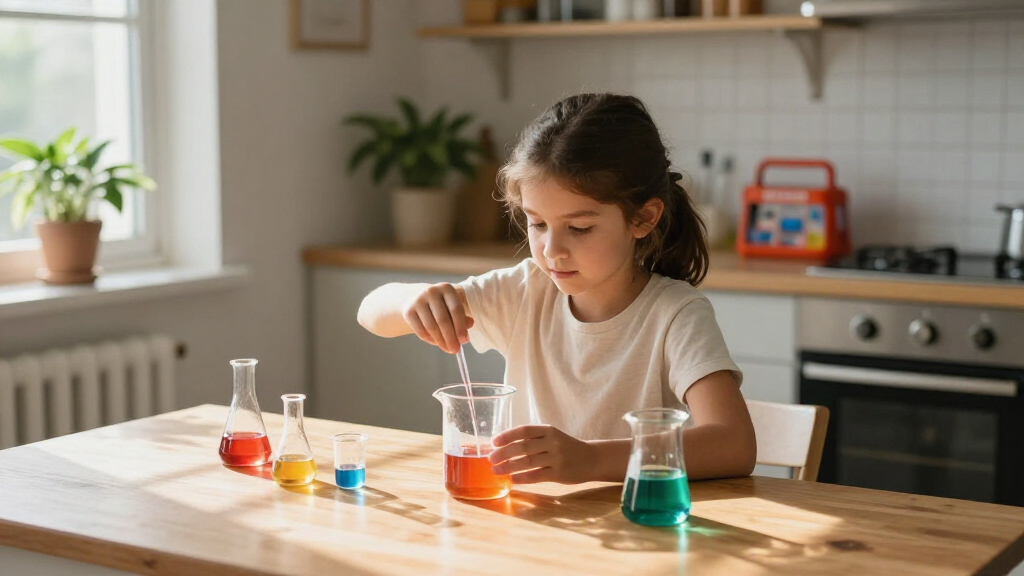
How We Picked
I evaluated each kit against four criteria that actually predict whether a child keeps using it. Instruction quality carried the most weight: a kit with 300 experiments and vague instructions gets abandoned faster than a 45-experiment kit with illustrated, mistake-proof guides. I compared how each manual explains the science behind the reaction, since the learning value of these kits comes from understanding the ‘why,’ not just watching fizz. Safety and materials came next — whether chemicals are food-safe, whether adult supervision is genuinely required, and how well-stocked the kit is out of the box versus how many household items you must supply.
Value per experiment and replayability rounded out the ranking. I discounted kits that pad their counts with duplicate variations, and I favored kits whose supplies support open-ended tinkering after the scripted experiments run out. Finally, I matched each kit to a buyer type — beginner, budget, premium, screen-loving, or young role-player — because a kit that disappoints one age group often delights another. The ranking reflects this fit, not just raw experiment totals.
Factors to Consider When Choosing Interactive Science Lab Kits
Before clicking buy on the biggest experiment count you can find, a few category-wide realities will shape whether your kit becomes a favorite or closet clutter.Experiment Count Is Marketing — Divide It by Three
Across this category, I found that advertised experiment counts routinely overstate genuine variety by two to three times. Manufacturers count color variations of the same slime recipe, re-running a volcano with different dye, and ‘observation’ steps as full experiments. A 100-experiment claim often means 35-40 distinct activities, which is still plenty for a season of weekend science. The honest signal is not the number but whether the kit includes multiple chemical types — acids and bases, indicators, crystals, and polymers indicate real variety. This is why the National Geographic 45-experiment kit can outperform a rival claiming 150. When comparing prices, calculate cost per distinct activity, not per advertised experiment.
Age Ratings Are Floors, Not Ceilings
Most kits in this roundup are labeled for ages 8-12, but the real dividing line is reading independence and fine-motor patience. Kids under 8 will need a parent reading every step aloud, which transforms a solo activity into a supervised one — decide in advance whether that’s what you want. Role-play kits deliberately target the pre-reader crowd with costume elements and simpler mixing tasks, while true chemistry sets assume a child can measure, pour, and wait. Going too old produces frustration; going too young produces boredom within a week. If you’re buying for a 7-year-old on the cusp, the junior chemistry sets with fewer, flashier experiments beat the mega kits.
Hidden Supply Lists and Refill Costs
A common disappointment in this category is opening a kit to discover half the ‘ingredients’ must come from your kitchen. Vinegar, baking soda, food coloring, and dish soap appear in many recipes, which is fine for a household that stocks them but frustrating on a rainy afternoon. Check the supply list before gifting — the premium National Geographic and Doctor Jupiter kits include nearly everything, while budget kits lean harder on household items. Also consider refills: single-use powder packets mean a 100-experiment kit is consumable, not durable. If longevity matters, prioritize kits with reusable tools (test tubes, stands, beakers) that support DIY experiments after the packaged supplies run out.
Screen-Enhanced vs. Purely Physical Kits
The VR and app-supported kits in this lineup occupy a genuinely different niche, and families disagree sharply on them. A VR component like Bill Nye’s can dramatically boost initial engagement for kids who resist book-based learning, and the virtual lessons explain concepts more vividly than any paper manual. The costs are real, though: you need a compatible phone, the headset fit varies by child, and the physical experiments tend to be fewer per dollar. Purely physical kits never have battery, compatibility, or screen-time arguments, and they travel better. My honest read: choose VR kits for reluctant scientists who need a hook, and physical kits for kids who already like making things happen with their hands.
Safety Claims Deserve Scrutiny, Not Panic
Nearly every kit here advertises ‘non-toxic’ and ‘safe’ chemistry, and most genuinely are — the reactions rely on citric acid, baking soda, and similar kitchen-adjacent chemicals. Still, there are meaningful differences in supervision requirements. Kits involving crystal growing or digestion-style tablets carry more ingestion warnings than simple slime and fizz kits, and anything with popping or fizzing reactions deserves goggles, which not all kits include. Read the supervision guidance honestly: ‘adult supervision required’ ranges from ‘watch from across the room’ to ‘you are doing the experiment.’ If you’re buying for a household without an involved adult, lean toward the truly independent kits.
Gift Timing and the Boredom Curve
Think about when the kit will be opened. A mega kit with 100+ experiments given before a holiday break gets devoured in days and abandoned; the same kit rationed to one or two experiments per weekend lasts months. Smaller kits make better single-occasion gifts, while the mega sets suit birthdays where the child controls the pace. There’s also a sibling factor: kits with role-play costumes and single-user goggles create fights, while kits with multi-step stations (like the Ooze Labs setup) let one child experiment while another observes. Buying one quality kit per child beats one giant shared kit for household peace.
Frequently Asked Questions
Are the chemicals in these science lab kits actually safe for kids to use alone?
For the most part, yes — the kits in this roundup use mild, food-adjacent chemicals like citric acid, sodium bicarbonate, and cornstarch-based powders rather than anything genuinely hazardous. The real safety question is mess and eye contact, not toxicity, which is why goggles matter for anything that fizzes or pops. Where kits differ is in supervision expectations: the National Geographic chemistry sets are designed for genuine independent use by ages 8+, while crystal-growing and digestion-tablet experiments warrant a closer adult presence. My advice is to read the specific warnings on the box rather than the marketing claims, and to treat ‘adult supervision recommended’ as the manufacturer protecting itself rather than a signal of danger.
Is a kit with 300 experiments actually better value than one with 50?
Almost never, and this is the biggest trap in the category. The UNGLINGA 300+ kit reaches that number by counting every digging tool variation, every crystal color, and every repeat of the volcano as a separate experiment, so the distinct-activity count is far lower. Meanwhile, National Geographic’s 50-experiment junior set spends its count on genuinely different reactions, each with its own explanation page. When I compared them, the 50-experiment kit delivered more minutes of engaged learning per dollar because none of its experiments felt like filler. Calculate value by dividing price by distinct activities, and treat any count above roughly 120 with suspicion until you see the experiment list.
Do the VR science kits like Bill Nye’s actually teach more, or is it a gimmick?
The answer depends on your child’s relationship with screens and books. The VR component genuinely explains concepts better than paper manuals — watching a molecule assemble in 3D teaches in a way no illustration can, and it’s a powerful hook for kids who resist reading instructions. What it doesn’t do is increase the number of physical experiments; you get fewer hands-on activities per dollar than manual-only rivals, and the experience depends on having a compatible smartphone and a child who tolerates the headset. Families who view it as an immersive lesson plus a modest experiment kit tend to be satisfied; families expecting a bigger physical lab at the same price are disappointed. It’s a learning-multiplier, not a lab-expander.
What’s the right kit for a 5 or 6-year-old who loves science?
At that age, skip the chemistry sets labeled 8+ and go for the role-play kits — the 80-experiment scientist costume sets are built exactly for this stage. The experiments there are deliberately simple mixing, color-changing, and fizzing activities that a pre-reader can follow with a parent narrating, and the costume and name badge deliver much of the joy. A true chemistry set at this age means the parent does the experiment while the child watches, which flips the activity’s purpose. Around 7 to 8, transition to a junior chemistry set with 45-50 experiments, then move to the 100+ kits once reading is fluent. Buying ahead of the age curve is the most common mistake I see in this category.
Can these kits be reused, or is everything single-use?
It varies more than buyers expect, and the packaging rarely makes it clear. The chemical packets in most kits are single-use, so a 100-experiment kit is consumable by design — but many of the most fun reactions use household supplies like vinegar and baking soda, meaning the test tubes, stands, and beakers keep working indefinitely with kitchen ingredients. Kits with robust hardware, like the Thames & Kosmos Ooze Labs station or the 26-piece lab equipment set, essentially become a permanent home lab once the packaged supplies run out. If longevity matters to you, prioritize kits with quality reusable tools and experiments whose ingredients you can restock at a grocery store. Kits built almost entirely around proprietary powder packets offer the least value after depletion.
Conclusion
After comparing all fifteen kits, the right choice depends less on specs and more on who’s opening the box. For best overall, the National Geographic Amazing Chemistry Set with 100+ Experiments wins on the combination of variety, instruction quality, and safety — it’s the kit I’d hand most families without hesitation. For best value, the UNGLINGA 70 Lab Experiments Kit delivers real chemistry at a budget price, and the 26-piece lab equipment set is the smart pick if you already have ingredients and just need proper tools.
For best premium, the Bill Nye’s VR Science Kit justifies its higher price for screen-motivated learners, while Doctor Jupiter’s Ultimate Kit is the premium choice for families who prefer purely physical experiments with premium packaging. For beginners and younger kids, start with the National Geographic Junior Chemistry Set (50 experiments) or a role-play scientist kit for pre-readers. For specific needs: the Thames & Kosmos Ooze Labs Station for kids who want an authentic lab-workstation feel, the National Geographic Science Magic Kit for performers who love showing off, and the UNGLINGA 300+ kit when sheer volume matters more than polish. Whatever you pick, ration the experiments — one or two per weekend turns any of these kits into months of curiosity instead of one messy afternoon.
Halloween Picks
halloween
As an affiliate, we earn on qualifying purchases.