
Searching for reliable scientific reference books can be daunting, as the category spans from comprehensive manuals to quick-reference guides. The Little Book of Scientific Principles, Theories and Things stands out as an excellent overall choice for its breadth and accessibility. For those seeking quick answers, the Physics Equations & Answers: QuickStudy Laminated Reference Guide offers instant lookup, while beginners may prefer guides like Write and Publish Scientific Paper for clarity on research processes. Readers face tradeoffs between depth and usability, budget and quality, or beginner friendliness versus expert detail. Continue reading for a detailed breakdown of the top options and what makes each unique.
Key Takeaways
- The top picks balance comprehensiveness with ease of use, making them suitable for a range of users from students to professionals.
- Price varies widely; more detailed manuals tend to cost more but offer richer content, while laminated guides prioritize quick access.
- Some books focus on research and publication, making them ideal for early-career scientists, whereas others emphasize foundational principles.
- Durability and format (print vs. digital) influence usability, especially for portable, on-the-go reference.
- Choosing the right book depends heavily on your specific needs—whether it’s quick answers, in-depth knowledge, or learning how to publish.
| Little Book of Scientific Principles, Theories and Things |  | Best Compact Overview for Quick Reference | Size: 8.5 x 0.06 x 11 inches | Weight: 2.31 pounds | Language: English | VIEW LATEST PRICE | See Our Full Breakdown |
| Physics Equations & Answers: QuickStudy Laminated Reference Guide |  | Best for Quick Physics Law Lookup and Problem-Solving | Dimensions: 8.5 x 0.06 x 11 inches | Weight: Not specified | Number of Pages: 6 pages | VIEW LATEST PRICE | See Our Full Breakdown |
| Write and Publish Scientific Paper: A Step-By-Step Publication Guide For Beginners (Research Fundamentals Simplified — A Mastering Research Series) |  | Best for Novice Researchers and Students Publishing First Papers | ASIN: B0DFN2D2Q4 | Series: Research Fundamentals Simplified | Pages: Not specified | VIEW LATEST PRICE | See Our Full Breakdown |
| Reference Manual on Scientific Evidence: Third Edition | 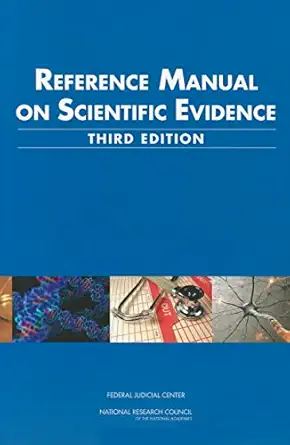 | Best Legal-Scientific Cross-Reference for Evidence Evaluation | ASIN: 0309214211 | Edition: Third | Format: Hardcover | VIEW LATEST PRICE | See Our Full Breakdown |
| Scientific American: Science Desk Reference |  | Best Popular Science Compilation for Broad Readership | ASIN: 0471356751 | Format: Hardcover | Pages: Not specified | VIEW LATEST PRICE | See Our Full Breakdown |
| The Science Book: Everything You Need to Know About the World and How It Works |  | Best for General Education and Introductory Learning | Type: Educational Reference Book | Scope: Broad scientific disciplines | Format: Paperback | VIEW LATEST PRICE | See Our Full Breakdown |
| How to Write a Scientific Paper: An Academic Self-Help Guide for PhD Students |  | Best for Aspiring Scientific Authors and Graduate Students | Type: Self-Help Guide | Audience: PhD students, early researchers | Format: Paperback | VIEW LATEST PRICE | See Our Full Breakdown |
| Scientific American’s Ask the Experts: Answers to The Most Puzzling and Mind-Blowing Science Questions |  | Best for Curious Minds and Science Enthusiasts | Type: Question-and-Answer Collection | Format: Paperback | Pages: 256 | VIEW LATEST PRICE | See Our Full Breakdown |
| Science Matters: Achieving Scientific Literacy |  | Best for Building Fundamental Scientific Reasoning | Type: Educational Guide | Scope: Scientific literacy and reasoning | Format: Paperback | VIEW LATEST PRICE | See Our Full Breakdown |
| The Structure of Scientific Revolutions: 50th Anniversary Edition |  | Best for Philosophy of Science and Paradigm Shifts | Type: Philosophical Text | Edition: 50th Anniversary | Format: Hardcover | VIEW LATEST PRICE | See Our Full Breakdown |
More Details on Our Top Picks
Little Book of Scientific Principles, Theories and Things
This small-sized book excels at condensing fundamental scientific principles, theories, and key concepts into an accessible format. Compared with more comprehensive texts, it offers a quick refresher rather than in-depth explanations, making it ideal for students needing a quick memory jog or professionals reviewing core ideas. Its brevity is both a strength and a limitation—it’s perfect for rapid consultation but lacks detailed context. Its compact size facilitates portability, and clear, concise summaries help reinforce foundational knowledge. However, it doesn’t substitute for detailed textbooks when deep understanding is required. Best suited for students, educators, or professionals needing a quick reference rather than in-depth study. Tradeoffs include limited depth for maximum convenience.
Pros:- Highly portable due to its small size
- Concise summaries enhance quick understanding
- Covers a broad range of fundamental principles
Cons:- Lacks detailed explanations or advanced content
- Not suitable for in-depth study or complex concepts
Best for: Students and educators who need a portable, quick refresher on core principles
Not ideal for: Researchers or advanced scientists seeking detailed explanations and comprehensive coverage
- Size:8.5 x 0.06 x 11 inches
- Weight:2.31 pounds
- Language:English
- ASIN:1402738706
- Publication Date:Not specified
- Number of Pages:Not specified
Bottom line: This pick makes sense for those who want a brief, easy-to-carry reference for foundational scientific ideas.
Physics Equations & Answers: QuickStudy Laminated Reference Guide
This laminated guide shines in providing instant access to essential physics equations, concepts, and common problem-solving tips. Unlike detailed textbooks, it focuses on quick reference, making it ideal for students during exams or practitioners needing a fast refresher. It covers key topics such as mechanics, wave motion, and electromagnetism with sample problems and pitfalls highlighted for clarity. Its laminated format ensures durability, and the concise layout facilitates rapid navigation. The tradeoff is that it cannot replace comprehensive textbooks like “The Science Book” or detailed guides such as “How to Write a Scientific Paper,” especially when in-depth understanding or derivations are needed. This guide is best for students, teachers, or engineers seeking quick problem-solving resources.
Pros:- Laminated for durability and longevity
- Quick access to core formulas and sample problems
- Covers a broad range of physics topics
Cons:- Limited depth—no detailed explanations or derivations
- Six pages only, so it’s a quick-reference not a comprehensive guide
Best for: Physics students, teachers, or engineers needing a portable, quick-reference guide
Not ideal for: Researchers requiring detailed derivations or comprehensive theory explanations
- Dimensions:8.5 x 0.06 x 11 inches
- Weight:Not specified
- Number of Pages:6 pages
- Language:English
- ASIN:1423201906
Bottom line: This laminated reference makes the most sense for those who need immediate access to physics formulas and quick tips, not deep theory.
Write and Publish Scientific Paper: A Step-By-Step Publication Guide For Beginners (Research Fundamentals Simplified — A Mastering Research Series)
This guide stands out for simplifying the complex process of writing and publishing scientific papers, making it particularly useful for beginners or students new to the publishing world. Unlike comprehensive manuals like “The Structure of Scientific Revolutions,” it offers a step-by-step process that demystifies the submission, revision, and publication stages. While it is excellent for novices, its simplified approach might omit nuanced advice needed by seasoned researchers, and it may lack depth for those already familiar with publishing procedures. Ideal for first-time authors or students seeking clear, straightforward guidance. Tradeoffs include less depth and fewer advanced tips.
Pros:- Clear, step-by-step guidance for beginners
- Simplifies complex publishing processes
- Accessible language and straightforward instructions
Cons:- Limited detail for experienced researchers
- Does not cover advanced publication strategies or niche journals
Best for: Graduate students or early-career researchers aiming to publish their first paper
Not ideal for: Experienced scientists or academics looking for in-depth, advanced publishing strategies
- ASIN:B0DFN2D2Q4
- Series:Research Fundamentals Simplified
- Pages:Not specified
- Language:English
- Publication Series:Mastering Research
Bottom line: This pick makes the most sense for beginners or students who want an easy, structured path to publishing their first scientific paper.
Reference Manual on Scientific Evidence: Third Edition
This manual is an essential resource for legal professionals and scientists involved in judicial proceedings, providing authoritative standards for evaluating scientific evidence. Compared with general reference books like “The Science Book,” it offers more technical details, updated methodologies, and expanded case law analysis, making it indispensable for courtroom evidence assessment. Its comprehensive scope makes it less suitable for lay readers or those seeking a non-technical overview. The high price reflects its specialized content, but for those in the legal or scientific fields, it offers unmatched authority. This manual is best for legal practitioners, forensic scientists, and researchers involved in evidence evaluation.
Pros:- Comprehensive and authoritative on scientific evidence
- Includes recent methodologies and case law
- Essential for courtroom or legal science applications
Cons:- High cost limits accessibility for casual users
- Primarily technical, not suitable for general audiences
Best for: Legal professionals, forensic scientists, and researchers needing authoritative evidence standards
Not ideal for: General readers or students seeking broad scientific knowledge without legal context
- ASIN:0309214211
- Edition:Third
- Format:Hardcover
- Pages:Not specified
- Updated Methodologies:Yes
Bottom line: This resource makes the most sense for legal and scientific professionals who need a detailed, authoritative guide to evidence evaluation.
Scientific American: Science Desk Reference
This desk reference offers a broad overview of scientific concepts, discoveries, and explanations tailored for a general audience, similar to “The Science Book” but with a focus on clarity and accessibility. It covers a wide range of topics but lacks the depth of academic or technical references like the “Reference Manual on Scientific Evidence.” Its engaging style makes it suitable for lay readers, students, or science enthusiasts, though professionals seeking detailed technical data may find it insufficient. This book makes the most sense for casual learners or those seeking a wide-ranging science overview, but it’s not ideal for in-depth research or academic work. Tradeoffs include breadth over depth.
Pros:- Accessible language suitable for non-experts
- Wide coverage across scientific disciplines
- Engaging, easy-to-read format
Cons:- Limited technical detail
- Not suitable for research or academic reference
Best for: General readers, science enthusiasts, or students wanting an engaging overview of various scientific topics
Not ideal for: Researchers or academics needing detailed technical data or specialized references
- ASIN:0471356751
- Format:Hardcover
- Pages:Not specified
- Language:English
Bottom line: This pick makes the most sense for casual learners or general readers seeking a broad science overview, not for technical or academic use.
The Science Book: Everything You Need to Know About the World and How It Works
This comprehensive guide stands out for its broad coverage of multiple scientific disciplines, making it ideal for readers seeking a solid overview of how the natural world functions. Compared with more specialized texts like Science Matters, this book excels at demystifying complex concepts in an accessible manner. However, its breadth means it lacks the depth that advanced science enthusiasts might expect, which could limit its usefulness for in-depth study. Its engaging writing style makes it a perfect starting point for curious learners who want a well-rounded foundation without the technical overload. Tradeoff: While it provides a wide-ranging introduction, it doesn’t substitute for more detailed or technical reference works.
Pros:- Covers a wide range of scientific topics in one volume
- Accessible language makes complex ideas easy to grasp
- Ideal for casual learners and science beginners
Cons:- Lacks depth necessary for advanced science study
- No detailed technical data or references for further research
Best for: General readers and students new to science who want an accessible, broad overview.
Not ideal for: Advanced researchers or science professionals seeking detailed, specialized information.
- Type:Educational Reference Book
- Scope:Broad scientific disciplines
- Format:Paperback
- Pages:416
- Audience:General readers, students
- Language:English
Bottom line: This book is perfect for newcomers seeking a comprehensive, easy-to-understand introduction to science but falls short for those requiring detailed technical insights.
How to Write a Scientific Paper: An Academic Self-Help Guide for PhD Students
This guide offers step-by-step advice tailored specifically for PhD students and early-career researchers aiming to publish their work. Unlike Scientific American’s Ask the Experts, which provides broad answers to scientific questions, this book focuses on the writing process, manuscript structure, and publication strategies. It emphasizes clarity and precision, making it invaluable for those new to academic publishing. The tradeoff is that it doesn’t cover scientific content or research methodologies in depth, so readers should already have a solid scientific background. For anyone preparing to communicate their findings effectively, this is a targeted, practical resource.
Pros:- Provides clear, actionable guidance on writing and publishing
- Designed specifically for PhD students and early researchers
- Includes practical tips on manuscript structure and journal submission
Cons:- Limited focus—does not cover research design or data analysis
- Assumes prior knowledge of scientific research processes
Best for: Graduate students and early-career researchers preparing to publish their scientific work.
Not ideal for: Experienced scientists or professionals looking for technical or research methodologies, as it mainly addresses writing skills.
- Type:Self-Help Guide
- Audience:PhD students, early researchers
- Format:Paperback
- Pages:200
- Language:English
- Publication Year:2021
Bottom line: This book is essential for new authors in science seeking to improve their writing and publication skills, but not suitable for those seeking technical research guidance.
Scientific American’s Ask the Experts: Answers to The Most Puzzling and Mind-Blowing Science Questions
This collection shines by answering some of the most intriguing science questions through expert insights, making it a compelling choice for inquisitive readers. Unlike The Science Book, which aims to provide foundational knowledge across disciplines, this book delves into specific mysteries and phenomena, offering detailed explanations. Its format is more question-and-answer oriented, which makes it highly engaging but less comprehensive for structured learning. The drawback is that it doesn’t serve as a systematic reference, so users seeking a broad overview or technical depth may find it lacking. This pick is best for those who love exploring science curiosities and want quick, authoritative answers.
Pros:- Provides clear, expert answers to fascinating science questions
- Engages curiosity with real-world phenomena
- Accessible and entertaining format
Cons:- Limited scope for systematic learning or detailed study
- Not suitable as a primary reference for technical research
Best for: Science enthusiasts and curious readers who want to explore intriguing scientific questions.
Not ideal for: Readers needing a structured, in-depth textbook or reference guide for academic purposes.
- Type:Question-and-Answer Collection
- Format:Paperback
- Pages:256
- Focus:Science curiosities and mysteries
- Audience:General readers, science buffs
- Publication Year:2006
Bottom line: Ideal for curious minds seeking quick, expert insights into science mysteries, but not for structured academic or technical reference.
Science Matters: Achieving Scientific Literacy
This book makes a compelling case for understanding scientific principles as a foundation for informed decision-making. Compared with The Structure of Scientific Revolutions, which explores paradigm shifts in scientific history, Science Matters emphasizes everyday scientific literacy and critical thinking. It promotes evidence-based reasoning but assumes some prior basic science knowledge, making it less accessible for absolute beginners. Its focus on the conceptual and philosophical aspects means practical application might be limited for those seeking hands-on skills. This book is well-suited for learners who want to grasp the importance of science in society and develop reasoning skills.
Pros:- Promotes critical thinking and evidence-based reasoning
- Covers core concepts of scientific literacy
- Encourages informed decision-making in everyday contexts
Cons:- Requires some prior knowledge of basic science
- Focuses more on theory than hands-on practice
Best for: Individuals interested in understanding and applying scientific reasoning in daily life and decision-making.
Not ideal for: Readers seeking detailed technical content or practical laboratory skills without a background in basic science.
- Type:Educational Guide
- Scope:Scientific literacy and reasoning
- Format:Paperback
- Pages:240
- Audience:General learners, educators
- Language:English
Bottom line: Best suited for learners aiming to enhance their scientific reasoning and literacy, but less ideal for those seeking practical science skills without foundational knowledge.
The Structure of Scientific Revolutions: 50th Anniversary Edition
This seminal work by Thomas Kuhn remains a cornerstone in understanding how scientific progress occurs through paradigm shifts. The 50th-anniversary edition adds a new preface and reflections, reinforcing its enduring relevance. Compared with The Science Book, which provides broad scientific knowledge, this book offers a deep philosophical exploration of scientific change, making it highly influential but less accessible for casual readers. Its dense, conceptual language can be challenging for non-academics, and it offers limited practical guidance. Nonetheless, this edition is invaluable for those interested in the history and philosophy of science, particularly in understanding scientific revolutions and paradigm shifts.
Pros:- Foundational text on scientific paradigm shifts
- Includes updated reflections and a new preface
- Highly influential in academic circles
Cons:- Dense, philosophical language can be difficult for casual readers
- Limited practical application for non-academic audiences
Best for: Academics, philosophers, and students of science history seeking a foundational understanding of scientific paradigm changes.
Not ideal for: Readers looking for practical science information or introductory material, as the content is heavily philosophical and theoretical.
- Type:Philosophical Text
- Edition:50th Anniversary
- Format:Hardcover
- Pages:264
- Language:English
- Publication Year:2015
Bottom line: This edition is essential for those studying the philosophy and history of science but may be too dense for readers seeking practical or introductory science content.

How We Picked
These books were selected based on their relevance to scientific reference needs, clarity, and usability. We prioritized resources that offer accurate, well-organized content suitable for a broad audience, from students to seasoned researchers. Our evaluation considered factors like comprehensiveness, ease of navigation, format, and value for money. Books that combine clarity with authoritative content ranked higher, especially those that address common user needs such as quick answers, foundational understanding, or research skills. The ranking reflects a balance between depth and practicality, ensuring each pick serves a clear purpose.
Factors to Consider When Choosing Scientific Reference Books
Choosing the right scientific reference book involves understanding your specific goals—are you seeking quick facts, comprehensive explanations, or guidance on research and publishing? Considering the format, scope, and usability can significantly impact your experience. Below are key factors to weigh when selecting a reference book that matches your needs and enhances your learning or work efficiency.
Scope and Depth
Assess whether you need a broad overview or a deep dive into specific topics. Some books, like encyclopedic manuals, cover extensive principles and theories, suitable for advanced study. Others, like quick-reference guides, prioritize concise answers ideal for on-the-fly consultation. Matching the scope with your current knowledge level and goals ensures you get the right balance of detail without feeling overwhelmed or under-informed.
Format and Usability
Decide if you prefer printed books, laminated guides, or digital formats. Laminated or pocket-sized references excel for portability and quick lookup, especially in labs or fieldwork. Digital versions may offer search functions and updates, but can be less durable or portable. The format impacts how often you’ll use the book and in what contexts, so choose accordingly.
Content Accuracy and Authority
Ensure the book is authored by reputable experts or organizations. Accurate, peer-reviewed content is essential, especially for research or publication purposes. Check for recent editions to access updated information, and consider whether the resource is recognized within the scientific community. Reliable sources prevent misinformation and support your credibility in scientific work.
Price and Value
Prices range from budget-friendly laminated sheets to expensive comprehensive manuals. Think about how often you’ll reference the book and whether investing in a more detailed resource pays off for your needs. Sometimes, a higher upfront cost yields longer-lasting value, especially if the content is thoroughly vetted and well-organized. Balance your budget with the importance of the information contained.
Specific User Needs
Identify if you need a guide on research practices, scientific principles, or publication strategies. Beginners may benefit from introductory texts that explain concepts clearly, while experienced researchers might prefer detailed manuals or advanced textbooks. Clarifying your primary purpose helps narrow choices and ensures the resource will support your current skill level and future goals.
Frequently Asked Questions
How do I choose a scientific reference book suitable for my level of expertise?
Start by assessing your current knowledge and specific needs. Beginners often benefit from introductory guides that explain foundational principles in simple language, while advanced users may prefer comprehensive manuals or specialized texts. Look for books that specify their target audience, and consider reviews or sample pages to evaluate clarity and depth. Matching the book’s complexity with your skill level ensures you gain maximum value from your purchase.
Are digital or print reference books better for quick scientific lookups?
Digital formats often provide faster search capabilities and easy updates, making them ideal for rapid lookups and on-the-go use. However, print books offer tactile reliability and don’t depend on devices or batteries, which can be critical in field settings. Laminated guides combine portability with durability, serving as a practical compromise. The choice depends on your typical usage scenario and preference for accessibility versus convenience.
How often should I update my scientific reference books?
Scientific knowledge evolves rapidly, so updating depends on your field. For fast-moving disciplines like physics or biology, new editions every few years are advisable. For more stable foundational topics, older editions may still be useful, but always verify if there’s updated content available. Staying current with recent editions ensures your references reflect the latest theories, data, and standards.
What features make a reference book more user-friendly?
Clear organization, an intuitive table of contents, and comprehensive indexing significantly enhance usability. Visual aids like diagrams, charts, and highlighted key points help in quick comprehension. Compact and durable formats also improve practicality, especially for fieldwork or frequent referencing. A well-designed layout minimizes frustration and speeds up finding the needed information efficiently.
Is it worth investing in a premium scientific reference book?
Premium books often provide authoritative, thoroughly vetted content, and sometimes include supplementary materials like online access or interactive features. If you rely heavily on accurate, in-depth information for research or teaching, investing in a higher-quality resource can save time and reduce errors. However, for casual or occasional use, more affordable options may suffice, balancing cost with your actual needs.
Conclusion
For general use and broad coverage, the Little Book of Scientific Principles, Theories and Things makes a strong case as the best overall pick, offering a well-rounded foundation. Those prioritizing quick, on-the-spot answers should consider the Physics Equations & Answers: QuickStudy Laminated Reference Guide for its portability. Beginners and students will find value in guides like Write and Publish Scientific Paper, which simplifies research procedures. More advanced users seeking authoritative, in-depth content might prefer the Reference Manual on Scientific Evidence or The Structure of Scientific Revolutions. Ultimately, your choice depends on your specific goals—whether you need quick reference, comprehensive knowledge, or research guidance—so match the book to your level and purpose for the best results.