
Your ductwork’s shape and size are key to controlling airflow in your HVAC system. Round ducts with smooth interiors help air flow efficiently, while rectangular or irregular shapes can cause turbulence and pressure drops. Proper sizing guarantees the right balance between airflow and system efficiency—oversized ducts waste energy, while narrow ones restrict air. Using the right materials and ensuring airtight connections also matter. Keep exploring to discover how to optimize your ductwork for better comfort and lower energy bills.
Key Takeaways
- Round ducts promote smoother airflow and reduce resistance compared to rectangular or irregular shapes.
- Proper duct size balances airflow capacity and system efficiency, preventing pressure drops and noise.
- Oversized ducts cause high velocity and noise, while undersized ducts reduce airflow and system performance.
- Smooth interior surfaces and airtight connections minimize turbulence and pressure loss.
- Correct bends and minimal sharp turns decrease turbulence and maintain consistent air pressure throughout the system.

Ductwork is an vital part of your heating, ventilation, and air conditioning (HVAC) system, responsible for delivering conditioned air throughout your home. The design, shape, and size of your ducts directly influence how efficiently air flows, affecting comfort and energy bills. When considering ductwork, understanding how air pressure and duct materials interact helps you make informed decisions about your system’s performance. Properly designed ducts maintain consistent air pressure, ensuring each room receives adequate airflow without overworking your system. If ducts are too narrow or irregularly shaped, air pressure drops, reducing airflow and causing your HVAC to strain. Conversely, oversized ducts can lead to excessive air velocity, noise, and inefficient operation. Striking the right balance in duct size is vital for optimal airflow and system longevity.
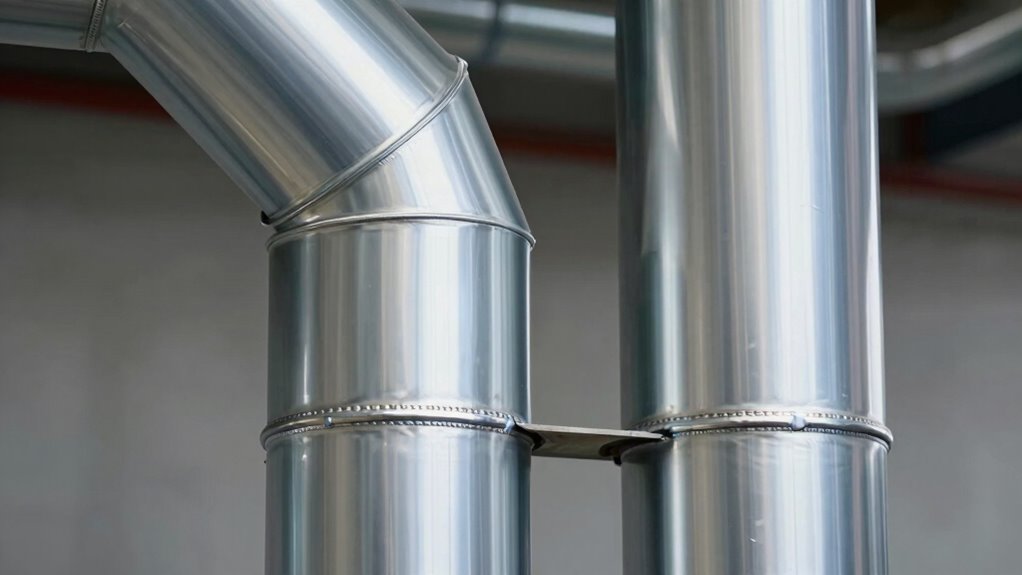
The materials used for your ducts also play a significant role in airflow and overall system efficiency. Common duct materials include sheet metal, flex duct, and fiberglass, each with unique properties impacting air pressure and durability. Metal ducts, typically made of galvanized steel or aluminum, are sturdy and long-lasting, but their smooth interior surfaces help minimize air resistance, supporting steady air pressure. Flex ducts are lightweight and flexible, making installation easier, but they can sometimes cause turbulence if bent improperly, leading to pressure drops. Fiberglass ducts, often insulated, help reduce heat loss and noise, but their rough interior surfaces may increase resistance and affect air pressure if not properly maintained. Choosing the right duct material depends on your home’s needs and the specific airflow requirements for each space.
Your choice of duct shape also influences air pressure and airflow. Round ducts, for example, are ideal because they allow air to flow smoothly with less resistance compared to rectangular or square ducts. Smooth, continuous surfaces reduce turbulence and help maintain consistent air pressure throughout the system. Irregular shapes, sharp bends, or poorly connected joints can create turbulence, causing fluctuations in air pressure that diminish airflow efficiency and increase noise. Proper installation ensures duct connections are airtight and well-sealed, preventing leaks that can cause pressure loss and uneven heating or cooling. Additionally, proper duct sizing is crucial to optimize airflow and system efficiency.

LEVOIT Air Purifier for Home Large Room Up to 1073Ft² with Air Quality Monitor, AHAM VERIFIDE, Smart WiFi, Washable Pre-Filter, HEPA Sleep Mode for Pets, Allergies, Dust, Pollen, Vital 100S-P, White
𝐖𝐇𝐘 𝐂𝐇𝐎𝐎𝐒𝐄 𝐀𝐇𝐀𝐌 𝐕𝐄𝐑𝐈𝐅𝐈𝐃𝐄 𝐀𝐈𝐑 𝐏𝐔𝐑𝐈𝐅𝐈𝐄𝐑𝐒: AHAM (Association of Home Appliance Manufacturers) is an ANSI-accredited organization that sets...
As an affiliate, we earn on qualifying purchases.
Frequently Asked Questions
How Often Should Ductwork Be Inspected or Cleaned?
You should schedule a ductwork inspection at least once every 3 to 5 years, or more often if you notice issues like poor airflow or unusual odors. Cleaning frequency depends on factors like pet dander, dust levels, or allergies, but generally, ducts should be cleaned every 3 to 5 years. Regular inspections guarantee your system runs efficiently and helps prevent buildup that could affect air quality.
Can Duct Shapes Influence Noise Levels in a Home?
Think of your ductwork like a musical instrument—its shape directly impacts duct noise and sound attenuation. If ducts are too narrow or irregular, they amplify noise, making your home louder. I once fixed a home’s noisy vents by smoothing out sharp bends, which markedly reduced sound. Properly shaped ducts help control noise, ensuring a quieter, more comfortable living space by minimizing sound transmission and enhancing sound attenuation.
What Materials Are Best for Energy-Efficient Ductwork?
You should choose ductwork made from materials like insulated fiberglass or foil-backed insulation, which help reduce heat loss and improve energy efficiency. Additionally, using proper sealing techniques with mastic or foil tape prevents leaks, ensuring ideal airflow and minimizing energy waste. These materials and methods work together to keep your home warmer in winter and cooler in summer, saving you money on energy bills.
How Does Duct Size Impact Indoor Air Quality?
You’ll notice that duct size directly impacts indoor air quality by affecting airflow optimization. Proper duct sizing guarantees efficient air circulation, reducing stagnant air and preventing allergens or pollutants from accumulating. If ducts are too small, airflow drops, leading to poor ventilation; if too large, it wastes energy. By choosing the right duct size, you improve overall air quality and maintain a healthy, comfortable indoor environment.
Are There DIY Methods to Improve Duct Airflow?
Did you know that poorly maintained ductwork can reduce airflow by up to 20%? You can improve duct airflow with simple DIY maintenance, like replacing or cleaning filters regularly. Also, try duct sealing using mastic or foil tape to prevent leaks. These easy steps boost efficiency and indoor comfort, saving you money and energy. No professional needed—just some basic supplies and a little effort!
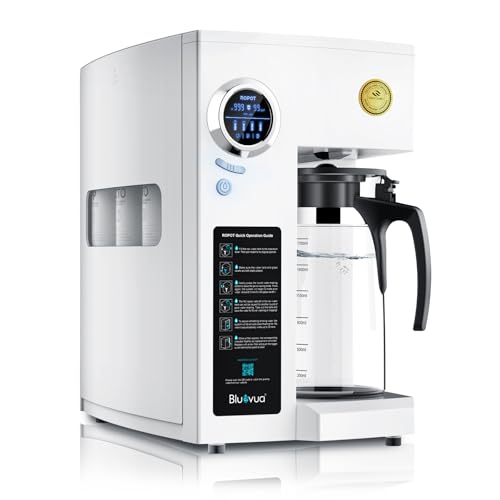
Bluevua RO100ROPOT Countertop Reverse Osmosis Water Filter System, Portable RO Filtration with Remineralization, No Installation, WQA Certified - ROPOT-UV, 6-Stage RO
6-STAGE ADVANCED FILTRATION WITH UV LIGHT: The Bluevua RO100ROPOT-UV boasts a superior 6-stage filtration system, featuring a 0.0001μm...
As an affiliate, we earn on qualifying purchases.
Conclusion
Understanding the shape and size of your ductwork is key to ensuring efficient airflow and comfort in your space. When you pay attention to these basics, you’re taking control of your HVAC system’s performance. Don’t you want your home to stay cozy and energy-efficient? By mastering ductwork fundamentals, you can troubleshoot issues and make smarter upgrades—so why not start paying closer attention to your ducts today?

LEVOIT Air Purifiers for Home Large Room Up to 1875 Ft² with Washable Pre-Filter, AHAM VERIFIDE, Air Quality Monitor, HEPA Sleep Mode for Allergies, Pet Hair in Bedroom, Vital 200S-P, White
𝐖𝐇𝐘 𝐂𝐇𝐎𝐎𝐒𝐄 𝐀𝐇𝐀𝐌 𝐕𝐄𝐑𝐈𝐅𝐈𝐃𝐄 𝐏𝐑𝐎𝐃𝐔𝐂𝐓𝐒: AHAM (Association of Home Appliance Manufacturers) is an ANSI-accredited organization that sets strict...
As an affiliate, we earn on qualifying purchases.

KNKA Air Purifier for Home Bedroom Large Room Up to 1,695 Ft² in 1 Hr, HEPA Air Cleaner with Washable Pre-Filter, AQI Display, ECO Mode, Sleep Mode, Pet Mode for Pets, Dust, Pollen, APH4000
𝐇𝐢𝐠𝐡 𝐂𝐀𝐃𝐑 𝐕𝐚𝐥𝐮𝐞: This air purifier provides reliable performance with a Smoke/Dust/PM2.5 CADR of 226 CFM (384 m³/h)...
As an affiliate, we earn on qualifying purchases.