
🔍 Read the full analysis: The 15 Most Advanced AI Office Chairs You Need In 2026 on ThorstenMeyerAI.com

Prime made for students and young adults
- Fast, free delivery for dorm and study essentials
- Prime Video and Amazon Music included
- Member-only deals
TL;DR
In 2026, the market features 15 highly advanced AI-powered office chairs that integrate smart features for personalized comfort. These chairs aim to improve ergonomics, health, and productivity for remote and office workers alike.
In 2026, a new wave of AI-powered office chairs has emerged, with 15 models now available that incorporate advanced smart features to optimize comfort, posture, and health. These chairs are designed to adapt dynamically to individual users, marking a major technological advancement in ergonomic office furniture. This development matters because it promises to reduce workplace discomfort, improve productivity, and potentially prevent long-term musculoskeletal issues for millions of remote and office workers worldwide. For more insights, see the original analysis of top ergonomic office chairs.
The 15 most advanced AI office chairs introduced this year feature a range of smart capabilities, including real-time posture correction, automatic adjustments based on user activity, and health monitoring. Leading models, such as the FlexiSmart Pro and ErgoSense AI, utilize embedded sensors and machine learning algorithms to personalize support, detect fatigue, and even suggest ergonomic improvements through AI-driven ergonomic solutions. These chairs also boast enhanced adjustability, with some offering motorized lumbar support, adjustable armrests, and seat depth that respond to user needs without manual intervention.
According to industry sources, these chairs are built with high-quality materials, including breathable mesh and memory foam, to ensure comfort during extended use. Many models also integrate voice control and connectivity with smart home or office systems, allowing users to customize settings via voice commands or mobile apps. While prices vary, the most advanced models are targeting enterprise clients and high-end consumers, with some retailing above $2,000. Despite the premium cost, early adopters report significant improvements in comfort and reductions in back pain, especially for users with pre-existing musculoskeletal issues.
The 15 picks
- 1
 LiberNovo Omni SE Dynamic Ergonomic Office Chair, Manual Lumbar, 48cmView on Amazon →
 - 2
 FLEXISPOT ErgoX-Pro Premium Ergonomic Office Chair ObsidianView on Amazon →
 - 3
 ELABEST X100 Ergonomic Mesh Office Chair with Footrest, Big and Tall Home Des…View on Amazon →
 - 4
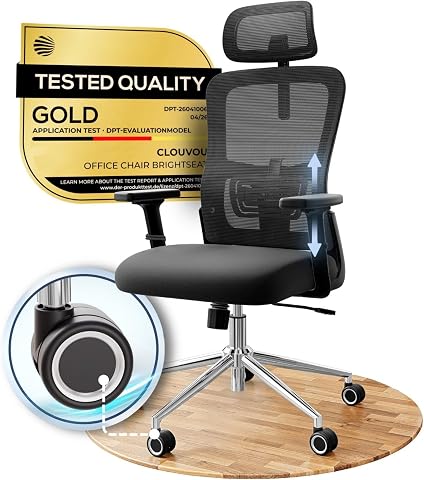 Ergonomic Office Chair with Adjustable Features and Mesh BackView on Amazon →
 - 5
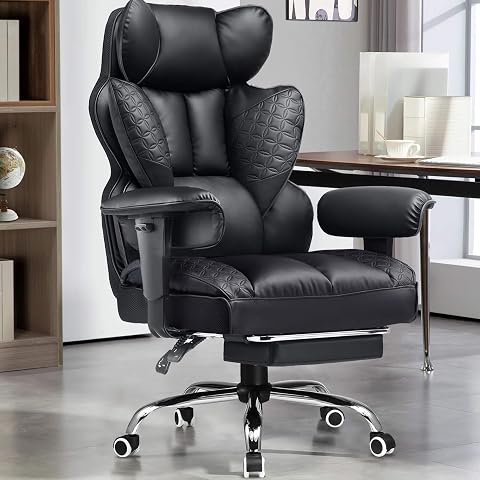 GTPLAYER Big and Tall Gaming Chair 400lbs Heavy Duty Office Chair with Footre…View on Amazon →
 - 6
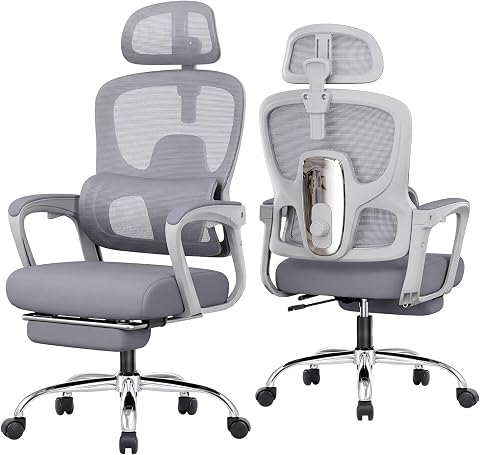 Ergonomic Office Chair with Footrest, 90-145° Reclining Mesh Desk ChairView on Amazon →
 - 7
 Vonesse Office Chair with Adjustable Armrests and Lumbar SupportView on Amazon →
 - 8
 SIHOO M18 Ergonomic Office Chair with Mesh Back and HeadrestView on Amazon →
 - 9
 Ergonomic Mesh Office Chair with 400 lb CapacityView on Amazon →
 - 10
 Office Desk Chair for Long Hours & Lower Back Pain Relief – 4” Thick Molded F…View on Amazon →
 - 11
 Misolant Big and Tall Office Chair with Footrest, High Back Executive Desk Ch…View on Amazon →
 - 12
 TRALT Office Chair Ergonomic Desk Chair – Gaming Chair with Lumbar SupportView on Amazon →
 - 13
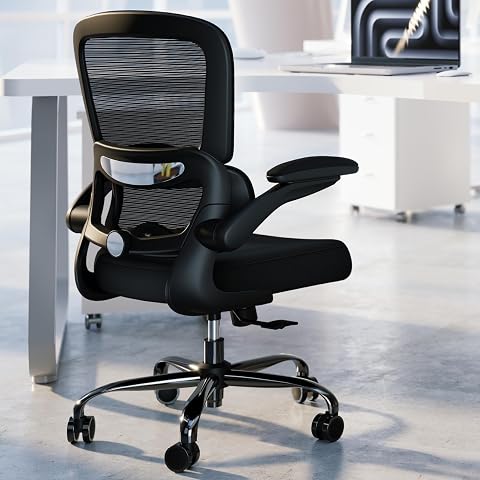 TRALT Office Chair – Ergonomic Mesh Desk Chair with Adjustable Lumbar Support…View on Amazon →
 - 14
 DUMOS Executive Home Office Chair, Ergonomic Mesh Computer Desk Chair with Ad…View on Amazon →
 - 15
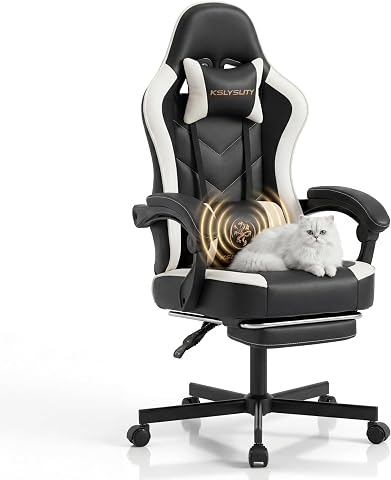 Desk Computer Gaming Chair with Footrest and Lumbar SupportView on Amazon →
Why AI Office Chairs Are Changing Workplace Ergonomics
The integration of AI into office chairs represents a paradigm shift in ergonomic design, offering personalized support that adapts to individual users in real time. This innovation has the potential to significantly reduce work-related musculoskeletal disorders, which are among the leading causes of workplace disability. For employers, adopting these smart chairs could lead to increased employee well-being, reduced healthcare costs, and improved productivity. For consumers, it offers a tailored experience that traditional chairs cannot match, especially for those working long hours or with specific health needs.
Moreover, as remote work continues to expand, these AI chairs provide a way to maintain ergonomic standards outside traditional office environments. The ability to monitor posture and health metrics continuously could also contribute to preventive healthcare, alerting users to early signs of discomfort or strain. Overall, these chairs are poised to redefine comfort and health in workspaces, making them a key component of future workplace infrastructure.
The Evolution of Ergonomic Office Seating and AI Integration
Traditional ergonomic office chairs have focused on manual adjustments and basic support features. Over the past decade, advances in materials and design improved comfort and support, but the integration of AI marks a new frontier. The concept of smart furniture began with simple sensors and connectivity, but 2026 sees a significant leap with AI-driven personalization. Early prototypes and limited commercial models emerged in 2024, primarily aimed at high-end markets. Now, with 15 models available, AI office chairs are becoming mainstream, driven by advancements in sensor technology, machine learning, and user data analytics.
Industry analysts note that the push toward AI-enabled furniture aligns with broader trends in smart workplaces and health tech. Companies like FlexiTech and ErgoInnovate have led the charge, investing heavily in R&D to develop chairs that not only support posture but also actively improve health outcomes. This evolution reflects a growing awareness of the importance of ergonomic health and the potential for AI to deliver truly personalized solutions that previous manual designs could not achieve.
Unanswered Questions About AI Office Chair Adoption
While the technology is promising, it is still early days for widespread adoption. It remains unclear how durable these AI systems will prove over multiple years of daily use, and whether their advanced features justify the higher costs for average consumers. Additionally, data privacy concerns around health monitoring and personal posture data are still being addressed by manufacturers and regulators. The long-term health benefits and potential risks of relying on AI-driven adjustments are also subjects of ongoing research and debate. It is not yet confirmed how universally effective these chairs will be across diverse user populations or whether they will significantly reduce musculoskeletal issues compared to traditional ergonomic chairs.
Next Steps for AI Office Chair Development and Adoption
Manufacturers are expected to continue refining AI algorithms to improve accuracy and durability, with upcoming models promising even more seamless integration with workplace ecosystems. Consumer trials and enterprise pilot programs are likely to expand, providing more data on real-world performance and long-term benefits. Regulatory frameworks around data privacy and health claims are also anticipated to evolve, shaping how these products are marketed and used. Industry analysts predict that the price range will diversify, making AI office chairs accessible to a broader audience within the next 1-2 years. Meanwhile, ongoing research will assess the actual health impacts, guiding future innovations and standards.
Key Questions
How do AI office chairs personalize support for each user?
They use embedded sensors and machine learning algorithms to monitor posture, movement, and fatigue levels, then automatically adjust lumbar support, seat height, and armrests to optimize comfort and health in real time.
Are AI office chairs worth the investment for home use?
For users with long working hours, existing back issues, or health concerns, the personalized support and health monitoring features can provide significant benefits. However, for casual users, traditional ergonomic chairs may suffice at a lower cost.
What privacy concerns are associated with AI office chairs?
These chairs collect data on posture, movement, and sometimes health metrics, raising concerns about data security and privacy. Manufacturers are working on safeguards, but users should review privacy policies before purchasing.
How long do these AI features typically last before needing upgrades or repairs?
As a new technology, long-term durability data is limited. Early models suggest a lifespan comparable to traditional chairs, but ongoing use and technological updates could influence longevity.
Source: ThorstenMeyerAI.com
Halloween Picks
halloween
As an affiliate, we earn on qualifying purchases.