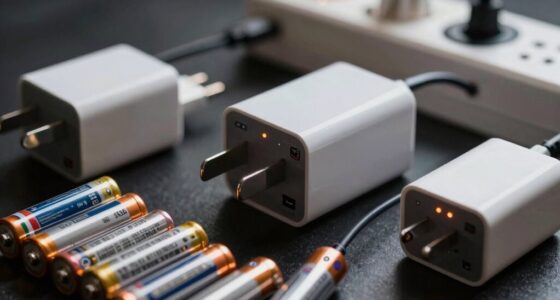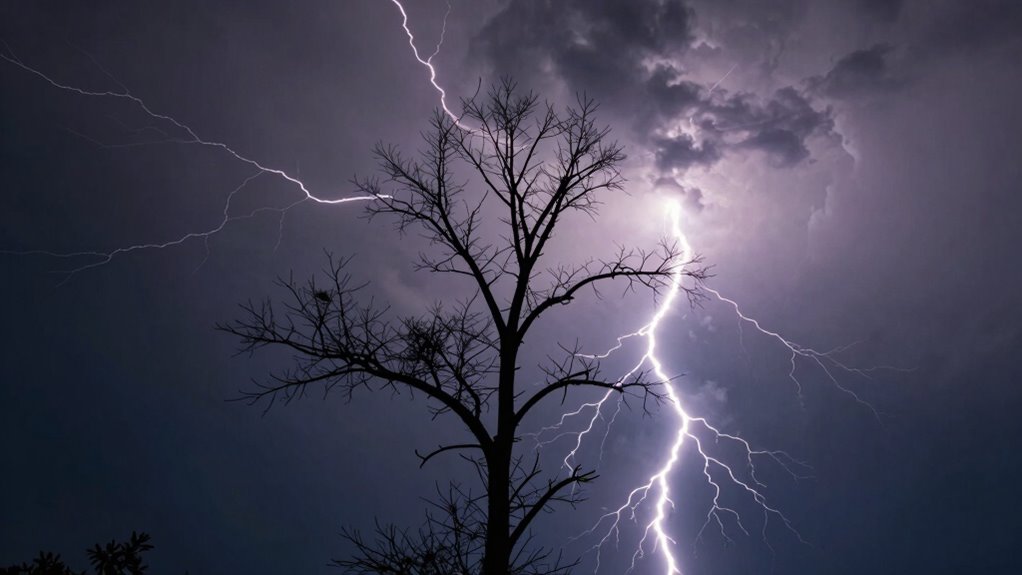

Surge protectors and lightning safeguards can lower the chances of damage, but they can’t completely prevent harm from huge energy spikes caused by lightning or high-powered devices. Lightning generates unpredictable, massive voltage surges that often exceed what these devices can handle. Even with multiple protective layers, some damage may occur, and no system is foolproof. For more insights on what limits your protection, keep exploring how to better secure your equipment against these powerful threats.
Key Takeaways
- Surge protectors cannot prevent damage from the extreme energy levels of lightning strikes.
- Lightning can generate voltage spikes far beyond the capacity of standard surge protection devices.
- Proper grounding reduces surge risk but can’t fully divert lightning’s massive energy.
- Surge protectors degrade over time and may fail during powerful surges or lightning events.
- No protection method guarantees complete safety against all lightning-induced damage.
high surge capacity surge protector
As an affiliate, we earn on qualifying purchases.
As an affiliate, we earn on qualifying purchases.
What Surge Protectors Can’t Prevent
Have you ever wondered what damage surge protectors simply can’t stop? While they guard your home against typical power surges, they fall short when it comes to protecting high-powered devices like electric vehicles or solar panels. These systems draw a lot of energy and can generate their own power spikes, overwhelming standard surge protectors. For example, an electric vehicle charging station might experience sudden voltage fluctuations that bypass regular safeguards, risking damage. Similarly, solar panels can produce voltage surges during sudden cloud cover changes or grid disturbances. Surge protectors are designed for smaller surges, not the massive, unpredictable energy bursts associated with these advanced systems. To truly safeguard your investments, specialized protection measures are necessary beyond basic surge protection for high-energy systems.
lightning protection device for home
As an affiliate, we earn on qualifying purchases.
As an affiliate, we earn on qualifying purchases.
How Lightning Strikes Deliver Unpredictable Power
Lightning strikes deliver unpredictable power because they release massive amounts of energy in an instant, creating sudden voltage spikes that can overwhelm your electrical system. This atmospheric unpredictability makes it impossible to forecast exactly when or where a lightning bolt will strike. Each strike is an electrical anomaly, characterized by a rapid surge of energy that can reach hundreds of millions of volts. This sudden burst bypasses normal electrical protection measures, causing unpredictable and extreme power fluctuations. Because lightning’s behavior depends on complex atmospheric conditions, it’s inherently difficult to predict or control the power it delivers. Additionally, the high energy levels associated with lightning can severely damage electronic devices and infrastructure, highlighting the importance of comprehensive surge protection. As a result, your electrical system faces a unique and formidable challenge in handling these unpredictable, high-energy discharges.
electric vehicle surge protector
As an affiliate, we earn on qualifying purchases.
As an affiliate, we earn on qualifying purchases.
Why Your Devices Aren’T Fully Safe From Surges and Lightning
Even with surge protectors, your devices aren’t completely safe because they have limitations that can let power surges slip through. Lightning strikes can cause intense spikes that often exceed what protective devices can handle, putting your electronics at risk. Factors like device placement and grounding also influence how vulnerable your equipment really is. Additionally, the effectiveness of surge protection depends on the quality of the air quality in your environment, as pollutants and static build-up can sometimes contribute to electrical issues.
Surge Protection Limitations
While surge protection devices can help reduce the risk of damage, they aren’t foolproof. Their effectiveness depends heavily on circuit design and energy dissipation capabilities. Some surge protectors may not handle extremely high energy levels, especially during powerful surges or lightning strikes. If the device’s design isn’t robust enough to divert or absorb excess energy safely, your equipment remains vulnerable. Additionally, over time, surge protectors can wear out or degrade, diminishing their ability to dissipate energy effectively. This gradual decline highlights the importance of European cloud innovation and advanced protective technologies to enhance safety. This means a device might look functional but no longer offer full protection. Relying solely on surge protectors without considering their limitations can give you a false sense of security. Proper installation, maintenance, and understanding these limits are essential to better safeguard your devices.
Lightning Impact Risks
Surge protectors can reduce damage from electrical spikes, but they aren’t always enough to fully shield your devices from lightning strikes. Lightning can cause intense electromagnetic interference that penetrates beyond simple surge protection, damaging sensitive components. Additionally, ground loop issues can create unintended current paths, amplifying the risk of device failure. Lightning strikes often induce voltage surges that overwhelm protectors, making your equipment vulnerable despite safeguards. Moreover, understanding Youngster Choice and its influence on personal branding can help you better comprehend the multifaceted risks associated with lightning and electrical surges.
Device Vulnerability Factors
Your devices often remain vulnerable to surges and lightning strikes because their internal components are highly sensitive and not fully protected by standard safeguards. Device design plays a vital role; many electronics lack robust surge protection built into their circuits. Additionally, electrical wiring in your home can contribute to vulnerability—poor wiring or grounding issues allow surges to reach devices more easily. Even with surge protectors, if the device’s design isn’t intended to handle high voltage spikes, damage can still occur. Lightning strikes produce powerful surges that can overwhelm internal components, especially if they’re not specifically shielded. Proper grounding and wiring quality also significantly influence the level of device protection. Ultimately, understanding how device design and electrical wiring influence vulnerability helps you recognize why some devices remain at risk despite precautions.
solar panel surge protection
As an affiliate, we earn on qualifying purchases.
As an affiliate, we earn on qualifying purchases.
Common Myths About Home Surge and Lightning Protection
Many homeowners believe that installing a surge protector or lightning rod completely eliminates the risk of damage from storms. However, this is a common myth. While these devices substantially reduce the chance of electrical damage, they can’t guarantee complete protection. For example, a powerful lightning strike may bypass surge protection, especially if it strikes nearby or if the surge protector isn’t properly rated. Relying solely on these protections can give a false sense of security. It’s also important to review your home insurance policies, as they often cover storm-related damages that protection devices might not prevent. Additionally, having emergency kits on hand prepares you for outages or unexpected damage, but they don’t prevent the storm itself from causing harm. Proper storm preparedness and understanding your home’s vulnerabilities can significantly improve your safety. Don’t let misconceptions leave you unprepared.
Extra Steps You Can Take to Protect Your Equipment
To better protect your equipment, start by ensuring proper grounding techniques are in place, which helps redirect excess energy safely. Using surge protectors adds an extra layer of defense, preventing power surges from damaging your devices. Don’t forget to perform regular maintenance on your equipment to spot potential issues before they become costly problems. Additionally, consider implementing wave and wind protections to safeguard against environmental factors that can cause electrical disturbances.
Proper Grounding Techniques
Proper grounding is essential for safeguarding your equipment during lightning strikes or power surges. Using effective grounding techniques ensures that excess electricity is safely directed into the ground, preventing damage. Start by connecting all your devices to a properly grounded outlet. Make sure your grounding system has low resistance, which you can verify with a grounding tester. Incorporate electrical bonding by linking metallic components and grounding rods to create a continuous, low-impedance path. This prevents voltage potential differences that could cause surges. Keep grounding wires short and thick to reduce resistance. Regularly inspect your grounding system for corrosion or loose connections. Proper grounding not only protects your equipment but also enhances overall safety by minimizing the risk of electrical shock. Additionally, understanding filtration helps in reducing dust and particles that can interfere with electrical components and grounding systems.
Use of Surge Protectors
Using surge protectors adds an extra layer of defense beyond proper grounding. They work by diverting excess voltage away from your devices, preventing damage during power surges caused by lightning or grid fluctuations. To maximize protection, choose the right surge protector types, such as whole-house models or plug-in units with high joule ratings. Ensure your surge protector is compatible with your grounding systems for ideal performance. Regularly check the status indicator; if it’s triggered, replace the unit. Remember, surge protectors are not foolproof but considerably reduce risk. For critical equipment, consider installing surge protective devices (SPDs) at main panels. Combining these with good grounding practices creates a robust shield against electrical surges and lightning strikes. Load calculations can help determine the appropriate capacity for your home’s electrical system to prevent overloads and surges.
Regular Equipment Maintenance
Regular equipment maintenance is essential for guaranteeing your devices stay protected from power fluctuations and surges. To do this effectively, focus on these key steps:
- Regularly check and perform equipment calibration to ensure devices operate correctly, reducing the risk of damage caused by inaccurate readings or malfunctions.
- Inspect power cords for integrity—look for fraying, cracks, or loose connections—and replace damaged cords immediately to prevent electrical faults.
- Keep your equipment clean and dust-free, as debris can interfere with proper grounding and cooling, making surges more damaging.
Why Staying Prepared Matters for Surge and Lightning Risks
Staying prepared is essential because surges and lightning can strike unexpectedly, causing severe damage and safety hazards. When you prioritize storm preparedness and emergency planning, you reduce the risk of costly repairs and personal injury. Being proactive means having surge protectors in place, creating a communication plan, and knowing when to unplug devices during thunderstorms. Proper preparation also involves understanding the limits of your protection systems and recognizing that no method is foolproof. By staying informed about weather forecasts and maintaining a safety kit, you ensure you’re ready to respond quickly. Remember, lightning and power surges happen suddenly, so your best defense is a well-thought-out plan that minimizes risks and keeps you safe during storms.
Frequently Asked Questions
Can Surge Protectors Handle Multiple Lightning Strikes Simultaneously?
Surge protectors can’t handle multiple lightning strikes simultaneously, especially if the strikes exceed their voltage capacity or last longer than their surge duration. Each strike can deliver a high voltage spike that surpasses the device’s limits, causing damage or failure. You should replace surge protectors after a severe event and consider additional protective measures for ongoing lightning risks, as they’re designed mainly to handle single, typical surges.
Are There Specific Household Appliances More Vulnerable to Lightning Damage?
Sure, your fancy gaming PC and antique refrigerator are practically begging for lightning to strike them down—because some appliances are more vulnerable to lightning damage. High-tech gadgets, air conditioners, and large appliances face greater household risks, thanks to their sensitive circuitry. These vulnerable appliances lack robust surge protection, making them prime targets during thunderstorms. So, if you value your electronics, give these appliances extra protection or consider unplugging them during storms.
How Do Environmental Factors Influence Surge and Lightning Risks?
Environmental factors like climate variations and terrain effects profoundly influence surge and lightning risks. You face higher danger in areas with frequent thunderstorms, humid climates, or mountainous terrain, where lightning strikes are more common. These conditions can increase the likelihood of power surges, putting your appliances at greater risk. To protect yourself, consider installing surge protectors and grounding systems tailored to your environment, reducing damage from unpredictable weather patterns.
What’s the Difference Between Surge Protection and Lightning Rods?
Think of surge protection and lightning rods as a shield and a lightning magnet. Surge protection uses devices like surge suppressors to absorb excess electrical energy, often connected through electrical grounding to prevent damage. Lightning rods, on the other hand, are metal conductors that safely channel lightning strikes into the ground, preventing fires or structural damage. Both serve different roles—surge protectors guard your electronics, while lightning rods safeguard your building.
Can Smart Home Devices Be Fully Shielded From Surges and Lightning?
Smart home devices can’t be fully shielded from surges and lightning. You might try device shielding, like surge protectors, but vulnerabilities still exist due to power fluctuations or indirect strikes. While proper surge protection reduces risks, it’s impossible to eliminate all vulnerabilities. To better safeguard your smart home, use high-quality surge protectors, ensure proper grounding, and consider professional electrical assessments. Complete shielding remains challenging, so stay vigilant and prepared.
Conclusion
Remember, even the sturdiest shield has its cracks—surges and lightning are relentless forces that can find ways around protections. While you can’t control every strike, staying vigilant and taking extra precautions guarantees you’re not caught off guard. Think of your devices as treasures guarded by a fragile fortress—no fortress is invincible. So, remain prepared, because in the dance between nature’s fury and your defenses, it’s wisdom that keeps your valuable safe from harm’s cruel whims.