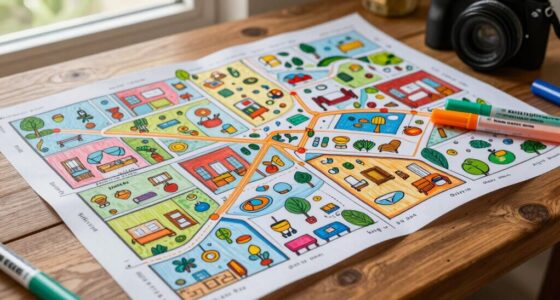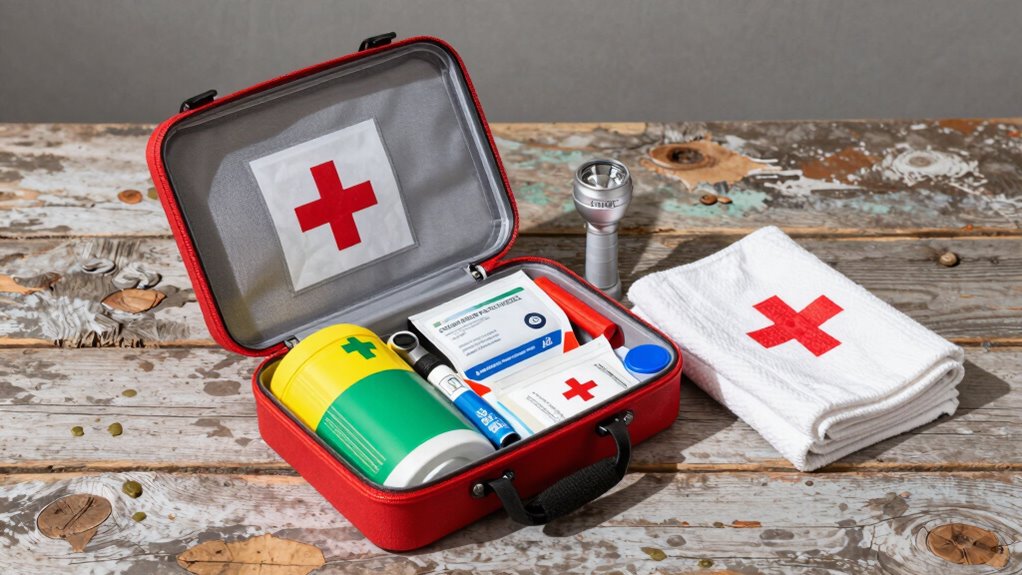
Relying solely on a large stockpile without proper organization and regular maintenance can give you a false sense of confidence in emergencies. Cluttered or poorly labeled kits make it hard to find needed supplies quickly, while outdated or damaged items may be unusable when disaster strikes. Without consistent review and rotation, your supplies may not be dependable. If you want to guarantee your preparedness truly counts, keep your supplies organized, current, and ready to go.

Prime made for students and young adults
- Fast, free delivery for dorm and study essentials
- Prime Video and Amazon Music included
- Member-only deals
Key Takeaways
- Believing large stockpiles alone ensure readiness without proper organization and regular maintenance.
- Overestimating supplies’ effectiveness without checking for expiration or damage creates false confidence.
- Relying solely on stock quantity ignores the importance of accessible, well-organized emergency kits.
- Neglecting supply rotation and review can lead to outdated, unusable items despite ample stock.
- Assuming preparedness from stockpile size without practicing access or updating supplies fosters false security.
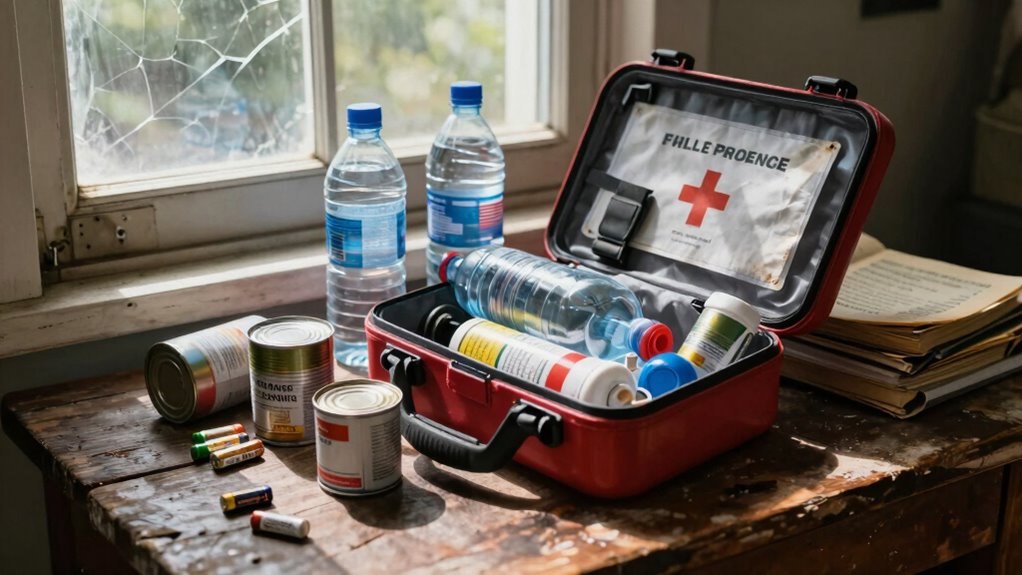
Have you ever overlooked an essential item in your emergency kit? It’s a common mistake that can lead to a false sense of security when disaster strikes. Many people believe they’re fully prepared because they have a stockpile of supplies stored away, but without proper organization, those supplies might not serve you when you need them most. Stockpile organization isn’t just about filling a box with essentials; it’s about arranging your supplies so that you can quickly find what you need and know it’s still usable. If your emergency kit is cluttered or disorganized, you might assume you’re prepared, but in reality, some items could be expired, damaged, or inaccessible.
One of the biggest pitfalls is neglecting supply rotation. You might have stored water, canned food, batteries, and first aid supplies for months or even years, but if you don’t regularly review and replace these items, they lose their effectiveness. Outdated food or corroded batteries won’t help during an emergency, and you might not even realize the supplies have degraded until it’s too late. Regularly rotating your supplies ensures they stay fresh and functional, giving you real confidence in your kit’s readiness. It’s tempting to set everything aside and forget about it, but a simple schedule for checking expiration dates and replacing supplies can make all the difference. Additionally, understanding the importance of supply rotation can help you maintain a truly reliable emergency stockpile. Incorporating storage techniques inspired by sustainable living practices can further improve organization and reduce waste, ensuring your supplies stay in good condition longer. Staying informed about supply maintenance practices can help prolong the usability of your emergency supplies and prevent unnecessary waste.
Regularly rotate and check supplies to ensure they remain effective and ready for any emergency.
This false confidence can lead you to underestimate the importance of upkeep. You might think, “I’ve got everything I need,” but if you haven’t organized your stockpile properly, you could waste precious time searching for items or discovering they’re no longer usable. Proper stockpile organization involves categorizing supplies—separating first aid, food, water, tools—and storing them in a way that allows quick access. Clear labeling and designated containers help you find what you need fast, which is essential in an emergency. Furthermore, integrating battery safety measures should be part of your storage plan to prevent hazards like leaks or fires, especially with stored batteries. Staying informed about hazardous storage practices can help prevent accidents and ensure your supplies remain safe over time. Regular maintenance and checks of your storage environment, such as controlling humidity and temperature, are crucial to prevent spoilage or damage to your supplies.
The danger lies in assuming that just because you have a large stockpile, you’re fully prepared. The reality is that a well-organized and regularly updated supply kit is what keeps you safe and confident. It’s worth investing time to review your supplies periodically, ensure everything is in good condition, and practice how you’ll access your kit during a crisis. Don’t fall into the trap of thinking your stockpile alone is enough; proper organization and supply rotation are necessary to truly avoid the emergency supply mistake that creates false confidence.
emergency supply organization containers
As an affiliate, we earn on qualifying purchases.
As an affiliate, we earn on qualifying purchases.
Frequently Asked Questions
How Can I Tell if My Emergency Supplies Are Still Effective?
To tell if your emergency supplies are still effective, check their shelf life and storage conditions. Expired items, like canned foods or batteries, may not work properly. Confirm items are stored in a cool, dry place away from sunlight, as poor storage can degrade their quality. Regularly inspect packaging for damage or leaks, and replace supplies before their expiration date to stay prepared for emergencies.
What Common Mistakes Do People Make When Stocking Supplies?
You often make the mistake of poor storage organization, making it hard to find supplies quickly. Additionally, you forget to check supply expiration dates regularly, risking unusable items during emergencies. Storing everything haphazardly or neglecting to rotate supplies can lead to outdated, ineffective gear. To avoid this, keep supplies organized in clear, labeled containers and review expiration dates every few months, replacing expired items promptly.
How Often Should I Review or Update My Emergency Kit?
Think of your emergency kit as a garden—it needs regular tending. You should review and update it at least every six months, checking storage organization and supply expiration dates. I once ignored this, and during a blackout, expired food and disorganized supplies caused unnecessary stress. Regular checks guarantee your kit remains reliable, ready to support you when you need it most, and prevent false confidence from outdated or misplaced items.
Are There Specific Supplies That Are Often Overlooked?
You often overlook perishable snacks and forgotten medications when preparing your emergency kit. While snacks are tempting to skip, they provide essential energy during crises. Forgotten medications can be critical, especially if you rely on prescriptions. Regularly review your supplies, ensuring perishables are fresh and medications are up-to-date. Don’t assume everything is perfect—double-check these commonly missed items to avoid false confidence in your preparedness.
What Are the Signs of False Confidence in Emergency Preparedness?
You might be sailing smoothly, but beware of preparedness illusions that hide overconfidence hazards. Signs include dismissing minor risks, ignoring missing supplies, or feeling invincible after a quick prep. When you rely solely on stockpiles without practice, or avoid updating your plan, you’re risking a false sense of security. Recognizing these signs helps you stay grounded, ensuring your readiness is real, not just a shiny illusion.
first aid kit with clear labeling
As an affiliate, we earn on qualifying purchases.
As an affiliate, we earn on qualifying purchases.
Conclusion
Remember, building an emergency supply is like planting a garden—you need the right seeds, patience, and careful tending. Avoid the mistake of false confidence by regularly checking your supplies and updating them as needed. Don’t let complacency be the weeds that choke your preparedness. Instead, nurture your readiness with awareness and care, so when disaster strikes, your supplies are a sturdy oak, not a fragile sapling, ready to stand strong and support you through the storm.
food and water supply rotation kit
As an affiliate, we earn on qualifying purchases.
As an affiliate, we earn on qualifying purchases.
As an affiliate, we earn on qualifying purchases.
Fall Picks
fall essentials
As an affiliate, we earn on qualifying purchases.