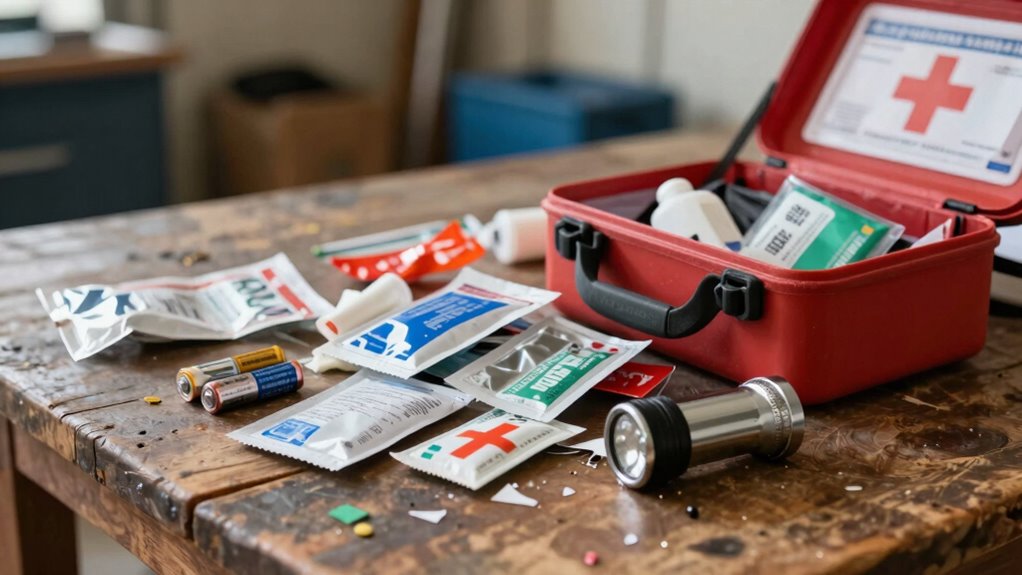

The biggest mistake that wastes money on your emergency kit is overpacking with unnecessary, non-essential items or choosing low-quality supplies that won’t last when you need them most. Instead, focus on practical, regional-specific gear, regularly update and maintain your supplies, and avoid falling for trending gadgets. Customizing your kit for your environment and practicing with your gear can save money and boost preparedness. Keep going to uncover more tips to optimize your emergency planning.
Key Takeaways
- Overpacking with non-essential or luxury items increases cost, weight, and reduces focus on critical survival gear.
- Buying low-quality or unverified supplies risks failure during emergencies, wasting money and compromising safety.
- Neglecting regular maintenance, updates, and training causes supplies to become ineffective or outdated.
- Failing to tailor your kit to regional climate and local hazards leads to unnecessary expenses and inadequate preparedness.
- Poor organization and lack of strategic purchasing result in wasted resources and difficulty accessing vital items quickly.
Overpacking With Unnecessary Items
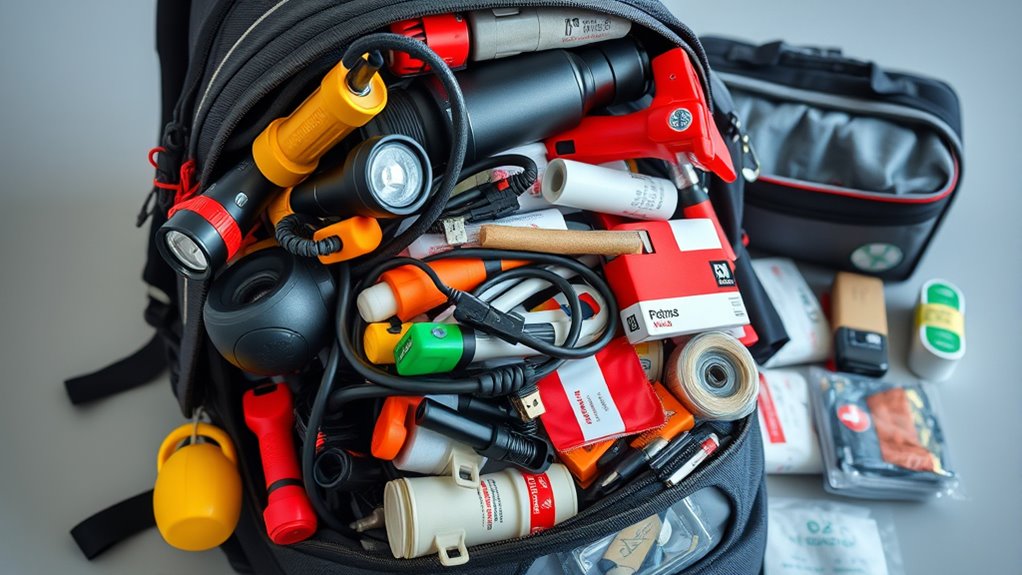
One common mistake when preparing an emergency kit is overpacking with unnecessary items. People often include luxury items that aren’t essential, thinking they might need comfort or convenience. But these luxury items, like fancy snacks or excessive gadgets, add unnecessary weight and take up valuable space. Remember, an emergency kit should focus on practicality and survivability, not indulgence. Avoid packing multiple devices or gadgets that serve the same purpose, as they just increase clutter. Instead, prioritize simple, reliable tools that cover your basic needs. Overpacking not only makes your kit heavier but can also cause stress when you can’t find what’s truly important. Keep your kit lean, efficient, and focused on essentials, so you’re prepared without the burden of unnecessary extras. Incorporating connected equipment like compact, multi-use devices can help maximize functionality without increasing bulk. Using scalable or modular tools can also help adapt your kit to different situations while maintaining a streamlined setup. Additionally, focusing on durable and lightweight materials ensures your kit remains manageable and reliable in emergencies.
Focusing on Non-Essential Gear
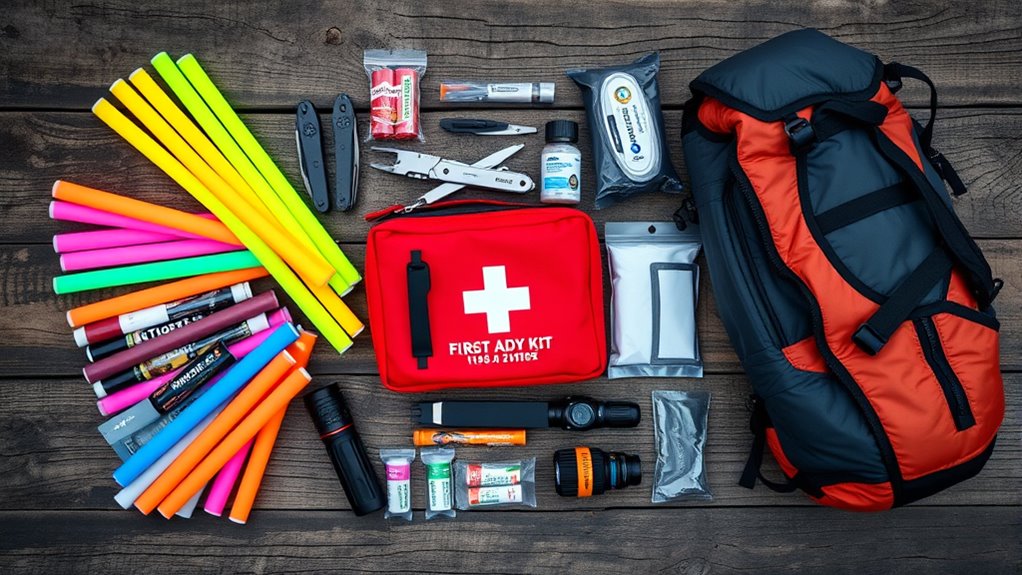
After reducing your kit to only the necessary items, it’s easy to fall into the trap of including gear that isn’t truly needed. Many people add luxury gadgets or decorative accessories that seem impressive but serve no practical purpose during an emergency. These non-essential items can quickly clutter your kit, making it heavier and harder to access the real essentials when needed. These items can also distract you from focusing on priority safety items that are critical during an emergency. Focus on practical tools like a flashlight, first-aid supplies, and multi-purpose tools instead. Remember, emergency kits should prioritize function over form. Including luxury gadgets or decorative accessories wastes space and money, diverting resources from critical items. Keep your kit simple, efficient, and tailored to your actual needs. For example, proper kit sizing ensures you can carry all essential items comfortably without excess weight. Proper organization and emergency preparedness principles help you stay calm and effective when it matters most. Incorporating smart home technology like automated alerts and local automation can enhance your preparedness without adding unnecessary clutter. This way, you’ll be better prepared without unnecessary clutter or expense.
Ignoring the Specific Needs of Your Area

You need to ensure your area’s climate and common emergencies when preparing your kit. Ignoring regional risks can leave you unprepared for heatwaves, floods, or winter storms. Tailoring your supplies ensures you’re ready for what’s most likely to happen nearby. Incorporating regional climate considerations into your planning helps you select appropriate gear and supplies. Recognizing local environmental patterns can further refine your preparedness strategy, ensuring you have the right resources for your specific area. Being aware of seasonal weather variations can help you adjust your kit throughout the year for optimal readiness. Additionally, understanding regional disaster frequency can help prioritize the most critical supplies needed for your area. Moreover, understanding climate-related vulnerabilities can help you anticipate and prepare for unexpected events specific to your region.
Regional Climate Considerations
Ignoring your area’s specific climate conditions can severely compromise the effectiveness of your emergency kit. If you live in a flood-prone region, guarantee your kit includes waterproof supplies, a portable sump pump, and extra clothing to stay dry. For wildfire response, pack masks, goggles, and fire-resistant clothing to protect yourself from smoke and flames. Understanding your climate helps you prepare for extreme weather events and avoid wasting money on unnecessary items. For example, in humid areas, include moisture absorbers and dehumidifiers, while in cold regions, prioritize thermal blankets and heating supplies. Recognizing regional climate variations is essential for tailored emergency preparedness, ensuring you are ready for the actual risks you face. Tailoring your kit to regional climate conditions ensures you’re equipped for the actual risks you face, making your emergency preparedness more effective and cost-efficient. Incorporating climate-specific devices can further enhance your readiness and safety during emergencies, especially when considering the seasonal variations that impact regional risks. Additionally, understanding climate-related hazards helps in choosing the right materials and tools to withstand specific environmental challenges.
Local Emergency Risks
Failing to take into account the specific emergency risks your area faces can leave you unprepared when disasters strike. Urban preparedness varies greatly depending on local hazards such as earthquakes, floods, or tornadoes. Ignoring these risks can lead to an emergency kit that doesn’t meet your needs. For instance, if your city is prone to power outages, include backup power sources; if international threats like pandemics are a concern, stock up on medical supplies and hygiene items. Understanding your area’s unique dangers helps you prioritize your supplies and avoid wasting money on unnecessary items. Tailoring your kit to local risks guarantees you’re truly prepared, rather than relying on generic solutions that might fall short during a crisis. Additionally, deep-sky imaging techniques can help you document and monitor local environmental changes that may indicate emerging hazards, which is essential for disaster prediction and preparedness planning. Recognizing local environmental patterns can further enhance your awareness of potential threats specific to your region. Incorporating knowledge of climate variability can also aid in anticipating and preparing for unexpected weather events.
Purchasing Low-Quality or Unreliable Supplies
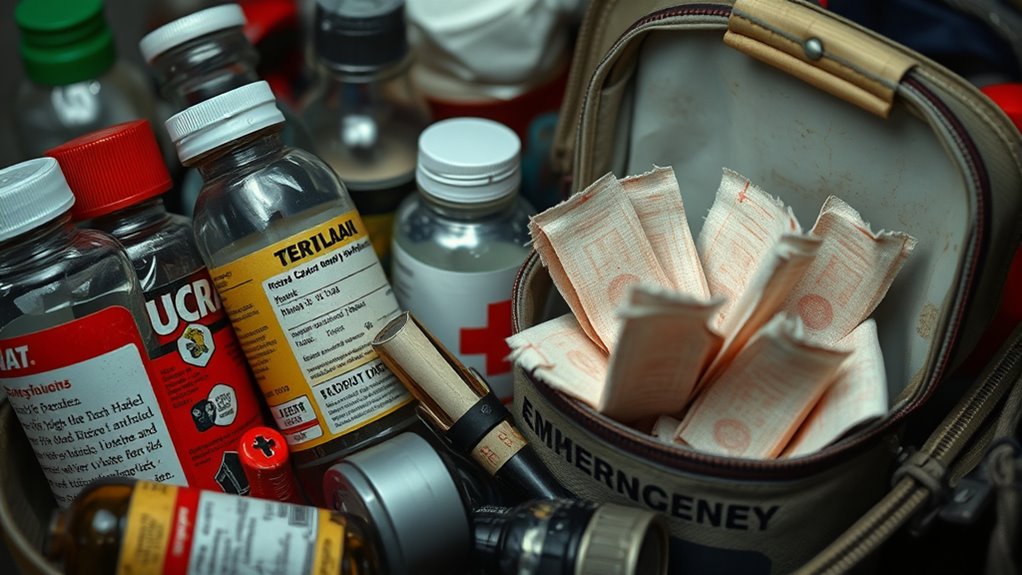
Purchasing low-quality or unreliable supplies can substantially compromise your emergency kit’s effectiveness when it’s needed most. Poor-quality items may fail during critical moments, putting you at risk. To guarantee reliability, focus on quality assurance and brand reputation. Using air purifier technology as a benchmark, ensure that your supplies meet established standards for safety and performance. Look for reputable brands known for durable, tested products. Avoid generic or unverified options that might seem cheaper upfront but could break or malfunction. Safety certifications help verify that items conform to recognized safety standards. Prioritize items with clear specifications and certifications. – Choose supplies with proven durability and safety standards – Trust brands with positive reviews and recognized reputation – Avoid impulse buys from unknown sources or unverified sellers Investing in high-quality supplies saves money long-term, providing peace of mind when emergencies strike. Remember, a well-stocked kit relies on trustworthy, reliable products that you can depend on.
Neglecting Regular Maintenance and Updates
Neglecting regular maintenance and updates can severely diminish your emergency kit’s readiness over time. Maintenance neglect leads to expired supplies, damaged equipment, and overlooked safety hazards. Without routine checks, you might discover your flashlight no longer works or that food rations have expired when it’s too late. Update complacency causes you to miss new safety recommendations or better tools that could improve your preparedness. Regularly reviewing and revitalizing your kit ensures everything remains functional and relevant to current standards. Failing to do so not only wastes money on unused or outdated items but also risks your safety during an emergency. Staying proactive with maintenance and updates keeps your kit effective, reliable, and ready whenever disaster strikes. Don’t let complacency compromise your preparedness.
Buying Complete Kits Instead of Customizing
Buying a complete kit might seem convenient, but it often leads to costly overlaps and wasted supplies you don’t need. You may also find that essential items for your specific situation are missing or inadequate. Personalizing your kit guarantees you get exactly what’s necessary without unnecessary extras.
Costly Overlaps and Waste
While complete emergency kits might seem convenient, they often lead to unnecessary expenses and waste. You may end up with duplicate gear and redundant supplies that you never use. This not only inflates your costs but also clutters your kit, making it harder to find what you need. To avoid this, customize your kit to fit your specific needs. Focus on essential items rather than overstocking with extras. For example:
- Overlapping first aid supplies
- Multiple flashlights or batteries
- Extra food that exceeds your real requirements
Inadequate Emergency Needs
Many people purchase pre-made emergency kits thinking they provide extensive coverage, but these often fall short of meeting your specific needs. These ready-made kits usually have generic supplies that may not suit your environment or personal situation. Inadequate emergency needs arise when the kit lacks essential items like proper storage solutions for organizing gear or reliable communication devices to stay connected. Relying solely on a complete kit can leave gaps, forcing you to add or replace items later, which wastes money. Instead, focus on customizing your kit to include only what you’ll genuinely use. Proper storage solutions help keep your supplies accessible and organized, while communication devices ensure you can call for help when needed. Personalizing your kit saves money and improves your preparedness.
Lack of Personalization
Have you ever purchased a pre-made emergency kit, thinking it would cover all your needs? Chances are, it falls short because it lacks personalization. These complete kits often contain generic items that may not suit your specific situation or preferences. By skipping personalized essentials, you miss out on customized solutions that truly fit your lifestyle. Instead of relying on one-size-fits-all options, consider tailoring your kit to include items you’ll actually use, like specialty medications or regional supplies. This approach ensures you’re prepared without wasting money on unnecessary gear. Focus on what matters most to you, and build a kit that reflects your unique needs. Personalization makes your emergency preparedness more effective and less wasteful.
Falling for Marketing Hype and Trends

It’s easy to get caught up in the latest marketing buzz, especially when new emergency kits or supplies are constantly being promoted as essential. Advertisers use marketing hype to make products seem like must-haves, fueling trend chasing. You might feel pressured to buy the newest, most advanced gear, thinking it’s the best way to stay prepared. But often, these trends are fleeting, and the latest gadget or kit isn’t always necessary. Instead of falling for hype, focus on what truly meets your needs. Avoid wasting money on products pushed by marketing that may not add real value. Remember, an effective emergency kit is simple, tailored to your situation, and built over time—don’t let trend chasing lead you astray.
Underestimating the Importance of Training and Practice

Even the best emergency supplies won’t do you much good if you haven’t practiced using them. Proper training guarantees you know how to administer first aid efficiently and operate communication devices during a crisis. Without practice, you might hesitate or use supplies incorrectly when it matters most. To avoid this, you should:
- Regularly rehearse first aid techniques so they become second nature
- Test your communication devices to guarantee they work when needed
- Simulate emergency scenarios to build confidence and reduce panic
Investing time in training makes your emergency kit far more effective. It’s not just about having supplies; it’s about knowing how to use them quickly and correctly. Practice saves lives, so don’t overlook this essential step.
Frequently Asked Questions
How Can I Identify Truly Necessary Items for My Emergency Kit?
To identify truly necessary items for your emergency kit, focus on safety gear like first aid supplies, flashlights, and batteries. Consider your specific needs, such as food storage options that last long and meet dietary needs. Think about possible emergencies in your area and pack accordingly. Regularly review and update your kit, removing unnecessary items and adding essentials, so you’re always prepared without wasting money on things you won’t use.
What Are Signs of Low-Quality Emergency Supplies?
Imagine a fragile glass that shatters at the slightest touch—that’s how low-quality emergency supplies feel. Signs include leaks in water purification bottles, expired first aid items, and flimsy tools that bend or break easily. You want reliable gear that withstands pressure, so check for sturdy construction, proper certifications, and fresh expiration dates. Cheap, poorly-made supplies won’t serve you when you need them most—they’re more of a risk than a rescue.
How Often Should I Update or Replace Kit Contents?
You should update or replace your emergency kit contents at least once a year, following proper storage guidelines to make sure everything stays fresh and functional. Regularly check expiration dates and replace items as needed. To save money, use budget strategies like buying in bulk or during sales. Keep your kit in a cool, dry place and review it annually to stay prepared without wasting money on unnecessary or expired supplies.
How Do I Customize a Kit for My Local Risks?
You’re on the right track to customize your kit by evaluating your local risks. Start by researching community resources and hazards specific to your area—floods, earthquakes, or wildfires, for example. Include personal safety items tailored to your needs. Remember, it’s better to be safe than sorry, so regularly update your kit and add items that address your unique environment, ensuring you’re prepared when it counts most.
What Training Is Most Effective for Emergency Preparedness?
You should prioritize hands-on emergency drills and first aid training, as they’re most effective for preparedness. Regularly practicing emergency scenarios helps you respond quickly and confidently during actual events. First aid courses teach essential skills that can save lives, while drills reinforce procedures and teamwork. Combining these methods ensures you’re well-prepared, reducing mistakes and increasing safety for yourself and others during emergencies.
Conclusion
Don’t drown in dollars by disregarding details. Ditch the dull, unnecessary duplicates and focus on fitting, functional supplies suited to your space. Do diligent diligence—regularly update and maintain your kit. Ditch the distractions of trendy, tempting gear and prioritize practical preparedness. Remember, readiness requires real training, not just trendy tools. By avoiding these mistakes, you’ll save money, stay secure, and confidently face any emergency with a well-wielded, wisely-worn kit.