
When choosing a pressure washer, focus more on water flow, measured in GPM, rather than just PSI. Water flow determines how quickly and effectively you can clean surfaces, especially for stubborn dirt and grime. High GPM combined with proper nozzles delivers better results and saves time. Overemphasizing PSI risks damaging surfaces or equipment. To learn how balancing these factors improves your cleaning power, keep exploring the key points that make your pressure washer perform its best.

Prime made for students and young adults
- Fast, free delivery for dorm and study essentials
- Prime Video and Amazon Music included
- Member-only deals
Key Takeaways
- Water flow (GPM) directly impacts cleaning efficiency more than PSI alone.
- A balanced combination of PSI and GPM provides optimal pressure washer performance.
- High GPM ensures faster dirt removal, even at lower PSI levels.
- Nozzle type and water flow together influence cleaning effectiveness and surface safety.
- Focusing solely on PSI can risk surface damage; overall performance depends on multiple factors.
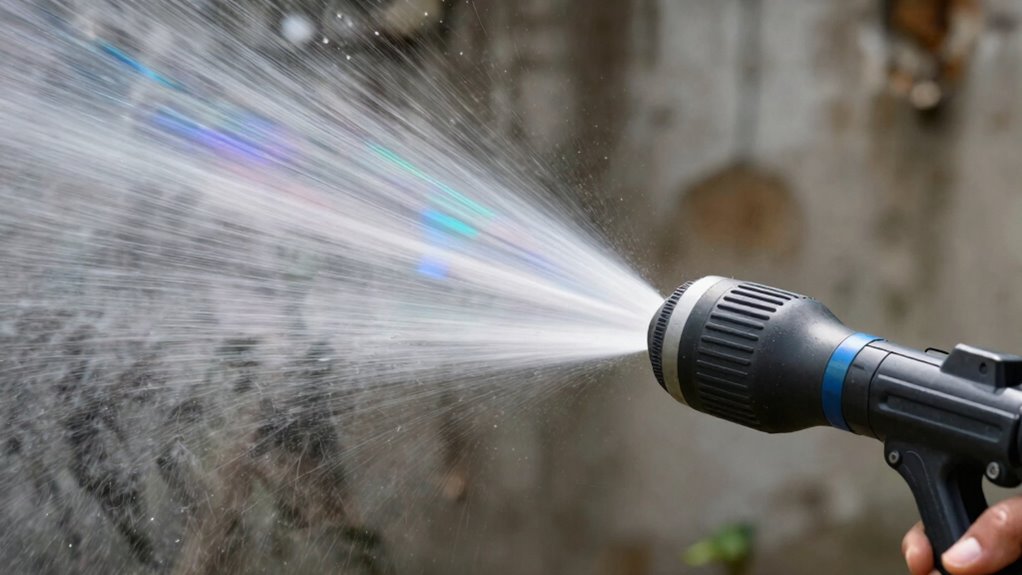
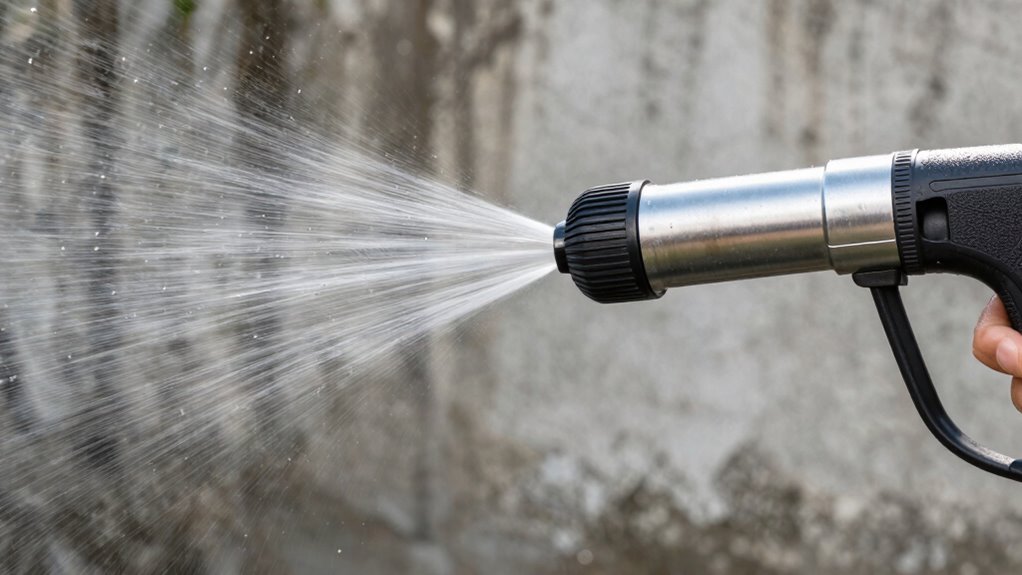
When choosing a pressure washer, many people focus solely on PSI, but that number isn’t always the most important factor. While PSI measures the force of the water spray, it doesn’t tell the whole story about how effective your cleaning will be. Instead, you should pay attention to water flow, which is measured in gallons per minute (GPM). Water flow determines how much water is delivered to the surface over time, and together with PSI, it influences the overall cleaning power. A higher water flow can mean faster, more efficient cleaning because more water hits the surface, loosening dirt and grime more effectively. Additionally, understanding the water flow rate helps you compare different models more accurately for your specific needs. Properly balancing water flow and pressure can prevent damage and improve cleaning results significantly. Another key factor to deliberate on is the nozzle type. Different nozzles produce various spray patterns and intensities, which can dramatically affect your cleaning results. For example, a narrow, pinpoint nozzle delivers a concentrated blast perfect for removing stubborn stains or cleaning tight spots. Conversely, wider spray nozzles are gentler and better suited for delicate surfaces or large-area cleaning. Choosing the right nozzle allows you to customize the pressure and water flow to the task at hand, preventing damage and optimizing cleaning efficiency.
Water flow (GPM) alongside PSI determines cleaning power and efficiency.
Many users overlook the importance of nozzle types, but they’re critical in controlling both the pressure and water flow. Some nozzles are adjustable, giving you greater flexibility, while fixed nozzles are designed for specific uses. When you select your pressure washer, think about the tasks you’ll perform most frequently. For heavy-duty jobs like cleaning concrete or stripping paint, a nozzle with a more concentrated spray combined with high water flow will be most effective. For lighter cleaning, such as washing cars or siding, a wider spray pattern with lower pressure can prevent damage while still doing a good job. Proper nozzle selection can also extend equipment lifespan by reducing unnecessary strain. It’s tempting to chase after high PSI ratings, but without taking into account water flow and nozzle options, you won’t get the full picture of what the machine can do. A pressure washer with a solid balance of water flow and the right nozzle types can outperform a higher-PSI unit that lacks these features. You’ll find that understanding how water flow and nozzle choices interact makes a significant difference in your cleaning results. Ultimately, focusing on these factors helps you select a pressure washer that’s better suited to your needs, more efficient, and less likely to cause damage. It’s the combination of water flow, nozzle versatility, and how you use them that truly determines the power of your pressure washer. Furthermore, proper nozzle selection can extend the lifespan of your equipment by preventing unnecessary wear and tear, ensuring consistent performance over time. Choosing nozzles that match your cleaning tasks can also improve overall efficiency, saving you time and effort during each use.
Popular right now

Dyson Cyclone V10 Origin Cordless Vacuum

Vitamix Touch & Go Advance 32-Ounce Bar Blender, White

Bose QuietComfort Headphones – Wireless Bluetooth Over-Ear Noise Cancelling Headphones, Petal Pink Limited Edition
As an affiliate, we earn on qualifying purchases.
Frequently Asked Questions
How Does Nozzle Size Affect Pressure Washer Performance?
Nozzle size directly impacts your pressure washer’s performance by affecting the nozzle diameter and spray pattern. A smaller nozzle diameter produces higher pressure and a concentrated spray, ideal for tough stains. Conversely, a larger nozzle creates a wider spray with less pressure, suitable for gentle cleaning. Choosing the right nozzle size guarantees you get the best spray pattern for your task, balancing pressure and coverage for effective cleaning.
What Safety Precautions Should I Take With High-Pressure Washers?
Did you know that over 80% of pressure washer injuries involve a lack of proper safety precautions? To stay safe, always wear personal protective gear like goggles, gloves, and sturdy footwear. Follow safe operating procedures by checking your equipment before use and keeping others at a safe distance. Never point the spray at yourself or others, and avoid working on unstable surfaces. Prioritizing safety reduces injuries and keeps your project on track.
Can a Lower PSI Pressure Washer Still Clean Effectively?
Yes, a lower PSI pressure washer can still clean effectively if you adapt your cleaning techniques. You should focus on using the right water temperature and proper nozzle angles to improve cleaning power. For tougher stains, try pre-treating surfaces or using hot water, which can break down grime more efficiently. This approach allows you to achieve good results without high PSI, making your cleaning safer and more manageable.
How Often Should I Maintain My Pressure Washer?
You should maintain your pressure washer after every use, especially if you use it frequently. For example, a homeowner who cleans their deck weekly notices less corrosion and longer equipment life. Follow a regular maintenance schedule that includes checking hoses and nozzles, and always practice proper storage by keeping it in a dry, cool place. This routine keeps your pressure washer running smoothly and extends its lifespan.
What’s the Best Way to Store a Pressure Washer Long-Term?
To store your pressure washer long-term, follow these storage tips for effective long-term maintenance. Drain all water from the pump, hoses, and nozzle to prevent freezing and damage. Clean the exterior and remove any debris, then store it in a dry, sheltered location away from extreme temperatures. Cover it with a protective tarp or cover to keep dust and dirt out. Proper storage guarantees your pressure washer stays in great condition for future use.
Conclusion
So, next time you’re choosing a pressure washer, remember that PSI isn’t the only number that counts. Sometimes, the real story lies in the GPM or the overall design—coincidences that can make all the difference. It’s funny how these details align, isn’t it? By paying attention to the full picture, you’ll find the perfect match for your cleaning needs, just when you least expect it. Sometimes, the right choice comes from the most unexpected connections.