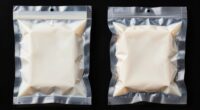
Air leaks during vacuum sealing let moisture and oxygen reach your food, leading to freezer burn and spoilage. Even small punctures or improper seals can cause air to seep in over time, accelerating dehydration and oxidation. This results in dry, discolored patches and loss of flavor. Proper sealing techniques and quality bags help prevent leaks, keeping food fresh longer. Keep exploring to discover the best methods to maintain airtight seals and preserve your food effectively.
Key Takeaways
- Air leaks allow moisture and oxygen to enter the bag, accelerating freezer burn and food spoilage.
- Small punctures or improper sealing create pathways for air to infiltrate, damaging stored food.
- Freezer burn occurs when air causes dehydration and oxidation, leading to dry, discolored patches.
- Ensuring airtight seals prevents moisture loss and inhibits oxidation, maintaining food quality.
- Proper sealing techniques and defect-free bags are essential to avoid air leaks and extend food freshness.

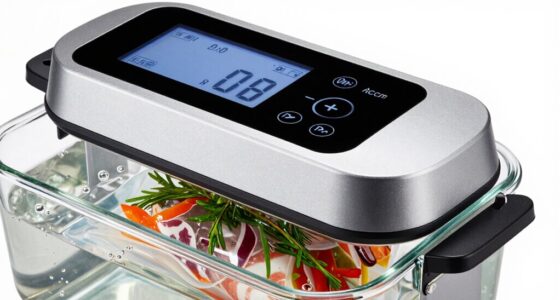
Have you ever wondered how to keep food fresh longer or save space when storing items? Vacuum sealing is a game-changer, especially when it comes to preserving your favorite foods and reducing waste. One of the key reasons vacuum sealing works so well is that it removes air, which is responsible for spoilage and freezer burn. But to truly maximize its benefits, understanding how air leaks can undermine your efforts is essential. When air seeps into your sealed packages, it introduces moisture and oxygen, which accelerate freezer burn and degrade the quality of your food. That’s why proper sealing techniques are crucial. Ensuring the bag is correctly placed and the seal is tight prevents air from sneaking in and keeps your food fresher for longer. Additionally, using navigation and mapping techniques in your vacuum sealer can help you identify potential leak points and improve sealing accuracy. Marinating techniques and sous vide cooking are two methods that benefit greatly from vacuum sealing. Marinating techniques become more effective when you vacuum seal your food first because the absence of air allows the marinade to penetrate deeper and faster. This results in more flavorful, evenly seasoned meat or vegetables. Similarly, sous vide cooking relies heavily on vacuum-sealed bags. When food is vacuum-sealed before immersing it in water at precise temperatures, the heat evenly distributes, and the food cooks perfectly without the risk of air pockets that could cause uneven cooking or spoilage. Proper sealing also prevents water from entering the bag, ensuring the integrity of the process.
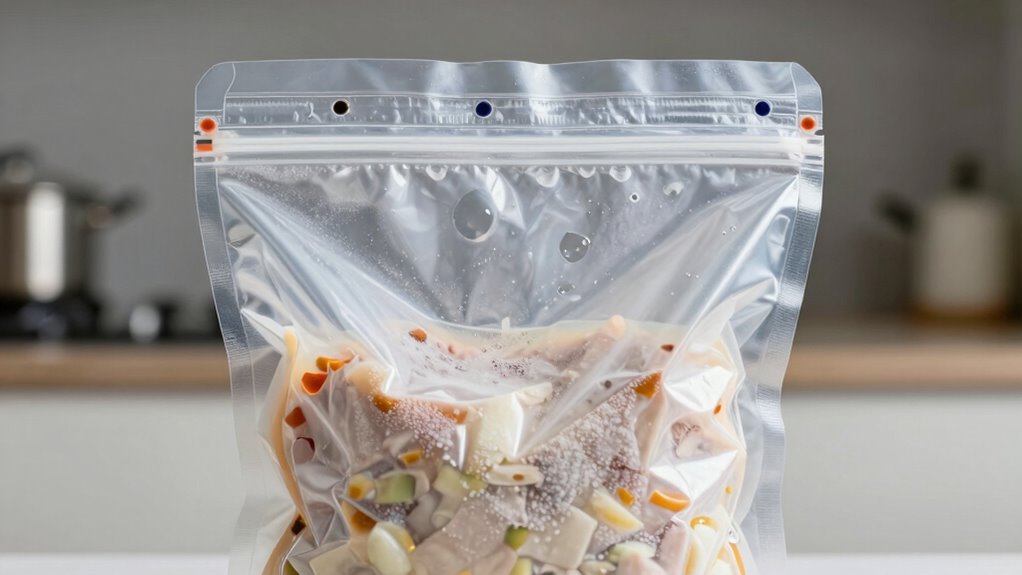
However, if your seal isn’t airtight, air leaks can develop, which defeats the purpose. Small punctures, improper placement of the bag, or a malfunctioning sealer can cause leaks. Over time, even tiny leaks allow air to infiltrate, leading to moisture loss and oxidation. This is what causes freezer burn—dry, discolored patches that ruin the texture and flavor of your food. To avoid this, always double-check your seals after sealing, and use high-quality bags designed for vacuum sealing. Some sealers come with a pulse or manual mode, allowing you to control the sealing process more precisely, helping you create an airtight barrier.

MEGAWISE Vacuum Sealer Bags (8''x 12''-110pcs) for Food Freshness Preservation, BPA Free Vacuum Storage Bags for Food or Sous Vide, Seal a Meal,Double-Sided Texture, Double Lock Freshness (110 count)
Mega Value Vacuum Bags: Maximize your storage efficiency with these 8" x 12" pre-cut bags are designed with…
As an affiliate, we earn on qualifying purchases.
As an affiliate, we earn on qualifying purchases.
Frequently Asked Questions
How Can I Tell if My Vacuum Sealer Is Working Properly?
You can tell if your vacuum sealer is working properly by checking the seal integrity after sealing. If the bag remains tightly closed without air bubbles or leaks, it’s functioning well. Regular machine maintenance, like cleaning the seals and gaskets, helps prevent air leaks. Also, perform a test run with a small bag to ensure the sealer maintains a strong, consistent vacuum, confirming your machine’s ideal performance.
What Types of Foods Are Best Suited for Vacuum Sealing?
Sure, some foods are just begging for vacuum sealing, like meats, cheeses, and berries, because they stay fresh longer. You’ll want to use quality packaging materials to prevent air leaks and preserve flavor. Ironically, delicate items like soft bread or leafy greens aren’t ideal—they crush or spoil faster. For maximum food storage, choose sturdy, moisture-resistant packaging materials and seal tightly to keep everything fresh and freezer burn-free.
Can Vacuum Sealing Extend the Shelf Life of Fresh Produce?
Yes, vacuum sealing can substantially extend the shelf life of fresh produce by preserving freshness and preventing spoilage. When you vacuum seal your fruits and vegetables, you remove air that accelerates decay, keeping produce fresher longer. This method slows down oxidation and microbial growth, so you enjoy your produce at its best for weeks instead of days. It’s an effective way to reduce waste and enjoy healthier, longer-lasting produce.
How Do I Prevent Punctures During Sealing?
To prevent punctures during sealing, focus on proper sealing techniques and puncture prevention. Handle your bag carefully, avoiding sharp objects or edges that could cause tears. Use a flat surface for sealing, and make certain the bag is smooth without wrinkles or folds. Double-check the bag for any punctures before sealing, and choose high-quality bags designed to resist punctures. These tips help keep your food safe and your vacuum seal intact.
Are There Safety Concerns With Vacuum Sealing Liquids?
Yes, there are safety concerns with vacuum sealing liquids. You should be cautious about liquid spillage, as it can cause safety hazards like damaging your machine or creating a mess. To prevent this, freeze liquids before sealing or use specialized bags designed for liquids. Always clean up any spills immediately, and never force liquids into the vacuum sealer, to keep your process safe and avoid potential hazards.
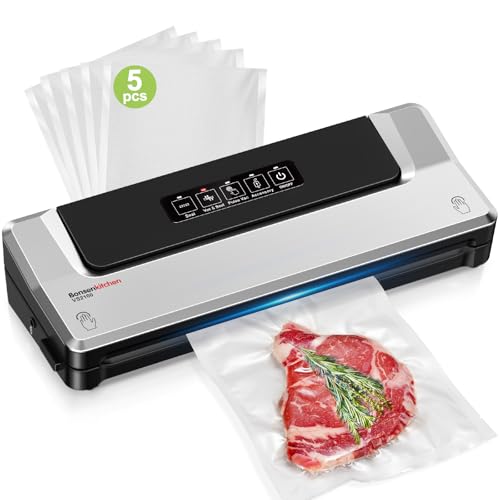
Bonsenkitchen Vacuum Sealer Machine | Compact Food Sealer for Kitchen Storage & Meal Prep | Multiple Modes | External Vacuum System | 5 Bags, Silver
4 Modes : 'Vac & Seal' – one-touch automatic vacuum and seal, perfect for food that does not…
As an affiliate, we earn on qualifying purchases.
As an affiliate, we earn on qualifying purchases.
Conclusion
Think of vacuum sealing as locking your food in a tight, protective cocoon. When air leaks happen, it’s like tiny cracks letting moisture escape, allowing freezer burn to sneak in like a silent thief. To keep your food fresh and flavorful, always guarantee your seal is airtight—like a fortress guarding its treasure. By preventing air leaks, you’re sealing in freshness and keeping your meals deliciously preserved, turning your freezer into a fortress of freshness rather than a battleground for freezer burn.
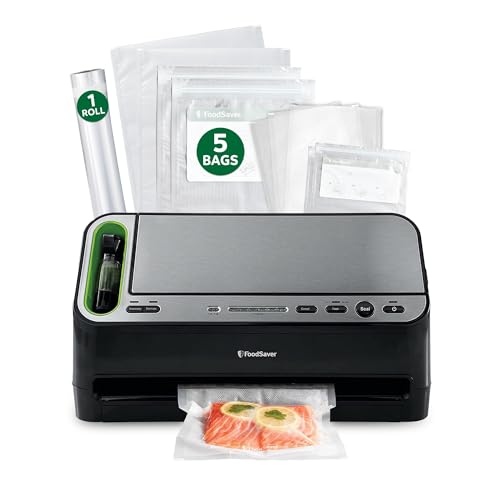
FoodSaver V4400 2-in-1 Vacuum Sealer Machine with Automatic Vacuum Sealer Bag Detection and Starter Kit
SAVE MONEY AND SEAL FRESHNESS IN: MEAT PRESERVED WITH THE FOODSAVER SYSTEM IN THE FREEZER CAN LAST UP…
As an affiliate, we earn on qualifying purchases.
As an affiliate, we earn on qualifying purchases.

GONGSHI Vacuum Storage Bags, Space Saver Seal Bags For Clothing, Blankets, Comforters, Pillows, Clothes Storage,Travel Luggage,24 Combo-EPUMP
[Maximize Storage Space by 80%] Unlock unparalleled space-saving with our premium vacuum storage bags, meticulously designed to shrink…
As an affiliate, we earn on qualifying purchases.
As an affiliate, we earn on qualifying purchases.