Closing vents disrupts your home’s airflow balance, causing the system to work harder to maintain temperature. This increased effort raises pressure in ductwork, stressing components and wasting energy. Instead of saving, you may notice uneven heating or cooling and higher utility bills. Proper vent placement and system maintenance are far more effective for efficiency. Keep going to discover smarter ways to cut costs without risking damage to your HVAC.
Key Takeaways
- Closing vents disrupts airflow balance, making the system work harder to maintain temperature.
- Increased pressure in ducts strains the blower, reducing overall HVAC efficiency.
- System compensates for closed vents by cycling more, wasting energy.
- Pressure imbalances can cause duct leaks or damage, leading to energy loss.
- Disrupted airflow hampers proper heat distribution, increasing energy consumption to reach desired temperatures.
Explain How HVAC Systems Keep Airflow Balanced

HVAC systems maintain balanced airflow by using a combination of fans, dampers, and ductwork to evenly distribute conditioned air throughout your home. Understanding airflow dynamics is key to this process—air moves from the system’s supply vents into rooms, then returns through return vents. Proper vent placement guarantees airflow remains consistent, preventing hot or cold spots. Dampers within the ductwork adjust airflow to different areas, helping balance pressure and temperature. When all components work together, your HVAC system can efficiently manage airflow, ensuring each room receives the right amount of conditioned air. Proper vent placement and controlled airflow dynamics are essential for a well-functioning, energy-efficient HVAC system. Additionally, airflow regulation is critical for preventing strain on the system and maintaining optimal comfort levels.
Show How Closing Vents Lowers System Efficiency

When you close vents in your home, you disrupt the system’s airflow balance, causing it to work harder to maintain temperature settings. This increases vent pressure, stressing the blower and reducing efficiency. Airflow disruption means the HVAC must compensate for blocked pathways, which can overwork the system. Additionally, improper airflow can lead to uneven temperature distribution, making some areas too hot or cold, and forcing the system to cycle more frequently, which wastes energy. Air pressure imbalances can also cause leaks or damage to ductwork over time, further reducing efficiency. The HVAC’s control system struggles to maintain set temperatures, boosting energy use. To optimize performance, it’s best to keep vents open and allow the system to operate as designed, ensuring consistent airflow and energy savings. Proper airflow management is a key part of home essentials that supports system longevity and efficiency.
Debunk Myths About Using Vents to Save Energy
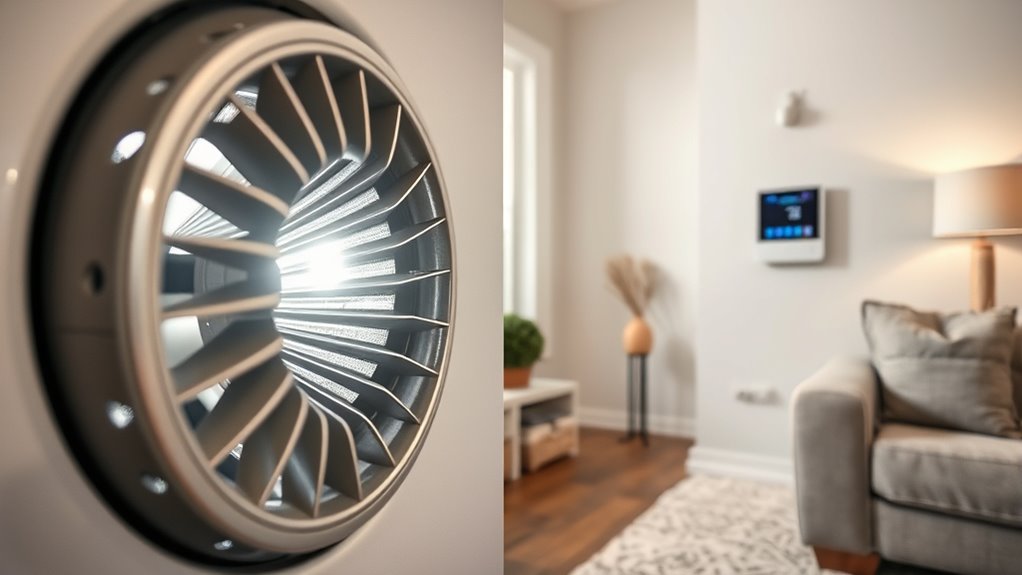
Many homeowners believe that closing vents in unused rooms will save energy, but in reality, this practice often does more harm than good. When you close vents, you risk creating vent obstruction, which hampers proper airflow. This airflow disruption can cause your HVAC system to work harder to circulate air throughout your home. Instead of saving energy, you may increase energy use because the system compensates for poor airflow. Additionally, closed vents can lead to pressure imbalances, putting stress on your ducts and causing leaks or damage over time. The myth that closing vents helps reduce energy costs ignores how airflow disruption impacts system efficiency. To truly save energy, focus on proper insulation and maintenance rather than obstructing vents, which ultimately hampers your HVAC performance. Maintaining your system’s proper airflow and ensuring it operates efficiently is essential for energy savings.
Highlight Risks of Closing Vents and Possible Damage
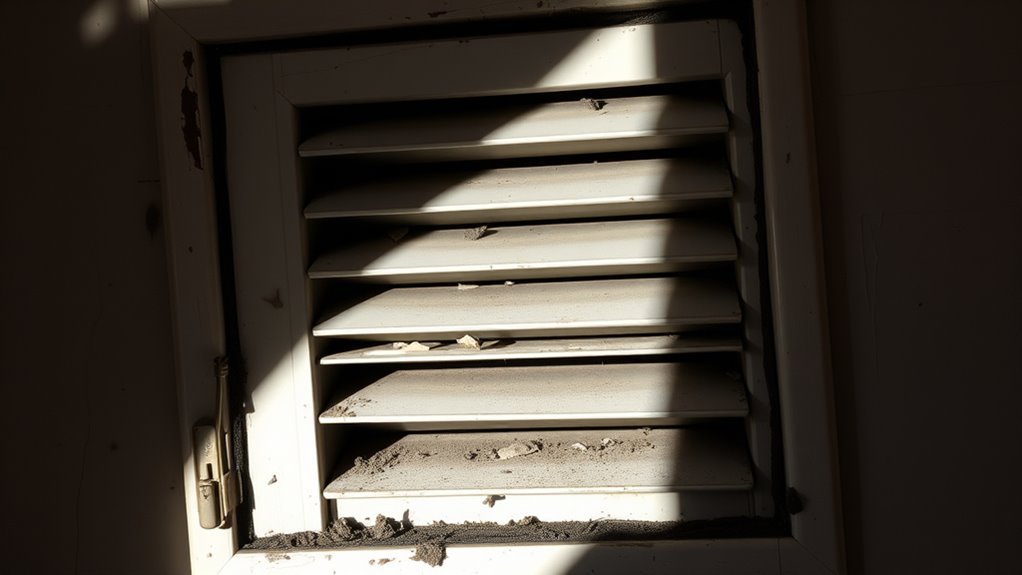
Closing vents might seem like a quick fix to save energy, but it can actually cause serious problems. When you block vents, you risk vent blockage and airflow disruption, which can strain your HVAC system. This added stress may lead to overheating or premature equipment failure. Additionally, uneven heating or cooling can develop, causing discomfort and potential damage to specific areas of your home. Forced airflow through closed vents increases pressure within the ductwork, risking leaks or cracks. You might also unintentionally encourage mold growth from trapped moisture. Studies show that increased pressure can lead to duct damage, further reducing system efficiency and lifespan. Increased pressure causing duct damage, reduced system efficiency, shortened HVAC lifespan, higher risk of leaks and cracks, and potential mold and moisture buildup.
Share Smarter Ways to Boost Home Energy Savings

To effectively boost your home’s energy savings, focus on simple, smart strategies that make a real difference. Installing a smart thermostat allows you to optimize your heating and cooling schedules, reducing waste and lowering energy bills. It learns your routines and adjusts temperatures accordingly, ensuring comfort without excess energy use. Additionally, investing in insulation upgrades helps maintain consistent indoor temperatures, decreasing the workload on your HVAC system. Proper insulation keeps warm air in during winter and out during summer, making your home more energy-efficient. European cloud servers are also playing a role in supporting sustainable energy management solutions through innovative, energy-efficient technology. Combining these approaches creates a smarter, more sustainable way to save energy. By making small upgrades and using technology wisely, you’ll enjoy lower costs and a more comfortable living environment without the pitfalls of closing vents.
Frequently Asked Questions
Can Closing Vents Improve Indoor Air Quality?
Closing vents doesn’t necessarily improve indoor air quality. It can restrict air circulation, leading to stale air and potential odor buildup. Without proper airflow, contaminants may linger, and humidity levels could rise, promoting mold growth. For better odor control and air quality, guarantee vents are open enough to allow fresh air to circulate freely, rather than shutting them completely. Proper ventilation helps maintain a healthier, more comfortable indoor environment.
Does Vent Closure Affect Humidity Levels Inside the Home?
Closing vents can actually worsen humidity issues inside your home. While you might think it helps control vent humidity or indoor moisture, it often traps excess moisture, increasing indoor humidity levels. You might notice dampness or mold, which harms your indoor air quality. Instead of closing vents, aim for proper ventilation and humidity control methods to keep moisture balanced and maintain a healthier, more comfortable environment.
Are There Specific Rooms Where Closing Vents Is More Harmful?
Closing vents in specific rooms, especially those with room-specific venting, can be more harmful because it disrupts your HVAC system’s balance. During seasonal vent adjustments, sealing vents in unused rooms might seem efficient, but it can cause increased energy use and system strain. Always consider the overall airflow and avoid closing vents in main living areas, as this can lead to uneven heating or cooling and higher energy bills.
How Does Vent Management Influence HVAC Lifespan?
Managing your vents affects your HVAC’s lifespan by preventing airflow imbalance and system strain. When you close vents, it can cause uneven airflow, forcing your system to work harder and increasing wear and tear. This added strain accelerates component deterioration, shortening your system’s overall life. To keep your HVAC running smoothly and efficiently, it’s best to keep vents open and maintain proper airflow throughout your home.
Can Smart Vent Systems Help Optimize Energy Use Effectively?
Smart vent systems can help optimize energy use effectively by adjusting airflow based on room occupancy and temperature. They prevent vent blockage and airflow restriction, ensuring even heating or cooling without wasting energy. By intelligently managing airflow, these systems reduce unnecessary HVAC operation, save energy, and improve comfort. You’ll notice better efficiency and lower utility bills, all while maintaining a consistent indoor climate with less manual intervention.
Conclusion
Closing vents might seem like a quick fix, but it’s like trying to tame a wild river with a tiny dam—you end up flooding your system instead. Your HVAC is a finely tuned orchestra, and blocking vents throws it off-key, forcing it to work harder and waste energy. Instead, think of smarter tips—like sealing leaks and upgrading insulation—as gentle hands guiding your home to energy harmony, keeping your comfort steady without causing chaos.