
TL;DR

Prime made for students and young adults
- Fast, free delivery for dorm and study essentials
- Prime Video and Amazon Music included
- Member-only deals
This week features the Strawberry Moon on July 3, along with notable planetary views and meteor showers. The events are confirmed and provide opportunities for skywatchers across the globe.
From June 26 to July 5, skywatchers can observe the full Moon known as the Strawberry Moon on July 3, along with prominent planetary views and meteor activity, according to Sky & Telescope. These confirmed events offer clear opportunities for amateur astronomers and the general public to engage with the night sky during this period.
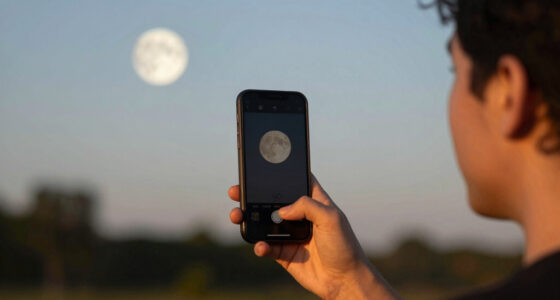
The main event during this period is the occurrence of the full Moon on July 3, which is traditionally called the Strawberry Moon, a name that originates from North American Indigenous and colonial traditions. This full Moon is confirmed by astronomical records and will be visible across most of the globe, weather permitting.
Additionally, the week features favorable planetary viewing conditions, with Mars, Jupiter, and Saturn visible in the evening sky. Mars will be particularly prominent, reaching its closest approach to Earth on July 1, as confirmed by recent planetary data. Jupiter and Saturn will also be visible, with Jupiter rising early in the evening and Saturn becoming visible later at night.
Furthermore, the period coincides with the peak of the annual Delta Aquarid meteor shower, which is confirmed to be active from late July into early August. Although the shower’s peak is slightly outside this specific window, increased meteor activity may be observed during the nights of June 28 to July 5, according to the American Meteor Society.
Why the Week’s Celestial Events Matter for Skywatchers
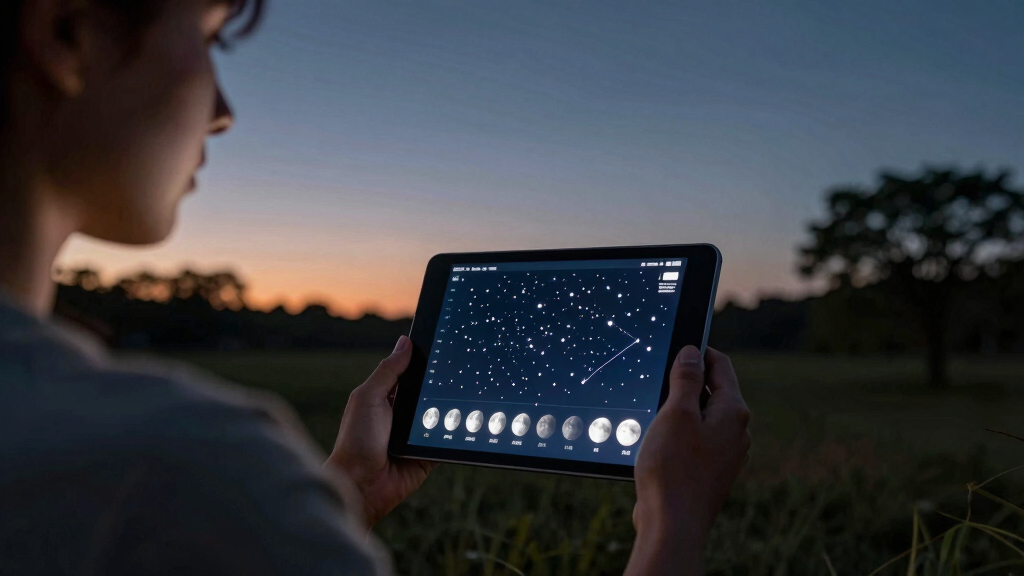
This week’s events provide accessible opportunities for both amateur and experienced astronomers to observe significant lunar and planetary phenomena. The Strawberry Moon’s appearance marks a traditional seasonal marker, while planetary alignments and meteor activity enhance the viewing experience. These events foster public engagement with astronomy and offer practical opportunities for educational outreach and personal observation.
Additionally, the close approach of Mars on July 1 offers a rare chance for detailed observation with telescopes, which can contribute to citizen science projects and deepen understanding of planetary conditions.
telescope for moon and planet viewing
As an affiliate, we earn on qualifying purchases.
As an affiliate, we earn on qualifying purchases.
Background on the Week’s Key Celestial Events
The full Moon, termed the Strawberry Moon, occurs annually in July and is named for the ripening of strawberries during this time, a tradition rooted in indigenous and colonial naming conventions. Its occurrence is predictable and well-documented, with the 2026 event confirmed by astronomical data.
Planetary visibility during this period is consistent with typical summer viewing conditions in the Northern Hemisphere, with Mars reaching its closest point to Earth, known as opposition, on July 1—an event that occurs roughly every 26 months. Jupiter and Saturn are also regularly visible during this season, with their positions confirmed by recent planetary ephemerides.
The Delta Aquarid meteor shower, active from late July into August, peaks around July 28, but increased activity can be observed in the preceding days. This meteor shower results from debris left by Halley’s Comet, with activity confirmed by recent meteorological observations.
“The full Moon on July 3 will be visible across most of the globe, offering a striking view of the traditional Strawberry Moon.”
— Sky & Telescope
astronomy binoculars for stargazing
As an affiliate, we earn on qualifying purchases.
As an affiliate, we earn on qualifying purchases.
Unconfirmed Aspects of Meteor Shower Intensity
While increased meteor activity from the Delta Aquarid shower is expected, the exact number of meteors visible per hour remains uncertain and depends on local viewing conditions and moonlight interference. The peak is predicted for July 28, outside this window, so activity during this week may vary.
As an affiliate, we earn on qualifying purchases.
Upcoming Celestial Events Following the Week of June 26–July 5
Following this week, the next notable event is the peak of the Delta Aquarid meteor shower on July 28. Additionally, the new Moon occurs on July 17, offering darker skies for deep-sky observations. Planetary oppositions and conjunctions are also expected in the coming months, providing further opportunities for skywatchers.
As an affiliate, we earn on qualifying purchases.
Key Questions
When is the best time to see the Strawberry Moon?
The best time to observe the Strawberry Moon will be on the night of July 3, when it will be fully illuminated and visible after sunset.
What planets are visible this week?
Mars, Jupiter, and Saturn are visible during this period. Mars will be closest to Earth on July 1, and Jupiter and Saturn will be visible in the evening sky.
Will I be able to see the meteor shower this week?
While the peak of the Delta Aquarid meteor shower is expected around July 28, increased activity may be visible from June 28 to July 5, weather permitting. The moonlight may affect visibility.
Are there any upcoming lunar or planetary events after July 5?
Yes, the next major event is the peak of the Delta Aquarid meteor shower on July 28, followed by the new Moon on July 17, which will provide darker skies for observation.
Source: google-trends
Fall Picks
fall essentials
As an affiliate, we earn on qualifying purchases.