

🔍 Read the full analysis: The Top AI-Infused WiFi 7 Routers To Consider In 2026 on ThorstenMeyerAI.com

Prime made for students and young adults
- Fast, free delivery for dorm and study essentials
- Prime Video and Amazon Music included
- Member-only deals
TL;DR
In 2026, the top WiFi 7 routers integrate AI features to enhance speed, coverage, and device management. Key models include TP-Link Archer BE600, ASUS ROG Strix GS-BE12000, and Deco 7 Pro Mesh System, catering to different needs.
Several leading manufacturers have launched AI-infused WiFi 7 routers in 2026, offering advanced features such as enhanced speed, lower latency, and smarter network management. For a detailed overview, see the original analysis. These developments are significant for households and tech enthusiasts seeking reliable, high-performance home networks.
The lineup includes models like the TP-Link Archer BE600, recognized for its balanced performance and affordability; the ASUS ROG Strix GS-BE12000, designed for gaming with exceptional speed and stability; and the Deco 7 Pro Mesh System, optimized for large, multi-room setups. These routers leverage WiFi 7’s capabilities, including multi-band support, multiple streams, and AI-driven management features, to deliver faster, more reliable connections. Learn more about top options in the best WiFi 7 routers.
Confirmed features include support for multi-gigabit speeds, AI-based traffic optimization, and enhanced security protocols like WPA3. The models differ significantly in price, coverage, and specialization, making them suitable for various user needs—from small apartments to large homes with many connected devices.
While these models are currently available, detailed performance metrics and long-term reliability data are still emerging, and some claims about AI capabilities remain to be independently verified. For the latest reviews, visit the original coverage.
The 10 picks
- 1
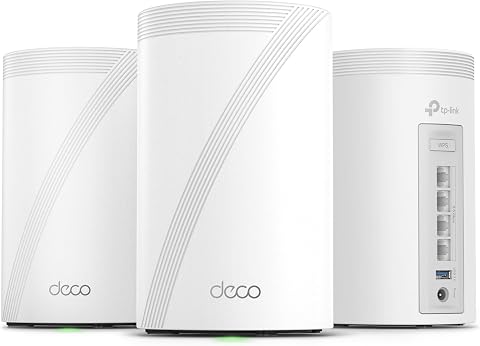 Deco 7 Pro Tri-Band WiFi 7 BE10000 Whole Home Mesh System 6-Stream 10 GbpsView on Amazon →
 - 2
 ASUS ROG Strix GS-BE12000 WiFi 7 Gaming Router – Tri-Band, 12Gbps, MeshView on Amazon →
 - 3
 TP-Link Archer BE12000 Tri-Band Wi-Fi 7 Router (Archer BE670)View on Amazon →
 - 4
 Deco 7 Dual-Band WiFi 7 Mesh System, 4-Stream, 5 GbpsView on Amazon →
 - 5
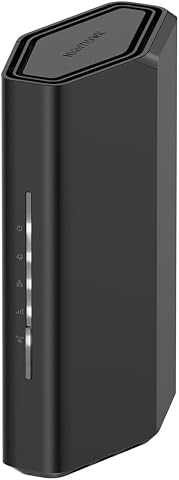 NETGEAR Nighthawk Dual-Band WiFi 7 Router (RS90)View on Amazon →
 - 6
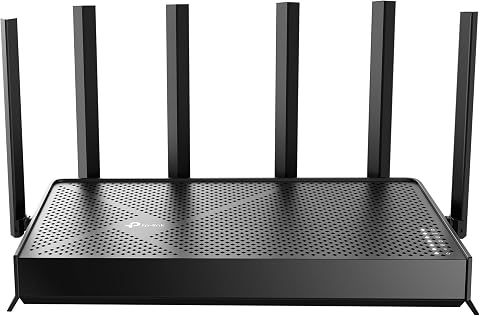 TP-Link Tri-Band WiFi 7 Router (Archer BE600)View on Amazon →
 - 7
 TP-Link Tri-Band WiFi 7 Router (Archer BE550)View on Amazon →
 - 8
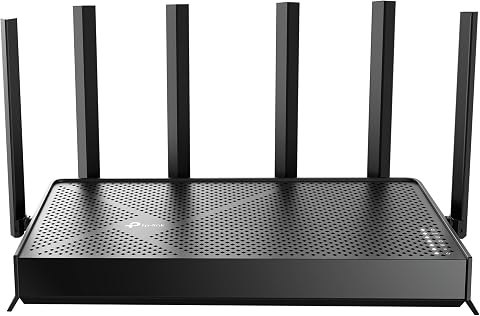 TP-Link BE6500 Dual-Band WiFi 7 Router (BE400)View on Amazon →
 - 9
 TP-Link Dual-Band Wi-Fi 7 Router, Archer BE230View on Amazon →
 - 10
 ASUS RT-BE55 WiFi 7 Router, 3.6Gbps, 2000 sq. ft., Mesh + VPN SupportView on Amazon →
Why AI-Enhanced WiFi 7 Routers Matter in 2026
The introduction of AI features in WiFi 7 routers in 2026 represents a meaningful step toward smarter home networks. These routers promise to improve overall user experience by dynamically managing traffic, reducing congestion, and adapting to device usage patterns. For consumers, this means more consistent speeds, lower latency for gaming and streaming, and enhanced security.
As households increasingly rely on multiple smart devices, these routers aim to address the growing demand for bandwidth and stability. The integration of AI also signals a shift toward more autonomous network management, reducing the need for manual configuration and troubleshooting, which benefits both tech-savvy users and less experienced homeowners.
Background on WiFi 7 and AI Integration
WiFi 7, the successor to WiFi 6E, was officially ratified in 2024, promising multi-gigabit speeds, lower latency, and improved capacity. Early models began appearing in 2025, but 2026 marks the year when AI features are becoming mainstream in consumer-grade routers. Major brands like TP-Link, ASUS, and Deco have announced models that incorporate AI to optimize network performance.
Prior to this, WiFi 6 and 6E provided substantial improvements over previous standards, but lacked intelligent traffic management. The new wave of WiFi 7 routers aims to fill this gap by integrating machine learning algorithms that adapt to network conditions in real-time, enhancing user experience in increasingly connected homes.
Initial reviews and early testing indicate these routers deliver on speed and coverage promises, but comprehensive, long-term performance data remains to be seen. Market adoption is expected to accelerate as more devices become compatible with WiFi 7 and AI features.
Unverified Claims and Performance Expectations
While manufacturers boast about AI-driven features such as automatic traffic optimization and adaptive coverage, independent testing data is limited. The actual impact of AI on real-world performance, stability, and security remains to be fully validated. Additionally, the long-term reliability of these AI components and their ability to adapt to evolving network demands are still under assessment.
Some claims about ultra-low latency and seamless multi-device management are based on preliminary tests or marketing statements, and may not fully materialize in everyday use.
Upcoming Releases and Performance Verification
In the coming months, expect further reviews and independent testing of these AI-enabled WiFi 7 routers. Manufacturers are likely to release firmware updates that enhance AI features, and new models may enter the market to fill different price and performance tiers. Consumers should watch for performance benchmarks, security audits, and user feedback to gauge real-world benefits.
Additionally, as more devices become WiFi 7 compatible, the ecosystem will expand, enabling these routers to deliver on their full potential. Market adoption and technological maturity will determine how quickly these AI features become standard in home networking.
Key Questions
Will existing devices benefit from WiFi 7 AI features?
Most current devices are not yet WiFi 7 compatible, so they won’t directly benefit from the new standard’s speed or AI features. However, upgrading your router can improve overall network stability and prepare your home for future compatible devices.
Are WiFi 7 routers with AI worth the upgrade in 2026?
If you require high-speed internet, low latency for gaming, or better coverage in a large home, these routers offer tangible benefits. For average users, existing WiFi 6E models may still suffice, and waiting for more mature AI features could be advisable.
How does AI improve WiFi performance?
AI-driven routers can dynamically manage traffic, prioritize devices, optimize coverage, and enhance security automatically. This results in more stable connections, reduced congestion, and a better user experience overall.
What security features do these routers include?
Most models support WPA3 encryption, automatic firmware updates, and integrated security tools. AI can also help detect anomalies and respond to threats more effectively, strengthening network security.
Source: ThorstenMeyerAI.com
Evergreen bestsellers Picks
bestsellers
As an affiliate, we earn on qualifying purchases.