
During wildfire smoke events, the ventilation shortcut means checking air quality reports and using indoor sensors to decide when it’s safe to air out your home. You should ventilate only when outdoor air quality is better than inside, usually during periods of cleaner air or after the fire subsides. Properly managing ventilation—using HEPA filters, sealing gaps, and avoiding outdoor air intake—can protect you and your family. Continue exploring to learn how to do this safely and effectively.
Key Takeaways
- Monitor local air quality reports to determine safe times for outdoor ventilation.
- Ventilate only when outdoor air quality is better than indoor conditions.
- Use HEPA filters and recirculate indoor air to reduce smoke entry during smoky periods.
- Seal windows and doors tightly to prevent outdoor smoke from infiltrating indoor spaces.
- Avoid opening windows during high smoke levels; prefer mechanical ventilation with clean filters.
What Is Wildfire Smoke and Why Is It Harmful?

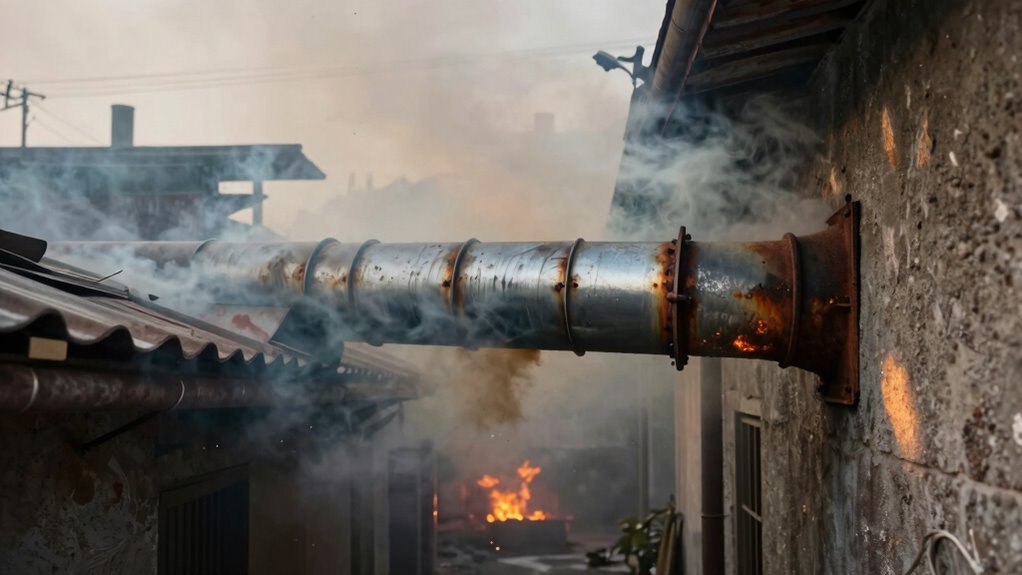
Have you ever wondered what makes wildfire smoke so dangerous? It’s because wildfire smoke considerably impacts air quality, releasing tiny particles and chemicals into the air. These invisible particles, called particulate matter, can easily enter your lungs when you breathe, posing serious risks to your respiratory health. Breathing in wildfire smoke can cause coughing, shortness of breath, and aggravate existing conditions like asthma or bronchitis. The harmful chemicals in the smoke can also enter your bloodstream, leading to longer-term health problems. Children, the elderly, and those with pre-existing health issues are especially vulnerable. Understanding what wildfire smoke is and its effects helps you recognize the importance of protecting your respiratory health during fire events. Comprehensive insights into the composition of wildfire smoke can further aid in understanding its dangers.
When and Why Should You Use the Ventilation Shortcut?
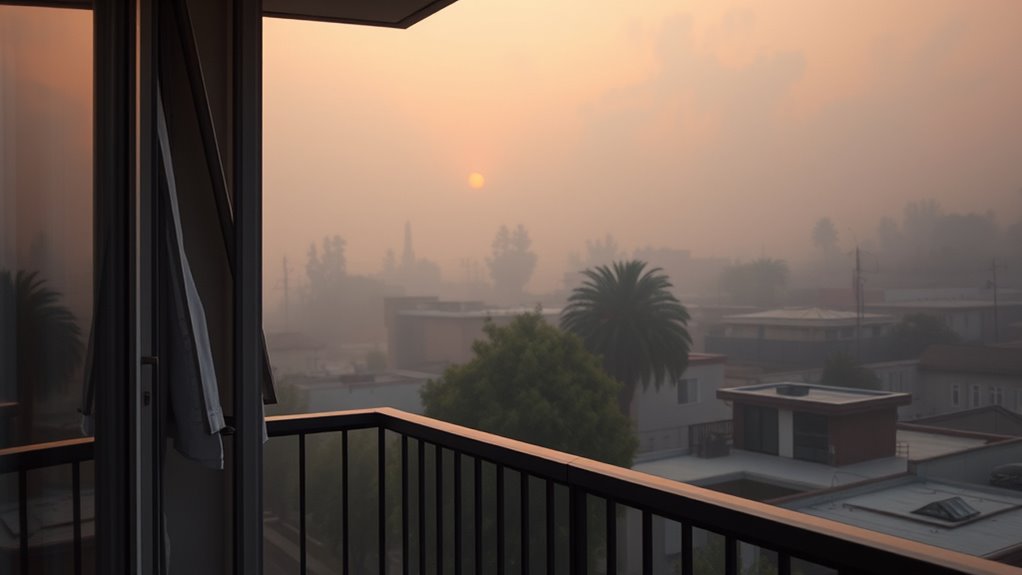
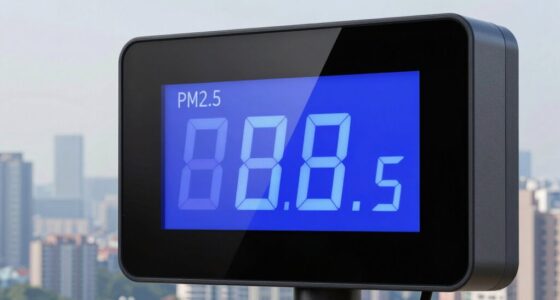
Knowing when to use the ventilation shortcut can help you quickly reduce indoor smoke levels during a wildfire. Keep an eye on air quality indicators like local air quality reports or indoor air sensors. If outdoor air quality is better than indoor, it’s a good time to ventilate. However, if outdoor air quality worsens or reaches hazardous levels, delay ventilation. Proper ventilation timing is essential; do it when outdoor conditions are favorable, typically during brief periods of cleaner air or after a wildfire event subsides. Ventilating at the right time ensures you’re not bringing more smoke inside, protecting your health and maintaining better indoor air quality. Always monitor real-time air quality data to make informed decisions about when to open windows or run exhaust fans. Additionally, understanding air exchange rates can help optimize ventilation practices during such events.
How Can You Ventilate Your Home Safely During Wildfires?
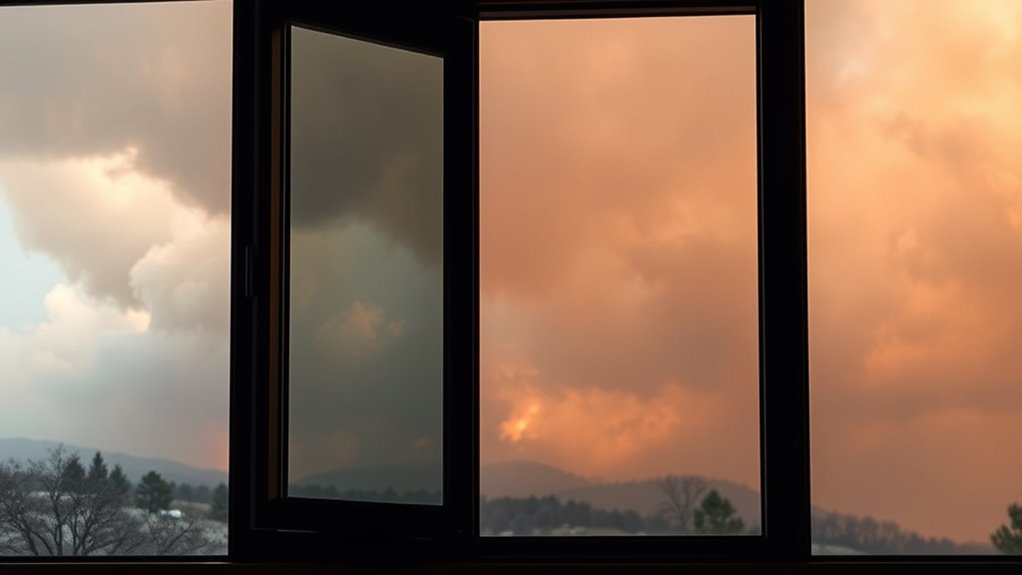
To ventilate your home safely during wildfires, you need to stay alert to local air quality conditions and limit your ventilation to times when outdoor air is cleaner than indoor air. Regular air quality monitoring helps you decide the best moments to open windows or use exhaust fans. Before ventilating, confirm your ventilation system is well-maintained to prevent smoke from entering. Additionally, using air purifiers equipped with HEPA filters can further improve indoor air quality by effectively capturing smoke particles and pollutants. Consider these tips: 1. Check real-time air quality data from trusted sources before opening windows. 2. Use mechanical ventilation like HVAC systems with clean filters, avoiding outdoor air intake during smoky periods. 3. Keep all ventilation systems maintained to ensure they operate efficiently and prevent smoke infiltration. Following these steps helps protect your indoor air quality and health during wildfires.
Are There Common Myths About Ventilating in Smoke?

Many people believe that opening windows during wildfire smoke will quickly improve air quality, but this is a common myth. In reality, opening windows often allows smoky air to enter, worsening indoor air quality instead of improving it. Ventilation myths like this can lead you to make poor decisions during a wildfire. Relying on windows alone won’t effectively clear indoor smoke and might expose you to higher pollution levels. Proper ventilation during smoke events involves understanding how to control indoor air quality without letting in harmful particles. Instead of opening windows, using air purifiers and sealing leaks helps maintain cleaner indoor air. Recognizing these ventilation myths is essential so you can make informed choices that protect your health during wildfire smoke episodes. Additionally, understanding Free Floating pollutants can help you better manage indoor air quality during such events.
Tips to Help You Breathe Easier When Smoke Is in the Air
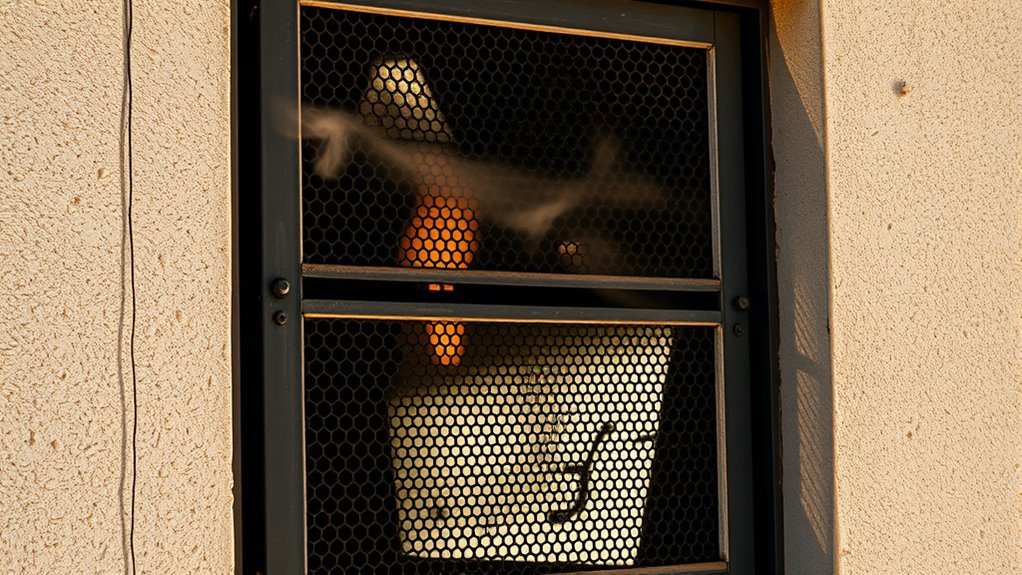
When wildfire smoke fills the air, taking steps to breathe easier can make a significant difference in your comfort and health. Improving indoor air quality is key. Start by using your ventilation systems wisely: set them to recirculate indoor air rather than pulling in outside air, which may carry smoke. Here are some tips to help you breathe easier:
- Seal windows and doors tightly to prevent smoke infiltration.
- Use HEPA air purifiers to filter out harmful particles indoors.
- Avoid activities that generate indoor pollutants, like smoking or burning candles.
Frequently Asked Questions
Can Indoor Plants Improve Air Quality During Wildfire Smoke Events?
Indoor plants can improve air quality during wildfire smoke by providing natural air filtering. Their benefits include reducing indoor pollutants and increasing humidity, which helps you breathe easier. While they don’t eliminate all wildfire particles, they support better indoor air quality overall. You should place a variety of healthy, well-maintained plants around your home to maximize these benefits and create a more comfortable environment during smoky conditions.
Are There Specific Air Purifiers Recommended for Wildfire Smoke?
You should look for air purifier brands like Coway, Honeywell, or Blueair, which are highly recommended for wildfire smoke. Opt for models with HEPA filtration systems, as they effectively capture smoke particles and pollutants. Check filtration system options that include activated carbon filters for odor and chemical removal. This combination guarantees better indoor air quality, helping you breathe easier during wildfire events.
How Often Should You Change Filters During Smoke Season?
During wildfire smoke season, you should change filters every 4 to 6 weeks. For example, Sarah kept her filter unaltered for 3 months, noticing increased allergies. Proper filter maintenance guarantees your air purifier works effectively, especially during peak smoke days. Adjust your ventilation timing accordingly, and check the manufacturer’s recommendations. Regularly replacing filters keeps your indoor air clean and protects your health during smoky periods.
What Are the Long-Term Health Effects of Wildfire Smoke Exposure?
Long-term wildfire smoke exposure can lead to serious health issues, especially affecting your respiratory system. You might develop chronic respiratory problems like asthma or bronchitis, which can persist for years. Over time, it can also increase your risk of heart disease and other chronic health conditions. Protecting yourself now by reducing exposure and maintaining good indoor air quality can help minimize these long-term health risks.
Does Opening Windows at Certain Times Reduce Smoke Infiltration?
You might notice that opening windows at certain times can help with indoor ventilation, but it often depends on outside conditions. During wildfire smoke, sealing windows tightly during smoky periods keeps polluted air out, while opening them during cleaner times improves airflow. To reduce smoke infiltration, coordinate window sealing with outdoor air quality reports, opening windows when air is cleaner, and keeping indoor air fresh without letting smoke inside.
Conclusion
So, next time wildfire smoke clouds your home, remember the ventilation shortcut isn’t a magic wand—unless you want your indoor air to resemble a smoky bar. Skip the open windows like a pro and stay safe. Think of your house as a fortress, not a chimney. After all, who needs fresh air when you can have a cozy, smoky sauna—just not inside your living room! Stay smart, breathe easy, and keep the fire outside where it belongs.