
TL;DR
Global media coverage of oceans has surged, with a notable increase in mentions of the North Sea and other oceanic regions. This development reflects heightened public and scientific interest in ocean health and climate issues.
Media coverage of oceans worldwide has surged dramatically in recent weeks, with the North Sea and other regions experiencing a significant spike in mentions. According to data from the GDELT project, ocean-related coverage has increased by approximately 3.9 times the baseline, reflecting heightened global attention on ocean health, climate change, and marine conservation.
GDELT data shows that in the recent reporting window, there have been 35 mentions related to oceans, compared to a typical baseline of around nine mentions. This surge encompasses coverage of the North Sea, Atlantic, Pacific, and other major bodies of water, suggesting a broad increase in media focus. Experts attribute this rise to several factors, including recent climate reports, extreme weather events impacting coastal regions, and renewed scientific interest in oceanic ecosystems.
Environmental organizations and scientists have emphasized that this increased coverage may influence public awareness and policy discussions. However, it remains unclear whether this surge will lead to concrete action or sustained attention beyond the current media cycle.
Implications of Increased Media Focus on Oceans
The surge in media coverage highlights a growing global concern over ocean health amid climate change and environmental degradation. Increased attention can drive policy changes, funding for marine research, and public engagement. However, there’s also a risk that coverage may be episodic, without translating into long-term commitments, making it crucial to monitor whether this attention results in tangible actions to protect ocean ecosystems.
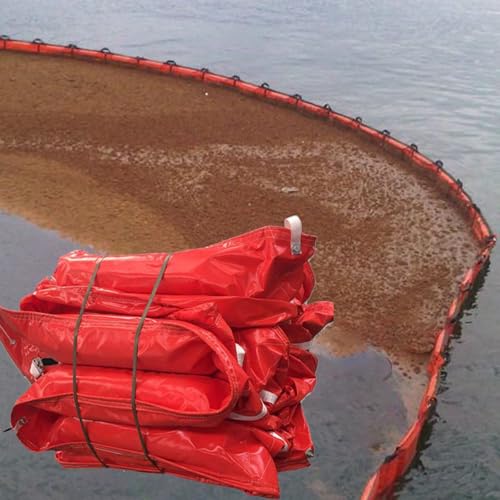
Floating Oil Boom, High Strength Water Barrier for Pollution Prevention in Lakes, Oceans, and Sewage Outlets
Constructed from high-strength double-coated PVC fabric, this material offers excellent resistance to oil, light, and sun exposure, ensuring…
As an affiliate, we earn on qualifying purchases.
As an affiliate, we earn on qualifying purchases.
Over the past year, discussions around climate change, extreme weather events, and marine conservation have gained prominence in international media. The North Sea, in particular, has been a focal point due to recent reports of rising sea levels, pollution concerns, and offshore energy developments. The GDELT database indicates a consistent rise in ocean-related mentions, peaking recently with the current surge, possibly linked to global climate summits and environmental campaigns.
Historically, media attention to oceans has fluctuated, often spiking during major environmental events or policy debates. The current increase appears to be part of a broader pattern of rising awareness, but the sustainability of this trend remains uncertain.
“The recent surge in media coverage reflects a growing recognition of the critical state of our oceans and the urgent need for action.”
— Dr. Emily Carter, Marine Ecologist

Antique Brass Telescope Marine Navy Adjustable Floor Standing Brass Telescope Maritime Ship Instrument Functional Clear Vision Instrument Nautical Home Decor
A beautiful handmade solid brass floor standing telescope for your home & office table top decor.This classic solid…
As an affiliate, we earn on qualifying purchases.
As an affiliate, we earn on qualifying purchases.
Uncertainties About Long-Term Impact of Coverage Spike
It is not yet clear whether this surge in media coverage will lead to sustained policy changes or long-term public engagement. Experts caution that media attention can be episodic, and without concerted efforts, the focus may diminish quickly. Additionally, the specific drivers behind the spike—whether related to recent events, policy debates, or scientific reports—are still being analyzed.

Wild Republic Coast Hippie Rescue Kit Sea Turtle Play Set – 7.8"
A plush green sea turtle that encourages empathy and imagination. With intake forms and tools included, you can…
As an affiliate, we earn on qualifying purchases.
As an affiliate, we earn on qualifying purchases.
Monitoring Media Trends and Policy Responses
Researchers and environmental groups will track whether media coverage remains elevated or tapers off in the coming weeks. Policymakers may also respond to increased public awareness by proposing or advancing ocean protection initiatives. Further scientific reports and environmental events are expected to influence ongoing media narratives, shaping the future of ocean discourse.

AmScope PS100D Prepared Microscope Slide Set for Basic Biological Science Education, 100 Anatomy and Botany Slides, Set D, Includes Fitted Wooden Case
Set of 100 prepared anatomy and botany slides, including plants, insects, and animal tissues, for use in biological…
As an affiliate, we earn on qualifying purchases.
As an affiliate, we earn on qualifying purchases.
Key Questions
Why has media coverage of oceans increased recently?
The increase is linked to recent climate reports, environmental events impacting coastal regions, and growing scientific interest in ocean ecosystems, according to experts and data from GDELT.
Does media coverage lead to policy changes?
While increased media attention can influence policy, it does not automatically result in concrete actions. The long-term impact depends on sustained public interest and political will.
Which regions are most affected by this coverage surge?
The North Sea, Atlantic, and Pacific Ocean regions are prominently featured, with specific focus on climate impacts and marine conservation issues.
Is this surge related to specific environmental events?
It is likely connected to recent extreme weather events, climate summit discussions, and reports on ocean degradation, but the exact causes are still being analyzed.
What should the public expect next regarding ocean coverage?
Media attention may continue if new events or reports emerge, and policymakers might respond with initiatives. Monitoring trends will clarify if this is a temporary spike or part of a sustained increase.
Source: gdelt