
TL;DR

Prime made for students and young adults
- Fast, free delivery for dorm and study essentials
- Prime Video and Amazon Music included
- Member-only deals
The Perseid meteor shower will peak on August 12, providing a prime opportunity for skywatchers to see dozens of meteors per hour. The event is confirmed and expected to be visible globally, weather permitting.
The Perseid meteor shower is set to reach its peak on August 12, offering a spectacular display of shooting stars visible across the Northern Hemisphere. This event is confirmed by astronomers and is expected to be observable under clear skies, attracting skywatchers worldwide.
According to NASA and astronomical observatories, the Perseid meteor shower will peak on the night of August 12 into the early hours of August 13. During this peak, observers can expect to see up to 100 meteors per hour, depending on local conditions and light pollution. The Perseids are caused by Earth passing through debris left by Comet Swift-Tuttle, which burns up in the atmosphere, creating bright streaks across the sky. Learn more about how AI has evolved in the space of technology at How AI Has Evolved Since August 2, Not Just Hype.
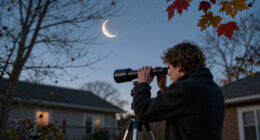
Forecasts suggest that the best viewing times will be after midnight local time, with the meteors appearing to radiate from the constellation Perseus. For more on upcoming celestial events, see the Wetterprognose August 2026. The event is visible in most regions of the Northern Hemisphere, with optimal conditions in areas away from city lights. Weather conditions, such as cloud cover or moonlight, may affect visibility.
Why the August 12 Perseid Peak Matters for Skywatchers
The Perseid meteor shower is one of the most reliable and spectacular annual astronomical events, drawing millions of viewers worldwide. Its peak on August 12 offers an excellent opportunity for amateur and professional astronomers to observe and photograph meteors. The event also provides educational value, encouraging public interest in astronomy and space science.
Additionally, the Perseids’ visibility during summer nights makes it accessible to many, with minimal cold-weather concerns. The event’s predictable timing and intensity make it a highlight of the summer night sky calendar, fostering community engagement and outdoor activity.
stargazing telescope for beginners
As an affiliate, we earn on qualifying purchases.
As an affiliate, we earn on qualifying purchases.
Background and Historical Significance of the Perseids
The Perseid meteor shower occurs annually around mid-August, originating from debris left by Comet Swift-Tuttle. This comet’s orbit intersects Earth’s path, causing the debris to burn up in the atmosphere and produce the bright streaks known as meteors. Historically, the Perseids have been observed for over 2,000 years, with records dating back to ancient China and Greece.
In recent decades, advances in astronomy and increased public interest have made the Perseids a major event for skywatchers. The peak typically occurs around August 12-13, with the 2023 event expected to be particularly bright due to the moon phase and debris density. The event’s reliability and brightness have cemented its reputation as a summer highlight for astronomy enthusiasts.
“Clear, dark skies are essential for the best Perseid viewing experience. Anyone interested should find a location away from city lights after midnight.”
— Skywatching Expert John Miller
As an affiliate, we earn on qualifying purchases.
Factors That Could Affect Meteor Shower Visibility
While the forecast predicts a peak on August 12, weather conditions such as cloud cover, rain, or high moonlight may reduce visibility for some observers. Additionally, light pollution can impact the number of meteors seen, especially in urban areas. The exact number of visible meteors can vary depending on local conditions and atmospheric clarity.
There is no significant scientific dispute about the timing or intensity of the Perseids, but weather-related factors remain unpredictable and could alter the viewing experience in specific locations.
As an affiliate, we earn on qualifying purchases.
Upcoming Astronomical Events Following the Perseids
After the Perseid peak, the night sky will continue to offer opportunities for stargazing, including the upcoming Delta Aquarids meteor shower in late July and the Orionids in October. Astronomers recommend checking local forecasts and moon phases to plan future observations. The Perseids’ peak on August 12 remains the most prominent event of the summer meteor shower season for 2023.
portable star projector for outdoor use
As an affiliate, we earn on qualifying purchases.
As an affiliate, we earn on qualifying purchases.
Key Questions
When is the best time to view the Perseid meteor shower?
The best viewing time is after midnight on August 12, when the sky is darkest and the meteors are most active. Peak activity is expected during the early morning hours of August 13.
Where is the best place to watch the meteor shower?
Find a location away from city lights with clear, dark skies. Elevated areas or rural locations provide the best visibility with minimal light pollution.
Will the moon affect the visibility of the Perseids?
Yes, a bright moon can wash out some meteors, reducing visibility. In 2023, the moon phase is favorable, with a new moon occurring around the peak, which should enhance viewing conditions.
Can I see the Perseids with the naked eye?
Yes, the Perseids are visible to the naked eye, and no special equipment is needed. Just find a dark, open sky and look toward the constellation Perseus.
Source: google-trends
Fall Picks
fall essentials
As an affiliate, we earn on qualifying purchases.