
TL;DR

Prime made for students and young adults
- Fast, free delivery for dorm and study essentials
- Prime Video and Amazon Music included
- Member-only deals
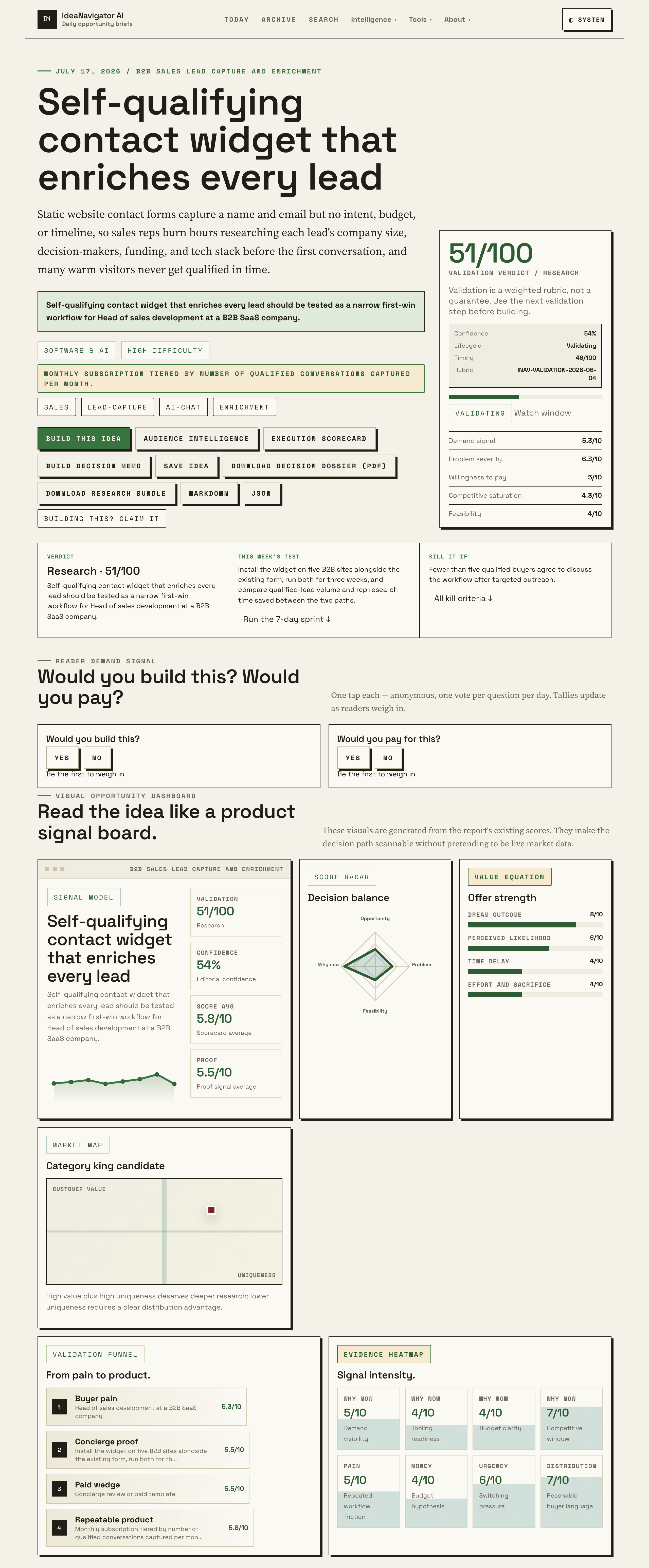
A new self-qualifying contact widget, powered by conversational AI, is being tested to improve lead qualification for B2B SaaS sales teams. It replaces static forms with interactive chats that gather intent, budget, and timeline info, enriching leads automatically. The development aims to streamline sales processes and increase qualified lead volume.
A new self-qualifying contact widget that uses conversational AI to automatically qualify website visitors is being tested by B2B SaaS companies. This development aims to address the common challenge of static contact forms that capture minimal information, leading to inefficient lead qualification and wasted sales team hours. The widget, which replaces traditional forms with an interactive chat, is designed to gather key data points like intent, budget, and timeline, while enriching company information in the background.
The widget is intended for deployment on company websites, where it prompts visitors with conversational questions about their needs and readiness to buy. According to IdeaNavigator AI, the tool will then automatically enrich lead profiles with details such as company size and recent funding, before delivering a summarized, qualified lead report to the sales team. The initial testing involves installing the widget on five B2B SaaS sites, running it alongside existing forms for three weeks, and comparing results in terms of qualified lead volume and sales rep research time saved.
Market experts note that the shift toward conversational AI for lead qualification is driven by decreasing costs of AI technology and increasing buyer expectations for instant engagement. The subscription-based model for the tool is tiered by the number of qualified conversations captured monthly, making it scalable for different-sized teams. The goal is to streamline the sales pipeline, reduce research time, and increase the quality of leads entering the sales funnel.
Implications for B2B Sales Efficiency
This development could significantly impact how B2B SaaS companies generate and qualify leads, reducing manual research efforts and increasing the volume of high-quality prospects. Automating qualification through AI chat widgets aligns with evolving buyer behavior, which favors instant, conversational interactions over static forms. If successful, the tool could become a standard part of the sales development process, leading to faster conversions and more efficient use of sales resources.
AI-powered lead qualification chatbot
As an affiliate, we earn on qualifying purchases.
As an affiliate, we earn on qualifying purchases.
Growing Adoption of AI in Lead Qualification
Traditional website contact forms often fail to capture detailed lead intent, resulting in sales teams spending hours researching basic information. Recent advances in conversational AI have made it feasible to replace these forms with chat-based tools that can qualify leads in real-time. This trend is supported by the decreasing cost and increasing reliability of AI chatbots, which are now capable of engaging visitors, asking relevant questions, and enriching lead data automatically. Early testing of similar tools suggests they could improve lead quality and reduce manual effort, prompting a shift in sales development strategies.
“The integration of AI chat widgets for lead qualification could revolutionize B2B sales processes by automating the early stages of prospect engagement.”
— an anonymous researcher
B2B SaaS sales lead qualification tool
As an affiliate, we earn on qualifying purchases.
As an affiliate, we earn on qualifying purchases.
Unverified Aspects of the AI Widget’s Effectiveness
It is not yet clear how well the widget performs in diverse market segments or how it influences overall lead quality and sales conversion rates. The results from initial testing are still pending, and long-term impacts remain to be evaluated. Additionally, integration challenges and visitor acceptance of AI chats versus traditional forms are still under assessment.
interactive website chat widget for sales
As an affiliate, we earn on qualifying purchases.
As an affiliate, we earn on qualifying purchases.
Next Steps in Testing and Adoption
The ongoing pilot will provide data on qualified lead volume, research time savings, and user engagement. If results are positive, the developers plan to expand testing to more sites and refine the widget based on user feedback. Broader adoption could follow within the next six to twelve months, potentially reshaping lead qualification practices in B2B sales teams.
automated lead enrichment software
As an affiliate, we earn on qualifying purchases.
As an affiliate, we earn on qualifying purchases.
Key Questions
How does the self-qualifying widget differ from traditional contact forms?
The widget uses conversational AI to interact with visitors, asking questions about their intent, budget, and timeline, instead of collecting static information through a form. It also enriches lead data automatically in the background.
What are the main benefits of using this AI-powered qualification tool?
It aims to increase qualified lead volume, reduce manual research time for sales teams, and improve the quality of prospects entering the sales funnel by capturing richer data upfront.
Is the technology ready for widespread deployment?
Initial testing is ongoing, and early results are promising. However, broader adoption depends on the outcomes of pilot programs and integration success, which are still being evaluated.
What costs are associated with implementing this widget?
The tool is offered via a tiered monthly subscription based on the number of qualified conversations captured. Exact pricing details are expected after further validation.
Will visitors accept AI chats instead of traditional forms?
Visitor acceptance is still being studied, but early indications suggest that conversational AI can improve engagement, especially if it provides quick, relevant responses.
Source: IdeaNavigator AI
Halloween Picks
halloween
As an affiliate, we earn on qualifying purchases.