
TL;DR

Prime made for students and young adults
- Fast, free delivery for dorm and study essentials
- Prime Video and Amazon Music included
- Member-only deals
NASA is implementing major upgrades to commercial airline systems to enhance safety and efficiency. The initiative, confirmed by NASA, responds to increasing industry demand and technological advances. Details on scope and timeline remain emerging.
NASA has confirmed the launch of a comprehensive initiative to modernize systems used by commercial airlines, aiming to improve safety, operational efficiency, and environmental sustainability. This effort, announced in March 2024, marks a significant step in integrating advanced aerospace technologies into everyday commercial flight operations, responding to rising industry demand for modernization and resilience.
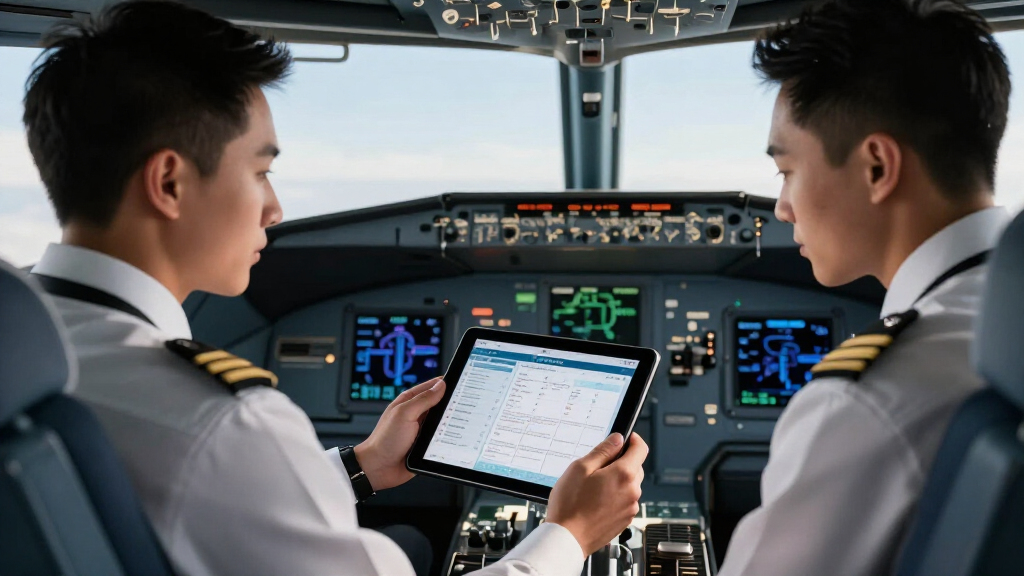
NASA’s modernization program involves upgrading avionics, communication, and navigation systems aboard commercial aircraft. The agency states that these upgrades will incorporate the latest advancements in artificial intelligence, cybersecurity, and environmental sensors, designed to improve real-time decision-making and reduce operational risks. The initiative is part of a broader effort to foster innovation within the aerospace sector and support the transition to more sustainable aviation practices.According to NASA officials, the project will initially target a pilot group of commercial airlines, with phased rollouts expected over the next several years. While specific technologies and timelines are still being finalized, NASA emphasizes that the upgrades are intended to be compatible with existing aircraft platforms, minimizing disruption and costs for airlines. The agency has also highlighted collaborations with industry partners, including aircraft manufacturers and cybersecurity firms, to develop and implement these systems.
Industry analysts note that this move aligns with broader trends toward digital transformation in aviation, driven by advancements in automation, data analytics, and environmental regulation. The program is seen as a response to increasing calls for safer, more efficient, and greener flight operations, particularly as air travel demand continues to rebound post-pandemic.
Implications for Airline Safety and Industry Innovation
This initiative is significant because it represents a concerted effort by NASA to directly influence commercial aviation technology, potentially setting new industry standards. Upgraded systems could lead to fewer in-flight incidents, more efficient routing, and better environmental performance, which are critical as airlines face growing pressure to improve safety and reduce carbon emissions. The collaboration between NASA and industry stakeholders could accelerate the adoption of cutting-edge aerospace technologies, fostering innovation and competitiveness within the sector.
As an affiliate, we earn on qualifying purchases.
Background on Aerospace Modernization Efforts
NASA has historically played a key role in advancing aerospace technology, primarily through research and development for space missions and military applications. In recent years, the agency has increasingly focused on supporting commercial aviation, especially through programs that promote technological innovation and safety improvements. The current push to modernize airline systems builds on previous initiatives aimed at integrating digital solutions into aircraft operations, aligning with industry trends toward automation and sustainability.
While specific projects targeting commercial airline upgrades have been sporadically discussed in industry circles, this announcement formalizes NASA’s active role in shaping future airline technology. The timing coincides with broader industry efforts to meet environmental regulations and improve passenger safety, especially as the aviation sector prepares for a potential surge in travel demand.
commercial airline navigation systems
As an affiliate, we earn on qualifying purchases.
As an affiliate, we earn on qualifying purchases.
Details on Technology Scope and Implementation Timeline Still Emerging
While NASA has confirmed the launch of the modernization program, specific details about the technologies involved, the scope of upgrades, and the exact timeline remain unclear. Industry sources suggest that initial phases may focus on digital cockpit systems and cybersecurity enhancements, but comprehensive plans are yet to be publicly detailed. It is also uncertain how quickly airlines will adopt these systems and what regulatory approvals might be required.
As an affiliate, we earn on qualifying purchases.
Next Steps Include Pilot Program Development and Industry Collaboration
NASA plans to initiate pilot projects with select commercial airlines over the coming year, testing new systems and gathering performance data. The agency anticipates that feedback from these pilots will inform broader deployment strategies, with phased rollouts expected over the next several years. Additionally, ongoing collaboration with aircraft manufacturers, regulators, and industry stakeholders will shape the final specifications and standards for the upgraded systems.
As an affiliate, we earn on qualifying purchases.
Key Questions
What specific systems will NASA upgrade in commercial aircraft?
NASA has not yet disclosed detailed specifications, but the focus is expected to include avionics, communication, navigation, cybersecurity, and environmental sensors, aimed at enhancing safety and operational efficiency.
When will airlines start implementing these upgrades?
Initial pilot programs are planned to start within the next year, with broader deployment likely over the next several years, depending on regulatory approvals and industry readiness.
How will this impact airline operations and costs?
While specific impacts are still being assessed, the upgrades are designed to be compatible with existing aircraft, aiming to minimize disruption and costs. Long-term benefits include improved safety, efficiency, and environmental performance.
Is this part of a broader industry trend?
Yes, this initiative aligns with ongoing trends toward digital transformation, automation, and sustainability in aviation, driven by technological advances and regulatory pressures.
Source: primary
Fall Picks
fall essentials
As an affiliate, we earn on qualifying purchases.