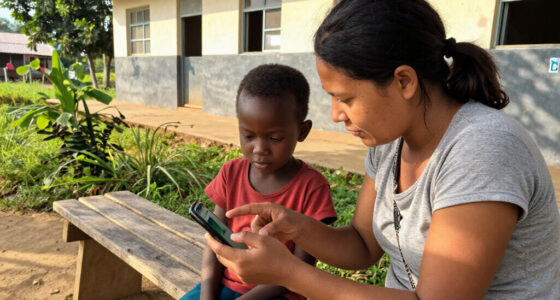
This guide helps parents, teachers, and guardians choose and effectively use science experiment kits designed for children. It covers selecting appropriate kits, preparing for experiments, and conducting activities safely and successfully. Whether you are new to science activities or experienced, follow these steps to ensure an engaging, educational experience that sparks curiosity and understanding in young learners.
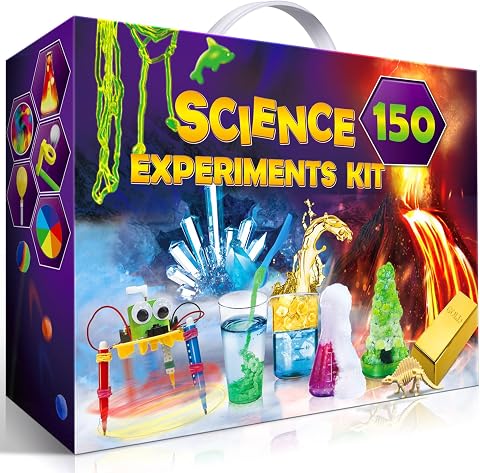
UNGILINGA 150 Experiments Science Kits for Kids Chemistry Lab STEM Toys
- ✔ Number of Experiments: 150
- ✔ Suitable for: Kids
- ✔ Includes: Tools and materials for experiments
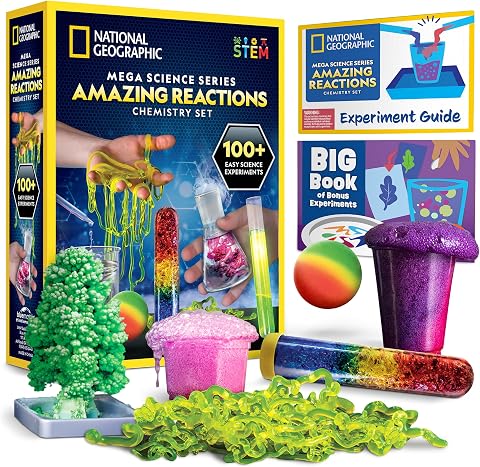
National Geographic Amazing Chemistry Set with 100+ Experiments for Ages 8-12
- ✔ Brand: Blue Marble
- ✔ Age Range: 8 years and up
- ✔ Educational Objective: STEM

Science Kits for Kids, 38 Circuits STEM Toys, 220+ Projects Experiments
- ✔ Number of Items: 38
- ✔ Age Range: 5-12 years
- ✔ Included Components: Instruction Card, Instruction Manual
Difficulty: Beginner | Time: 1-2 hours
What You’ll Need
Tools & Materials:
- Basic household safety gear (gloves, goggles)
- Access to a clean workspace
- A notebook for observations
Knowledge:
- Basic understanding of safety precautions
- Ability to read instructions
- Basic science concepts relevant to the experiments
Ensure the workspace is well-ventilated and free of clutter. Read all instructions in the kit before starting. Confirm that children are supervised at all times during experiments.

UNGLINGA 150 Experiments Science Kits for Kids Chemistry Lab S.T.E.MToys
- Number of Experiments: 150 science experiments for kids
- Educational Topics: Earth, surface tension, chemistry, physics
- Instruction Manual: Well-illustrated, step-by-step guide
As an affiliate, we earn on qualifying purchases.
UNGILINGA 150 Experiments Science Kits for Kids Chemistry Lab STEM Toys
<p>This kit stands out for its impressive <strong>150 experiments covering multiple science disciplines</strong>—from chemistry to earth science. It’s designed to engage children with a huge range of activities, making it ideal for curious minds who want to explore everything from chemical reactions to physics. Compared with the chemistry-only kits, the UNGILINGA kit offers broader scope, but this can also mean some experiments require <strong>adult supervision or household items not included</strong>. It’s best suited for kids who love hands-on discovery and can handle a variety of materials, though it might be overwhelming or less focused for children seeking a simpler introduction.</p>
Pros:
- Huge variety of experiments to maintain engagement
- High-quality tools and kid-friendly materials
- Encourages curiosity across multiple science fields
Cons:
- Requires adult supervision for many experiments
- Some household items not included
- Limited appeal for children seeking advanced or specialized experiments
Best for: Kids who thrive on variety and extensive exploration
Not ideal for: Parents seeking a focused, beginner-friendly chemistry set or older kids wanting advanced experiments
Bottom line: A comprehensive, versatile kit perfect for exploring multiple sciences, best suited for curious, hands-on kids.
“A comprehensive, versatile kit perfect for exploring multiple sciences, best suited for curious, hands-on kids.”

National Geographic Amazing Chemistry Set with 100+ Experiments Ages 8-12
- Number of Experiments: Over 100 experiments to explore
- Complete Kit: Includes all materials for 15 experiments
- Bonus Experiments: 85 additional experiments with household items
As an affiliate, we earn on qualifying purchases.
National Geographic Amazing Chemistry Set with 100+ Experiments for Ages 8-12
<p>This set is a standout for its <strong>over 100 chemistry experiments</strong>, including crystal growing, color-changing solutions, and glowing test tubes. It’s designed to inspire young scientists with a focus on chemical reactions and hands-on STEM activities. Compared to the broader UNGILINGA kit, it offers fewer experiment types but dives deeper into chemistry concepts, making it ideal for kids who love chemical reactions and want a more structured learning experience. However, some experiments can be time-consuming and often require adult supervision, especially for younger children. The included materials are comprehensive, but its focus on chemistry might limit appeal for kids more interested in electronics or earth science.</p>
Pros:
- Over 100 engaging chemistry experiments
- All necessary materials included
- Encourages STEM curiosity and creativity
Cons:
- Requires adult supervision for many experiments
- Limited to chemistry topics
- Some experiments may take time to complete
Best for: Kids aged 8-12 interested in chemistry and chemical reactions
Not ideal for: Children seeking electronics or multi-disciplinary science projects
Bottom line: An excellent chemistry-focused kit ideal for young kids eager to explore chemical reactions and grow their STEM knowledge.
“An excellent chemistry-focused kit ideal for young kids eager to explore chemical reactions and grow their STEM knowledge.”
Science Kits for Kids, 38 Circuits STEM Toys, 220+ Projects Experiments
<p>This kit is tailored for tech-savvy children interested in electronics, offering over <strong>220 circuit-based projects</strong>. It includes 38 components that kids can assemble into diverse projects, fostering <strong>problem-solving skills and creativity</strong>. Compared to the more chemistry-focused options, this kit emphasizes circuit design and troubleshooting, making it perfect for kids aged 5-12 who enjoy building and tinkering. The instructions are clear, and no soldering is required, ensuring safety and ease of use. However, it does not offer the wide variety of scientific topics found in the UNGILINGA kit, and batteries are not included, which can be a minor inconvenience. This kit appeals most to children interested in electronics or those who want to develop STEM skills through hands-on projects.</p>
Pros:
- Encourages creativity and problem-solving
- No soldering or tools needed, safe for kids
- Clear instructions suitable for a wide age range
Cons:
- Batteries not included
- Limited to basic circuit projects
- May be less engaging for kids seeking more scientific diversity
Best for: Children aged 5-12 interested in electronics and problem-solving
Not ideal for: Kids who prefer chemistry or earth science experiments
Bottom line: A perfect choice for young electronics enthusiasts and problem-solvers, emphasizing safe, hands-on circuit building.
“A perfect choice for young electronics enthusiasts and problem-solvers, emphasizing safe, hands-on circuit building.”
As an Amazon Associate we earn from qualifying purchases.
Before You Start
Check the age recommendation on the kit to match the child’s age and skill level. Gather all materials and review instructions thoroughly. Make sure you understand the safety precautions and have a plan for cleanup after experiments.
Step-by-Step Instructions
Step 1: Select an appropriate science kit
Review the child’s age, interest, and skill level to choose a suitable kit. Look for kits that include clear instructions and safety guidelines. Consider the scientific themes that excite the child, such as chemistry, physics, or biology.
Tip:Select kits with positive reviews and reputable brands. Avoid kits with small parts for very young children to prevent choking hazards.
Check: The chosen kit matches the child’s age and interest, and all necessary components are included and undamaged.
Step 2: Gather all required safety equipment and materials
Set up safety gear such as goggles, gloves, and aprons if recommended. Prepare your workspace with a protective surface like newspapers or a plastic sheet. Collect additional household items if specified in the instructions.
Tip:Supervise children closely and ensure they wear safety gear properly during experiments.
Check: All safety equipment is ready and the workspace is prepared, minimizing risk during activities.
Step 3: Read the experiment instructions thoroughly
Carefully review the step-by-step instructions provided in the kit. Note any special procedures, timing, and safety warnings. Clarify any confusing steps before starting.
Tip:If unclear, consult online resources or contact the kit manufacturer for clarification before proceeding.
Check: You understand each step and are confident in following the instructions accurately.
Step 4: Set up the experiment area
Arrange all components and tools as described in the instructions. Ensure the workspace is organized to prevent spills and accidents. Keep a water source nearby for rinsing or emergencies.
Tip:Have a towel or paper towels on hand for quick cleanup of spills.
Check: The area is organized, and all materials are accessible and ready for use.
Step 5: Conduct the experiment
Follow the instructions step-by-step, performing each action carefully and precisely. Measure ingredients or materials accurately. Maintain a calm, focused environment.
Tip:Keep children engaged by explaining what each step does and encouraging questions.
Check: The experiment progresses as described, with observable results or changes indicating correct execution.
Step 6: Record observations and results
Use a notebook or worksheet to record what happens during the experiment. Note colors, changes, or any unexpected outcomes. Take photos if helpful.
Tip:Encourage children to describe their observations in their own words for better understanding.
Check: Observations are documented clearly, matching expected results or noting anomalies.
Step 7: Clean up and review
Dispose of waste materials as instructed. Clean all used tools and store remaining kit components properly. Discuss what was learned and answer any questions.
Tip:Use the cleanup as an opportunity to reinforce safety and conservation of resources.
Check: The workspace is tidy, and the child has articulated what they learned from the activity.
Common Mistakes to Avoid
- Not reading instructions thoroughly before starting — Review all steps and safety warnings in advance to avoid mistakes or safety hazards.
- Using incompatible or damaged materials — Inspect all kit components before use and ensure they match the instructions’ requirements.
- Supervising children inadequately during experiments — Always supervise closely, especially when handling chemicals or fragile items.
- Skipping cleanup or safety steps — Complete all cleanup procedures and safety checks after each experiment.
Troubleshooting
Problem: Experiment not producing expected results
Solution: Verify each step was followed exactly; double-check measurements and timing. Re-read instructions carefully to identify any missed details.
Problem: Spills or messes during activity
Solution: Pause the experiment, clean the area thoroughly, and re-establish safety measures. Use protective coverings to contain spills.
Problem: Child appears disinterested or overwhelmed
Solution: Break the activity into smaller, manageable steps. Explain concepts simply and offer encouragement. Consider choosing a different experiment if needed.
Problem: Materials are missing or damaged
Solution: Contact the kit supplier or purchase necessary replacements before proceeding with the activity.
What Success Looks Like
The experiment completes safely, and observable results match the expected outcomes described in the instructions. The child understands the science concept demonstrated and can explain what they observed.
Next Steps
Encourage repeating experiments to reinforce learning. Store remaining kit components for future activities. Explore related kits or science topics to expand understanding. Always review safety and cleanliness after each session.
Frequently Asked Questions
Are science experiment kits safe for young children?
Yes, when used under supervision and according to instructions. Choose kits suitable for the child’s age and follow all safety guidelines provided.
How can I make science experiments more engaging for kids?
Involve them in planning, ask questions about what they see, and encourage them to predict outcomes before starting. Use colorful materials and relate experiments to real-world phenomena.
What should I do if a chemical or material spills?
Immediately contain the spill, clean it up carefully using gloves and appropriate tools, and ventilate the area if needed. Follow safety instructions for hazardous materials.
Can I use household items instead of kit materials?
Some experiments allow substitutions, but always verify safety and compatibility. Use common household items only if the instructions explicitly permit it.
When should I supervise children during experiments?
Always supervise closely, especially when handling chemicals, glassware, or heat sources. Be present throughout the activity to prevent accidents.