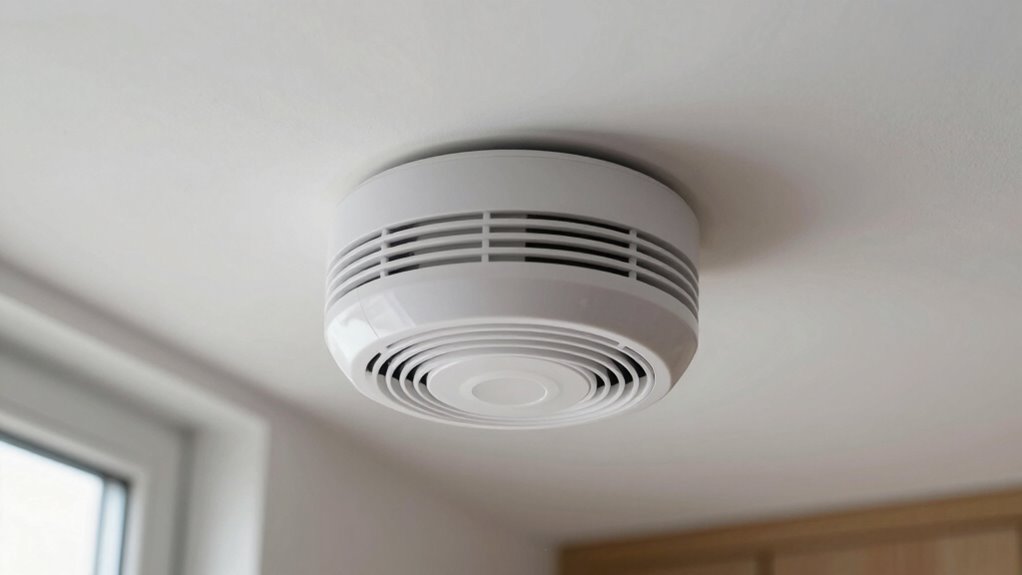
You should rethink your smoke alarm coverage regularly because your home layout, habits, and fire risks can change over time. Proper placement is vital for quick detection, especially near sleeping areas and key zones, but many homes have gaps. Interconnected alarms boost safety, and regular maintenance guarantees they work when needed most. Staying proactive helps maintain effective fire protection, so keep evaluating your setup. If you want to understand how to optimize your alarms, keep going for essential tips.

Get school and study supplies delivered free — and shop member deals
- Fast, free delivery on millions of items
- Access to Prime Big Deal Days deals on October 6–7
- Prime Video, Amazon Music and more included
Key Takeaways
- Home layouts and hazards change over time, requiring reassessment of alarm placement for optimal coverage.
- Regular reviews ensure alarms are positioned to detect smoke quickly in all critical areas.
- Updating placement maintains effectiveness as household habits or renovations alter fire risk zones.
- Interconnected alarms depend on correct placement to provide reliable, comprehensive alerts.
- Ongoing maintenance and re-evaluation prevent false alarms and ensure maximum safety efficiency.
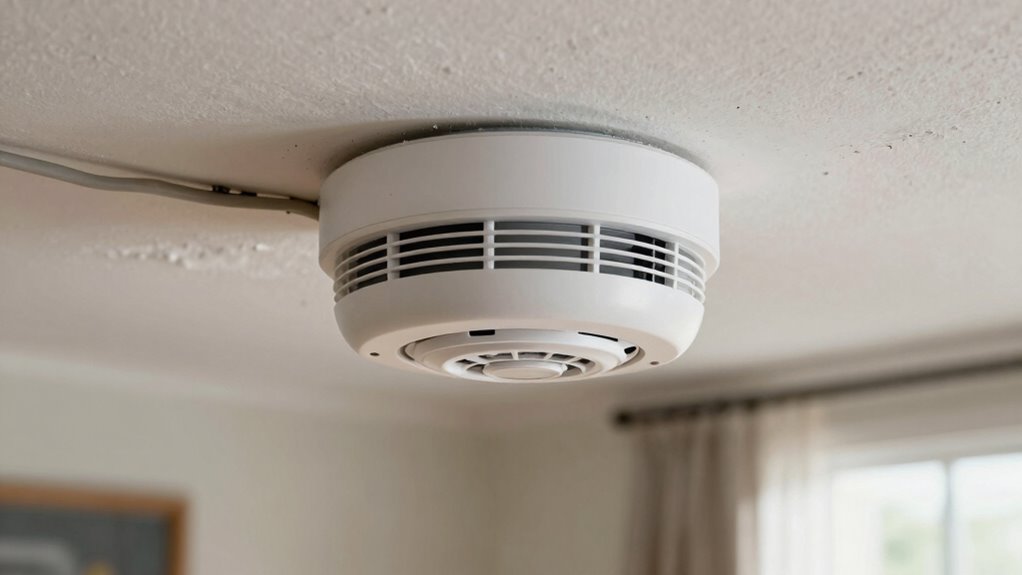
Many homes rely on traditional smoke alarm placements, but recent safety insights suggest it’s time to rethink your coverage. Fire safety isn’t just about having alarms installed; it’s about installing them correctly and maintaining that coverage over time. If you’ve been sticking to the same alarm placements for years, you might be missing essential gaps that could compromise your safety. The way you position your alarms impacts how quickly they detect smoke, giving you precious seconds to escape in a fire emergency. Proper alarm placement isn’t a one-time task—it’s an ongoing process that requires regular reassessment to guarantee your home remains as safe as possible.
When it comes to alarm placement, many people overlook key areas or assume that a single alarm in a central location will suffice. But fire safety experts advise mounting alarms on every level of your home, especially near sleeping areas and in the kitchen, where fires are more likely to start. The goal is to catch smoke early, before it fills the space and causes panic or disorientation. You should also avoid installing alarms too close to windows, vents, or fans, which can interfere with smoke detection. Instead, position them on the ceiling or high on the wall, as smoke rises naturally. Regularly checking your alarm placement and adjusting it if you remodel or add new rooms is vital to maintaining maximum fire safety. Additionally, understanding the benefits of interconnected alarms** can significantly enhance your home’s safety by ensuring all alarms activate simultaneously during a fire. Proper alarm placement** is essential to ensure effective early detection, especially in areas where fire risks are higher.
Furthermore, being aware of the importance of regular maintenance can help prevent false alarms and ensure your alarms function properly when needed. Implementing fire safety protocols that include routine testing and battery replacements can further improve overall safety. Conducting periodic safety audits of your alarm system can identify potential weaknesses before an emergency occurs. Rethinking your alarm placement isn’t just about where you put alarms now; it’s about creating a dynamic safety plan that adapts to changes in your home’s layout or your living habits. Keeping your fire safety measures up-to-date ensures you are prepared for any situation.
In the end, fire safety depends on proactive measures. Rethink your smoke alarm coverage regularly, paying attention to alarm placement and maintenance. It’s a small effort that can make a huge difference if a fire ever occurs. Your quick response could be the difference between a close call and a tragedy. Stay vigilant, stay informed, and keep your alarms strategically placed to protect what matters most.
As an affiliate, we earn on qualifying purchases.
Frequently Asked Questions
How Often Should Smoke Alarms Be Replaced Entirely?
You should replace your smoke alarms every 10 years, regardless of their appearance, because the sensors can degrade over time. Regularly test your alarms monthly and check the battery lifespan—replace batteries at least once a year. Alarm testing helps guarantee they’re functioning properly, but full replacement ensures you’re protected with the latest technology and reliable sensors, providing peace of mind in case of a fire emergency.
Are There Specific Smoke Alarm Types Better for Certain Homes?
Ever wonder if your home needs a specific type of smoke alarm? For maximum fire safety, choose alarms suited to your home’s layout—photoelectric alarms work best in bedrooms, while ionization types suit living areas. Regular alarm maintenance ensures they function properly. Different homes have unique risks, so selecting the right alarms can make a big difference in early detection and safety, giving you peace of mind.
What Are the Latest Technological Advancements in Smoke Alarms?
You’ll find the latest smoke alarms feature advanced sensor sensitivity, detecting smoke faster and reducing false alarms. Battery life has improved considerably, with some models offering 10-year sealed batteries, so you don’t need frequent replacements. Smart alarms now connect via Wi-Fi, allowing remote alerts and integration with home security systems. These technological advancements enhance safety and convenience, ensuring you’re better protected and informed in case of fire emergencies.
How Does Home Renovation Impact Smoke Alarm Placement?
Home renovations can disrupt your smoke alarm placement strategies, so you need to reassess their locations afterward. Renovation hazards, like new walls or altered layouts, might block alarms or create new fire risks. You should guarantee alarms are installed on each level, outside bedrooms, and in updated living spaces. Regularly check and adjust placement strategies to maintain ideal coverage, keeping your home safe amid ongoing renovations.
Can Smart Smoke Alarms Integrate With Home Security Systems?
Yes, smart smoke alarms can seamlessly integrate with your home security system. Imagine hearing a loud voice alert through your connected speakers, warning you of smoke or fire, while wireless connectivity keeps everything synchronized. This integration guarantees you’re promptly informed, whether you’re home or away, and enhances safety by combining fire detection with security monitoring, giving you peace of mind with real-time updates and alerts.
As an affiliate, we earn on qualifying purchases.
Conclusion
As you go about your daily routine, it’s no coincidence that rethinking your smoke alarm coverage can make all the difference. Regularly updating your alarms guarantees they’re working when you need them most, just like how a chance encounter with a helpful neighbor might save your life. Don’t wait for a close call—stay proactive. By staying vigilant and re-evaluating your coverage, you’re more prepared for the unexpected, turning a simple safety measure into a life-saving habit.
battery operated smoke detectors
As an affiliate, we earn on qualifying purchases.
As an affiliate, we earn on qualifying purchases.
As an affiliate, we earn on qualifying purchases.
Halloween Picks
halloween
As an affiliate, we earn on qualifying purchases.