
To stop overwatering, follow the root zone rule by checking if the top 1-2 inches of soil feel dry before watering again. This simple moisture test helps you avoid excess water that can drown roots and cause rot. Use your finger or a moisture meter for accuracy. By observing these signs, you promote healthy roots and prevent water-related problems. Keep going to discover more tips that help you maintain the perfect watering balance.
Open a free Amazon Business account
Business pricing, bulk buying and tax-exempt orders.
As an affiliate, we earn on qualifying purchases.
Key Takeaways
- Water only when the top 1-2 inches of soil feel dry to prevent overwatering.
- Regularly check soil moisture levels with simple tests or moisture meters.
- Ensure soil is well-aerated and loose to promote oxygen flow and proper drainage.
- Adjust watering frequency based on weather, container size, and soil type.
- Improve soil structure with compost or sand to enhance aeration and reduce water retention.
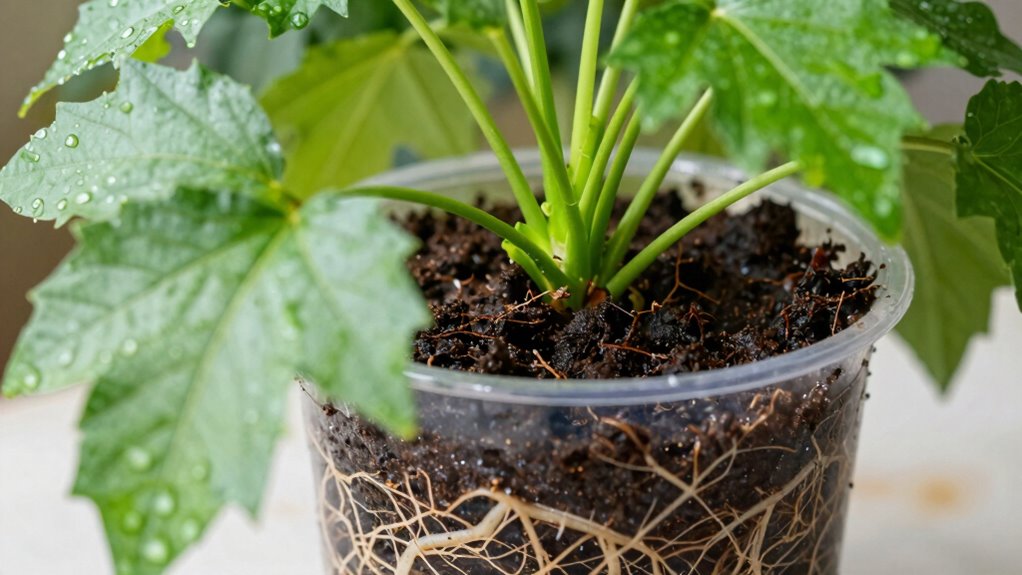
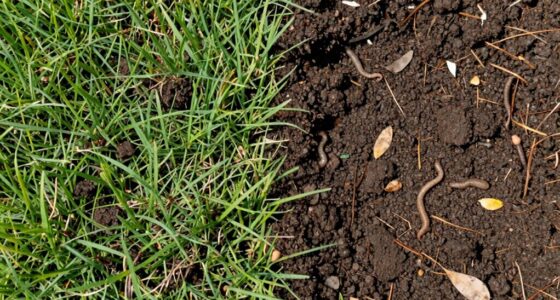
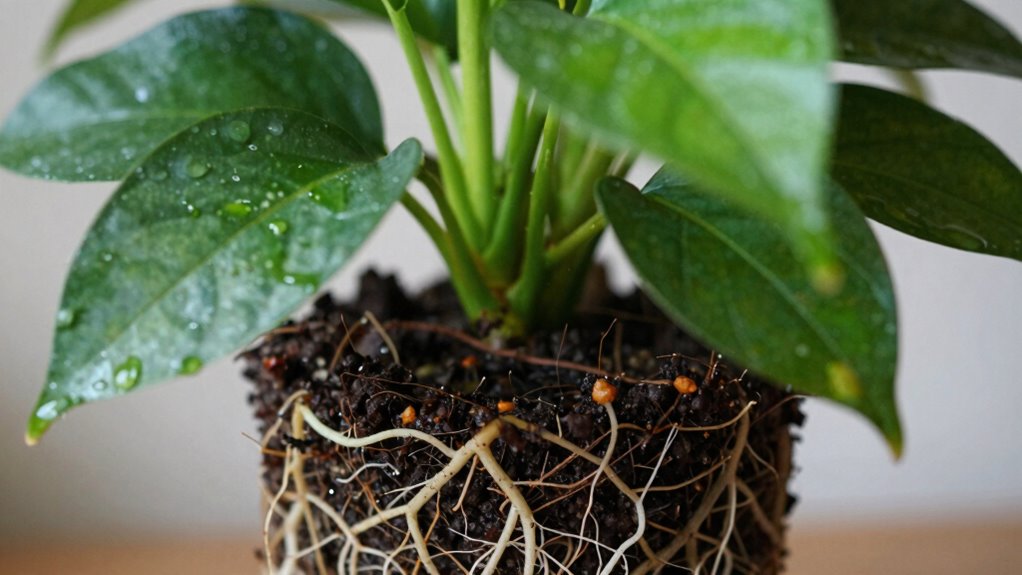
Overwatering can quickly harm your plants, but understanding the root zone rule helps prevent this common mistake. The key is to focus on what’s happening at the roots, not just how much water you supply. When you water too often or too much, you drown the roots, depriving them of oxygen and leading to root rot. To avoid this, you need to contemplate soil aeration and adjust your watering frequency accordingly. Soil aeration involves creating small air pockets within the soil, which allows oxygen to reach the roots and promotes healthy growth. If your soil is compacted or poorly aerated, water tends to sit on the surface or drain away quickly, making it hard for roots to access oxygen. In such cases, watering frequency should be less frequent but deeper, giving the roots time to grow downward into well-aerated soil. Conversely, if your soil is loose and well-aerated, you might be able to water more often because the roots have better access to oxygen at all times. Additionally, understanding the importance of soil aeration can help you improve overall soil health and reduce overwatering risks. Recognizing the soil structure of your garden can also guide your watering practices more effectively. The root zone rule emphasizes watering only when the top inch or two of soil feels dry. This simple check ensures you’re not overdoing it. When you water just enough to moisten the root zone without saturating it, you encourage healthy root development. Overwatering dilutes the soil’s oxygen, creating anaerobic conditions that roots hate. It also encourages fungal diseases and weakens the plant’s ability to take up nutrients. To get this right, observe your plants and soil regularly, especially during hot or dry weather when watering needs increase. Checking soil moisture levels with a simple soil moisture test can help you make more informed watering decisions. Using moisture meters can further improve accuracy and prevent guesswork. Keep in mind that watering frequency varies depending on plant species, pot size, soil type, and weather conditions. For example, container plants often need more frequent watering than those in the ground because containers dry out faster. Furthermore, understanding the typical water retention capacity of your soil can help tailor your watering schedule more effectively. Ultimately, mastering the root zone rule means paying attention to what’s happening underground. Instead of sticking to a fixed schedule, check your soil often, and water only when necessary. Improving soil aeration through amendments like compost or sand can also help reduce the risk of overwatering. When you adjust your watering habits based on soil condition and plant needs, you create a healthier environment where roots thrive, and overwatering becomes a thing of the past. Remember, healthy roots require oxygen just as much as water, so balance your watering frequency and soil aeration to keep your plants happy and strong.
As an affiliate, we earn on qualifying purchases.
Frequently Asked Questions
How Can I Tell if My Plant Is Underwatered or Overwatered?
To tell if your plant is underwatered or overwatered, look for watering symptoms. If the leaves are wilted, dry, or crispy, your plant might be underwatered, showing signs of dehydration. Conversely, if the leaves are yellow, mushy, or have mold around the base, it’s overwatered, indicating excess plant hydration. Check the soil moisture; dry soil suggests underwatering, while soggy soil points to overwatering. Adjust your watering habits accordingly.
Does Soil Type Affect the Root Zone Rule Effectiveness?
Think of soil type as the backbone of your plant’s health—yes, it can make a big difference. Soil composition directly influences water retention; sandy soil drains quickly, while clay holds water longer. This affects the root zone rule’s effectiveness, as it helps you gauge when to water. Adjust your watering habits based on your soil’s properties to prevent overwatering or underwatering, ensuring your plant thrives.
Can Root Zone Rules Be Applied Indoors as Well?
Yes, you can apply root zone rules indoors to prevent overwatering. Maintaining proper indoor humidity levels helps keep the soil’s moisture balanced, supporting root zone preservation. You should monitor your plant’s watering needs carefully, ensuring the soil stays moist but not soggy. Using containers with good drainage and adjusting watering frequency based on indoor conditions will help you implement effective root zone management, promoting healthier indoor plants.
How Often Should I Check My Plant’s Root Zone?
Think of your plant’s root zone like a garden’s watering schedule—check it regularly, about once a week, to guarantee root health and proper water retention. If the soil feels dry a few inches down, it’s time to water; if it’s soggy, wait. Regular inspections help you prevent overwatering, keep roots healthy, and maintain ideal water retention, ensuring your plant thrives without drowning.
Are There Specific Plants That Are More Sensitive to Overwatering?
Yes, some plants are more sensitive to overwatering, especially those prone to plant drought, like succulents and cacti. You should adjust your watering frequency accordingly, ensuring these plants don’t sit in constantly moist soil. Overwatering can lead to root rot and other issues. For sensitive plants, check their root zone frequently, and let the soil dry out between waterings to prevent overwatering and promote healthy growth.
plant watering can with measurement marks
As an affiliate, we earn on qualifying purchases.
As an affiliate, we earn on qualifying purchases.
Conclusion
Remember, regulating root zone watering is essential to prevent plant problems and promote healthy growth. By following the simple yet steadfast rule—saturate the soil, then let it dry—you’ll stop overwatering in its tracks. Stay savvy by spacing out your sprinkling and scrutinizing soil moisture. With this mindful method, you’ll master the magic of meticulous moisture management, making your garden grow greener, healthier, and happier—one well-watched watering at a time!
soil aeration tools for gardening
As an affiliate, we earn on qualifying purchases.
As an affiliate, we earn on qualifying purchases.
As an affiliate, we earn on qualifying purchases.
Fall Picks
fall essentials
As an affiliate, we earn on qualifying purchases.