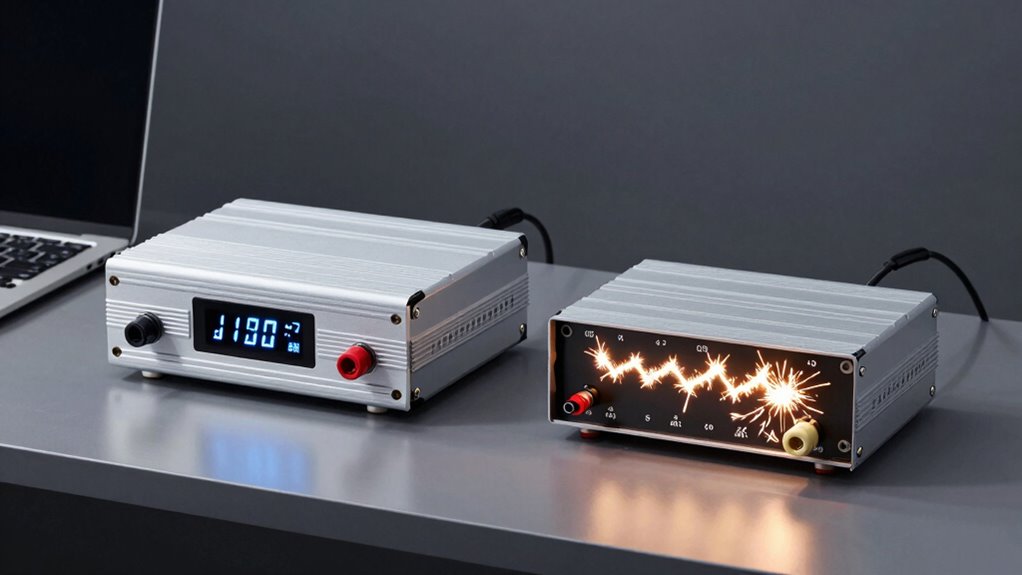

When choosing between pure sine and modified sine inverters, you’ll notice that pure sine inverters produce a smooth, clean power similar to utility lines, making them ideal for sensitive electronics and solar setups. Modified sine inverters generate a stepped, rougher wave, suitable for simple devices but may cause noise or malfunctions. Understanding these differences can help you select the right inverter for your needs and guarantee better performance and durability—stick with us to explore more details.
Key Takeaways
- Pure sine inverters produce smooth, high-quality power suitable for sensitive electronics, while modified sine inverters generate a stepped waveform for basic devices.
- Pure sine inverters are more compatible with solar systems and prevent device humming or malfunction issues.
- Modified sine inverters are less expensive but may cause noise, overheating, or improper operation in sensitive equipment.
- For critical applications, pure sine inverters offer better efficiency, device safety, and longer lifespan.
- Budget considerations often influence choosing modified sine inverters for low-cost, non-sensitive applications.
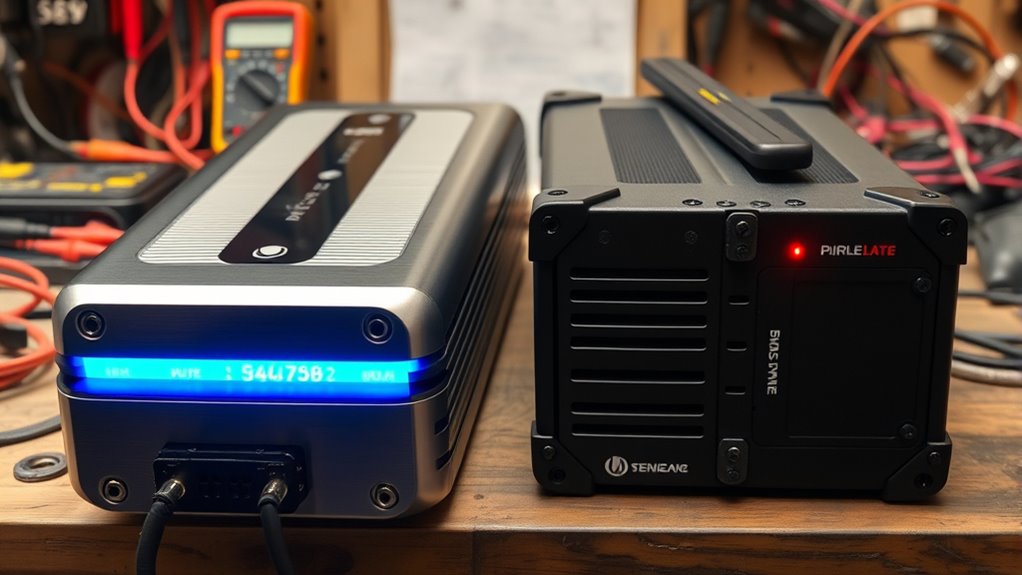
Have you ever wondered how we convert direct current (DC) from batteries or solar panels into usable alternating current (AC) for your home or devices? That’s where inverters come into play, transforming DC into AC so that your appliances can run smoothly. When selecting an inverter, understanding the difference between pure sine wave and modified sine wave models becomes essential, especially considering factors like solar compatibility and efficiency comparison.
Pure sine wave inverters produce a smooth, consistent AC signal that closely resembles the power supplied by your utility grid. This makes them highly compatible with a wide range of electrical devices, including sensitive electronics like computers, audio equipment, and medical devices. Because of their high-quality output, pure sine inverters often boast better efficiency, meaning less energy is lost during conversion—an important factor if you’re aiming for ideal performance from your solar setup. Their clean waveforms reduce the risk of overheating or damage to your appliances, ensuring longevity and reliable operation. If you’re integrating a solar power system, pure sine inverters are generally the preferred choice since they maximize solar compatibility and allow your system to operate at peak efficiency.
Pure sine wave inverters offer smooth, high-quality power ideal for sensitive electronics and solar system efficiency.
On the other hand, modified sine wave inverters generate a waveform that’s more like a stepped approximation of a sine wave. They’re typically less expensive and simpler in design, making them a popular choice for basic applications like powering small tools, lights, or chargers. However, a key point in the efficiency comparison is that modified sine wave inverters tend to generate more heat and may produce more electrical noise. This can lead to reduced efficiency, as some devices may not run as smoothly or could even be damaged over time. Additionally, their lower compatibility with certain appliances means you might encounter issues like humming sounds or improper functioning, especially with sensitive electronics.
Choosing between these two types depends on your specific needs. If you want a system that offers maximum solar compatibility, runs efficiently, and protects your electronics, a pure sine wave inverter is typically the best investment. While they might cost more upfront, their superior performance and durability often justify the expense. Conversely, if your power needs are simple and budget is a concern, a modified sine wave inverter could suffice, but you’ll need to weigh potential drawbacks like lower efficiency and compatibility issues. Ultimately, understanding these distinctions helps you select the right inverter for your setup, ensuring your energy conversion is as efficient and reliable as possible. Understanding inverter types can help you make a more informed decision for your specific application.

BELTTT 2000W Pure Sine Wave Inverter, Inverter 12V DC to 120V AC for Solar, RV, Truck, Outdoor, Power Inverter with Dual AC and 20A Socket, 5V 2.1A USB, Surge 4000W, Hardwire Port, Remote Controller
- Powerful Continuous Output: 2000W continuous, 4000W surge power
- Pure Sine Wave Output: Matches utility grid waveform, safe for sensitive devices
- High Conversion Efficiency: Over 93% efficiency for minimal energy loss
As an affiliate, we earn on qualifying purchases.
As an affiliate, we earn on qualifying purchases.
Frequently Asked Questions
How Do Inverter Efficiencies Vary Between Pure and Modified Sine Wave Types?
You’ll find that pure sine wave inverters generally have higher efficiencies because they produce a waveform quality closer to utility power, resulting in less energy loss during conversion. Modified sine wave inverters tend to be less efficient due to their simpler waveform, which can cause additional energy dissipation and potential equipment issues. So, if efficiency matters, opting for a pure sine wave inverter guarantees better energy conversion and smoother operation for sensitive electronics.
Can Modified Sine Wave Inverters Power Sensitive Electronics Reliably?
You can’t reliably power sensitive electronics with a modified sine wave inverter. For example, a sensitive device like a medical instrument may experience waveform distortion, causing malfunction or damage. Many compatible devices, such as LED lights or simple chargers, handle it well, but delicate electronics often require the clean, smooth output of a pure sine wave inverter. Relying on a modified sine wave risks inconsistent operation or potential harm.
What Maintenance Is Required for Long-Term Inverter Performance?
To guarantee long-term inverter performance, regularly check your battery health and keep batteries properly charged. Maintain good ventilation around the inverter to prevent overheating, especially during heavy use. Clean vents and fans periodically to ensure airflow remains unobstructed. Also, inspect connections for corrosion and tightness. Proper maintenance like these helps your inverter operate efficiently and extends its lifespan, saving you money and avoiding unexpected failures.
Are There Safety Concerns With Using Modified Sine Wave Inverters?
Using a modified sine wave inverter is like sailing through choppy waters—you need to be cautious. It can cause electrical noise, disrupting sensitive electronics, and sometimes create fire hazards if not properly managed. You should guarantee proper ventilation, avoid overloading, and use quality units. While generally safe for many devices, always follow safety guidelines to prevent potential risks and keep your setup running smoothly.
How Do Inverter Costs Compare for Pure Versus Modified Sine Wave Models?
You’ll find that pure sine wave inverters generally cost more than modified sine wave models. The price differences can be significant, often ranging from 20% to 50% higher for pure sine inverters. This cost comparison reflects their advanced technology, which provides cleaner power suitable for sensitive electronics. If your devices require stable, high-quality power, investing in a pure sine inverter might be worth the extra expense.

BELTTT 3000W Pure Sine Wave Inverter 12V DC to 120V AC for Solar, Off-Grid, RV, Truck, Home, Power Inverter with Dual AC, 20A Socket, 5V 2.1A USB, Hardwire Port, Remote Controller 23Ft Cable
- Pure Sine Wave Output: Compatible with sensitive electronics
- 3000W Continuous Power: Supports high power appliances
- Peak Surge 6000W: Handles startup surges easily
As an affiliate, we earn on qualifying purchases.
As an affiliate, we earn on qualifying purchases.
Conclusion
Now that you understand the differences between pure sine and modified sine inverters, you can make a smarter choice for your needs. Remember, sometimes the right tool can make all the difference, like finding the needle in a haystack. Whether you prioritize compatibility or cost, knowing what each type offers helps you avoid throwing good money after bad. With this knowledge, you’ll be better equipped to power your devices smoothly and confidently—no more barking up the wrong tree.
BELTTT 3000W Pure Sine Wave Inverter 12V DC to 120V AC for Solar, Off-Grid, RV, Truck, Home, Power Inverter with Dual AC, 20A Socket, 5V 2.1A USB, Hardwire Port, Remote Controller 23Ft Cable
- Pure Sine Wave Output: Compatible with sensitive electronics
- 3000W Continuous Power: Supports high power appliances
- Peak Surge 6000W: Handles startup surges easily
As an affiliate, we earn on qualifying purchases.
As an affiliate, we earn on qualifying purchases.
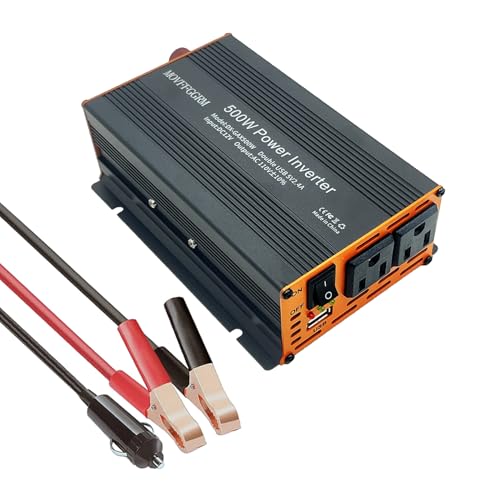
MOVFFGGRM 500W Power Inverter Modified Sine Wave for Vehicles,DC 12V to 110V 120V New Black
- Power Output: 500W continuous, 1000W peak
- Input Compatibility: 12V DC car power supply
- AC Output: 110V-115V standard AC
As an affiliate, we earn on qualifying purchases.
As an affiliate, we earn on qualifying purchases.