If you notice flickering lights, outlets feel warm or slightly discolored, or you smell faint burning near switches, these are early signs of circuit overload. You might also experience dimming or flickering when high-power appliances run, which indicates circuit stress before a complete trip. Recognizing these subtle cues can help you prevent fires and damage. Staying alert to these warning signs guarantees your electrical system remains safe and reliable—learn why acting promptly really makes a difference.
Key Takeaways
- Flickering lights indicate circuit stress before a breaker trips.
- Warm or discolored wall areas near outlets suggest wiring overheating.
- A faint burning smell signals potential wire overload or damage.
- Subtle signs like warm outlets can precede visible damage or trips.
- Overloading devices on one circuit increases risk of early warnings.
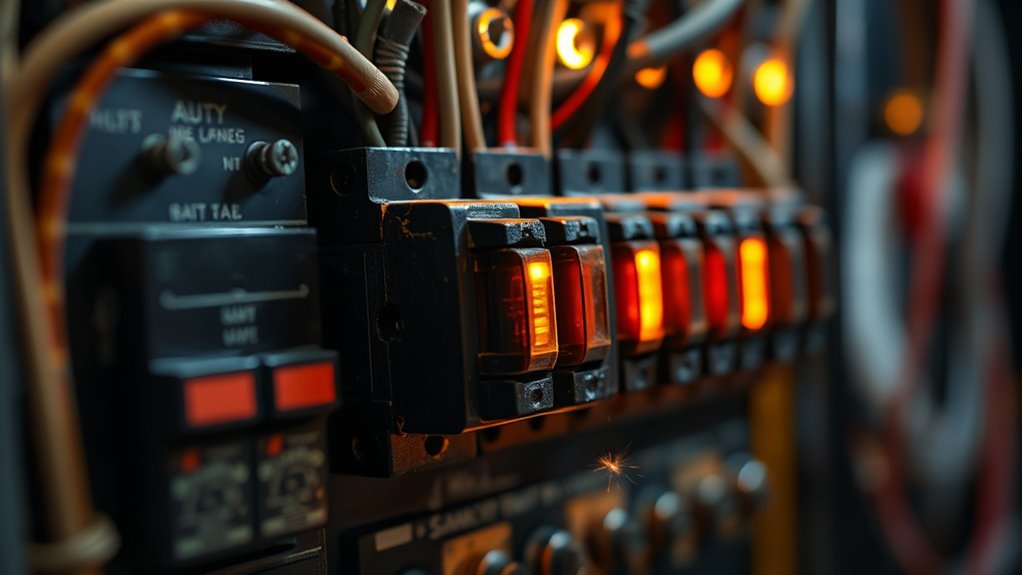
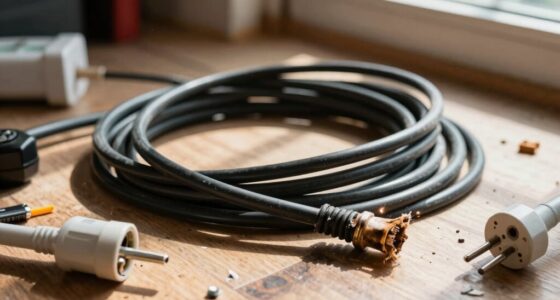
A circuit overload occurs when too many devices draw power from a single outlet or circuit, causing it to become overwhelmed. When this happens, you might notice certain signs that warn you before a breaker trips completely. One of the most common early indicators is wire overload, which can cause the wiring to heat up and sometimes emit a faint burning smell. This isn’t always obvious at first, but if you notice the wall around outlets feeling warm or slightly discolored, it’s a clear sign you’re pushing the circuit too hard. Overloading wires can be dangerous, increasing the risk of electrical fires, so pay attention to these subtle cues.
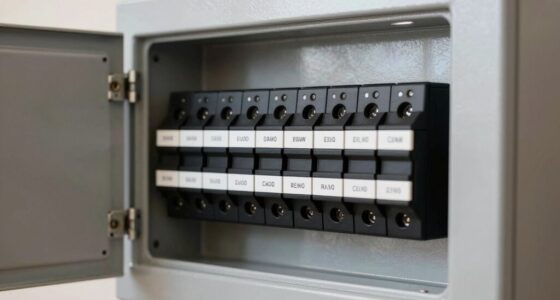
Another sign that your circuit is nearing its limit is breaker flickering. When multiple devices are plugged into the same circuit, and the total power draw exceeds the circuit’s capacity, the breaker may begin to flicker or trip intermittently. You might see the lights dimming or flickering repeatedly, especially when you switch on high-power appliances like space heaters, hairdryers, or microwave ovens. This flickering isn’t normal and indicates that the breaker is working hard to prevent an overload. It’s fundamentally the circuit’s way of warning you that it’s under stress, and ignoring this signal could lead to a full trip or worse, electrical damage.
Breaker flickering signals overload; reduce device load to prevent tripping and electrical damage.
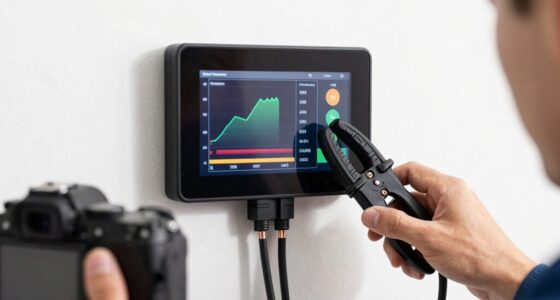
If you notice frequent breaker flickering, it’s a good idea to evaluate how many devices are connected to that circuit. Overloading a circuit by plugging in too many high-wattage items can push it past its safe limit. To prevent further issues, try redistributing devices to different circuits or unplugging some items to reduce the load. Keep in mind that constantly pushing a circuit to its maximum capacity isn’t sustainable and can deteriorate the wiring over time, increasing the risk of a failure or fire. Recognizing early warning signs like wire overload symptoms and breaker flickering can save you from costly repairs and dangerous situations down the line. Acting swiftly when these signs appear helps maintain a safe electrical environment in your home.
circuit breaker flicker detector
As an affiliate, we earn on qualifying purchases.
As an affiliate, we earn on qualifying purchases.
Frequently Asked Questions
How Can I Prevent Circuit Overloads From Occurring?
To prevent circuit overloads, you should regularly perform circuit breaker maintenance and avoid plugging too many devices into one outlet. Use surge protectors to distribute power safely and protect your appliances. Be mindful of the wattage limits on your circuits, and unplug unused devices. These steps help reduce the risk of overloads, keeping your electrical system safe and functioning efficiently.
What Are the Long-Term Risks of Ignoring Overload Signs?
Ignoring overload signs can lead to serious long-term damage to your electrical system. Over time, wiring deterioration becomes a risk, increasing the chance of faults or fires. You might also cause damage to appliances and increase energy costs. By not addressing overload warnings, you jeopardize safety and longevity of your electrical setup. Regular inspections and prompt repairs are essential to prevent these hazards and guarantee your system remains reliable and safe.
Do Different Circuits Show Different Overload Warning Signs?
Yes, different circuits can show warning variability due to circuit differences. You might notice signs like flickering lights, hot outlets, or frequent breaker trips on some circuits, while others display minimal signs before overload. These variations depend on wiring, load capacity, and circuit design. Recognizing these differences helps you identify overloads early, preventing potential damage or hazards. Always pay attention to warning signs specific to each circuit to ensure safety.
Are There Specific Appliances More Likely to Cause Overloads?
Did you know that kitchen appliances are responsible for nearly 40% of overload hotspots? You’re more likely to cause overloads with high-power devices like space heaters, multiple kitchen gadgets, or hairdryers. These appliances draw significant current, especially if used simultaneously. To prevent trips, monitor your appliance patterns and avoid overloading circuits. Being aware of these common overload sources helps you stay safe and maintain a reliable electrical system.
When Should I Call a Professional Electrician for Overload Issues?
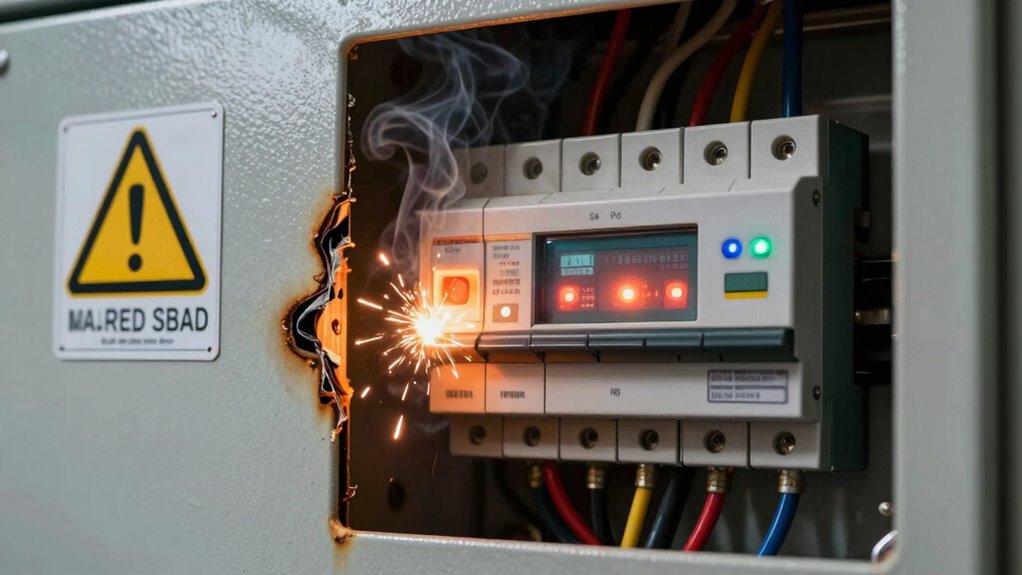
You should call a professional electrician whenever you notice persistent overload issues or frequent circuit trips. Prioritize electrical safety and proper power management by letting an expert assess your system. Don’t ignore warning signs like sparks, burning smells, or flickering lights. An electrician can identify underlying problems, prevent potential hazards, and guarantee your electrical setup remains safe and efficient, protecting both your home and loved ones.
wire overload warning light
As an affiliate, we earn on qualifying purchases.
As an affiliate, we earn on qualifying purchases.
Conclusion
Pay attention to circuit overload signs like flickering lights or warm outlets—they’re your home’s warning sirens. Ignoring these signals is like ignoring a storm brewing on the horizon; it can lead to a power trip or even a fire. Stay vigilant and address these early warnings promptly. Think of your electrical system as a delicate dance—when one step is out of rhythm, the whole performance risks falling apart. Stay alert, stay safe.
electrical fire safety kit
As an affiliate, we earn on qualifying purchases.
As an affiliate, we earn on qualifying purchases.
surge protector power strip
As an affiliate, we earn on qualifying purchases.
As an affiliate, we earn on qualifying purchases.